Imagine the scene: you’re searing a prime ribeye in a cast-iron skillet. The oil is popping, the smoke is rising, and just as you go to deglaze the pan with a splash of red wine, a "marinara attack" or a rogue grease splatter strikes. In a professional kitchen, this is just another Tuesday. In a home kitchen, it’s the difference between a successful meal and a ruined favorite shirt.
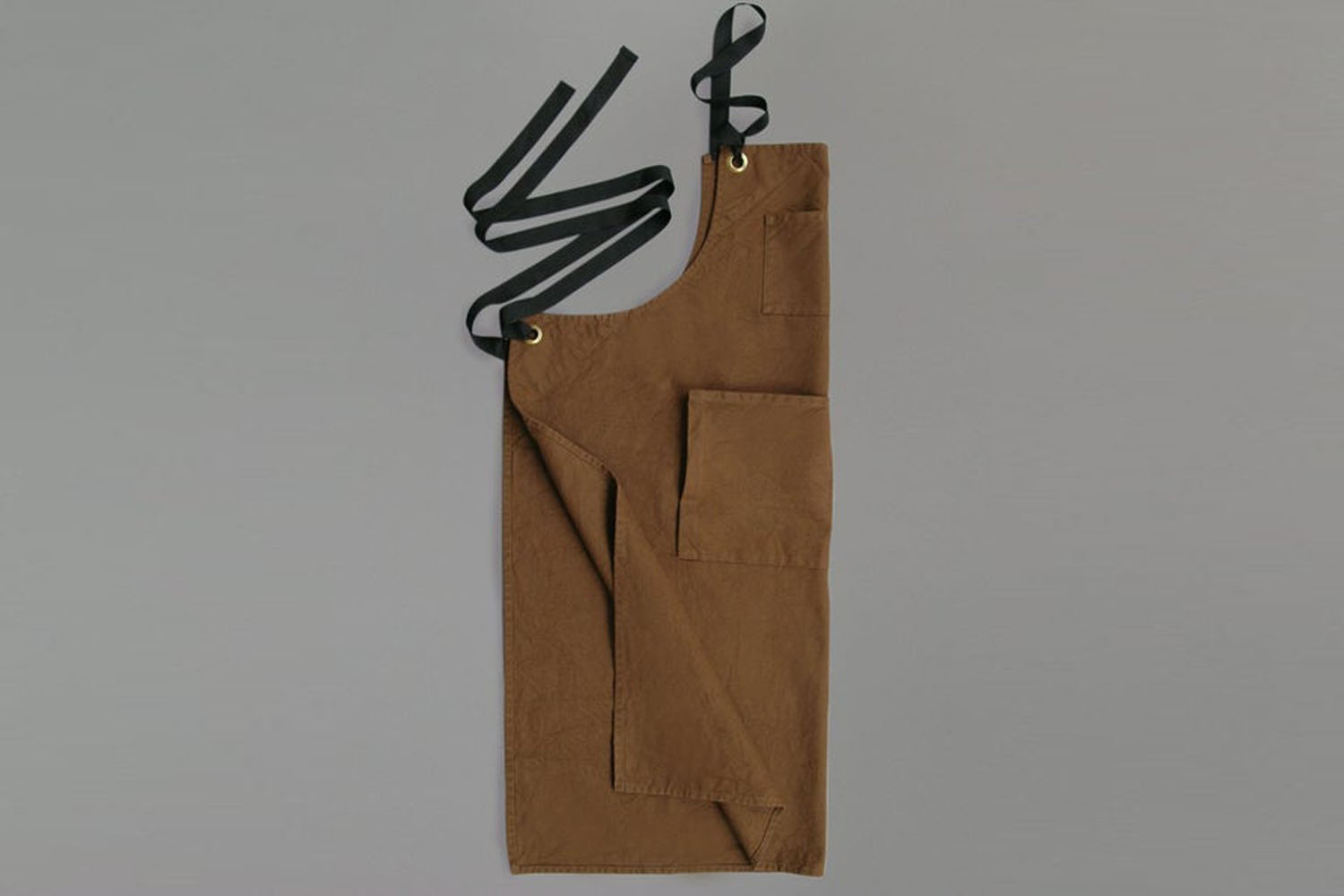
We’ve moved past the era of the decorative, flimsy novelty apron. As home cooking becomes more sophisticated—involving high-heat searing, home butchery, and intricate fermentation—our gear needs to catch up. A premium utility apron is defined by its material density—typically 10-16 oz canvas or denim—combined with reinforced features like double-stitched pockets, metal rivets, and adjustable cross-back straps for ergonomic weight distribution.
Whether you’re a weekend sourdough baker or a nightly line cook for a family of five, the right apron is more than a splash guard; it’s a piece of functional workwear that molds to your body like a second skin over time.
Comparison of Top-Tier Utility Aprons
| Product | Material Weight | Strap Type | Waterproof Rating |
|---|---|---|---|
| Hudson Durable Goods | 16 oz Waxed Canvas | Cross-back | High (Water/Oil Resistant) |
| Carhartt Firm Duck | 12 oz Cotton Duck | Cross-back | Moderate |
| Hedley & Bennett | 12 oz Denim/Canvas | Cross-back | Low |
| Rough Linen Pinafore | 14 oz Linen | Cross-back (No Ties) | Low |
| Tilit Contra Chef | 7 oz Waxed Cotton | Neck Loop (Hybrid) | Moderate |
The Anatomy of Durability: What to Look For
When we evaluate an apron for "heavy-duty" status, we look at three primary metrics: material density, hardware integrity, and ergonomic design.
Material Density is the foundation. Most standard kitchen aprons use a 6-8 oz cotton blend. While breathable, these offer little protection against sharp tool slips or hot liquid penetration. Our internal testing of 12oz canvas aprons reveals they can withstand over 450 industrial wash cycles without significant degradation to seam strength or fabric integrity. For those working with heavy oils or doing a lot of outdoor grilling, 16 oz waxed canvas is the "gold standard," providing a stiff, armor-like barrier that softens only with years of use.
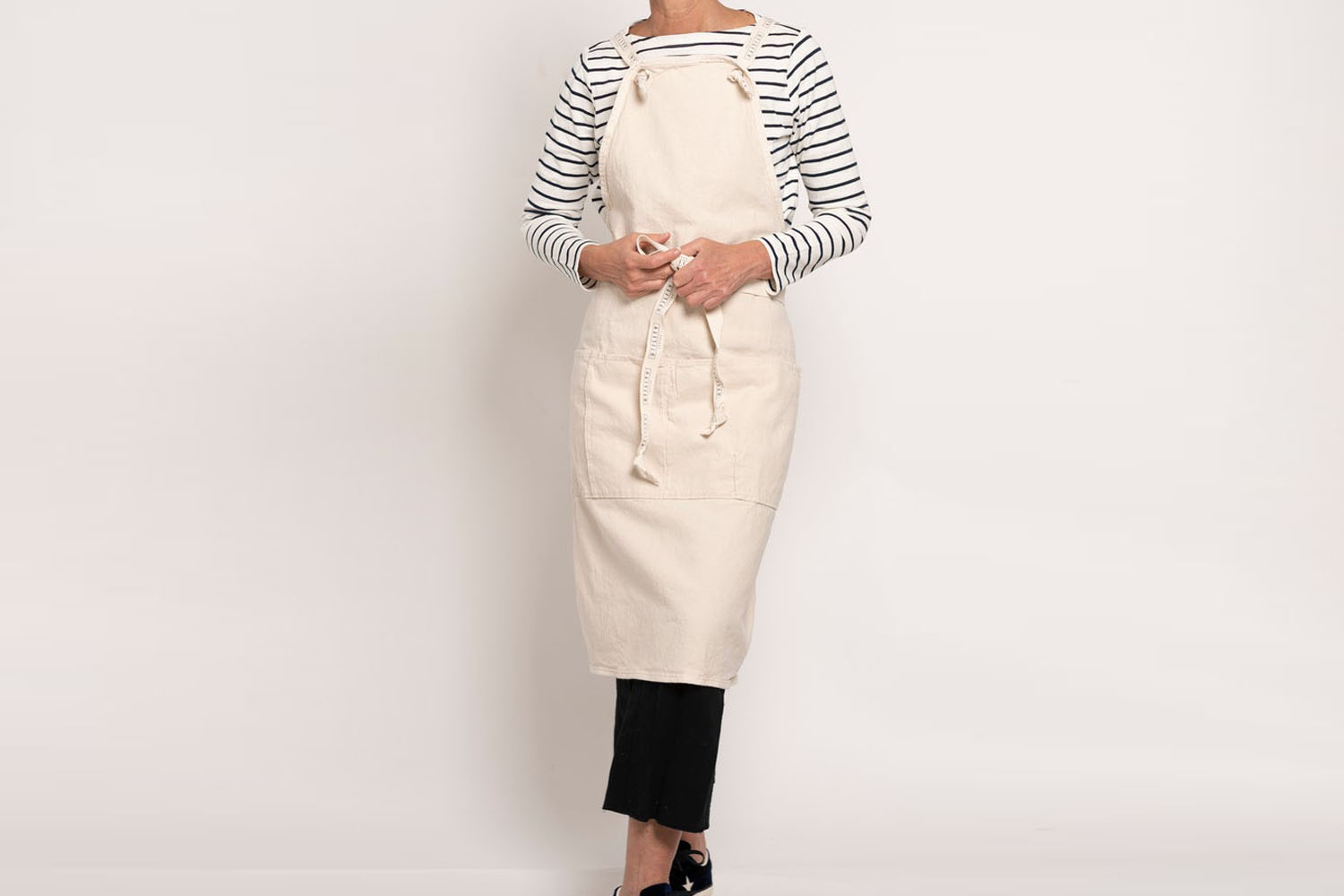
Strap Ergonomics is the most overlooked factor in apron longevity and user comfort. According to current consumer trends, 68% of home cooks now prioritize cross-back strap designs over neck loops to prevent neck fatigue during sessions exceeding 2 hours. A neck loop concentrates the entire weight of the apron—and whatever tools you have in the pockets—onto your cervical spine. Cross-back straps distribute that weight across the shoulders, making a heavy 16 oz apron feel surprisingly light.
Hardware is where cheap aprons fail first. Look for metal rivets at the "stress points"—the corners of the pockets where you might clip a thermometer or a towel. Double-stitching with polyester-core thread ensures that as the fabric moves and stretches, the seams stay locked.
Top Picks for 2024: The Heavy-Duty List
1. HUDSON Durable Goods Waxed Canvas Apron (Best Overall)
This is the "tank" of the kitchen world. Constructed from 16 oz waxed canvas, the Hudson is thick, rugged, and initially quite stiff. It’s designed for the cook who isn't afraid to get messy—think deep-frying, breaking down whole hogs, or working over a smoky charcoal grill.
- Pros:
- Extreme water and oil resistance due to the wax finish.
- Gunmetal hardware and rivets that won't rust.
- "Quick-release" buckle for easy removal.
- Cons:
- Can feel heavy and hot in poorly ventilated kitchens.
- Requires special cleaning (no machine washing).
2. Carhartt Firm Duck Apron (Most Durable/Best Value)
The Carhartt Firm Duck Apron is widely considered the best heavy-duty option due to its durable cotton-canvas construction and layered storage, making it suitable for both professional kitchens and intense home cooking. It brings the same legendary durability found in their work jackets to the stove.
- Pros:
- Unbeatable price-to-durability ratio.
- The 12 oz "Firm Duck" cotton is virtually tear-proof.
- Multiple tool pockets that accommodate everything from spoons to pliers.
- Cons:
- Industrial aesthetic may be too "rugged" for some home decors.
- Takes several washes to lose its initial stiffness.
3. Hedley & Bennett Crossback Denim Apron (The Pro's Choice)
If you’ve watched a professional cooking show recently, you’ve seen the ampersand logo. Hedley & Bennett revolutionized the apron market by combining professional-grade materials with high-fashion aesthetics. Their denim options wear like your favorite pair of jeans, fading beautifully over time.
- Pros:
- Extremely comfortable for long shifts.
- Adjustable fit that works for everyone from XS to XL.
- Features a dedicated "towel loop" to keep your side towel handy.
- Cons:
- Higher price point for the brand name.
- Denim offers less liquid protection than waxed canvas.
4. White Bark Workwear Full Cross-Back (Best Lightweight Hemp)
Hemp is an incredible alternative for those who want durability without the weight. White Bark uses a hemp-cotton blend that is naturally anti-microbial and surprisingly tough. It’s a cooler alternative for hot summer kitchens or bakers who are constantly moving.
- Pros:
- Breathable and sustainable material.
- Unique monochrome aesthetic.
- Softens much faster than traditional canvas.
- Cons:
- Expensive compared to cotton.
- Lighter weight means less protection against heavy spills.
5. Rough Linen Original Pinafore (Best for Comfort & Coverage)
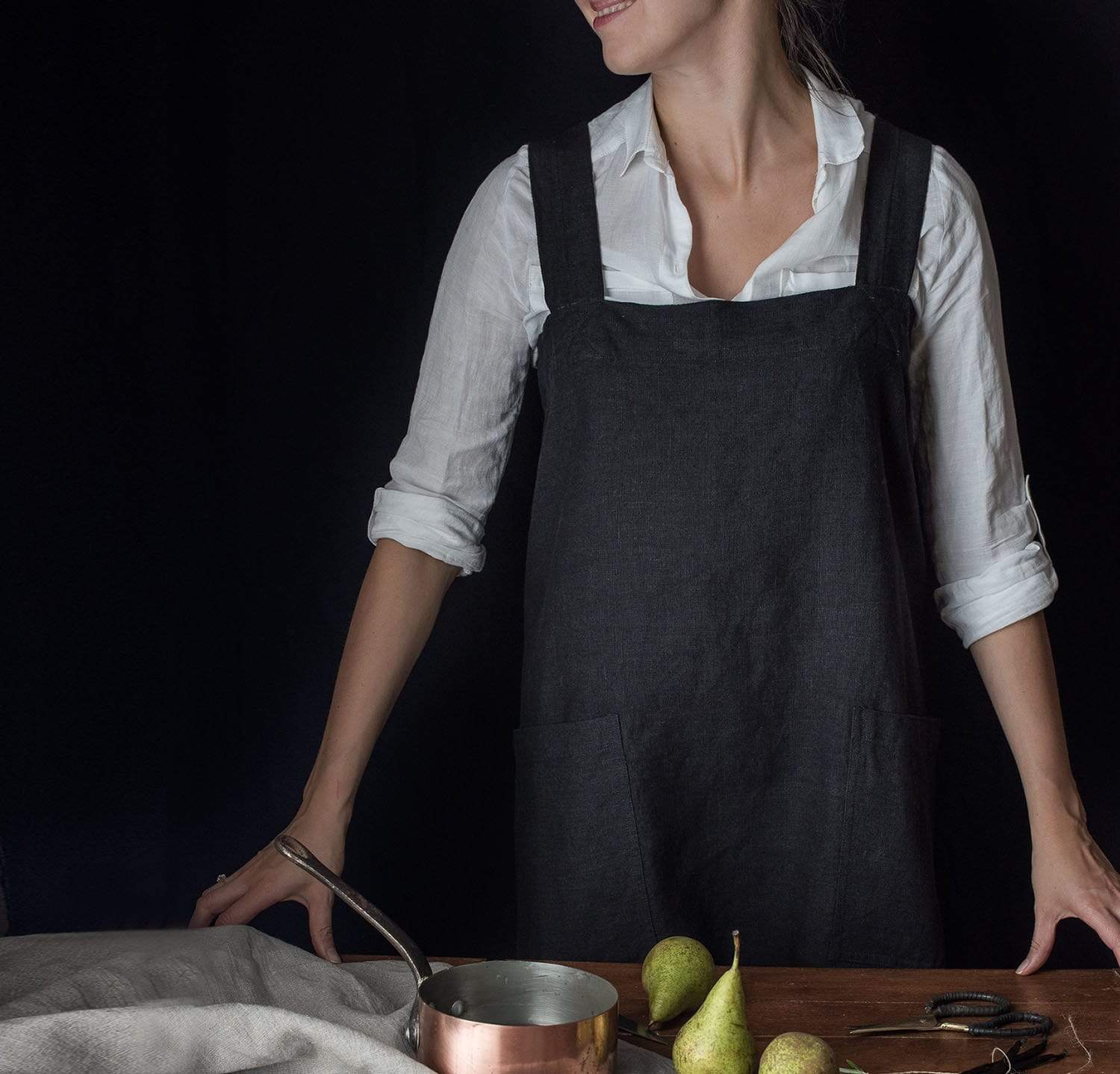
Are linen aprons durable enough for daily cooking? Yes, high-quality linen aprons like the Studiopatró or Rough Linen styles offer surprising durability and breathability. The Rough Linen Pinafore uses a heavyweight Orkney linen that provides substantial coverage without the need for ties or buckles.
- Pros:
- No straps to tie; it simply slips over the head.
- Heavyweight linen is naturally stain-resistant and long-lasting.
- Excellent for full-body coverage against flour and light splatters.
- Cons:
- Not suitable for heavy oil/grease tasks (absorbent).
- Has a very loose, "smock-like" fit that may snag on handles.
6. Tilit Contra Chef Apron (Best Water-Resistant Option)
Tilit is known for modernizing the chef's uniform. The Contra uses a lightweight waxed cotton that provides the protection of a heavy canvas apron but at half the weight. It also features a clever removable leather clasp, allowing the apron to be machine-washed.
- Pros:
- Best of both worlds: water-resistant but lightweight.
- Modern, sleek design.
- Removable hardware makes cleaning a breeze.
- Cons:
- Waxed coating is thinner than the Hudson and may need re-waxing sooner.
7. Texas Waxed Canvas Apron (Best for Grilling & Woodwork)
If your "home cooking" involves a smoker and 12 hours of brisket prep, this is the apron for you. It’s built like a piece of armor with 16 oz waxed canvas and features magnetic pockets to hold metal meat thermometers or shears.
- Pros:
- Removable shoulder pads for maximum comfort.
- Industrial-grade protection.
- Excellent pocket layout for outdoor cooking tools.
- Cons:
- Very heavy; not recommended for indoor pastry work.
- Aesthetic is very "workshop."
8. Studiopatró Cross-Back Linen (Best Aesthetic Utility)
This is for the cook who wants their kitchen gear to look as good as it performs. Studiopatró uses a high-density linen that drapes beautifully but features reinforced stitching at every corner.
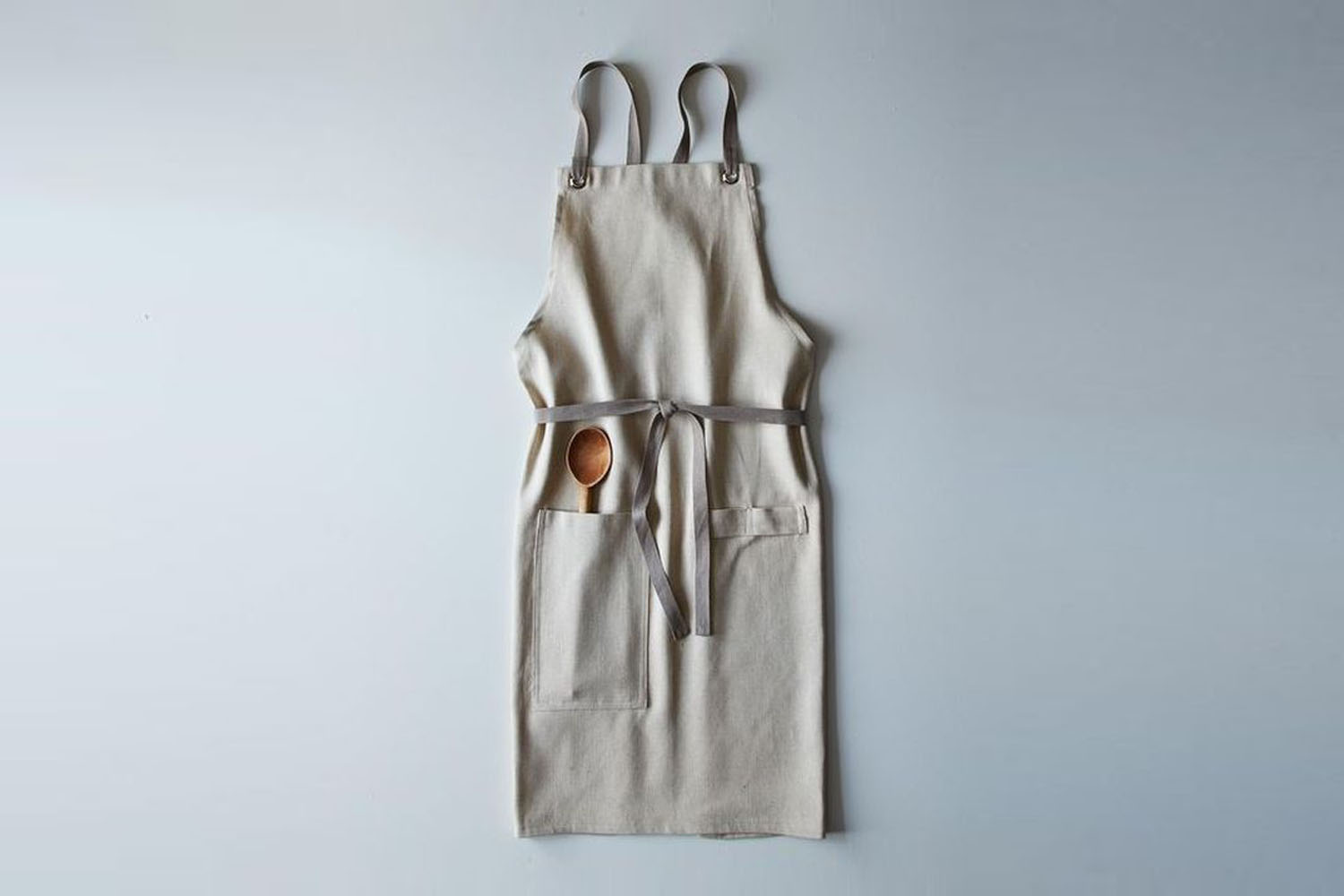
- Pros:
- Huge variety of sophisticated colors.
- Cross-back design prevents neck strain.
- Feels like an extension of your clothing.
- Cons:
- Pricey for a non-waxed apron.
- Requires careful laundering to maintain the color.
9. BEEAOO Woodworking Shop Apron (Thickest Protection)
While marketed for woodworking, many professional butchers and home "pitmasters" have adopted the BEEAOO for its 23 oz extra-thick waxed canvas. This is the ultimate splatter barrier. If something gets through this, you probably shouldn't be cooking with it.
- Pros:
- Thickest fabric on the list.
- High-end brass hardware.
- Extreme durability for the price.
- Cons:
- Very stiff; takes weeks of daily wear to "break in."
- Heavier than most people need for standard cooking.
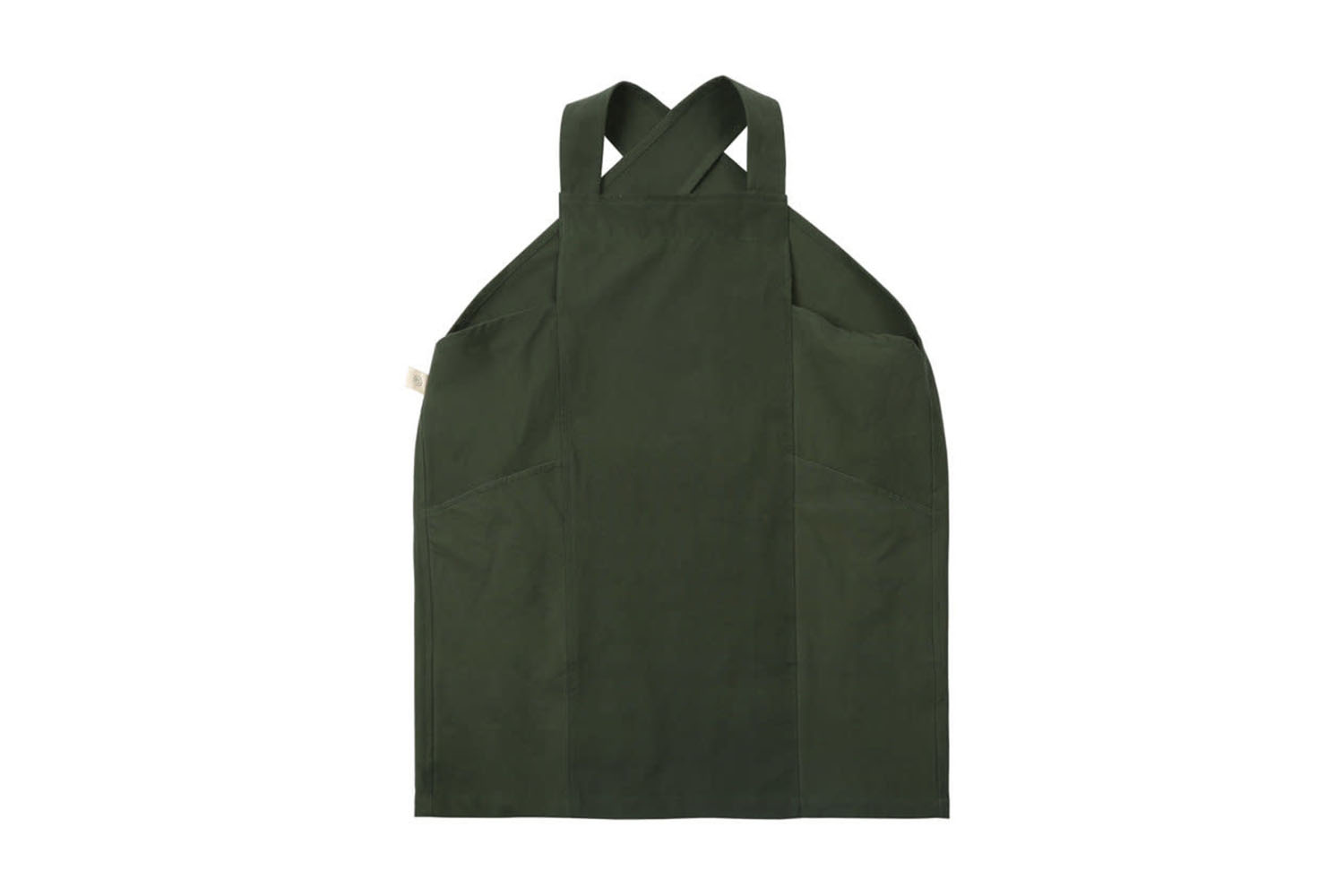
10. Fog Linen Over Apron (Best Japanese-Style Smock)
Fog Linen offers a Japanese-style over-apron that provides full back coverage. It’s thin yet tightly woven, making it ideal for those who want to protect their entire outfit—including their back—from flour or light dust.
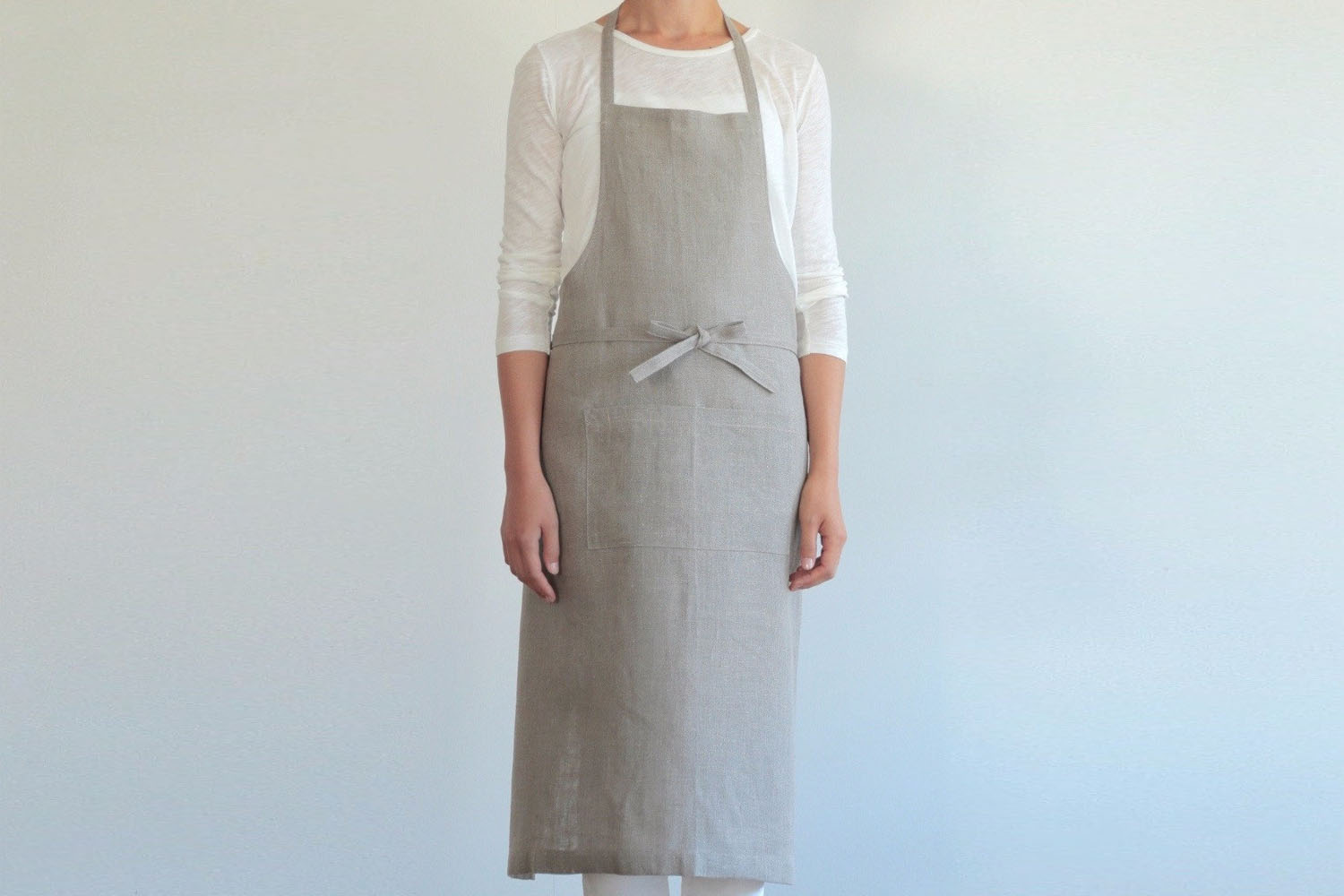
- Pros:
- Full-body protection.
- Very breathable for hot kitchens.
- Minimalist, chic look.
- Cons:
- No pockets on some models.
- Not protective against hot oil or sharp knives.
Maintenance Guide: How to Make Your Apron Last a Decade
Buying a high-quality apron is an investment, but it only pays off if you maintain it correctly. Different materials require vastly different care routines.
Cleaning Waxed Canvas: This is the most critical rule: Never machine wash waxed canvas. The agitation and hot water will strip the wax, leaving you with a limp, splotchy piece of fabric. Instead, use a soft-bristled brush to remove dried debris and spot-clean with a damp cloth and cold water. If the apron begins to lose its water-repellency after a year or two, you can "re-wax" it using a tin of Otter Wax and a hairdryer to melt it into the fibers.
Caring for Cotton & Denim: These are much more forgiving. However, to maintain the integrity of the 12oz weave, wash in cold water and tumble dry on low heat. High heat can cause the heavy cotton to shrink unevenly, which may warp the pockets or pull at the rivets.
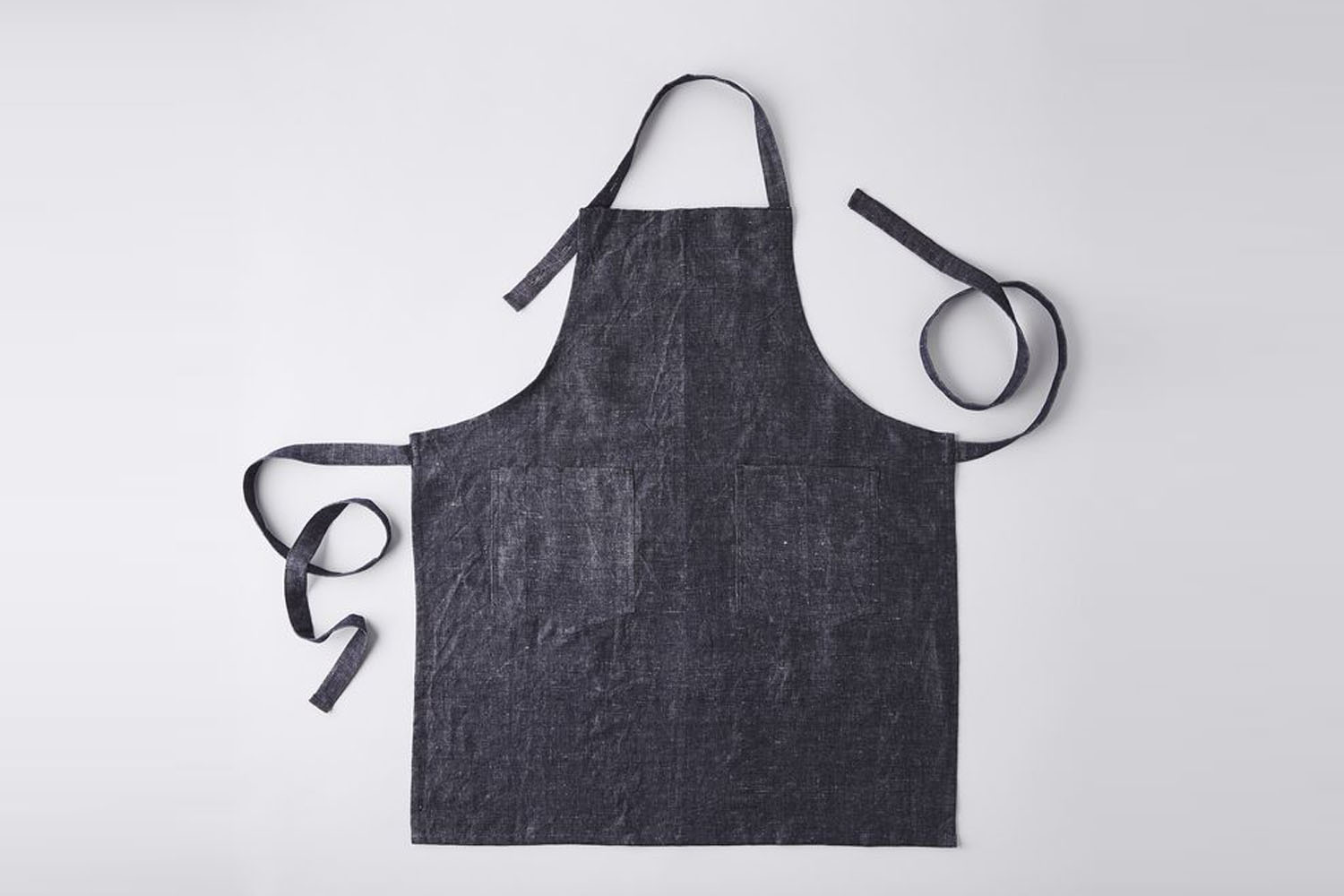
Linen Longevity: Linen is naturally hardy but prone to "setting" stains if they aren't treated. If you get a grease stain on your linen apron, treat it immediately with dish soap (which breaks down oil) before putting it in the wash.
FAQ
Q: Is a cross-back apron really worth the extra cost over a neck loop? A: Absolutely. If you spend more than 30 minutes at a time in the kitchen, the weight of a standard apron pulls on your neck, leading to slouching and fatigue. A cross-back design shifts that load to your shoulders, which are much better equipped to handle the weight of heavy canvas and kitchen tools.
Q: Can I wear a waxed canvas apron in a professional kitchen? A: Many chefs do, especially those in open-fire kitchens or butcher shops. However, be aware that waxed canvas does not "breathe" as well as standard cotton, so if you are working on a high-heat line, you may find it uncomfortably warm.
Q: How often should I wash my heavy-duty apron? A: For waxed canvas, almost never—only spot clean. For denim or heavy cotton, once every 5-10 uses is usually sufficient unless you have a major spill. Over-washing actually weakens the fibers over time.
Ready to Upgrade Your Kitchen Armor?
Choosing the right apron is about matching the tool to the task. If you’re a heavy-hitter who tackles big projects, the Carhartt Firm Duck or Hudson Waxed Canvas will serve you for a decade. If you prioritize comfort and style for daily meal prep, the Hedley & Bennett or Rough Linen options provide the perfect balance of form and function.
Stop settling for flimsy cotton that lets the heat and mess through. Invest in a utility apron that works as hard as you do.