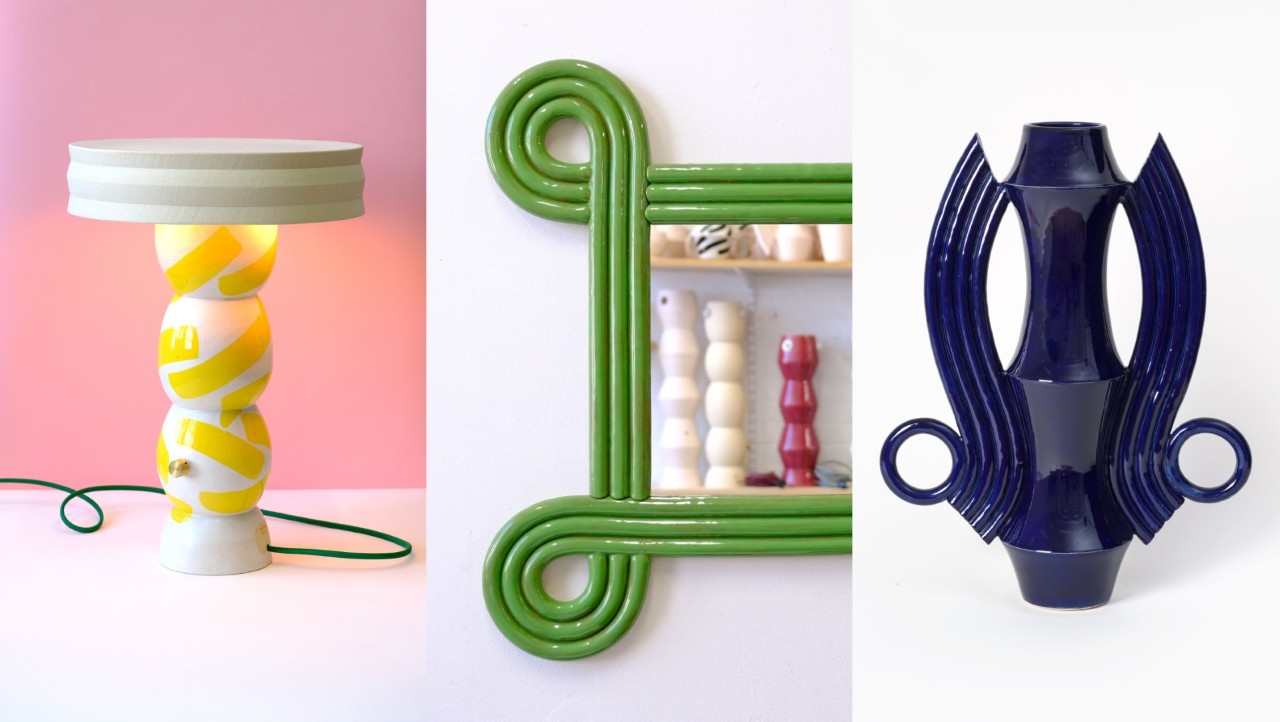
There was a time, not so long ago, when the "good china" lived behind glass doors, reserved for holidays and the occasional stiff dinner party. But as an editor who has spent years watching the ebb and flow of interior trends, I’ve noticed a seismic shift in how we relate to the objects on our tables. We are moving away from the cold perfection of mass-produced minimalism and toward what I like to call "functional sculpture." Recent home design trends support this, showing a 40% increase in demand for sculptural pieces that bridge the gap between fine art and everyday utility. Today’s sophisticated homeowner isn’t looking for a perfect 12-piece set; they are looking for a conversation.
At the center of this movement is the aptly named Beginner Ceramics. Despite its humble moniker, the brand is anything but novice. Their latest collection is a masterclass in technical precision disguised as playful, rhythmic art. From lamps that mimic the stacking of ancient stones to mirrors that loop like liquid cursive, Beginner Ceramics is redefining the modern interior by injecting movement into static objects. It’s part of a broader cultural pivot: over 75% of high-end tablescape enthusiasts now prioritize hand-finished stoneware over fine porcelain, valuing its durability and unique, non-uniform aesthetic over traditional formality.
The Rise of Functional Sculpture in Modern Decor
The allure of the "perfectly imperfect" has transformed our living spaces into curated galleries of the everyday. We no longer want our homes to look like a showroom; we want them to feel like a collection of stories. This is why sculptural ceramics have become the ultimate styling tool. They provide a tactile break from the flat, digital screens that dominate our lives.
Beginner Ceramics' new collection perfectly encapsulates this fusion of technical mastery and a playful, sculptural aesthetic. By transforming everyday objects like lamps and mirrors into rhythmic art pieces, they allow us to live with art, rather than just looking at it. Whether it's the weight of a hand-thrown vase or the way a ceramic lamp shade diffuses light, these pieces bring a "slow living" energy to the fast-paced modern home.
Spotlight: Beginner Ceramics’ New Sculptural Collection
The Endless Lamp: Rhythm and Scale
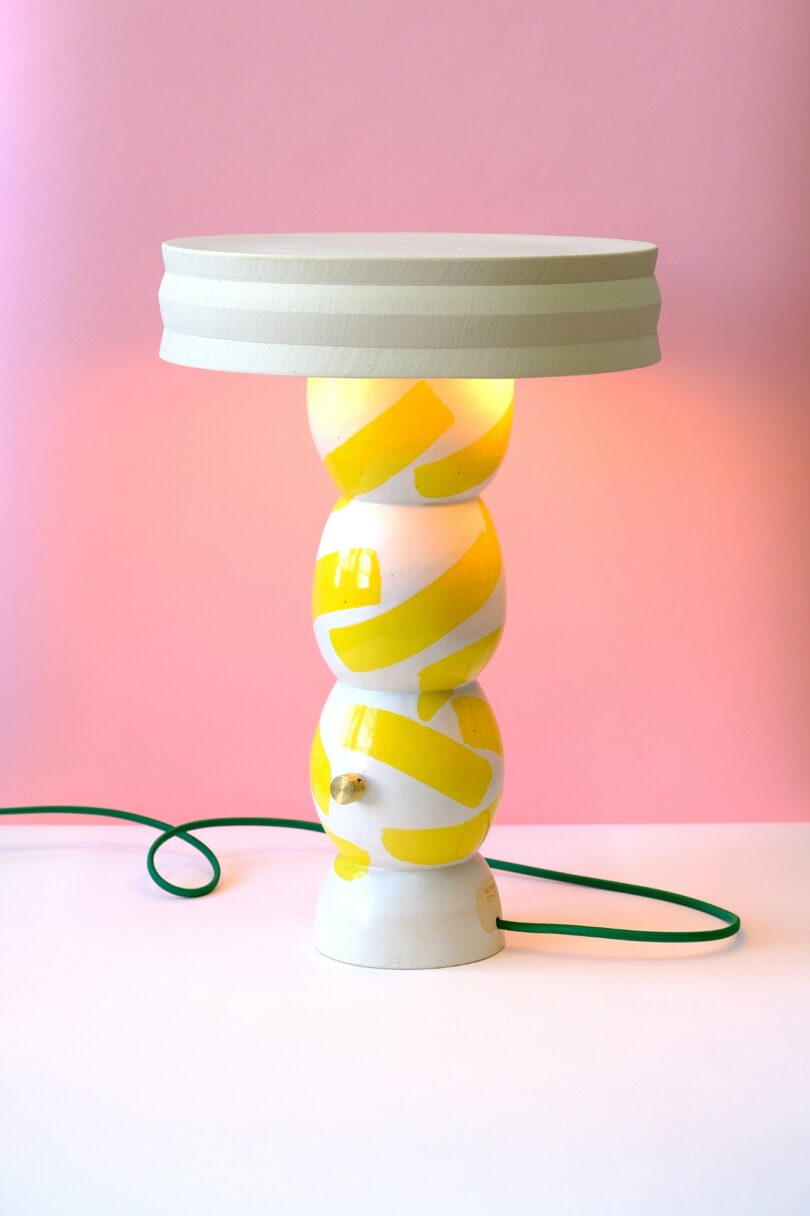
The standout of the new collection is undoubtedly the Endless Lamp. It’s an exercise in vertical rhythm, composed of hand-thrown ceramic sections that are double or triple-stacked to create varying heights. What I find most compelling as an editor is the contrast between the industrial precision of the brass dimmers and the soft, organic nature of the ceramic itself.
The unglazed shades are a stroke of genius. When lit, they emit a "linen-like glow" that softens the entire room, making the ceramic feel less like a heavy material and more like a translucent textile. It’s the kind of piece that commands a room without screaming for attention.

Looping Mirrors: Reflection as Movement
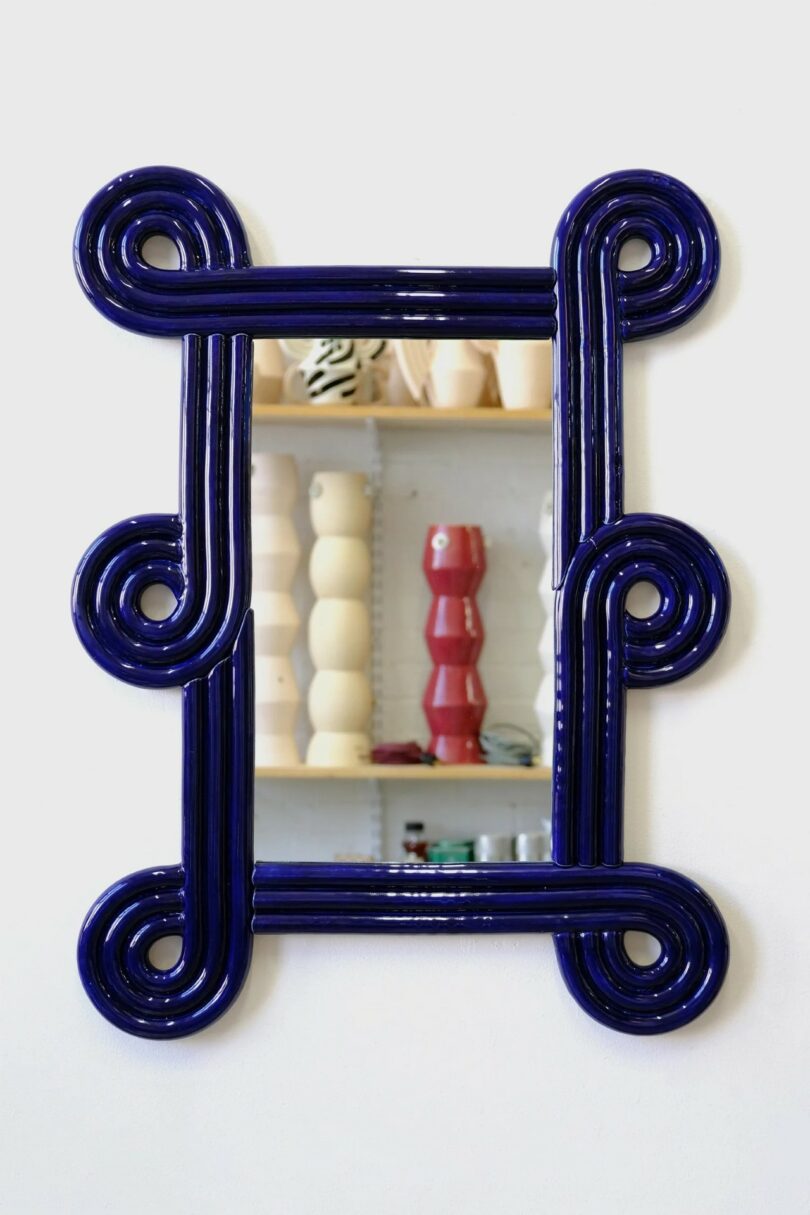
Mirror design often falls into two categories: the minimalist circle or the ornate gilded frame. Beginner Ceramics carves out a third path with their Looping Mirrors. These pieces feature hand-sculpted ceramic coils that wrap around the glass in fluid, continuous lines inspired by both Art Deco geometry and the elegance of cursive script.
What makes these mirrors an editor’s favorite is their adaptability. They offer custom sizing, allowing designers to play with scale. In a small entryway, a looping mirror acts as a jewel-box detail; in a larger living room, it becomes a dynamic focal point that suggests movement even in stillness.
The Dune Signal Vase: Geometric Mastery
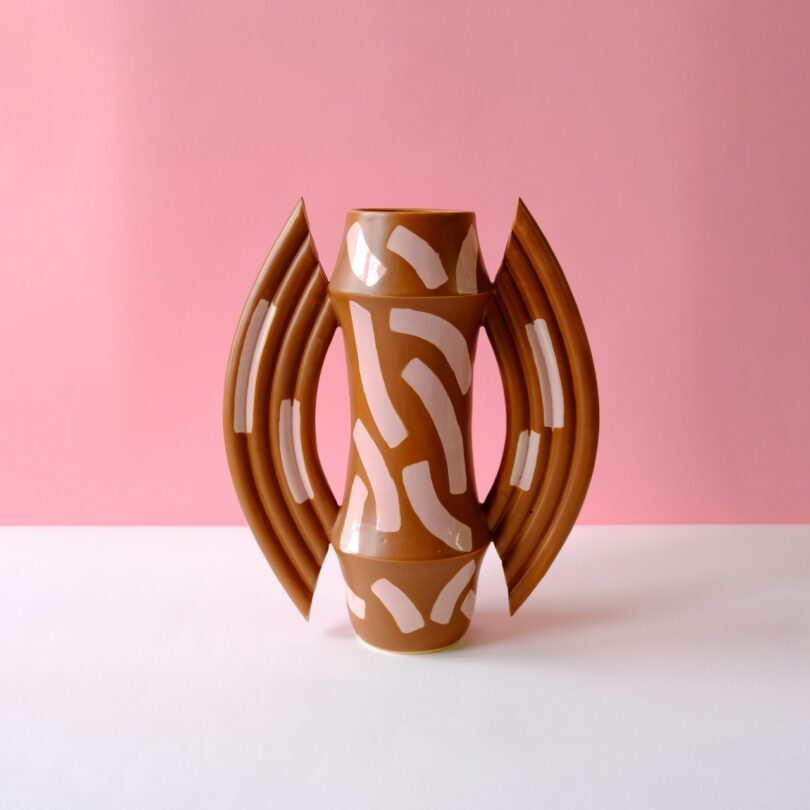
If you’re looking for a singular piece to anchor a dining table, the Dune Signal Vase is it. This piece is a sophisticated fusion of two distinct silhouettes: the "Dune," which features embracing handles that seem to hug the vessel, and the "Signal," which utilizes negative-space framing to create a geometric window through the piece.
The result is a vessel that looks different from every angle. It’s a study in shadows and layers. When styled with a single architectural branch or left empty, it serves as a tabletop sculpture that proves ceramics can be as complex as any bronze or marble work.

Essential Brands for a Sustainable, Sculptural Tablescape
While Beginner Ceramics sets the tone for sculptural decor, the modern table requires a layer of functional dinnerware to complete the look. The trend toward "artisan-made" extends into our plates and bowls, with a heavy emphasis on sustainability and ethical production.
East Fork: The Stoneware Staple
Based in Asheville, North Carolina, East Fork has become the gold standard for the modern, sculptural tablescape. They use locally sourced clay and a palette of earthy, season-less glazes that feel timeless yet contemporary.
- Best For: Everyday durability with a designer edge.
- Price: Approximately $192 for a set of 4 dinner plates.
- Made In: USA (Asheville, NC).
- The Vibe: Their "The Mug" has a cult following for a reason—it’s the perfect weight, with a thumb rest that feels custom-molded to your hand.
Sustainable & Handcrafted Alternatives
To help you curate your perfect collection, I’ve put together a guide to the brands currently dominating the artisan ceramic space.
| Brand | Best For | Made In | Price Point |
|---|---|---|---|
| Year & Day | Rimless, California-cool dinner plates | Portugal | $70/set of 4 |
| Jono Pandolfi | Michelin-starred restaurant aesthetics | USA (NJ) | $150+ |
| Fable | Minimalist, eco-friendly stoneware | Portugal | Mid-range |
| Tory Burch | Maximalist 'Lettuceware' & hand-painted earthenware | Global Artisans | Luxury |
| GOODEE | Ethically sourced, social-impact decor | Various | Varies |
Editor’s Tip: Don't be afraid to mix brands. The beauty of the modern table is its lack of uniformity. Pair a Jono Pandolfi bowl with an East Fork plate to create a "collected" rather than "purchased" look.
Styling Your Tablescape: How to Layer Sculptural Pieces
Styling sculptural ceramics is an art of balance. Because these pieces have so much personality, the key is to layer them in a way that feels intentional rather than cluttered.
1. Mixing Textures: Glossy vs. Matte
The most successful tablescapes play with light. I love pairing a matte, unglazed piece—like a Beginner Ceramics vase—with the glossy finish of an "Alaska Bowl" from Fable. The matte surface absorbs light, creating depth, while the glossy glaze reflects it, adding a touch of polish.
2. Contrast in Form
If you have a bold, looped mirror or a large Dune Signal vase nearby, keep your dinnerware silhouettes simple. Use rimless plates (like those from Year & Day) to provide a clean horizontal plane that allows the vertical sculptures to shine.
3. Color Palettes: Earthy vs. Pop-Art
While earthy tones (terracotta, moss, sand) are the safe bet for a timeless look, we are seeing a move toward "pop-art" ceramics. Don't be afraid of high-contrast stripes or vibrant coral and pink stacks. A bold, striped pitcher can act as the "exclamation point" on a table filled with neutral stoneware.
FAQ
Why is stoneware preferred over fine porcelain for modern tablescapes? Stoneware is fired at higher temperatures, making it incredibly durable and chip-resistant. Unlike porcelain, which is prized for its uniform white appearance, stoneware often features natural variations in the clay and glaze, giving each piece a unique, artisan feel that aligns with the "functional sculpture" trend.
How do I clean unglazed ceramic pieces? Unglazed or "bisque" ceramics are beautiful but more porous than glazed pieces. For lamps and mirrors, a simple dry microfiber cloth is best. For vases, avoid letting water sit on the exterior for long periods, and use a damp cloth with mild soap for any spots.
Are these sustainable ceramic brands worth the investment? Yes. Brands like East Fork and Fable prioritize ethical labor practices and locally sourced materials. Because these pieces are handcrafted and fired to be durable, they last significantly longer than mass-produced ceramic alternatives, reducing waste over time.
Ready to transform your home into a living gallery? Whether you start with a single Looping Mirror or a full set of East Fork stoneware, remember that the most beautiful homes are those that reflect the hand of the maker.