The New Era of Conscious Dining
As we move into 2026, the concept of a "green kitchen" has evolved far beyond simply swapping plastic wrap for beeswax. We are witnessing a fundamental shift toward circular dining ecosystems—a holistic approach where every object on our table tells a story of resource mindfulness, durability, and aesthetic joy. For the modern homeowner, the goal is no longer just "zero-waste" but "positive-impact." This means choosing products that don't just "do less harm," but actively contribute to a more efficient, beautiful home.
When readers ask me about the best sustainable glassware brands for the coming year, I point them toward a dual-path strategy: whimsical, soul-stirring designs from innovators like Ursula Futura for daily inspiration, and industrial-grade borosilicate legends like Borosil and Pyrex for unmatched longevity. Choosing these brands isn't just a design choice; it's a commitment to the "buy once, buy well" philosophy that defines 2026.
Current projections indicate that sustainable dining practices—including zero-waste kitchen management and hyper-local sourcing—will be the leading trend in top-tier restaurants through 2026. As these professional standards migrate into our homes, the tools we use must bridge the gap between high-performance utility and environmental stewardship. From glassware that resists thermal shock to clever systems that repurpose every drop of household water, the following picks represent the pinnacle of innovative, eco-friendly living.

1. Whimsical Artistry: Ursula Futura Colorful Glassware
For years, "sustainable" was often synonymous with "beige." We were told that to be eco-conscious, our homes had to reflect a muted, monastic palette. Ursula Futura is effectively shattering that stereotype. Their glassware collection is an explosion of pure happiness, featuring wavy silhouettes, dreamy gradients, and architectural forms that feel like functional art.
What makes Ursula Futura a standout for a sustainable table isn't just the aesthetic—it’s the material science. By utilizing high-quality borosilicate glass, they create pieces that are significantly more resistant to thermal shock than traditional soda-lime glass. This means your vibrant, wavy tumbler can handle an iced coffee or a boiling tea without the risk of cracking, extending its lifecycle by years.
Styling Tips for the Modern Table:
- Layer the Hues: Don't be afraid to mix "Cosmic Pink" with "Deep Sea Green." The transparency of the glass keeps the table feeling light rather than cluttered.
- The Daily Ritual: Use these pieces for more than just water. They serve beautifully as bud vases for foraged greens or as vessels for morning parfaits.
- The Power of Borosilicate: Remember that durability is a pillar of sustainability. By choosing glass that survives the occasional bump or extreme temperature change, you are reducing the carbon footprint associated with frequent replacements.
Lucas’s Pro Tip: "Eco-anxiety is real, but our homes should be a sanctuary from it. Choosing 'joy-forward' sustainable pieces like these reminds us that a greener future can—and should—be more vibrant than the present."
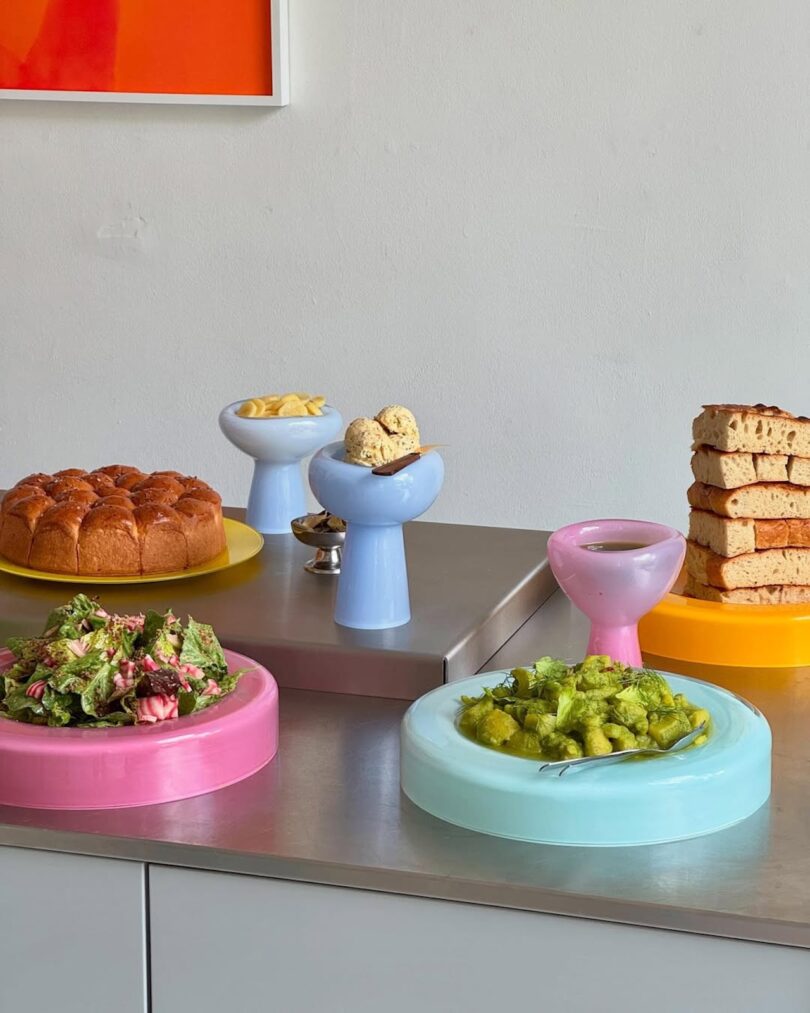
| Feature Box: Ursula Futura | Details |
|---|---|
| Eco-Impact | Uses highly durable borosilicate glass; reduces replacement frequency; artisan-made to prevent mass-production waste. |
| Design Highlights | Whimsical "wavy" silhouettes; vibrant, non-toxic hues; heat-resistant and dishwasher safe. |
2. Circular Luxury: Annieglass Elements Collection
Luxury and sustainability often feel like opposing forces, but Annieglass has found a way to bridge the gap with their "Elements" collection. The innovation here is brilliant in its simplicity: they take the recycled glass scrap from their mainline production and transform it into patented appetizer trays, trivets, and bowls.
The "Elements" collection features organic, raw edges that celebrate the material's origins. Some pieces are even accented with 24kt gold or platinum flakes, proving that recycled materials can hold a seat at the most formal dinner tables. When you host with Annieglass, you aren't just serving food; you’re showcasing a literal piece of the circular economy.
The manufacturing process is equally impressive. Annieglass uses a "slumping" technique where glass is melted over handmade ceramic molds in high-heat kilns. This process is energy-intensive, which is why the brand’s commitment to using every single ounce of "scrap" glass is so vital for their carbon-offsetting goals.
3. The 'Buy Once' Standard: Borosil & Pyrex Heavy-Duty Essentials
While colorful glassware provides the "soul" of the table, heavy-duty borosilicate provide the "skeleton." For 2026, we are seeing a massive resurgence in using lab-grade glassware—like Borosil 3.3 and Pyrex Griffin beakers—in the kitchen. These are the ultimate eco-choices because they are virtually indestructible under normal household conditions.
The technical secret lies in the coefficient of expansion. Borosilicate glass expands very little when heated, which is why it can go from a freezer to a preheated oven without shattering. From an energy editor's perspective, this versatility is key. One set of Borosil containers can act as your prep bowls, baking dishes, and leftover storage, eliminating the need for three separate sets of lower-quality products.
Why Industrial-Grade is the Sustainable Choice:
- Mechanical Shock Resistance: It survives the accidental "clink" against a granite countertop that would shatter cheaper glass.
- Chemical Purity: Borosilicate is non-porous and lead-free, ensuring that no chemicals leach into your food over decades of use.
- Endless Recyclability: While hopefully you never have to, borosilicate remains one of the most recyclable glass forms when processed correctly.
Glassware Comparison Table
| Brand | Primary Material | Best For | Sustainability Edge |
|---|---|---|---|
| Ursula Futura | Borosilicate | High-design, daily joy | Longevity + Aesthetic value |
| Borosil | 3.3 Borosilicate | Meal prep, heavy cooking | Industrial durability; "Buy Once" |
| Annieglass | Recycled Glass | Formal hosting, luxury | 100% circular use of production scraps |
4. Resource Revolution: SEVAS Water Catcher
Sustainability at the dining table doesn't actually start at the table—it starts with the resources required to maintain the home. One of the most overlooked "leaks" in our home efficiency is water waste. This is where the SEVAS Water Catcher enters the dining cycle in a surprisingly direct way.
How often do you run the shower, waiting for the water to get warm? Most of us let liters of perfectly clean, potable water slip down the drain. The SEVAS Water Catcher is a beautifully designed vessel designed to "catch" that initial cold water. Documentation shows that an average household can save up to 1,800 liters of clean water annually simply by repurposing this "warm-up" water.
In a conscious home, this saved water becomes the lifeblood of the dining experience. Use it to fill your tabletop water carafes (after a quick filter), water the windowsill herbs that season your meals, or rinse the organic produce you just brought home from the farmer's market. It turns a passive waste stream into an active resource for your kitchen.
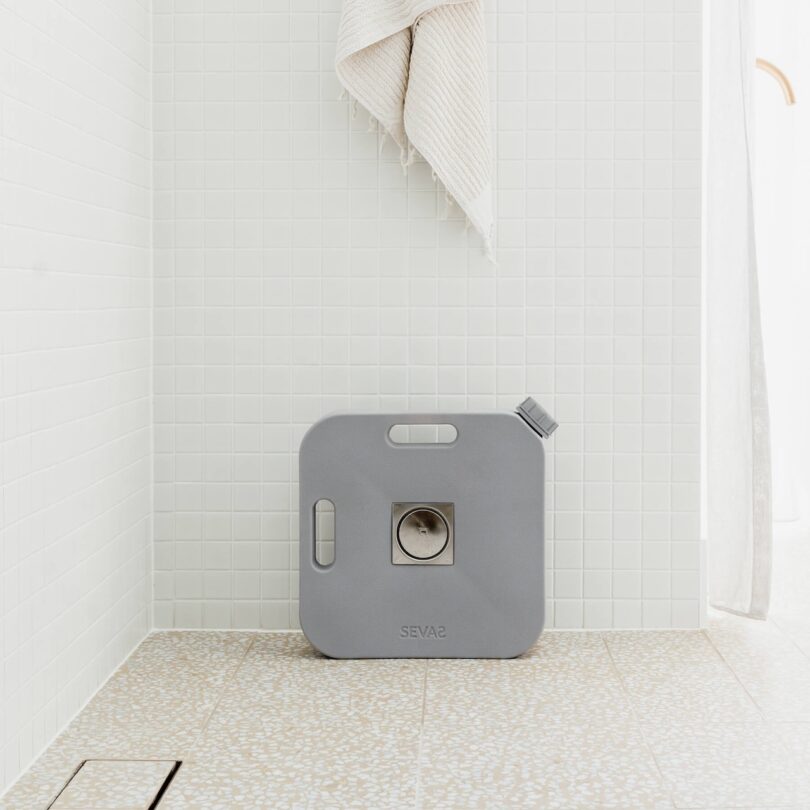
| Feature Box: SEVAS Water Catcher | Details |
|---|---|
| Eco-Impact | Saves 1,800+ liters of water annually per household; reduces municipal water processing energy. |
| Design Highlights | Minimalist aesthetic that fits modern bathrooms/kitchens; easy-pour spout for garden or kitchen use. |
5. Zero-Waste Aftercare: MUSEWASH Laundry Detergent Sheets
A sustainable table often features beautiful linen napkins and cotton runners—a great alternative to disposables. However, cleaning those linens often involves bulky plastic jugs of detergent that are 90% water and 10% harsh chemicals. To truly close the loop on a sustainable dining experience, we have to look at the aftercare.
MUSEWASH Laundry Detergent Sheets are the 2026 gold standard for textile care. These are plant-based, biodegradable, and completely plastic-free. Unlike liquid detergents, these sheets are lightweight, drastically reducing the carbon footprint of shipping.
What I love about MUSEWASH specifically is their attention to "luxury eco." They offer sophisticated scents and formulas that are gentle enough for high-end table linens but powerful enough to strip away red wine or oil stains. By switching to sheets, you eliminate the plastic waste of the jug and the water-waste of the liquid formula.
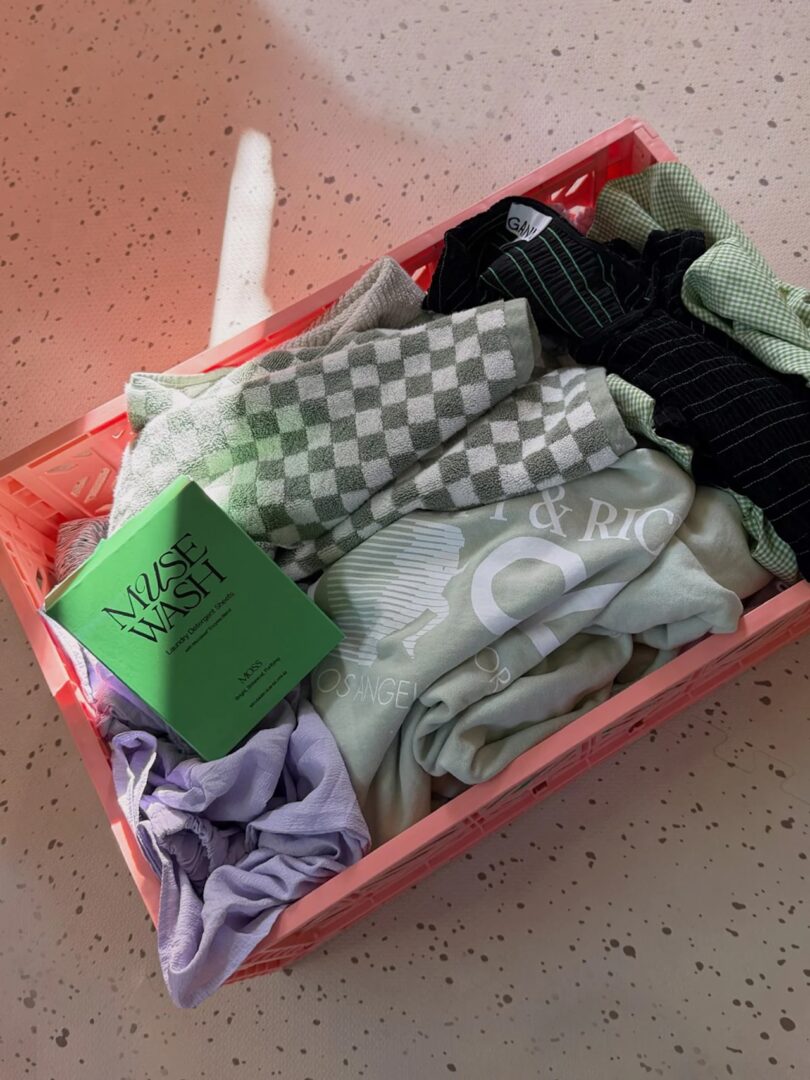
The MUSEWASH Advantage:
- Zero Plastic: Packaged in compostable cardboard.
- Space Saving: One small box replaces a massive, heavy jug.
- Cruelty-Free: 100% vegan ingredients that are safe for sensitive skin and the planet.
FAQ: Building Your Sustainable Table
Are laundry detergent sheets as effective as liquid for heavy stains? Yes, modern formulations like those from MUSEWASH use concentrated plant-based enzymes that are highly effective at breaking down organic stains (like food and wine) even in cold water, which further saves energy.
Why is borosilicate glass more sustainable if it's harder to manufacture? While the initial energy used to create borosilicate is higher, its lifespan is significantly longer. A single borosilicate glass can outlast five soda-lime glasses, meaning its total lifecycle carbon footprint is much lower.
How does a water catcher help with my "dining" sustainability? By repurposing shower water for your kitchen herb garden or produce rinsing, you are reducing your home's total water demand. In 2026, resource management is the foundation of a truly sustainable lifestyle.
Conclusion: The Ripple Effect of Conscious Choices
Creating a sustainable table is not about perfection; it’s about choosing products that respect the resources used to make them. Whether it’s the whimsical joy of Ursula Futura glassware that you’ll keep for decades, or the SEVAS Water Catcher that turns a hidden waste stream into a garden-growing asset, these picks represent the future of the eco-friendly home.
As we look toward 2026, remember that your purchasing power is a vote for the kind of world you want to live in. By investing in quality, circularity, and innovation, you aren't just setting a table—you're setting a standard for a more resilient and beautiful way of life.