There is a specific, rhythmic sound that defines a well-loved kitchen: the rhythmic thwack-thwack-thwack of a chef’s knife against a heavy wooden block. For many of us, this sound is a sensory bridge to childhood—watching a parent mince garlic or slice sourdough for a Sunday lunch. In the world of high-end interior design, we often talk about "performance" and "efficiency," but we rarely talk about the soul of the tools we use.
As we look toward the design trends of 2026, there is a palpable shift away from the sterile, plastic-heavy modularity of the last decade. We are craving materials that have lived a life before they reached our countertops. This is precisely why the collaboration between the Italian stainless-steel masters at Abimis and the artisanal craftsmanship of Duylo feels so revolutionary. The resulting Abimis Legni collection isn't just a set of accessories; it’s a reimagining of kitchen prep as a mindful ritual. Crafted entirely from 100% reclaimed wood, this series—featuring the Scacchi chopping blocks, Torre storage crates, and Shanghai utensils—proves that sustainability and professional-grade luxury are no longer mutually exclusive.
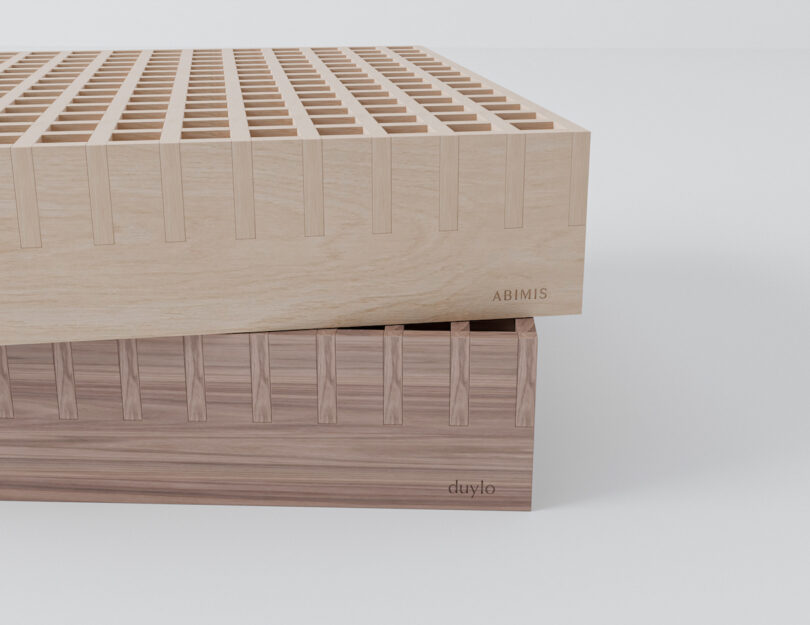
Sustainable Sophistication: The Materials Behind the Design
In my years as a decor editor, I’ve seen the pendulum swing from granite to quartz, and from chrome to matte black. But in 2026, the ultimate luxury is "honesty" in materials. We are witnessing a mass exodus from synthetic polymers and chemically processed bamboo. The reason? A growing awareness of food safety and environmental impact.
The Abimis Legni collection stands at the forefront of this movement by utilizing 100% reclaimed ash, walnut, and oxidized oak. Unlike standard hardwood tools that require fresh timber harvesting, or "eco-friendly" bamboo that often relies on toxic glues and high-carbon shipping routes, the Legni series gives a second life to discarded timber.
Quick Fact: Environmental Impact The Abimis Legni collection is manufactured using 100% reclaimed wood, significantly reducing the carbon footprint compared to standard hardwood or chemically processed bamboo utensils. By choosing reclaimed materials, the production cycle minimizes waste and avoids the intensive energy consumption associated with logging and seasoning new wood.
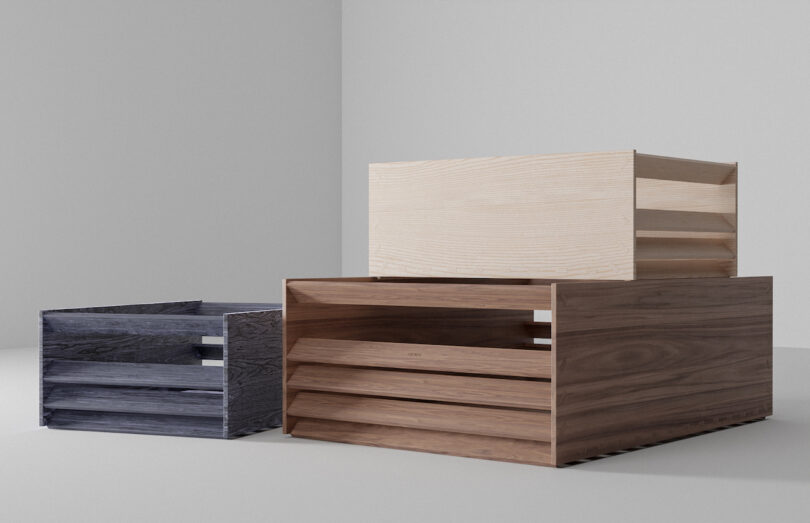
The aesthetic result of using reclaimed wood is a rich, variegated palette of natural tones. Oxidized oak offers a deep, moody charcoal hue that feels grounded and ancient, while the walnut provides those warm, honeyed mid-tones that make a kitchen feel like a home rather than a laboratory.
A Deep Dive into the Legni Collection Components
When Abimis approached Duylo, the goal was to create a "total look" for the kitchen that balanced the cool, industrial precision of their signature stainless steel with the tactile warmth of wood. The collection is divided into four distinct "architectural" elements for the kitchen.
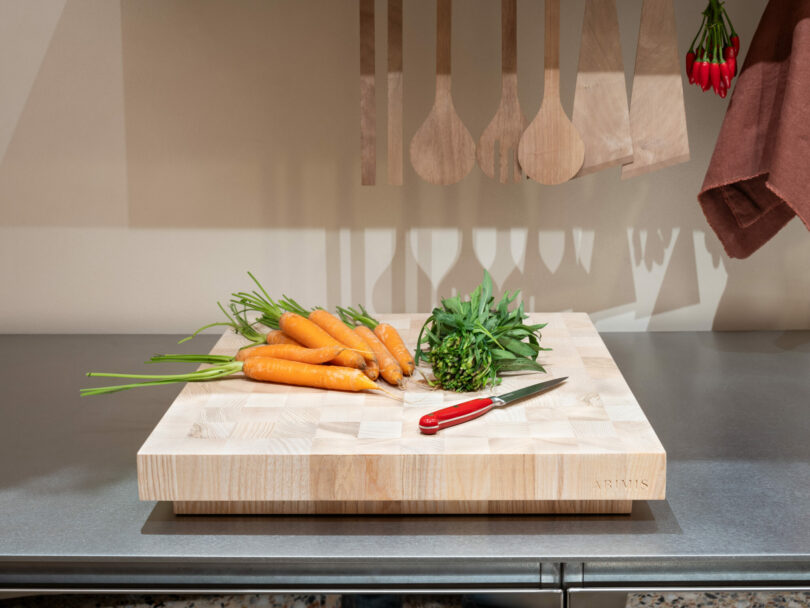
Domino & Scacchi: The Art of the Board
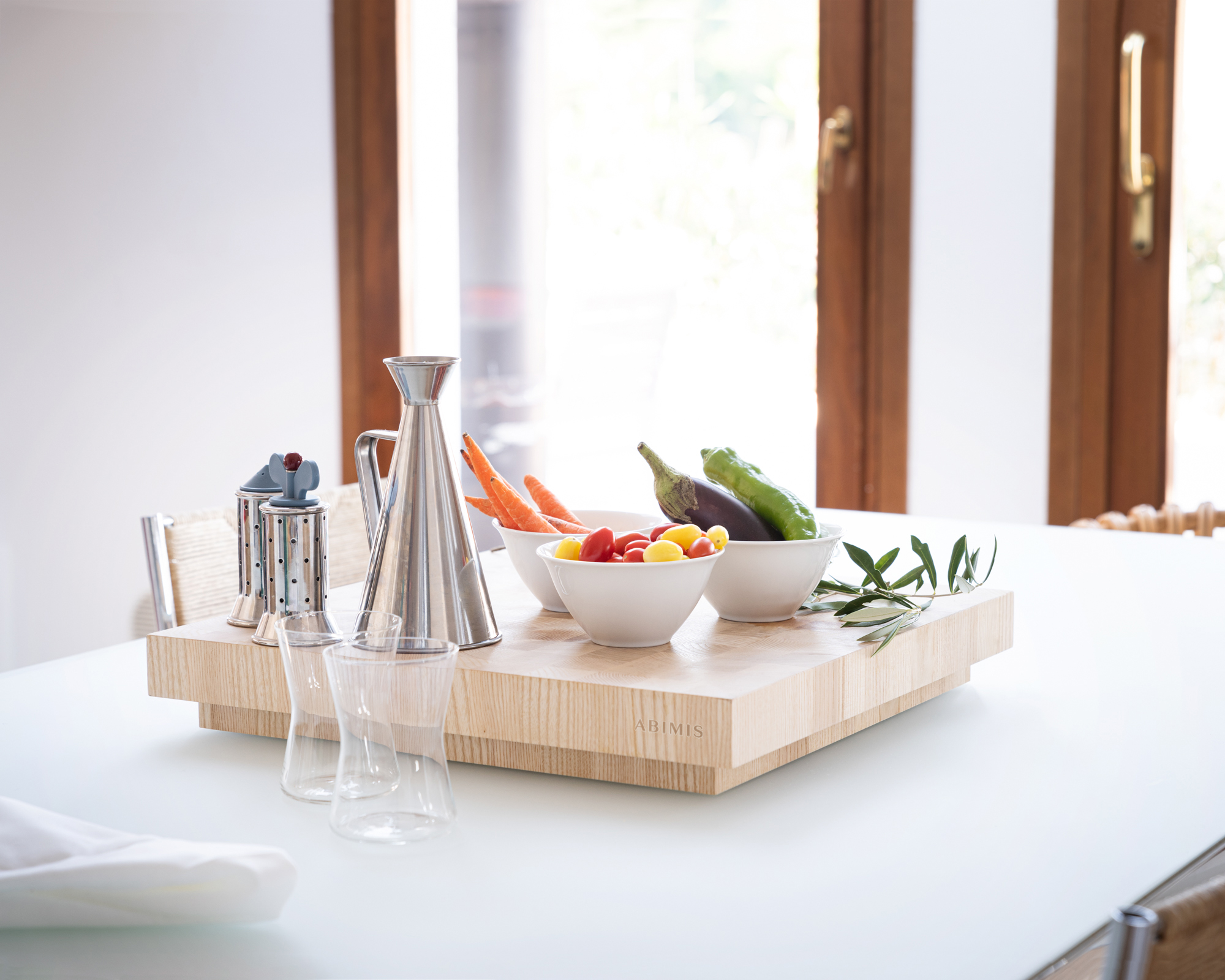
Forget the flimsy plastic mats that warp in the dishwasher. The Domino and Scacchi boards are the heavyweights of this collection. The Scacchi (Italian for "chess") boards are particularly striking, featuring a mosaic-like pattern inspired by a chessboard.
- Ergonomics: Each board features deep-milled recesses that make them easy to lift from a flat surface—a small detail that professional chefs and home cooks alike will appreciate.
- Dual-Purpose Design: These aren't meant to be hidden in a cupboard. They are designed to transition seamlessly from a high-performance prep station to an elegant serving tray for charcuterie or artisanal breads.
Torre: The Architecture of Organization
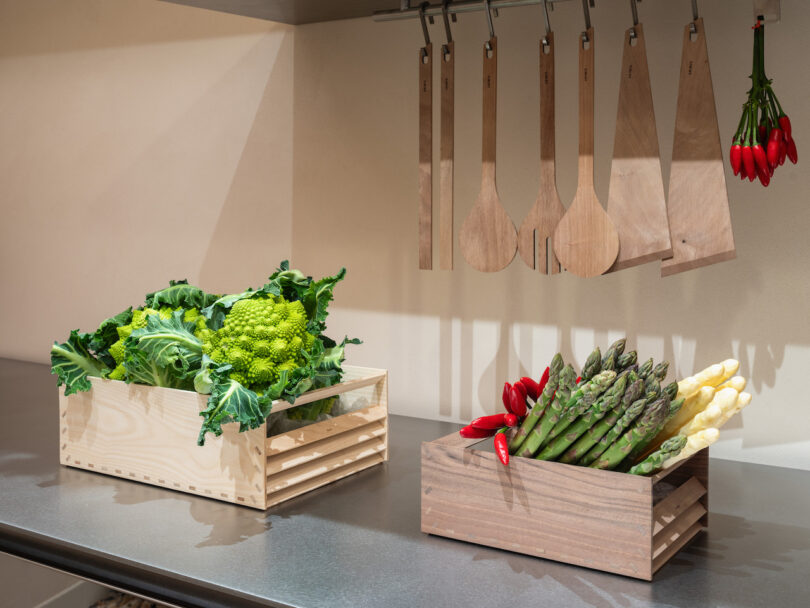
The Torre (Tower) system addresses one of the biggest grievances in modern kitchen design: "countertop creep." We all have those miscellaneous piles of lemons, garlic bulbs, and tasting spoons that clutter our workspace.
The Torre crates are modular and stackable, creating a "vertical landscape." Made from the same reclaimed ash and walnut, they allow you to organize your produce or tools upward rather than outward. It’s a solution that feels architectural rather than merely functional.
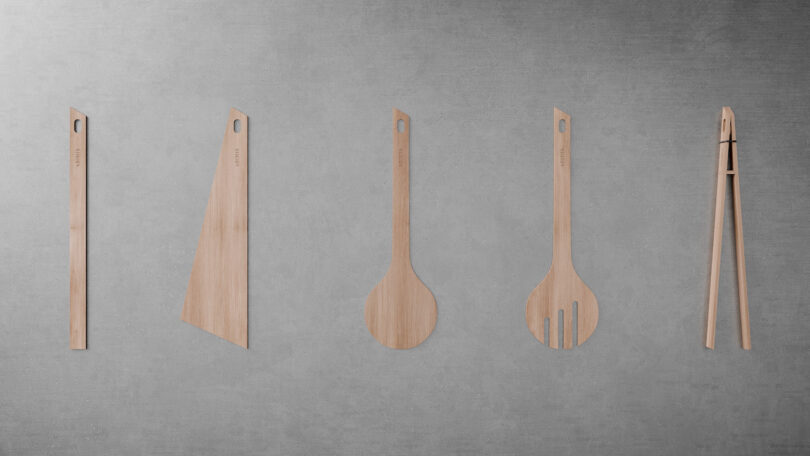
Shanghai: The Multi-tool Masterclass
Perhaps the most "playful" part of the collection is the Shanghai series of utensils. Carved from solid walnut, these tools feel like an extension of the hand.
- The Tongs: Precision-balanced for turning delicate scallops.
- The Spatula: Angled for maximum surface contact.
- The Turner: Designed with a specific geometry to prevent pots from boiling over—a clever nod to traditional kitchen wisdom reimagined through modern design.
Small Space Mastery: The Tangram Sink Accessories
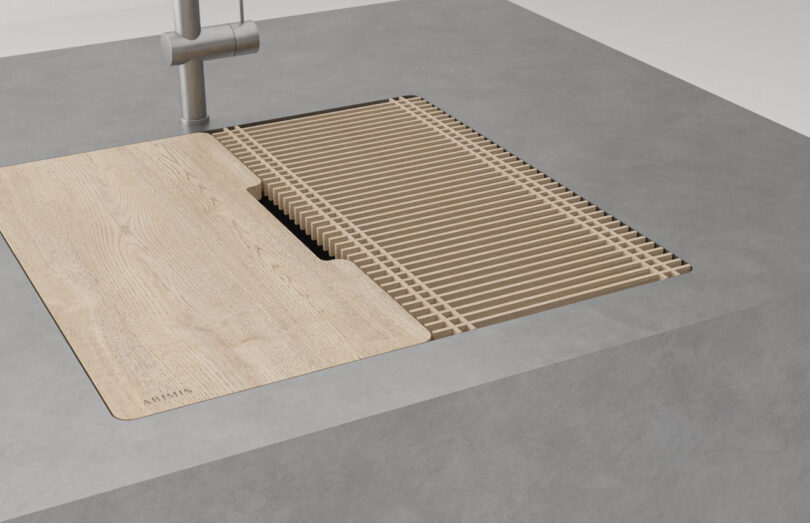
As an editor, I am constantly asked how to make a small urban kitchen "work." Not everyone has a twenty-foot island. This is where the Tangram series becomes an essential 2026 investment.
The Tangram accessories are designed to integrate directly with the sink area, turning what is usually "dead space" into a high-functioning prep zone. By using sliding chopping blocks and modular drainers that sit flush with the sink rim, you effectively expand your usable surface area.
Expert Insight: Space Efficiency Internal design metrics for the Tangram series demonstrate a 25% increase in usable workspace for compact kitchens. By moving the heavy prep work (chopping, washing, and draining) over the sink basin, the surrounding countertops remain clear for assembly and cooking.
Why Wood is the Superior Choice for 2026
Beyond the aesthetic allure, there is a scientific justification for the return to wood. For years, plastic was marketed as "more hygienic," but modern testing suggests the opposite.
- Natural Antimicrobial Properties: Hardwoods like the walnut and oak used by Abimis contain tannins and other natural compounds that inhibit bacterial growth. While plastic develops deep knife grooves that trap bacteria and microplastics, wood has a natural ability to "heal" and fight off pathogens.
- Heat Resistance: Unlike silicone or nylon, which can leach chemicals when exposed to high temperatures, walnut utensils remain inert and cool to the touch.
- Longevity & Patina: A plastic tool is designed to be replaced. A Legni tool is designed to be seasoned. With a simple ritual of hand-washing and the occasional rub of food-grade mineral oil, these tools develop a patina that tells the story of your kitchen over decades.
Conclusion: Investing in the Rhythm of the Kitchen
The Abimis Legni collection represents a significant moment in modern Italian wood kitchen design. It honors the professional heritage of Abimis’s stainless steel origins while embracing the warmth and soul of Duylo’s reclaimed timber.
Choosing these tools is an act of intentionality. It is about deciding that the twenty minutes you spend prepping dinner should be as beautiful and tactile as the meal itself. In a world of disposable gadgets, the Legni series reminds us that the best tools are those that respect the past and protect the future.
FAQ
Q: Is reclaimed wood safe for raw meat prep?
A: Yes, provided you use the proper wood species. The oxidized oak and ash used in the Legni collection are dense hardwoods. While many chefs prefer to use one side of the board for produce and the other for proteins, the natural antimicrobial properties of these woods make them a safe, non-toxic choice.
Q: How do I maintain the finish of my Abimis Legni tools?
A: Never put them in the dishwasher. The high heat and harsh detergents will strip the natural oils and cause warping. Simply hand-wash with mild soap, dry immediately, and apply a food-safe wood conditioner or mineral oil once a month to keep the grain vibrant and sealed.
Q: Can the Tangram accessories fit any sink?
A: While the Tangram series is optimized for Abimis's professional-grade stainless steel sinks, the modular nature of the chopping blocks allows them to be used on any standard countertop. However, for the full 25% space-saving benefit, they are best paired with integrated sink systems.