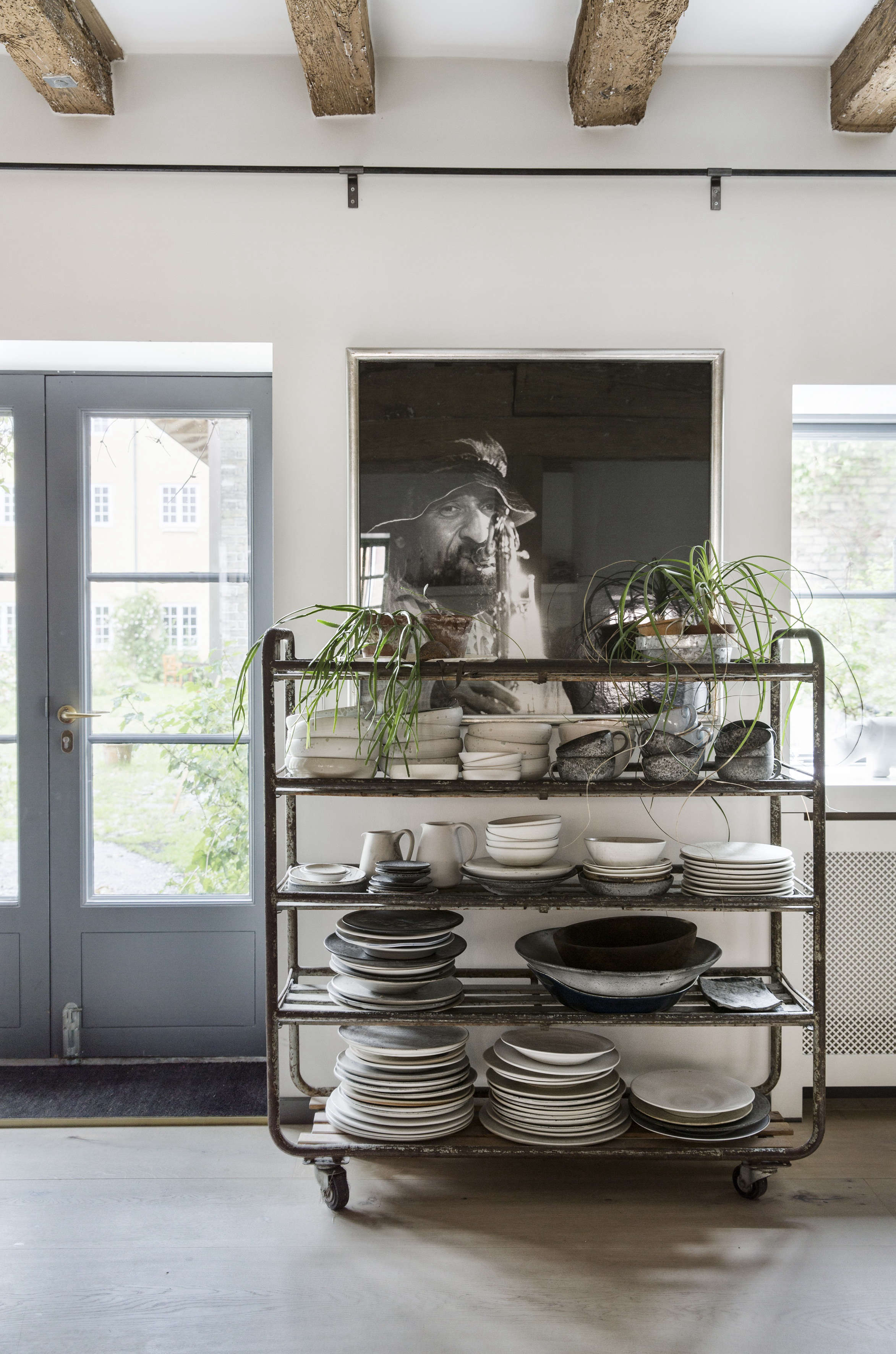
For years, the gold standard of the dining room was the rigid, 12-piece porcelain set—a uniform army of plates that signaled "adulthood" but often lacked soul. Today, that script is being flipped. We are witnessing a definitive shift toward the "Art of the Find," where the most enviable tablescapes are those that tell a story of provenance, travel, and personal taste. Recent market trends highlight this movement, with a staggering 65% increase in searches for "mismatched dinnerware" as home decorators move away from mass-produced uniformity in favor of curated, single-piece collections.
The modern "lived-in" table isn't about chaos; it’s about a deliberate, eclectic harmony. It’s the difference between a room that looks like a showroom and one that feels like a home. By embracing pieces from antique markets, independent studios, and legacy brands, you create a narrative of your own life. This approach allows your dining space to evolve, much like a gallery wall, where each addition brings a new texture or memory to the mix.
The 'Stacked Plates' Trend: From Professional Kitchen to Home Decor
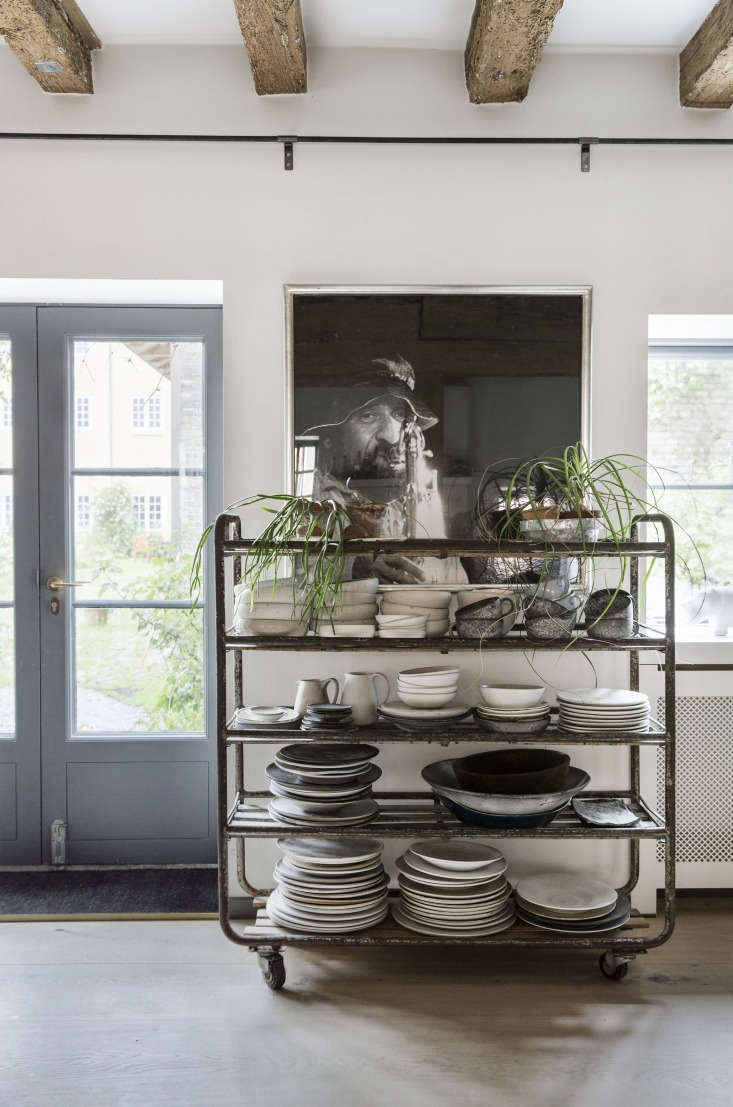
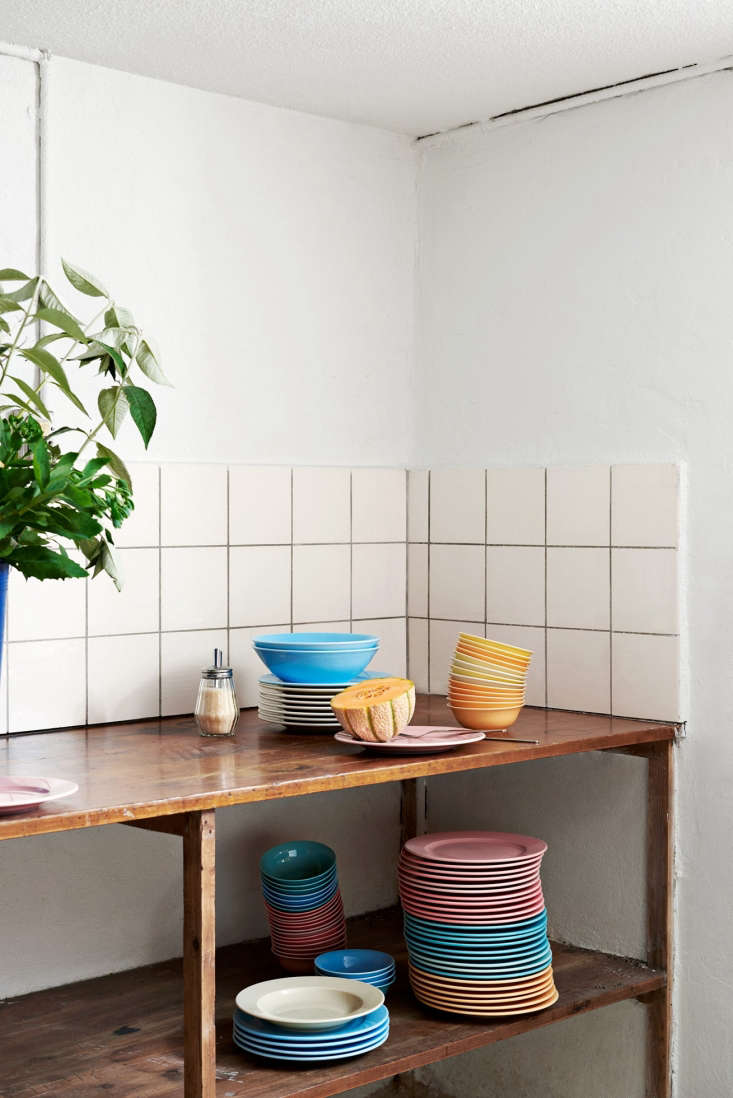
One of the most visually arresting ways to display these collections is through the "stacked plates" trend. Inspired by the raw, high-energy atmosphere of professional restaurant service stations, this trend involves piling ceramics in tall, intentional towers on open carts, sideboards, or even deep windowsills. It moves dinnerware from the darkness of a closed cabinet to the forefront of the kitchen’s visual identity.
So, what exactly is the "stacked plates" trend? At its core, it is the practice of displaying ceramics in high, visible piles to create a casual yet functional decor statement. It transforms everyday utility into a sculptural element. Design surveys indicate that 4 out of 5 professional chefs prefer this "tower stacking" method. Why? Because it strikes a perfect balance between aesthetic charm and high-volume efficiency. When the plates are out in the open, they are easy to grab during a dinner party and even easier to admire when the kitchen is quiet.
Placement is key to making this look intentional rather than cluttered. Consider a vintage bar cart repurposed as a ceramic station, or a thick oak floating shelf that can handle the weight of heavy stoneware. By stacking different sizes and colors, you create a dynamic sense of movement that feels both professional and approachable.
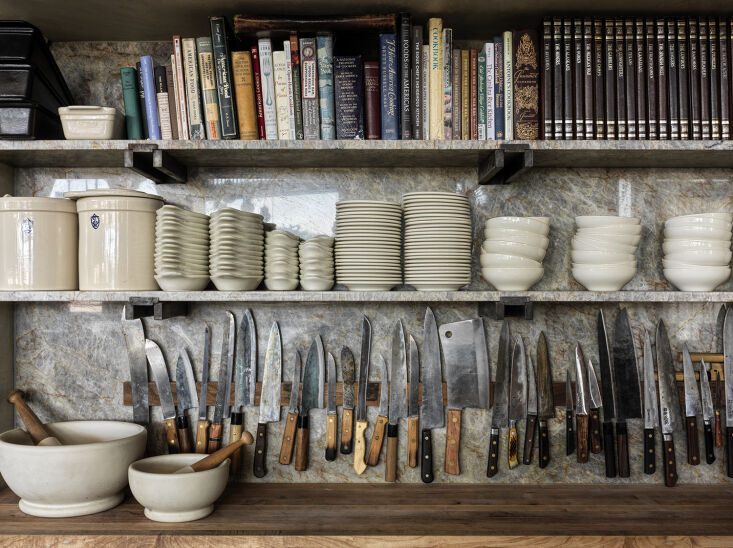
Pro-Tip: The Chef's Edge When stacking, place the largest platters at the bottom to create a stable "foundation." Professional chefs often alternate between slightly different sizes in a single stack to create "tabs" or edges that make individual plates easier to lift during a busy service.
3 Golden Rules for Curating Mix-and-Match Plates
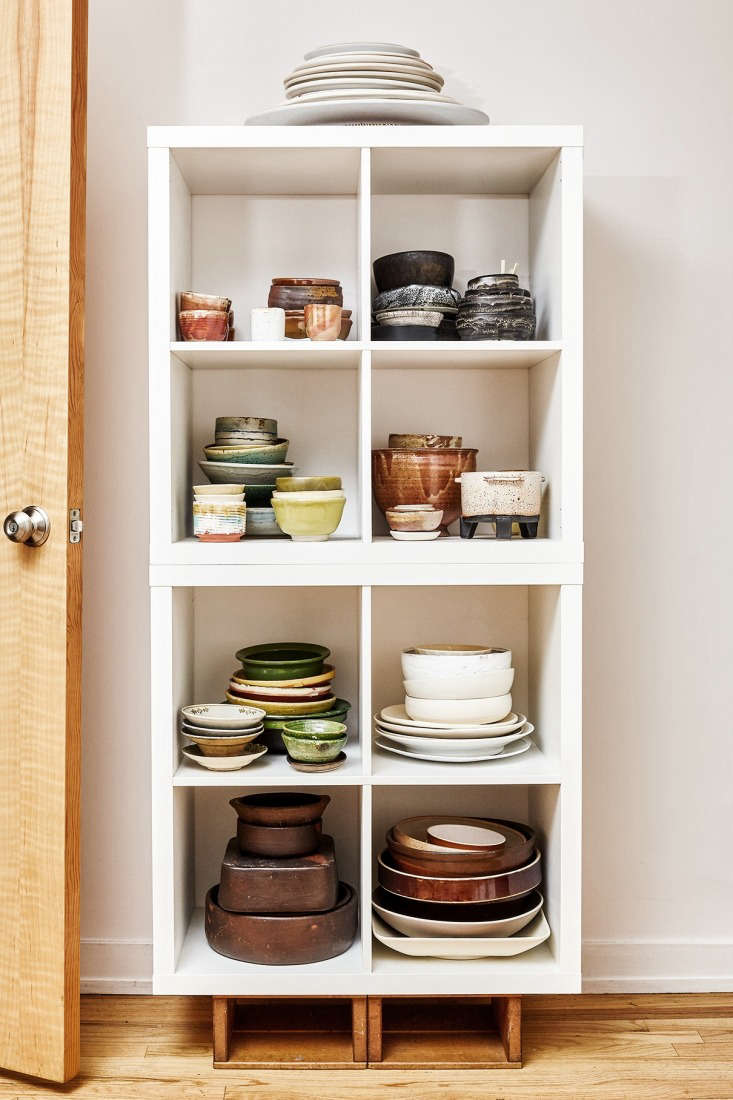
The most frequent question I receive from readers is: How do you style eclectic dinnerware without it looking like a garage sale? The secret lies in the balance between variety and cohesion. To style eclectic dinnerware successfully, use a consistent base weight or color finish as a visual anchor, then layer pieces with varying heights, textures, and silhouettes to create a curated, sculptural look.
1. The Visual Anchor
Every eclectic collection needs a "north star." This could be a color family (such as varying shades of earthy terracottas or moody forest greens) or a specific material (like all matte-finish ceramics). By keeping one element constant—the visual anchor—you earn the freedom to play with everything else. If all your plates share a similar weight or "heft," they will feel like they belong together, regardless of their patterns.
2. The Tactile 'Crunch'
In interior design, we often talk about the "crunch"—the satisfying interplay of different textures. Apply this to your dining display by mixing sleek, high-gloss glazes with raw, unglazed clay edges. Pairing a refined, polished plate with a rugged, hand-thrown bowl creates a sensory experience that invites touch. It’s this contrast that makes a display feel high-end and artisanal.
3. Scaling Motifs
If you love patterns, the key is to vary the scale. Don't pair two large, bold botanical prints together; they will fight for attention. Instead, pair a "hero" plate featuring a large-scale motif with "ditsy" or repetitive patterns, such as pinstripes or small speckles. This hierarchy allows the eye to rest on the focal point while the smaller patterns provide supporting texture.
2026 Trends: Materials and Finishes to Look For
As we look toward 2026, the world of ceramics is leaning even harder into "perfect imperfection." The trend is moving away from the mass-produced and toward pieces that show the hand of the maker.
Reactive Glazes are the absolute must-have for the upcoming seasons. Unlike standard glazes that provide a flat, uniform color, reactive glazes contain minerals that melt and flow during the firing process. This results in one-of-a-kind patterns, variegated tones, and "controlled accidents" that make each plate a unique work of art.
We are also seeing the rise of Organic Silhouettes. Think fluid shapes, irregular rims that mimic the natural curves of the earth, and "thumb-pressed" details. These pieces feel less like factory-made tools and more like found objects.
When choosing your materials, consider the "Stoneware vs. Porcelain" debate. Your choice will dictate the entire "vibe" of your dining space.
Comparison: Stoneware vs. Porcelain
| Feature | Stoneware | Porcelain |
|---|---|---|
| Aesthetic | Rustic, earthy, matte, or speckled. | Refined, delicate, often translucent. |
| Durability | High; chip-resistant and heavy. | High; surprisingly strong but looks fragile. |
| Heat Retention | Excellent; keeps food warm longer. | Moderate; cools down more quickly. |
| Vibe | Casual, "farm-to-table," artisanal. | Formal, classic, sophisticated. |
| Best For | Daily use, "tower stacking," eclectic sets. | Special occasions, fine dining, layered elegance. |
Beyond the Table: Styling Plates as Small Art Statements
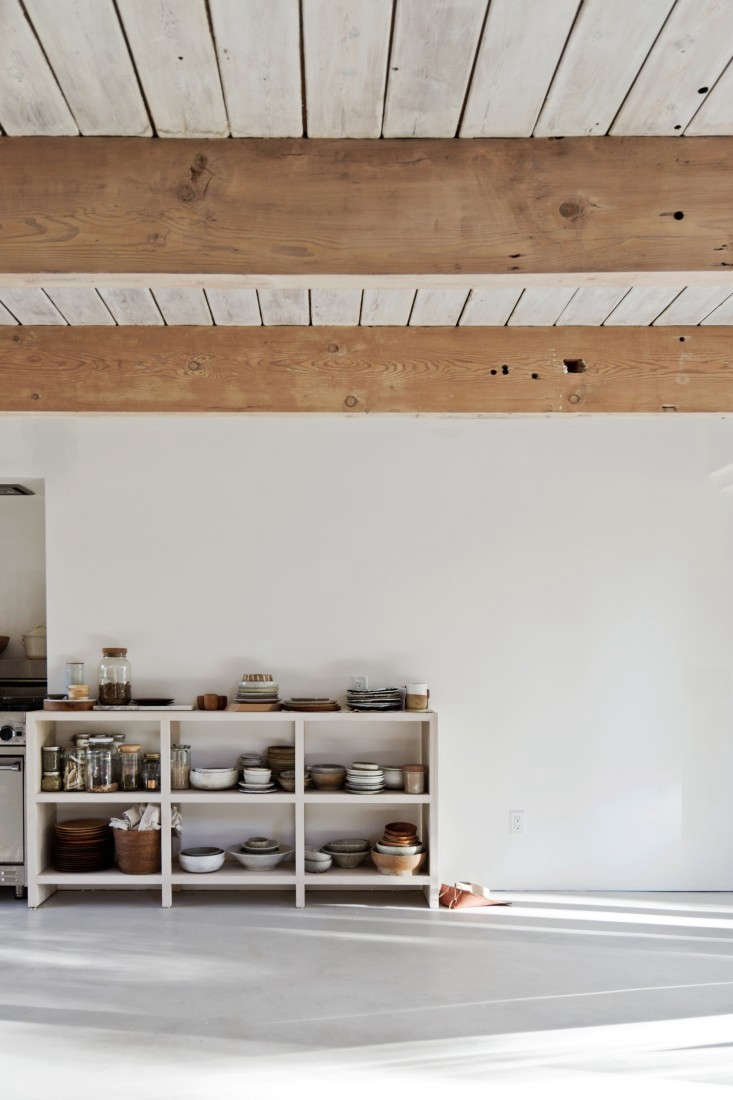
Who says plates only belong on the table? Single-piece artisanal plates function as exquisite small art statements throughout the home. When you move away from the traditional mindset of needing a set of 12, you gain the freedom to invest in high-quality "hero" pieces from independent studios or antique markets.
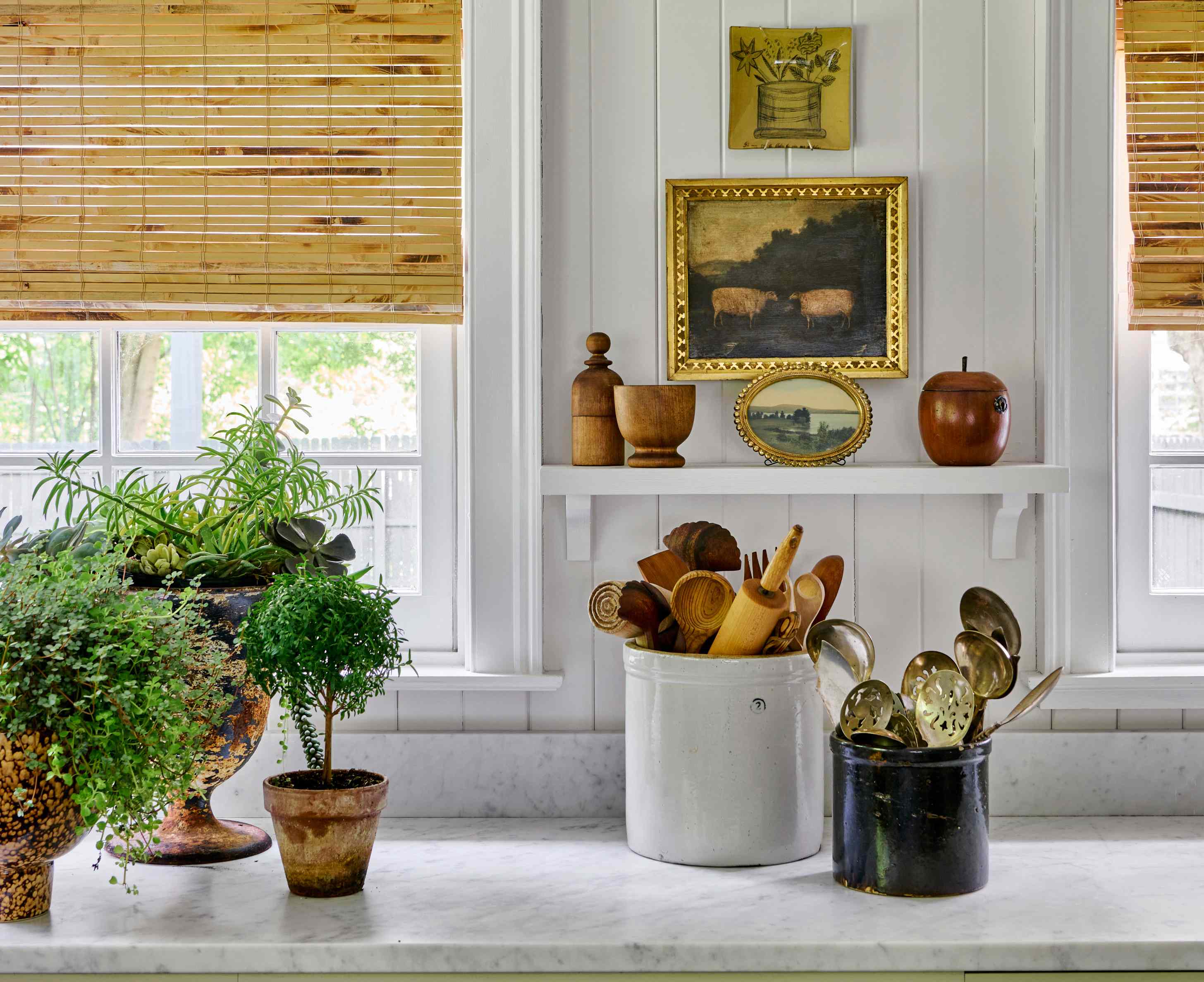
Can single artisanal plates be used as decor? Absolutely. In fact, some of the most soulful kitchens I’ve edited treat ceramics as the primary wall art. A single, hand-painted plate can break up the monotony of a tiled backsplash or add a pop of color to a bookshelf.
Technical Guide: Displaying Your 'Hero' Pieces
If you've found a one-of-a-kind plate that’s too beautiful to hide in a stack, here is how to showcase it:
- Plate Stands: Ideal for sideboards or open shelving. Choose brass or minimalist wire stands to keep the focus on the ceramic.
- Adhesive Discs: If you want to create a wall display, adhesive hangers (like the "English Plate Oil" discs) allow the plate to sit flush against the wall without the ugly metal claws of traditional hangers.
- Shadow Boxes: For highly delicate or extremely valuable antique pieces, a shallow shadow box can provide protection while elevating the plate to "fine art" status.
FAQ
Q: Is it okay to mix different brands of dinnerware? A: Not only is it okay, it’s encouraged! Mixing brands is the quickest way to achieve an eclectic, curated look. Just try to keep a common thread—like a similar rim shape or a shared color palette—to ensure the collection feels cohesive rather than accidental.
Q: How do I prevent my stacked plates from scratching? A: For high-gloss or delicate finishes, place a small piece of felt or a "plate spacer" between each dish. However, for rugged stoneware, many collectors believe that minor surface marks (known as "cutlery trails") actually add to the character and story of the piece.
Q: Can I use mismatched plates for a formal dinner? A: Absolutely. The key to making mismatched plates feel formal is the "Visual Anchor." If every guest has a different patterned salad plate, but they all sit atop a uniform, high-quality charger or dinner plate, the table will look sophisticated and intentionally designed.
Curate Your Story
Your home should be a reflection of your journey, and your dinnerware is one of the most intimate ways to express that. Whether you are building a "leaning tower" of stoneware on your sideboard or displaying a single, hand-glazed masterpiece on your wall, remember that the most beautiful spaces are those that prioritize personality over perfection. Start small—buy that one plate you love from a local potter—and watch as your dining space transforms into a curated sanctuary.