Quick Facts
- Global Impact: Approximately 500 billion single-use cups are discarded annually; most are unrecyclable due to hidden plastic linings.
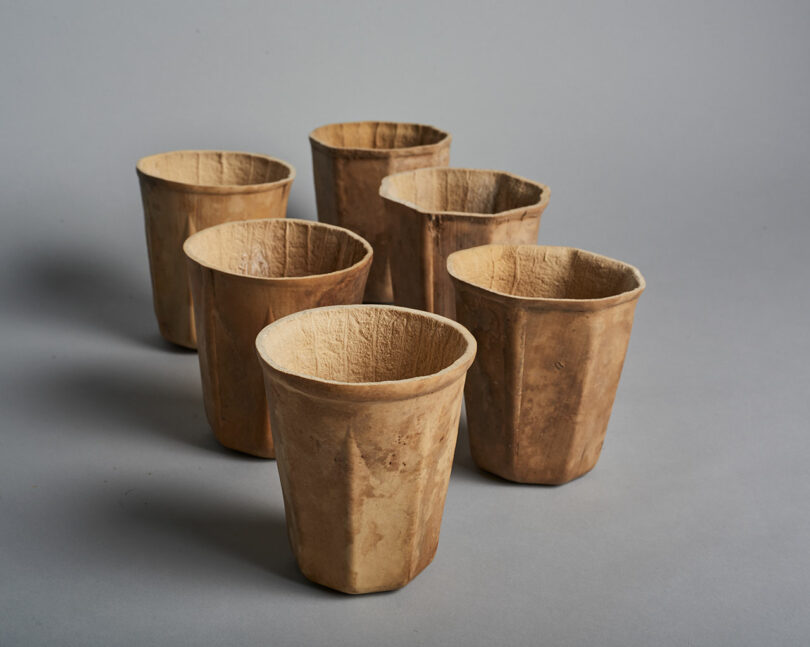
- The Botanical Solution: Gourd vessels are "grown, not manufactured," offering a 100% compostable alternative to industrial plastics.
- Precision Growth: Using custom 3D-printed molds, young gourds can be trained to grow into standardized shapes like cups or flasks while still on the vine.
- Maturity Indicators: A gourd is ready when its seeds rattle, its shell hardens, and its weight drops significantly.
- Production Scalability: Controlled "Gourd Lab" environments can mitigate the 30% yield loss common in traditional outdoor farming.
We live in an age of architectural wonders and digital marvels, yet we are drowning in the mundane debris of our own convenience. Every year, a staggering 500 billion single-use cups are tossed into landfills. While many consumers reach for paper cups under the guise of sustainability, the reality is far grimmer: most of these vessels are fused with a thin plastic lining that renders them nearly impossible to recycle. We have designed a world where a fifteen-minute coffee break leaves a hundred-year legacy of waste. But what if the solution wasn't a better factory, but a better garden?
Enter The Gourd Project, a visionary intersection of ancient horticulture and modern design. By revisiting the Lagenaria—the world’s oldest known vessel crop—designers and environmentalists are rediscovering a "technology" that is carbon-sequestering, zero-waste, and aesthetically profound. These biodegradable gourd vessels represent a shift from the extractive industrial model to a regenerative biological one. Instead of shipping raw materials to a factory, we are inviting nature to be the manufacturer, using the sun, soil, and water to grow the very tools we use for daily life.
Understanding Your Material: The Best Gourd Varieties
Not all gourds are created equal. If you’ve ever browsed a pumpkin patch, you’ve likely seen the colorful, warty Cucurbita gourds. While charming, these are ornamental and lack the structural integrity for functional vessels. For sustainable gourd design, we turn exclusively to the Lagenaria siceraria, or the Bottle Gourd. These "Utility" gourds possess a dense, woody rind that, once cured, becomes as durable as hardwood.
Gourd vessels offer a superior sustainable alternative to single-use plastics because they require no industrial heat, no chemical resins, and no complex recycling infrastructure. They are 100% compostable; at the end of its life, a gourd cup can simply be crushed and returned to the soil to nourish the next generation of plants.
To choose the right variety for your project, consider the intended silhouette:
| Variety | Best For... | Characteristics |
|---|---|---|
| Bottle Gourd (Calabash) | Cups, flasks, and vases | Traditional hourglass shape; very thick, durable walls. |
| Canteen Gourd | Bowls and shallow dishes | Flattened sphere shape; stable base for tabletop use. |
| Bushel Gourd | Large storage bins | Can grow up to 100 lbs; ideal for bulk dry storage. |
| Dipper Gourd | Ladles and long-handled tools | Features a long, narrow neck and a bulbous end. |
From Vine to Vessel: The Molding Process
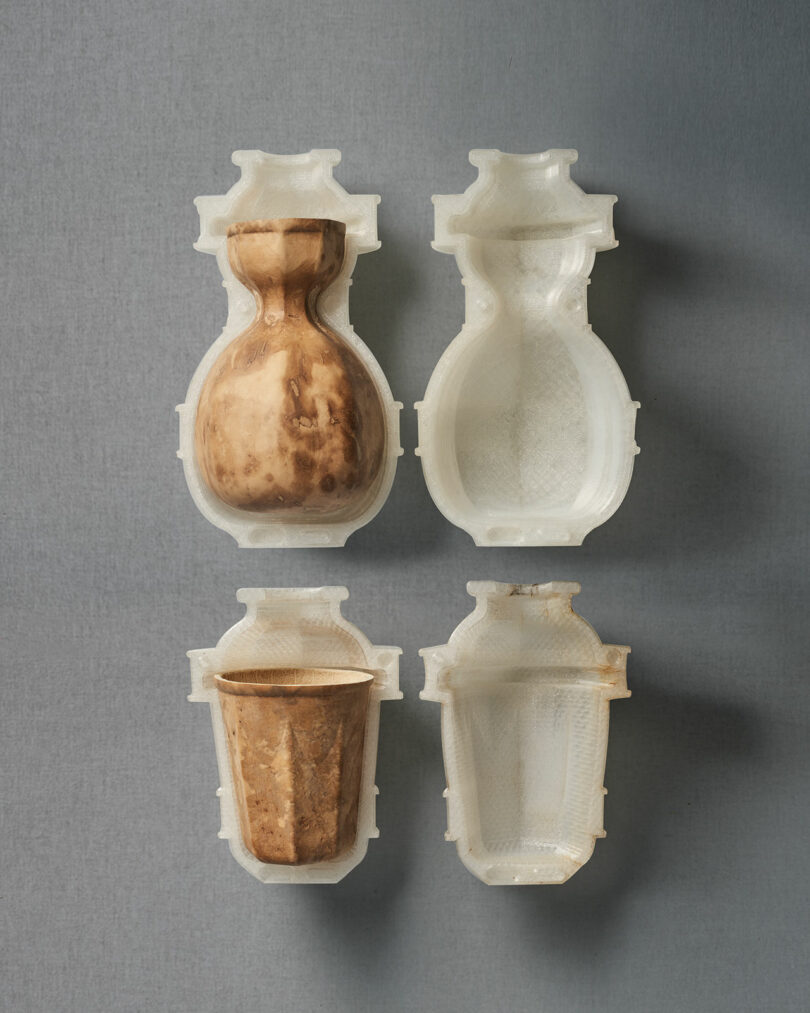
While nature is an excellent architect, the hospitality industry requires a level of standardization that wild-grown gourds rarely provide. This is where modern "Gourd Lab" techniques bridge the gap. By using 3D-printed molds, we can influence the growth of the fruit in real-time.
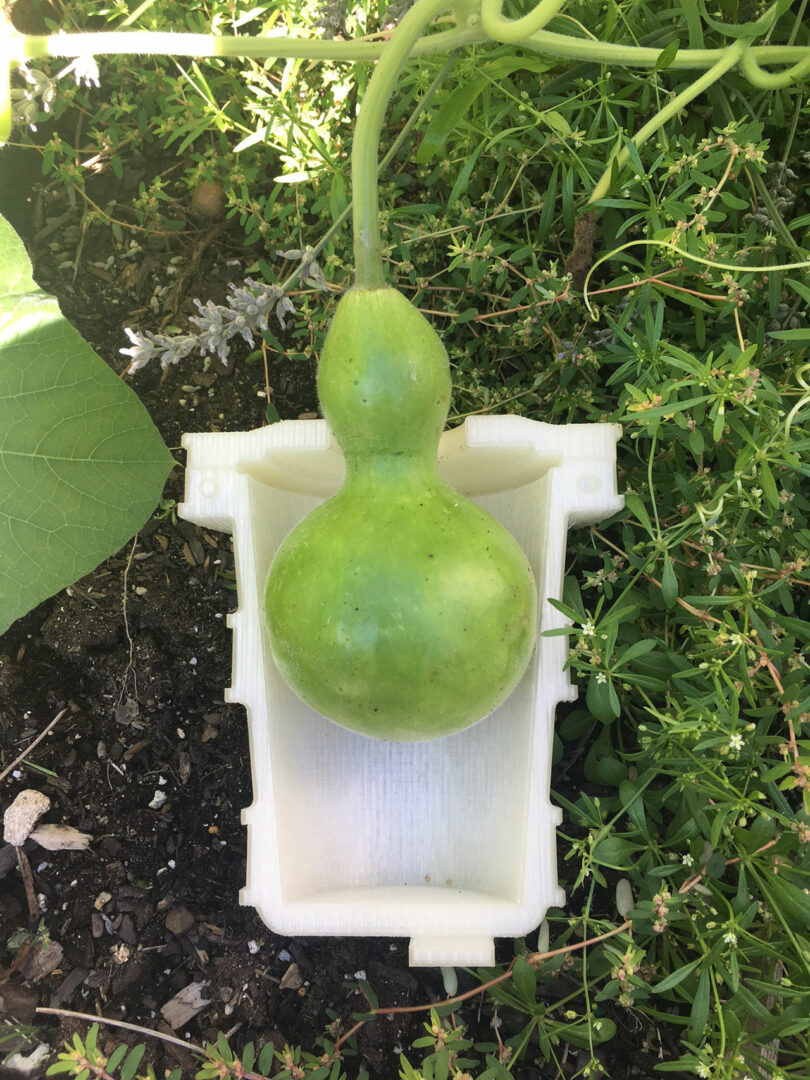
The process of molding gourds into cups is a masterclass in patience and biological engineering. When the gourd is young—roughly the size of a small pear—it is placed inside a custom-designed, ventilated mold. As the fruit matures, it naturally expands to fill the constraints of the mold, taking on the desired silhouette. This method allows for the creation of stackable cups or uniform flasks that fit modern cup holders and shelving units.
The Gourd Lab Concept: In traditional outdoor farming, growers often face a 30% yield variance due to pests, wind damage, and uneven sunlight. By moving production into "Gourd Labs"—semi-controlled environments with vertical trellising and precision molding—we can increase consistency and make commercial-scale production of sustainable drinkware a viable reality.
The Grower’s Guide: Planting and Maintenance
To grow your own vessels, you must start with the foundation: the soil. Lagenaria gourds are heavy feeders and require a long, warm growing season. Aim for a soil temperature of at least 65°F (18°C) before planting. The ideal pH range is between 6.5 and 7.0; if your soil is too acidic, the vines may struggle to take up the nutrients required to build those thick, woody walls.
Spacing is your second most important factor. These are not modest garden plants; a single vine can easily travel 20 to 30 feet. For a successful harvest, provide 10-15 feet between rows. If space is limited, vertical trellising is your best friend. Growing gourds vertically not only saves space but also keeps the fruit off the ground, reducing the risk of rot and ensuring more symmetrical growth.
Throughout the season, you must play the role of the matchmaker. Gourd vines produce separate male and female blossoms. While nocturnal insects like moths usually handle pollination, hand-pollinating with a small paintbrush can significantly increase your yield, especially in urban environments where insect populations may be lower. Keep a close eye out for squash vine borers and powdery mildew, the two primary enemies of the gourd gardener. An early application of neem oil can often prevent these issues before they take hold.
Harvest and The Art of Curing
The transition from a living fruit to a functional vessel happens during the curing process. Patience is the primary ingredient here. Most utility gourds require 90 to 180 days to reach full maturity. You’ll know harvest time is approaching when the stems turn brown and the skin of the gourd becomes tough enough that you cannot pierce it with a fingernail.
Once harvested, the curing process begins. This is a two-step journey: surface drying and internal curing.
- Surface Drying: First, wash the gourds in a 1-2% bleach solution or white vinegar to kill surface fungi. Place them in a well-ventilated, shaded area.
- Internal Curing: Over the next 3 to 6 months, the water inside the gourd will slowly evaporate through the pores of the shell.
How to tell a gourd is cured: You will know the vessel is ready for the table when the outer shell feels bone-dry and hard, the weight is surprisingly light (almost like balsa wood), and—most importantly—the dried seeds inside make a distinct rattling sound when the vessel is shaken. If it rattles, it’s a vessel; if it’s silent and heavy, it’s still curing.
Beyond the Cup: Creative and Practical Uses
While the focus is often on drinkware, the versatility of the cured gourd is boundless. Because the material is easy to cut, sand, and drill, it serves as a "botanical plastic" for a variety of home solutions. Beyond cups, these gourds make excellent dippers, airtight grain storage bins, and even natural acoustic speakers for smartphones.
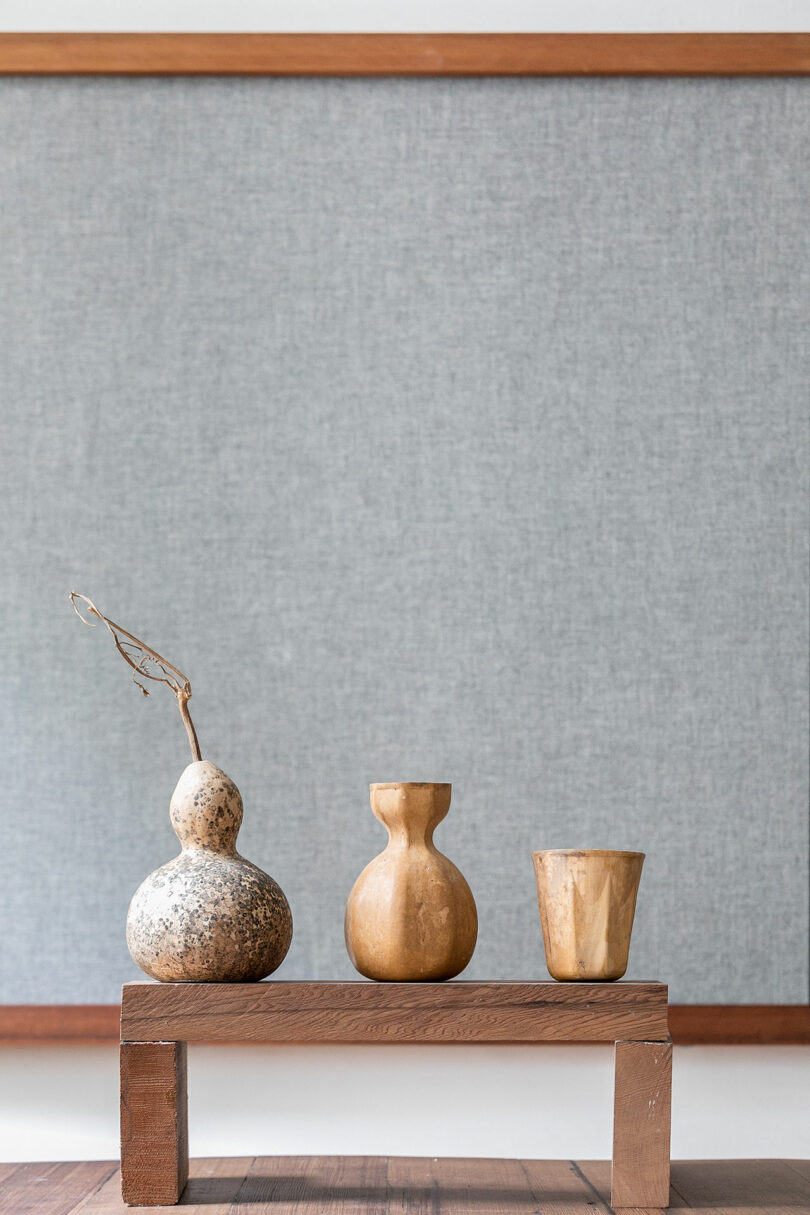
To make a vessel safe for liquids, finishing is key. While the raw interior can hold water for short periods, it will eventually soften. Traditional methods involve coating the interior with melted beeswax or food-grade natural resins. This creates a waterproof barrier that allows the cup to be used for cold beverages repeatedly.
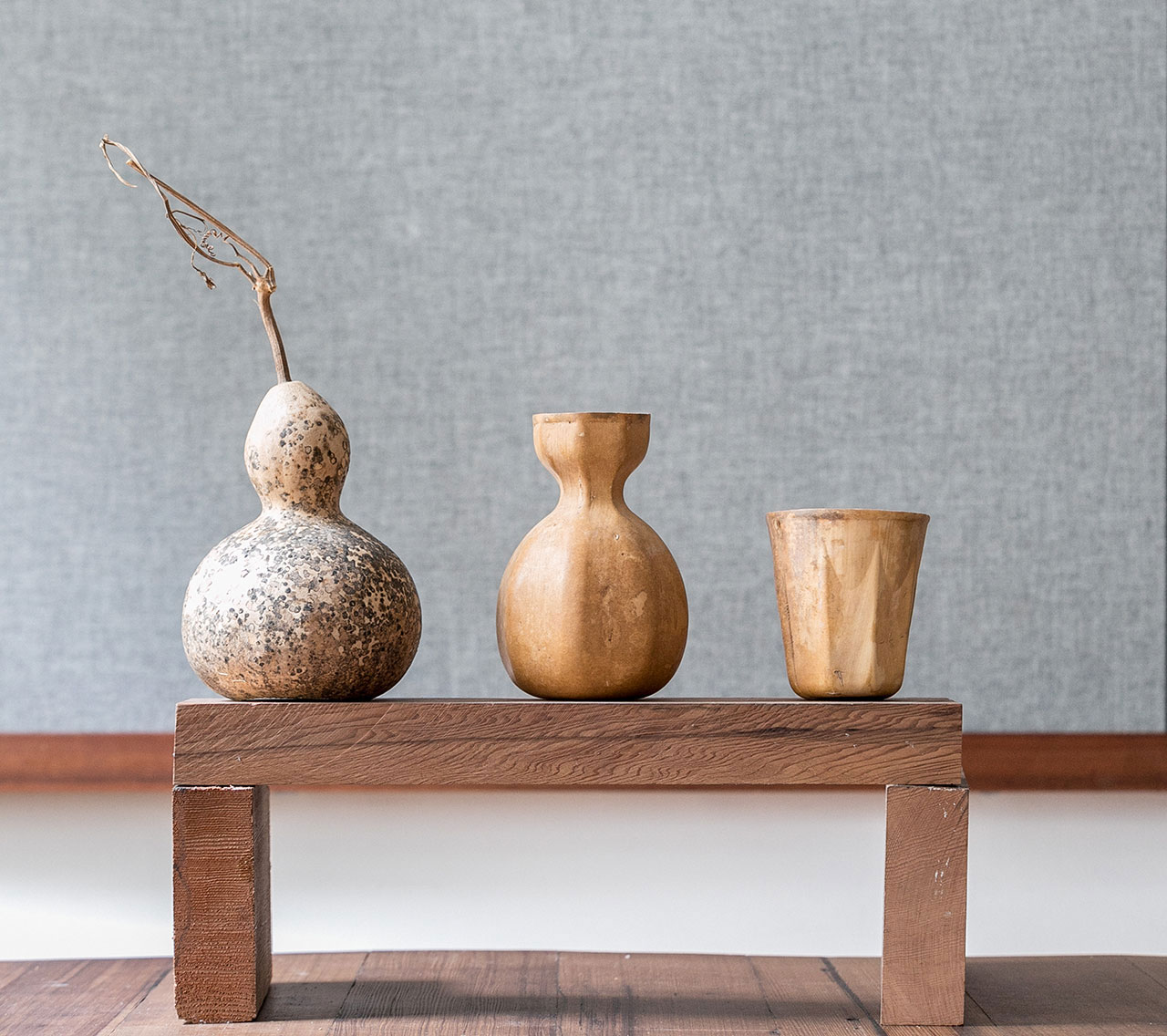
When the vessel eventually reaches the end of its functional life—perhaps after a year of morning smoothies—the final act of sustainability occurs. There is no need for a specialized recycling bin. You simply break it into pieces and toss it into your garden compost. Within months, it returns to the earth, completing a perfect, circular design loop that no factory-made plastic could ever hope to achieve.
FAQ
Can I drink hot liquids out of a gourd vessel? Gourd vessels are best suited for cold or room-temperature liquids. High heat can melt the beeswax lining used for waterproofing and may cause the gourd walls to soften over time. For hot coffee or tea, traditional ceramic remains a more durable choice, though some specialty resins are being tested for heat resistance.
How do I clean my gourd cup? Treat your gourd vessel like a fine wooden cutting board. Rinse it with cool water and a mild eco-friendly soap, then dry it immediately. Never put a gourd vessel in the dishwasher or leave it soaking in a sink, as excessive moisture will cause the organic material to degrade.
Are molded gourds as strong as naturally shaped ones? Yes. In fact, the molding process can sometimes result in a denser rind as the fruit is forced to grow within a confined space. As long as the mold is well-ventilated to prevent rot during the growing phase, a molded gourd is just as durable as its wild-shaped counterparts.
Join the Circular Movement
The transition to a sustainable lifestyle doesn't require us to sacrifice beauty or function; it simply requires us to rethink the origin of our objects. By growing our own vessels, we reclaim a sense of connection to the land and take a definitive stand against the tide of single-use waste. Whether you are a renter with a small balcony trellis or a homeowner with an expansive garden, the journey from vine to table is one of the most rewarding steps you can take toward a zero-waste home.
Start your "Gourd Lab" this season and be part of the solution that is grown, not manufactured.