Setting the table has long been viewed as a domestic chore, a functional precursor to the meal itself. But in the world of modern interior design, we’ve reclaimed the tablescape as a vital form of creative expression. As an editor, I often see homeowners paralyzed by the "all or nothing" mentality: they either stick to a sterile, matching set of white porcelain or feel the need to buy an entirely new 12-person service every time the leaves turn orange. The secret to a professional-grade table isn't found in a single box; it’s found in the thoughtful tension between your daily staples and your seasonal splurges.
To mix basic and seasonal tableware effectively, I always recommend a "base-and-layer" approach. Start with high-quality neutral sets, such as bone china or porcelain, which serve as your timeless canvas. From there, you layer in artisanal, colorful pieces from open-stock collections—think reactive glazes for autumn or scalloped edges for spring—to create a curated, eclectic aesthetic. By following the 70/30 rule—where 70% of your setting is classic and 30% is seasonally specific—you maximize your hosting versatility while keeping your storage cabinets manageable.
1. Build Your Foundation with the 70% Rule
Every stunning table begins with a reliable foundation. In my years of styling rooms, I’ve found that the most successful hosts treat their dinnerware like a wardrobe. Just as you invest in a high-quality trench coat or a perfectly tailored pair of jeans, your "70%" should consist of timeless materials that can pivot from a Tuesday night takeout to a Christmas Eve feast.
I consistently steer my readers toward bone china and porcelain. Bone china, despite its delicate name, is surprisingly durable and offers a translucent elegance that works under any lighting. Brands like Jono Pandolfi or Heath Ceramics are favorites in the design community because they offer "Open-Stock" collections. This is a critical tip: always buy from lines where you can purchase a single replacement plate. Nothing ruins the longevity of a set like a broken bowl that can no longer be matched.
When choosing your base palette, think beyond stark white. While white is the ultimate chameleon, soft grays, ivories, and even "greige" provide a more sophisticated, contemporary backdrop. These neutral tones ensure that when you eventually add a pop of burnt orange for a fall tablescape, the transition feels intentional rather than jarring.
Expert Tip: Investing in a high-quality neutral base doesn't just save money; it reduces decision fatigue. When your foundation is solid, you only have to think about the "top layer" to change the entire mood of the room.
2. Introduce the 30% Seasonal Pop
Once your foundation is set, the real fun begins. The remaining 30% of your table is where you inject personality, trend, and seasonality. This is your "pop"—the element that signals to your guests that this meal is a special occasion.
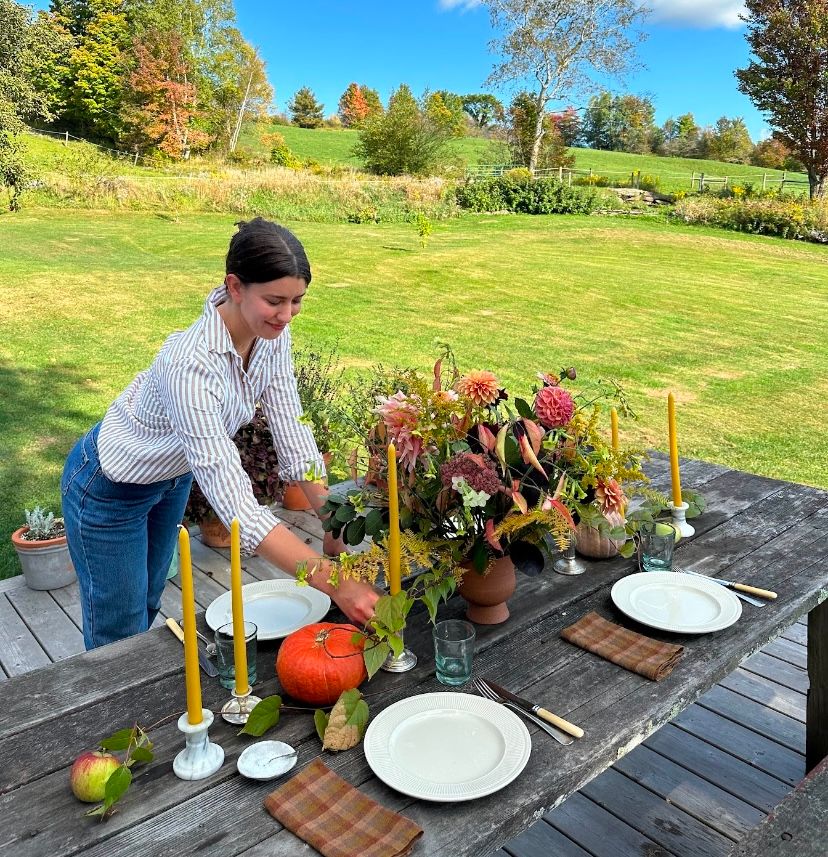
For a stunning fall tablescape, I love leaning into artisanal pieces with reactive glazes. These glazes produce varied, organic patterns during the firing process, meaning no two plates look exactly alike. Mixing these with your smooth, white basic plates creates an immediate sense of depth. You might pair your standard white dinner plate with an inky green salad plate or a bowl in a rich, saturated amber.
Mixing shapes is another designer secret for elevating everyday dinnerware. If your basic set is traditionally round, try introducing square or rectangular appetizer plates. The contrast in geometry breaks up the visual monotony of the table. If you're styling for summer, look for "Fiesta" tones—vibrant blues or yellows—in smaller accessories like bread plates or dipping bowls.
3. Master the Art of Textural Layering
If color is the "soul" of the table, texture is the "body." A flat table is a boring table. To achieve that Pinterest-worthy look, you need to think about how different finishes interact with one another. I often utilize the Matte vs. Glossy contrast technique. If your basic plates are high-gloss porcelain, layering them over a matte stoneware charger or using matte-finish gold flatware creates a sophisticated, modern tension.
Beyond the plates themselves, consider the "jewelry" of the table:
- Chargers: These are your best friend for creating height. Use metallic chargers (copper or gold) for holiday warmth, or chunky wooden chargers for a more organic, rustic vibe.
- Linens: Forget the perfectly ironed, stiff tablecloths of the past. I prefer embossed linens or stonewashed napkins that offer a tactile dimension. A slightly wrinkled linen napkin held by a heavy brass ring feels far more "lived-in" and welcoming.
- Serving Pieces: Your stoneware pitchers and large salad bowls don't need to match your plates. In fact, they shouldn't. An oversized, hand-thrown ceramic pitcher used for water or wine adds an immediate artisanal touch to a table of basic dinnerware.
4. Elevate the Look with Organic Asymmetry
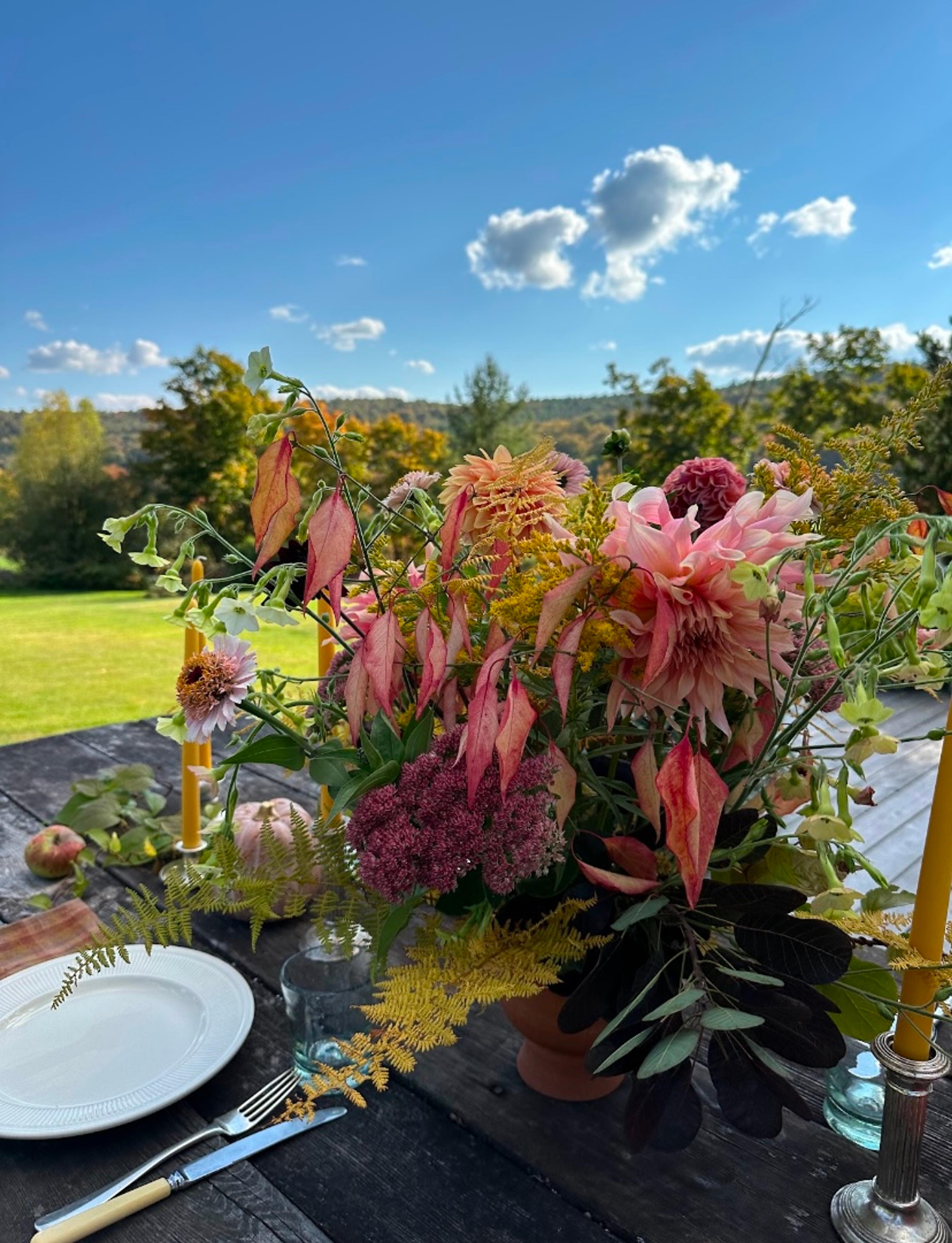
One of the most common mistakes I see in home styling is over-perfecting. When every spoon is angled precisely to the millimeter and every centerpiece is perfectly centered, the table can feel cold—almost like a museum exhibit. Research into table aesthetics actually supports this: studies indicate that organic, asymmetrical centerpieces featuring natural produce result in a 40% higher perceived 'hominess' rating compared to perfectly symmetrical arrangements.
To achieve this, I recommend moving away from traditional, tall floral centerpieces that block conversation. Instead, lean into the "organic abundance" of the season. For autumn, use knobby squash, mini pumpkins, or even branches with fading, curling leaves.
Instead of a single vase in the middle, try the "scattered effect." Place a few larger elements like a decorative cabbage or a cluster of grapes in the center, and then let smaller items—seed pods, loose walnuts, or small votive candles—meander toward the ends of the table. This makes the setting feel generous and approachable. It invites guests to lean in, explore the textures, and feel at home.
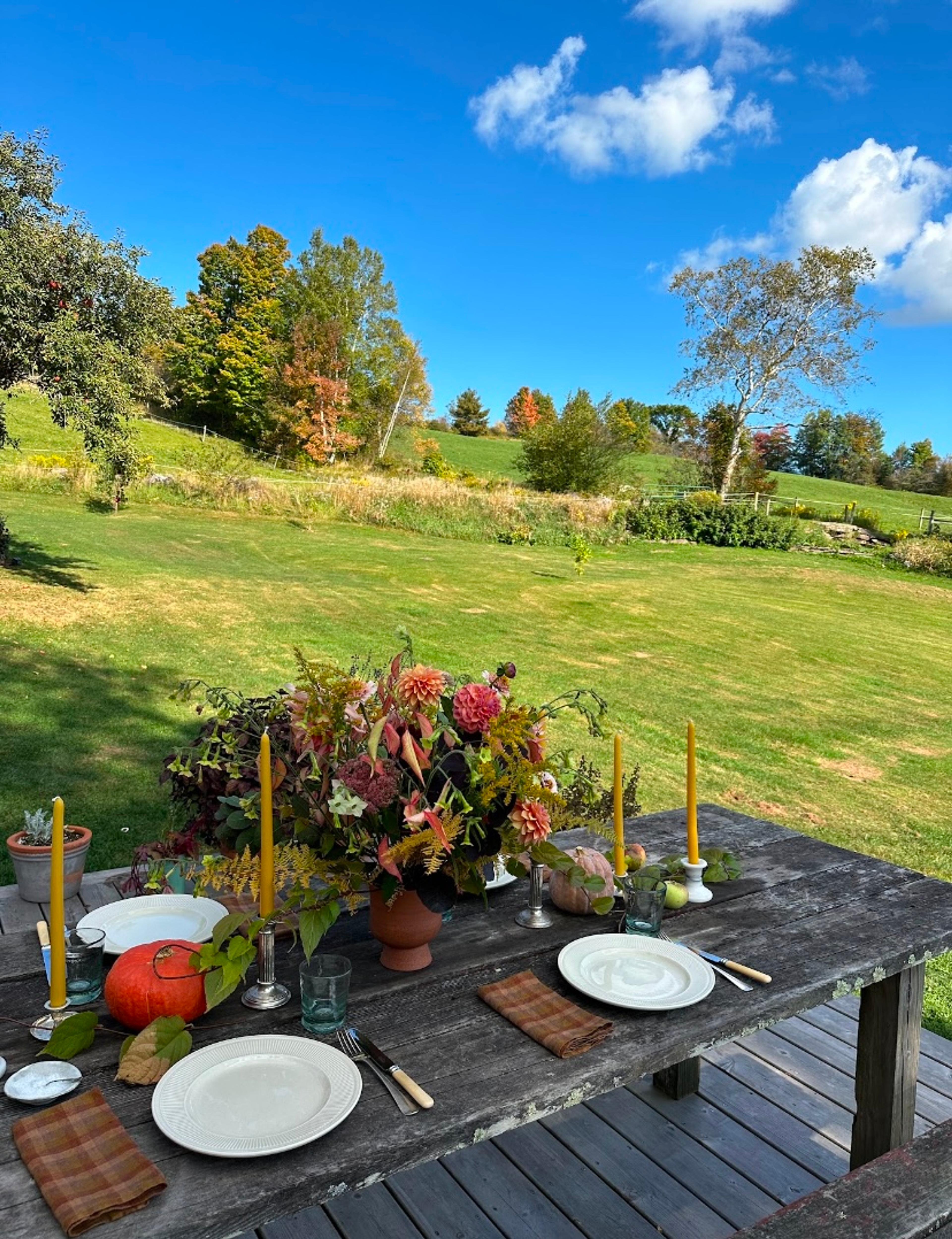
5. Practical Logic for the Modern Host
As much as I love the aesthetics, a table must be functional. There is nothing worse than hosting a beautiful dinner only to realize you have three hours of hand-washing ahead of you because your "seasonal" plates aren't dishwasher safe.
When you're shopping for that 30% pop, look for brands like Le Creuset or Our Place. They specialize in pieces that look artisanal but are built for the modern kitchen—meaning they are dishwasher and microwave safe. If a piece is "hand-wash only," save it for a small accent, like a single serving platter, rather than the entire 12-person set of dinner plates.
Storage Tips for the 30%: To avoid cluttering your cabinets, I recommend a "one-in, one-out" rotation. Your 70% basic set stays in the front of the cupboard year-round. Your 30% seasonal accents should live in a dedicated "hosting bin" in a higher cabinet or pantry. When the seasons change—say, from winter to spring—simply swap the contents of your hosting bin. This keeps your daily kitchen use streamlined while ensuring your "special" pieces stay protected and organized.
Conclusion
The art of the tablescape isn't about having the most expensive set of china; it’s about the narrative you create through layering. By maintaining a 70/30 ratio—keeping a high-quality, neutral foundation of bone china or porcelain and rotating in 30% of your more adventurous, seasonal pieces—you create a table that feels both timeless and current. Remember to embrace the "imperfections" of organic asymmetry. A few scattered pumpkins or a mix of matte and glossy textures will do more to make your guests feel welcome than a perfectly matched, sterile set ever could. Happy hosting!
FAQ
Q: Can I mix different brands of tableware? A: Absolutely. In fact, I encourage it. Mixing brands like Heath Ceramics with a more accessible set from a big-box retailer is what gives a table a "curated" rather than "bought-at-once" look. Just try to keep a common thread, like a similar undertone in the colors or a consistent weight to the ceramic.
Q: Is bone china too fragile for everyday use? A: This is a common myth. While it looks delicate and translucent, bone china is actually the strongest and most durable material used for dinnerware. It is chip-resistant and usually dishwasher safe, making it an excellent investment for your "70%" base.
Q: How do I choose a seasonal color if I’m on a budget? A: Stick to one accent color per season. For fall, focus on deep ambers or forest greens. For spring, try a dusty blush or sage. Buying just the salad plates or cloth napkins in these colors is the most cost-effective way to transform your entire table without replacing your dinner plates.