Quick Facts
- Designers: A collaboration between Office of Tangible Space (Michael Yarinsky and Kelley Perumbeti) and Tortuga Forma.
- Core Innovation: The "Rolling Edge"—a sculptural, ergonomic handle integrated into the ceramic form.
- Material: High-fired stoneware utilizing a hybrid semi-industrial slip casting process.
- Aesthetic Influences: Mid-century modernism, amoebic organic forms, and Mexico’s rich ceramic legacy.
- Sustainability & Craft: Each piece undergoes over 6 manual interventions, bridging industrial efficiency with artisanal soul.
- Philosophy: "New Futurist"—design as a catalyst for social interaction and shared sensory experiences.
In the landscape of contemporary interior design, we often talk about the "look" of a room—the palette, the lighting, the textile weight. But rarely do we interrogate the objects that facilitate our most intimate social rituals: the plates from which we eat. The Tortugaware collection is not merely a set of dishes; it is a performative provocation. Developed by the Brooklyn-based Office of Tangible Space in collaboration with Tortuga Forma, this series of ceramic stoneware represents a radical shift in how we perceive functional objects. It asks us to consider the dinner table not as a static surface, but as a stage for human connection.
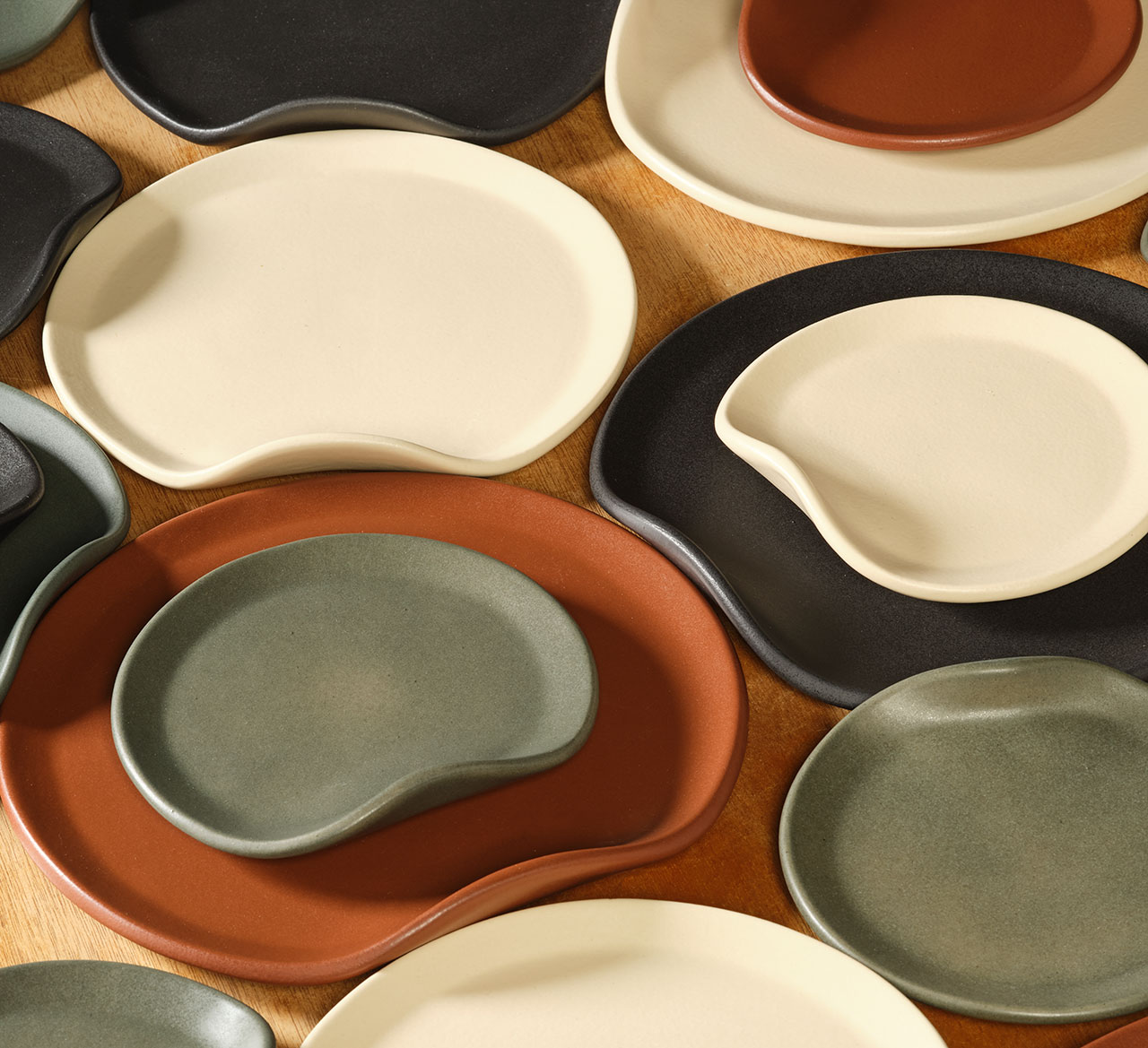
By definition, the Tortugaware collection is a series of ceramic dishware featuring an ingenious, ergonomic rolling edge. Inspired by the fluidity of mid-century modern design and the deep-rooted ceramic traditions of Mexico, the collection challenges the cold minimalism of the last decade. It introduces what the designers call a "New Futurist" design ethos: a philosophy that views design as a medium for social exchange rather than just a stylistic choice. It emphasizes how our environments—and the very objects we touch—shape the human experience of shared meals.
The Intersection of Social Connection and Ceramic Art
The genesis of Tortugaware lies in an intellectual curiosity about the "social choreography" of dining. Michael Yarinsky and Kelley Perumbeti of Office of Tangible Space have long explored how physical space dictates behavior. When they partnered with Tortuga Forma, the goal was to create an "endemic object"—something that felt like it belonged to a specific place and time, yet looked forward toward a more connected future.
This "New Futurist" approach moves away from the "Futurism" of the 20th century, which was obsessed with speed and machine-like efficiency. Instead, this new ethos prioritizes the human future. It suggests that as our lives become increasingly digital and ephemeral, the objects we interact with must become more tactile, grounded, and conducive to lingering conversations.
"We wanted to design objects that don't just sit on a table, but actively participate in the meal. The way a plate feels when you pass it to a friend—the grip, the weight, the texture—that is where the design truly happens." — Michael Yarinsky
The Philosophy: Why Tableware Matters
To understand Tortugaware, one must look at Yarinsky’s previous explorations, such as the "A New Futurist Cookbook" project (inspired by the 1932 Futurist Cookbook by Filippo Tommaso Marinetti). While the original Futurist movement sought to shock, the New Futurist approach seeks to heal and connect.
The Tortugaware collection is the physical manifestation of this investigation. It recognizes that the environment of a dinner party is a delicate ecosystem. If the plates are too heavy, too fragile, or too formal, the energy of the room shifts. Tortugaware utilizes organic, amoebic forms that feel less like factory-produced circles and more like found objects from a sophisticated, mid-century shoreline.
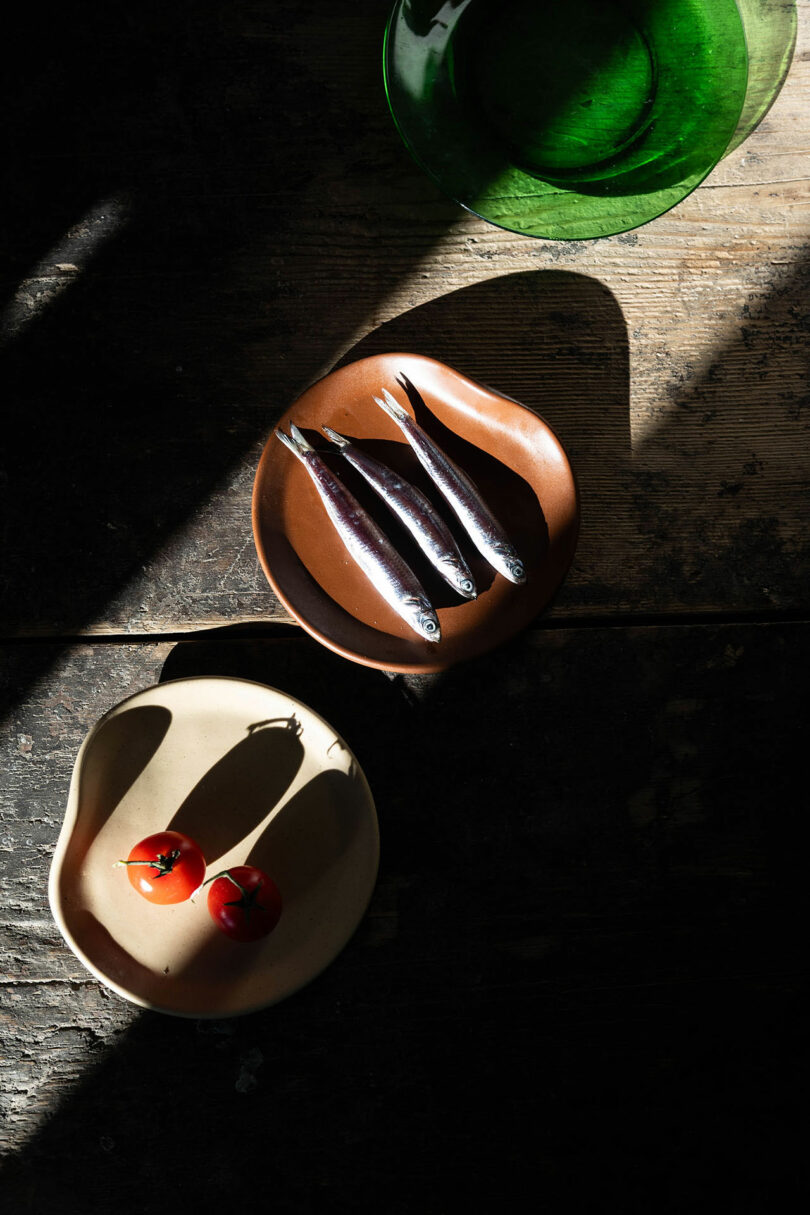
By moving away from perfect symmetry, the collection invites a sense of "wabi-sabi" or imperfect beauty, encouraging guests to relax. When the table feels less rigid, the conversation follows suit.
Form and Function: The Signature 'Rolling Edge'
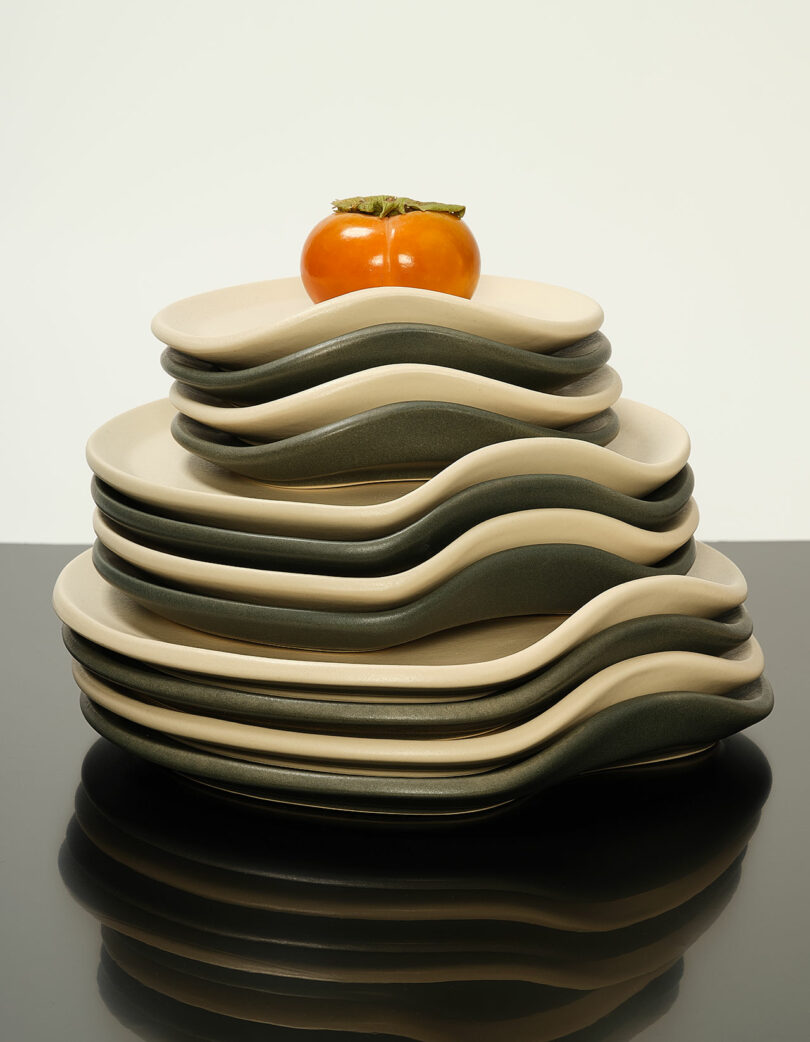
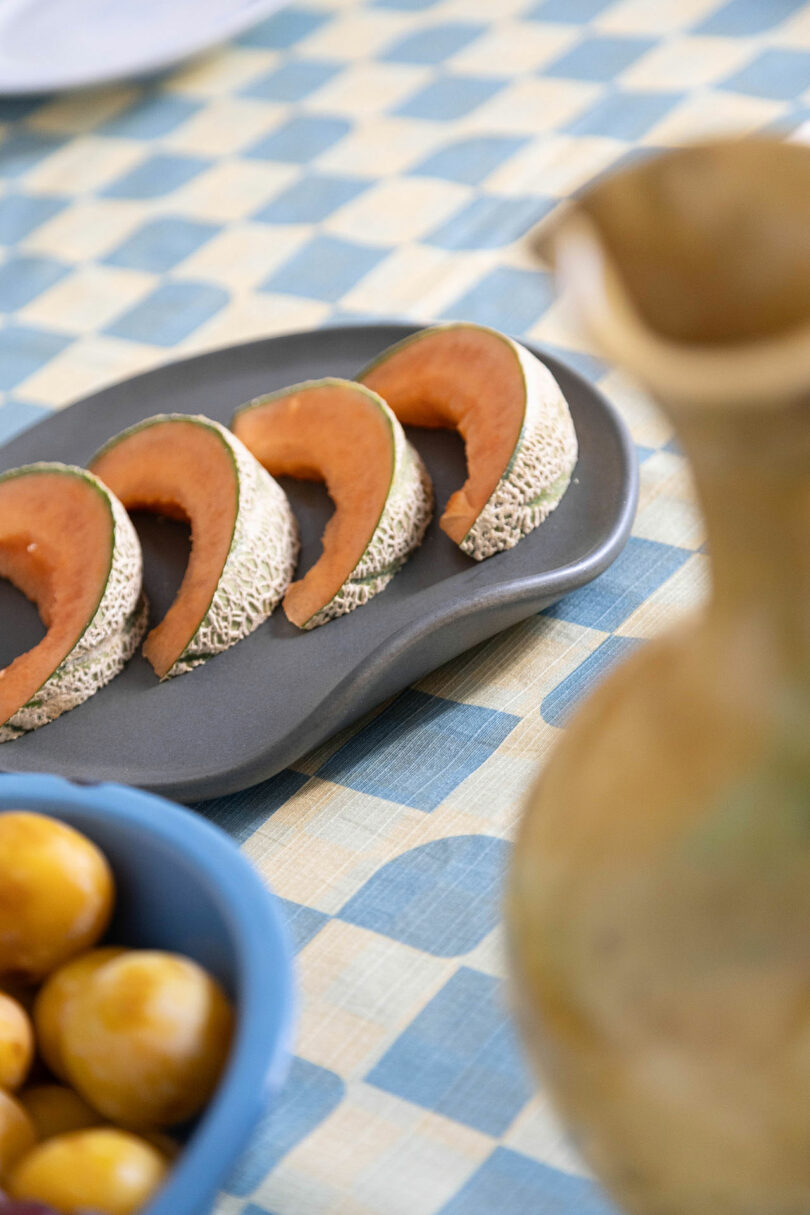
At the heart of the collection's functionality is the "rolling edge." This isn't just a stylistic flourish; it is a masterclass in ergonomic design. Most organic-shaped plates are notoriously difficult to pick up from a flat surface or stack in a cupboard. Tortugaware solves this by integrating a sculptural handle into the silhouette of the plate itself.
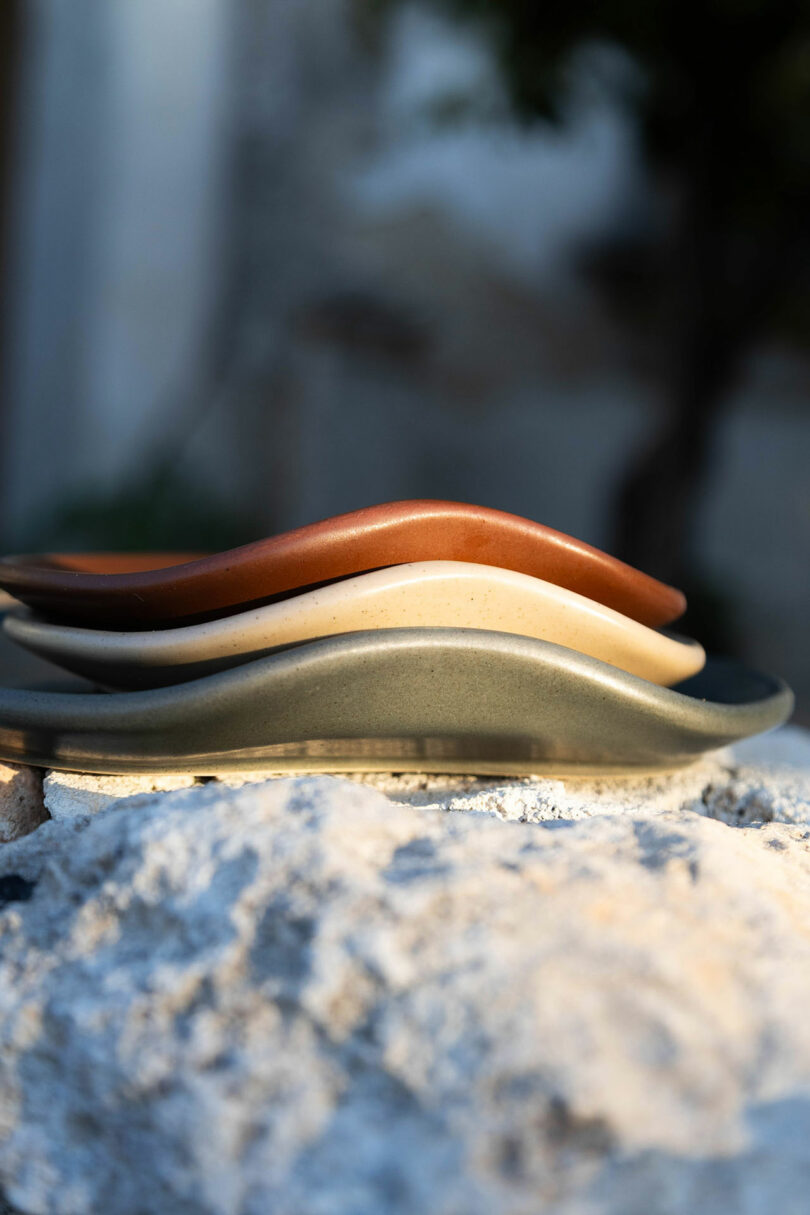
The edge of the plate gently rolls upward and outward, creating a natural grip for the thumb and fingers. This makes the plates exceptionally easy to lift, pass, and stack, maintaining a minimalist aesthetic without sacrificing the practical needs of a busy kitchen.
A Palette of Era-Appropriate Tones
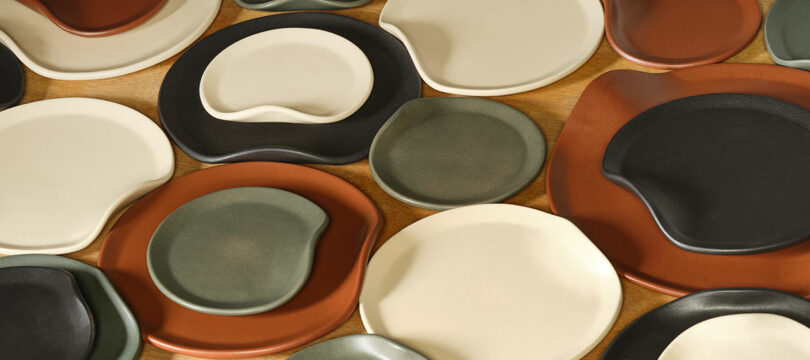
The color story of Tortugaware is a deliberate nod to mid-century modernism. Rather than the stark whites of traditional fine dining, the collection embraces a "waxy," semi-matte finish in tones that feel grounded and archival:
- Rust Orange: A warm, energetic hue that stimulates appetite and conversation.
- Baby Blue: A soft, calming counterpoint that highlights the colors of fresh produce.
- Olive & Cream: Sophisticated neutrals that allow the "amoebic" form to take center stage.
- Dark Gray: A grounding, architectural tone for a more formal setting.
Comparison: The Tortugaware Hierarchy
| Piece | Dimensions | Primary Use | Design Highlight |
|---|---|---|---|
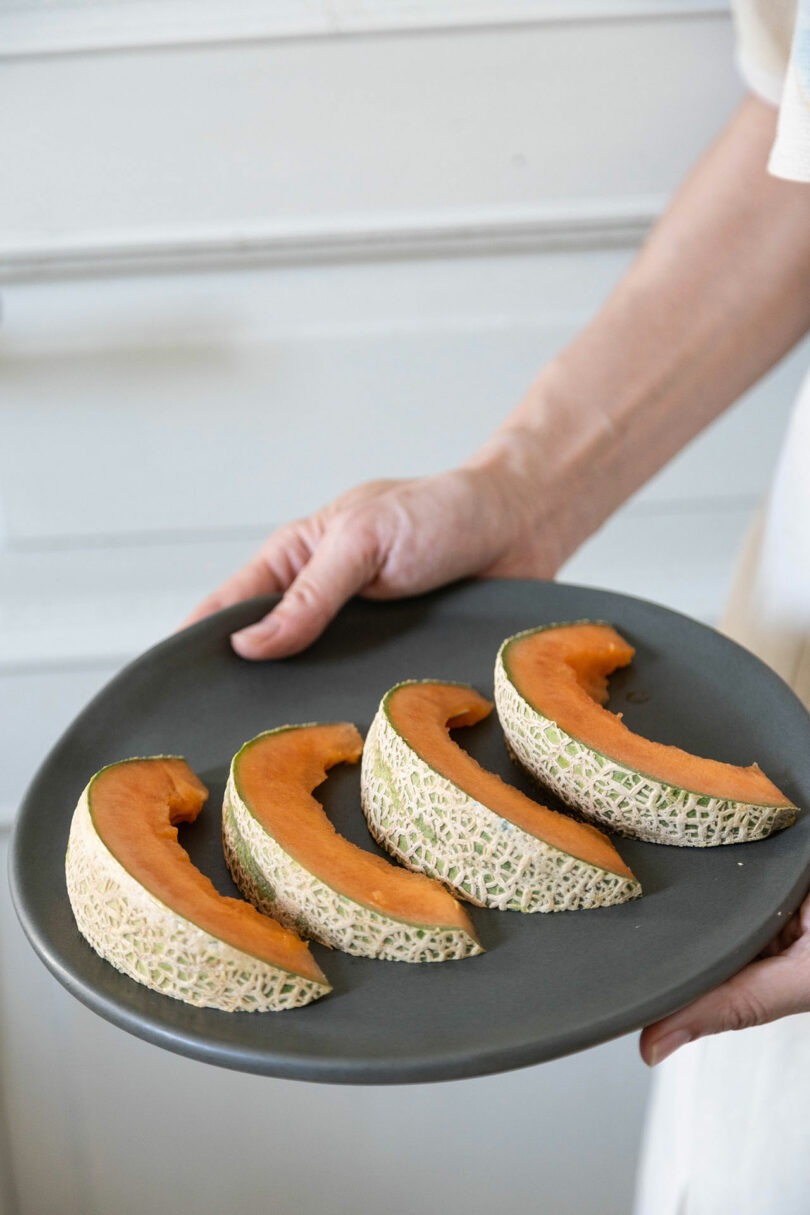
| Dinner Plate | 10.5" x 9" | Main courses, large gatherings | Most prominent 'rolling edge' for easy passing. |
| Salad Plate | 8" x 7" | Appetizers, side dishes | More pronounced amoebic curve. |
| Bread/Side Plate | 6" x 5.5" | Bread, oils, desserts | Compact and highly stackable. |
| Serving Bowl | 12" Diameter | Family-style service | Deep volume with a double-rolling grip. |
Craftsmanship: Bridging the US and Mexico
The production of the Tortugaware collection is a fascinating study in "hybrid" manufacturing. The pieces are crafted in Mexico, a country with a millennium of ceramic history, utilizing high-fired stoneware.
While the process begins with slip casting—a semi-industrial method that allows for consistent shapes—the finish is anything but industrial. To achieve the "nuanced finish" that Ivy Chen readers look for, each piece requires over 6 manual interventions. Artisans hand-trim the edges, sponge down the surfaces to remove casting lines, and apply the glazes by hand to ensure a waxy, tactile quality that feels like a bespoke art piece.
Designer's Note: What is Slip Casting? Slip casting involves pouring liquid clay (slip) into a plaster mold. The plaster absorbs water from the slip, forming a layer of solid clay against the mold walls. While often associated with mass production, Tortugaware uses it as a canvas for hand-finishing, allowing for complex, non-circular shapes that would be nearly impossible to achieve on a traditional potter's wheel.
This process redefines the "endemic Mexican object." It’s not a souvenir; it is a sophisticated marriage of traditional artisanal know-how and modern, Brooklyn-born design logic.
The 2026 Design Context: Slow Design and Wellness
As an editor, I am constantly looking at the horizon. Market analysis suggests that by 2026, there will be a 40% increase in demand for 'Slow Design' products. We are seeing a collective exhaustion with "visual-first" interfaces—the flat, glossy screens that dominate our workday. In response, our homes are becoming "soft places to land."
Tortugaware fits perfectly into this trajectory. It prioritizes multi-sensory interaction. It’s about the weight of the stoneware in your lap during a casual dinner on the sofa; it’s about the sound of the ceramic against a wooden table; it’s about the tactile joy of the rolling edge.
This focus on "tactile wellness" is a hallmark of the New Futurist movement. By surrounding ourselves with objects that require physical engagement and provide sensory feedback, we anchor ourselves in the present moment. In a tech-saturated world, a plate that feels "human" is a form of luxury.
FAQ
Q: Is the Tortugaware collection microwave and dishwasher safe? A: Yes. Despite their sculptural appearance and hand-finished glazes, these pieces are made from high-fired stoneware, making them durable enough for daily use in both the dishwasher and microwave.
Q: How do the organic shapes affect storage? A: The "rolling edge" was specifically designed to allow for stable stacking. Unlike many organic-form plates that "wobble" when stacked, the Tortugaware pieces nestle into one another, saving cabinet space while looking beautiful.
Q: Can I mix and match the colors? A: Absolutely. The palette was curated to be "tonally harmonious." The Rust and Baby Blue provide a vibrant contrast, while the Cream and Olive serve as sophisticated anchors. I recommend a mix-and-match approach to lean into the eclectic, mid-century vibe.
For those looking to elevate their dining experience from a daily chore to a social ritual, the Tortugaware collection offers more than just a place for your food. It offers a new way to hold, share, and connect. As we move toward 2026, expect to see more of this 'Slow Design'—objects that demand to be felt as much as they are seen.