For decades, we’ve looked at our homes through the lens of efficiency—insulating our attics, installing heat pumps, and swapping out incandescent bulbs for LEDs. But as we move deeper into 2026, the definition of a "sustainable home" has expanded far beyond the walls and windows. It has reached the kitchen floor, specifically into the four-legged corners of our households.
As pet ownership continues to rise, so does the environmental "paw-print" of our furry companions. While we often focus on the carbon impact of meat-heavy kibble, the vessels we use to serve that food have largely remained an afterthought, dominated by cheap plastics or heavy-duty metals. However, a revolutionary shift is occurring in pet care: the transition from the linear "buy-use-discard" model to a circular one. At the forefront of this movement is a concept that sounds like science fiction but is rooted in ancient practicality: edible tableware.
The Rise of Edible Pet Tableware: From Meal to Snack
When we talk about the future of sustainable pet care, we are talking about the total elimination of waste. Edible dog bowls are the ultimate expression of this goal. Unlike "biodegradable" plastics that often require industrial composting facilities to break down, edible bowls leave behind nothing but a satisfied dog.
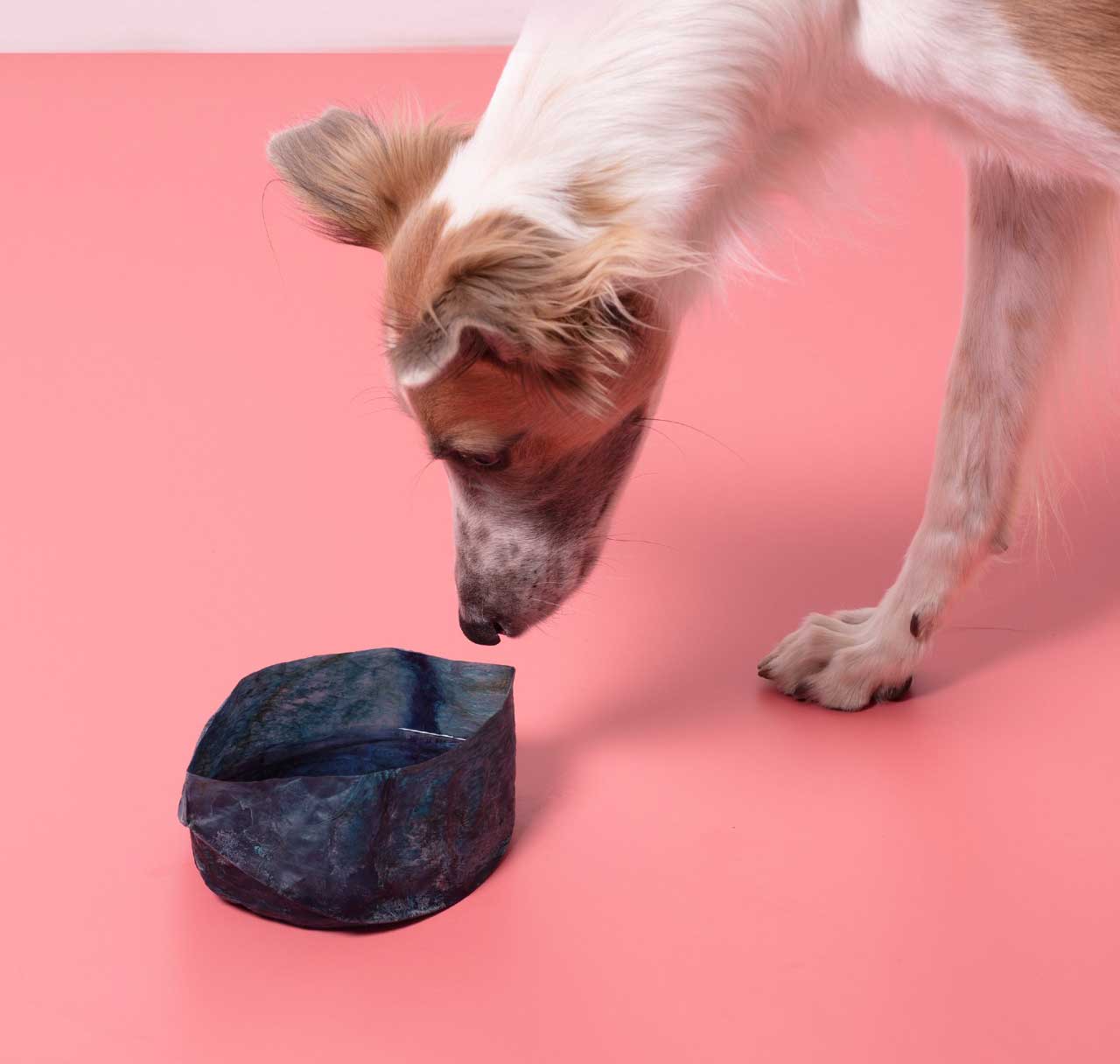
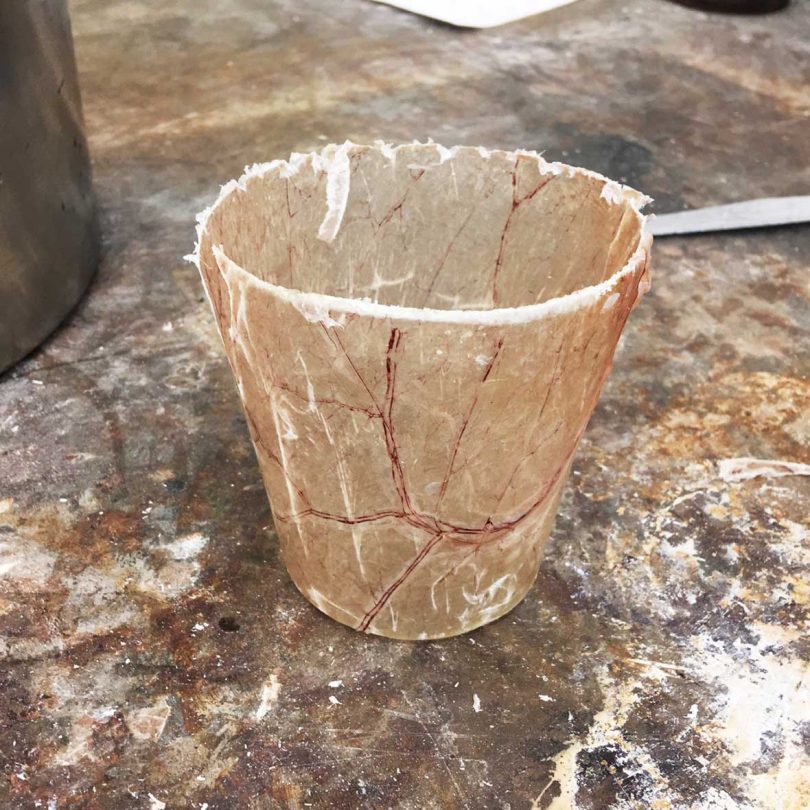
The most groundbreaking innovation in this space comes from designer Juliane Fink, whose work has redefined what we consider "waste." These edible bowls are primarily crafted from cleaned and molded pig bladders—a natural byproduct of the meat industry that is typically discarded or used for low-value industrial applications. Through a specialized process of washing and air-drying, these bladders are transformed into a material that is waterproof, surprisingly durable, and 100% digestible for dogs.
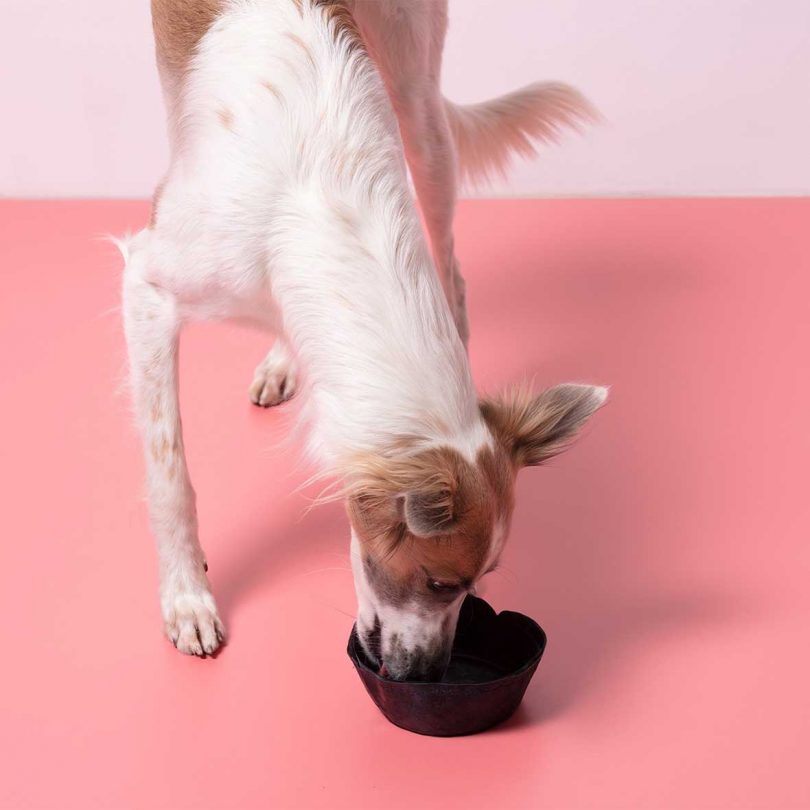
The appeal is simple: the bowl serves as a functional vessel for the meal, and once the kibble is gone, the bowl becomes the dessert. By transforming a "waste" material into a high-value product that the dog consumes, we eliminate 100% of the packaging and the long-term waste associated with traditional bowls.
The market for these products is expanding rapidly. On our journey toward a cleaner planet, consumers are no longer satisfied with "less bad" products; they want products that actively contribute to a circular economy. Data suggests that the adoption of zero-waste pet accessories is projected to increase by 45% by 2026 as homeowners seek out these innovative, upcycled solutions.
Case Study: Juliane Fink’s Innovation in Upcycling
To understand the future of the eco-friendly home, we have to look at how we treat animal byproducts. In a traditional slaughterhouse, a significant portion of the animal is considered "organic waste." Juliane Fink’s project, "Ouroboros," challenges the "disgust factor" associated with these materials by showcasing their incredible structural properties.
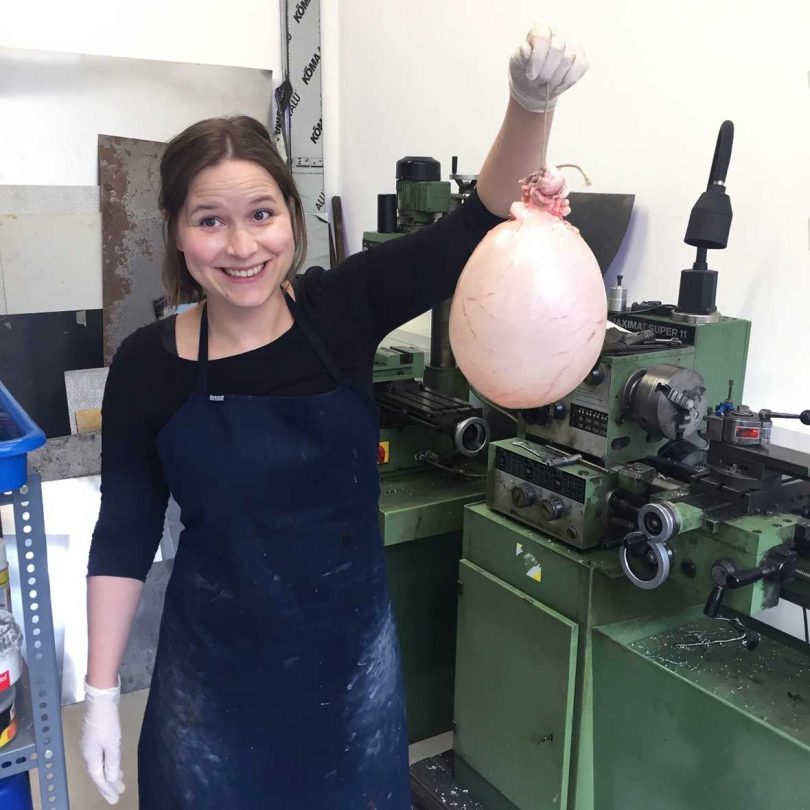
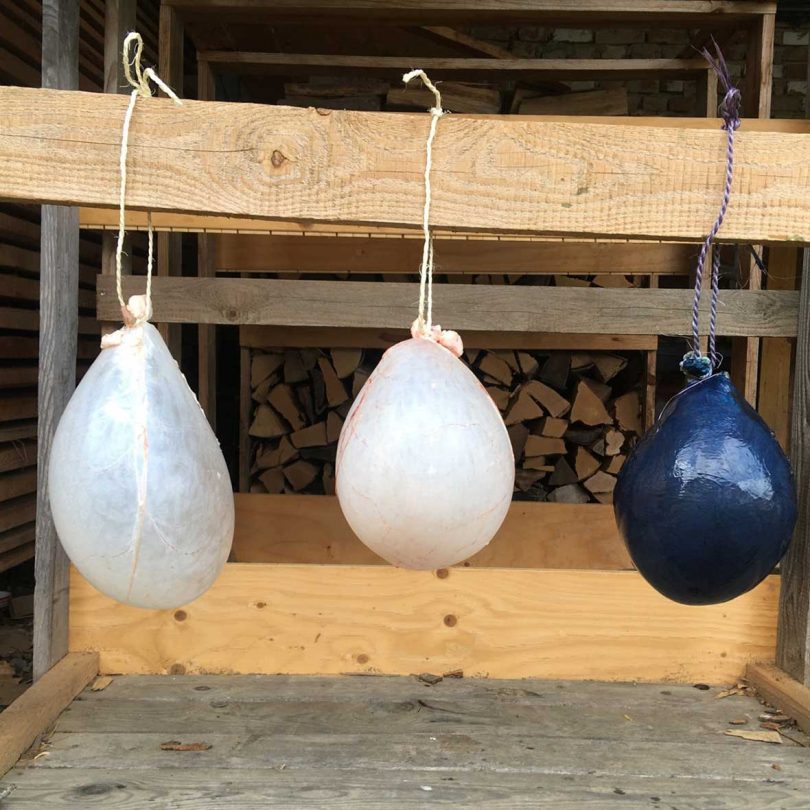
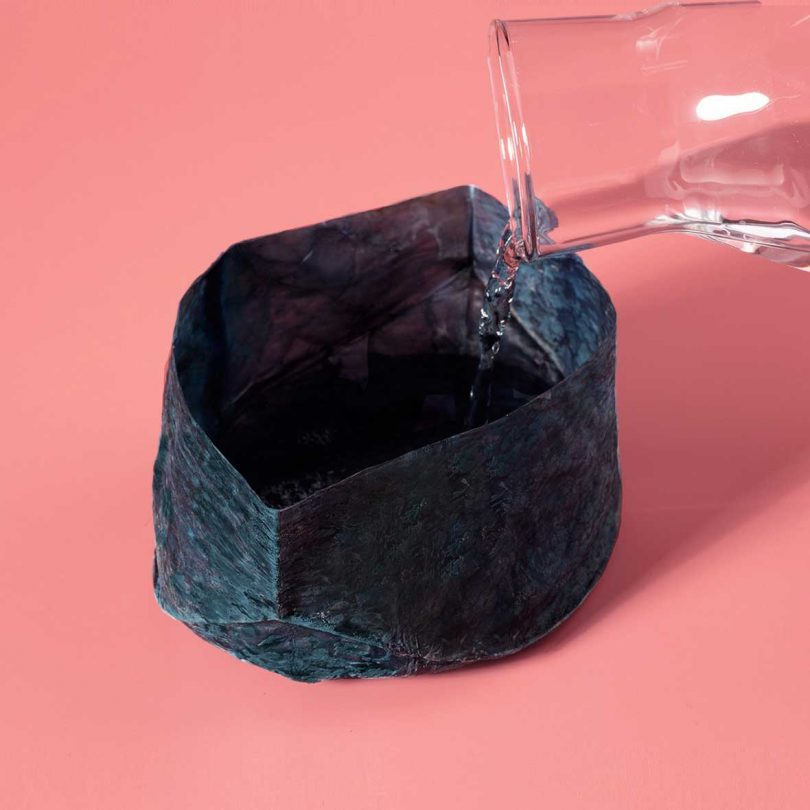
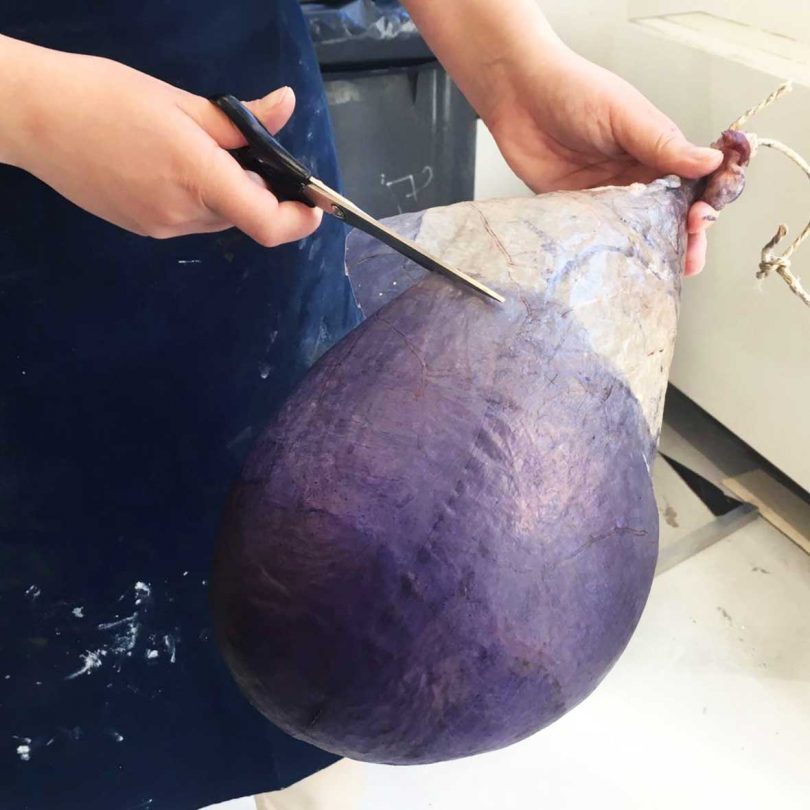
The process is as much an art as it is a science. The pig bladders are thoroughly cleaned, removing any odors or impurities, and then stretched over molds. As they dry, they take on a translucent, parchment-like quality that is naturally water-resistant. Because the material is biological, it contains no synthetic chemicals, BPA, or phthalates—common culprits in the "plastic leaching" concerns that worry many modern pet parents.
The environmental impact of this shift is measurable. It is estimated that repurposing animal byproducts like pig bladders into functional pet products can reduce specific slaughterhouse organic waste by 12-15% per processed animal. For a homeowner looking to reduce their household's indirect environmental impact, choosing an upcycled edible bowl is a powerful statement.
Beyond the ethics, there is a design-forward aesthetic to these pieces. The natural veining and organic texture of the dried bladder create a unique, marble-like finish that looks more like a piece of contemporary art than a dog dish. It challenges the sterile, mass-produced look of stainless steel and offers something that feels connected to the natural world.
Top Eco-Friendly Alternatives for 2026
While edible bowls are the gold standard for zero-waste, they may not fit every lifestyle or every dog's dietary needs. As we curate our sustainable homes, it’s important to weigh the pros and cons of various materials. Here is how the landscape of eco-friendly dog bowls looks in 2026:
| Material | Eco-Impact | Durability | Best For... |
|---|---|---|---|
| Edible (Pig Bladder) | Highest (Zero Waste) | Low (Single Use) | Travel & Treat-based meals |
| Recycled Stainless Steel | High (Infinite Life) | Highest | Heavy chewers & Daily use |
| Ceramic / Stoneware | Medium (Plastic-Free) | Medium (Fragile) | Slow feeders & Home decor |
| Bamboo Fiber | High (Plant-based) | Medium | Lightweight travel |
| Upcycled Silicone | Medium (Non-toxic) | High | Collapsible travel bowls |
1. Sustainable Stainless Steel
Stainless steel remains a favorite for a reason. In 2026, the focus has shifted toward recycled stainless steel. Brands like Yeti and Dog Copenhagen are leading the charge by using high-grade, puncture-resistant metal that can last a lifetime. From a sustainability perspective, durability is a form of eco-friendliness. A bowl that never needs to be replaced is inherently better than a "green" bowl that ends up in a landfill every two years.
2. Ceramic & Stoneware
For the design-conscious renter or homeowner, ceramic bowls offer a plastic-free alternative that complements modern kitchen aesthetics. Look for brands that use lead-free glazes and natural clays. Stoneware is particularly effective for "whisker fatigue" and hygiene, as the non-porous surface prevents bacteria from taking hold.
3. Bamboo & Plant-Based Polymers
Bamboo bowls have seen a massive surge in popularity. Often made from a mix of bamboo fibers and cornstarch, these bowls are lightweight and frequently biodegradable. However, as an editor focused on materials, I always remind readers to check the "binding agent." Ensure the bowl is free from melamine resins, which can sometimes negate the eco-benefits of the bamboo itself.
Buyer’s Guide: How to Spot a Truly Green Dog Bowl
When you’re standing in the pet aisle or browsing online, the "greenwashing" can be overwhelming. To find a truly sustainable solution, we need to look past the earthy-colored packaging and examine the technical specs.
Materials to Avoid:
- BPA & Phthalates: These are endocrine disruptors often found in cheap plastic bowls. They can leach into your dog's food, especially if the bowl is scratched or heated.
- Melamine: Often used as a binder in "bamboo" bowls, it can be toxic in high doses and prevents the bowl from being truly compostable.
- Lead-based Glazes: Common in some imported ceramic ware; always look for "food-safe" and "lead-free" certifications.
Functional Requirements: A bowl isn't eco-friendly if it doesn't work. For large breeds, look for heavy-weighted bases to prevent sliding, which leads to floor damage and food waste. For travel, the weight and foldability are key. This is where edible bowls shine; they are incredibly lightweight and can be tucked into a pocket like a piece of parchment.
Calculating the "Carbon Paw-Print": Consider the energy used to create the product. A hand-crafted edible bowl has a significantly lower industrial energy footprint than a factory-molded plastic dish. By supporting artisan processes, we are investing in a low-energy manufacturing future.
Maintenance: Keeping Eco-Friendly Bowls Safe
Whether you choose a high-tech edible bowl or a classic stainless steel dish, maintenance is where the "sustainable" meets the "practical." One of the biggest issues in pet health is Biofilm—that slimy layer of bacteria that forms on the surface of water and food bowls.
Expert Tip: Biofilm is a complex collection of bacteria, algae, and fungi. It isn't just "gross"; it can lead to dental disease and systemic infections. Even the most eco-friendly materials need daily cleaning to stay safe.
To keep things green, avoid harsh chemical cleaners. A simple soak in white vinegar and warm water, followed by a scrub with baking soda, will sanitize most surfaces without introducing toxins into your home’s greywater system. For edible bowls, the "cleaning" is handled by the dog—they eat the evidence! However, ensure these bowls are stored in a cool, dry place to maintain their structural integrity until mealtime.
FAQ
Are edible bowls safe for all dogs? Generally, yes. Edible bowls made from pig bladders are 100% natural animal tissue. However, if your dog has specific protein allergies (specifically to pork) or a history of pancreatitis (requiring a strictly low-fat diet), you should consult your vet before introducing them.
Do edible bowls affect a dog's nutritional balance? The caloric content of a single edible bowl is minimal—comparable to a standard pig ear chew. For most active dogs, it won't disrupt their nutritional balance, but it's always wise to account for it as part of their daily "treat" intake.
Which eco-friendly material is most durable for large dogs? For large, powerful breeds that might accidentally crush a ceramic bowl or chew through a bamboo one, recycled stainless steel with a non-slip silicone base is the most sustainable choice. Its lifespan (decades) far outweighs the environmental cost of its initial production.
Embracing the Future of Pet Care
The shift toward edible tableware and ultra-sustainable dog bowls is more than just a trend; it's a reflection of our changing relationship with the products in our homes. We are moving away from the "disposable" mindset and toward a future where every item—even a dog bowl—has a purposeful beginning and a clean end.
Whether you decide to try the innovative designs of Juliane Fink or invest in a lifetime-guaranteed stainless steel basin, remember that every choice counts. By choosing plastic-free and zero-waste options, we aren't just taking care of our pets; we're taking care of the planet they love to run on.