For many home cooks, the joy of a home-cooked meal is often eclipsed by the "labor of love" paradox: the thirty minutes of eating is followed by forty-five minutes of scrubbing. We’ve all been there—staring at a sink overflowing with a sauté pan, a stockpot, a colander, and various prep bowls, wondering if the risotto was actually worth the effort. In my years testing kitchen equipment, I’ve found that the difference between a stressful kitchen and a serene one isn't just your skill with a knife; it’s the vessels you choose.
One-pot cooking minimizes cleanup by using a single vessel like a Dutch oven or sheet pan, significantly reducing the volume of dirty dishes and allowing advanced detergents like Finish Ultimate to handle remaining stains without the need for exhaustive pre-rinsing. It is the ultimate "worksmart" approach to the kitchen—a method that leverages physics and high-quality materials to do the heavy lifting for you. By consolidating your cooking into one high-performance tool, you aren't just saving time; you’re often creating a superior flavor profile through concentrated reductions and unified heat distribution.
The Anatomy of the Ultimate Cleanup Vessel: The Dutch Oven
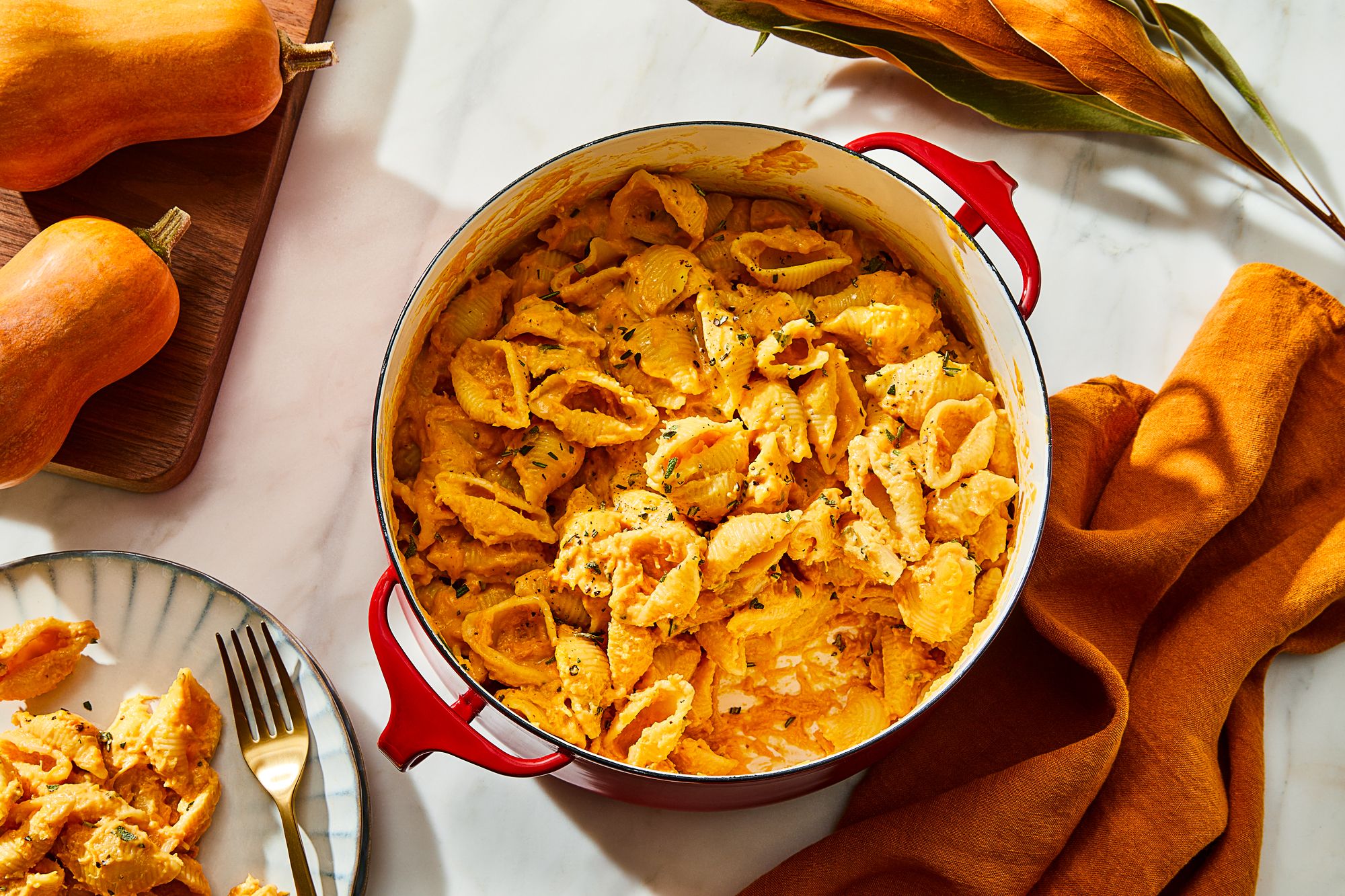
If the chef’s knife is the "brain" of the kitchen, the Dutch oven is undoubtedly the "workhorse." It is the Toyota Prius of cookware—reliable, high-mileage, and surprisingly efficient. When we talk about one-pot cooking, the Dutch oven is the primary tool because of its versatility: it can sear, braise, boil, and bake.
However, not all Dutch ovens are created equal when it comes to the post-dinner cleanup. The choice of material and the quality of the enamel coating determine whether you’ll be soaking the pot overnight or simply giving it a quick wipe.
- The Value Champion: Lodge 6-Quart Enameled Cast Iron. At a price point typically between $80 and $90, this is the most accessible entry point into serious one-pot cooking. It features a robust porcelain enamel that stands up well to high-heat searing.
- The Gold Standard: Le Creuset Signature 5.5-Quart. While it’s a significant investment, the Le Creuset is approximately 40% lighter than many of its budget competitors. Its sand-colored interior is legendary for its ability to show "fond" (the browned bits) clearly, helping you deglaze before things turn into burnt-on charcoal.
- The Lightweight Alternative: Emile Henry Flame Ceramic. For those who find traditional cast iron too heavy to maneuver into the sink, the Emile Henry ceramic Dutch oven weighs just over 7 pounds. This makes it about 40% lighter than traditional 5.5-quart enameled cast iron models while maintaining high browning performance and exceptional thermal shock resistance.
The Science of Flavor: Why Your Pot Choice Affects the Sauce
One of the most common misconceptions in the kitchen is that a tighter-sealing lid is always better. While moisture retention is important for a tender pot roast, flavor concentration is driven by evaporation. In my testing, I’ve found that the geometry of your pot and the "fit" of the lid play a massive role in how your one-pot meals taste.
For the best flavor in one-pot stews, you should use a Dutch oven that allows for 14-16% evaporation. This specific range produces a thicker and more concentrated sauce compared to tighter-sealing models that keep all the moisture trapped. When moisture escapes as steam, the flavors remaining in the pot become more dense and complex.
Evaporation and Flavor Concentration Data
| Dutch Oven Model | Weight Loss via Evaporation | Flavor Concentration Increase | Cleanup Difficulty (1-10) |
|---|---|---|---|
| Lodge Enameled | 16% | +10% | 4 (Great enamel) |
| Le Creuset | 14% | +8% | 2 (Superior enamel) |
| Staub Cocotte | 6% | +2% | 5 (Dark interior) |
| Emile Henry | 15% | +9% | 3 (Lightweight) |
Testing indicates that the Lodge Dutch oven allows for 16% weight loss via evaporation during cooking, resulting in a 10% higher flavor concentration compared to the Staub's 6% weight loss. While Staub is an excellent tool for specific tasks like baking bread or steaming, for a one-pot stew or a braised chicken dish, the slightly higher evaporation rate of a Lodge or Le Creuset provides that "restaurant-quality" reduction without the need to transfer the liquid to a separate saucepan.
Ethan’s Pro Tip: If you are using a Staub or another pot with an exceptionally tight lid, try "cracking" the lid by a quarter-inch during the last 30 minutes of cooking. This mimics the evaporation rates of a Lodge and helps thicken your sauce naturally.
Mastering the Sheet Pan: The "Staggered" Secret
Once you’ve mastered the Dutch oven, the humble sheet pan offers a different kind of freedom. Sheet-pan dinners are the pinnacle of effortless weeknight meals, but they are often criticized for uneven cooking—mushy vegetables and undercooked meat. The solution isn't more equipment; it's better timing.
To optimize sheet-pan cooking and ensure everything finishes at the same time with the perfect texture, use the "staggered addition" method. This technique treats the oven like a controlled environment where different ingredients are introduced at different stages.
- Start with the Proteins: Place your chicken thighs, salmon fillets, or pork chops on the pan first. Proteins require the longest time to reach internal safety temperatures and benefit the most from the direct heat of the pan to achieve browning (the Maillard reaction).
- Add Hardy Vegetables: Halfway through the protein's cook time, add "hard" vegetables like halved Brussels sprouts, cubed sweet potatoes, or carrots.
- Finish with Quicker-Cooking Greens: In the final 8–10 minutes, add quicker-cooking vegetables like broccoli florets, asparagus, or kale. This prevents overcooking and ensures your greens stay vibrant rather than turning into a gray, mushy mess.
To further minimize cleanup, always use parchment paper or a high-quality silicone baking mat. Unlike aluminum foil, which can sometimes tear and allow oils to seep onto the pan, parchment paper creates a near-impenetrable barrier. When the meal is done, you simply fold up the paper and give the pan a light rinse.
Pro-Level Cleanup Hacks: Working Smarter, Not Harder
The key to minimizing kitchen cleanup isn't what you do after the meal; it’s what you do during the cooking process. As an editor focusing on long-term value, I emphasize maintenance techniques that prevent damage to your expensive cookware.
The Visual Feedback Loop
One of the biggest advantages of light-colored interiors (like those found in Le Creuset or Lodge) is the visual feedback. You can see the "fond" building up. If the bottom of the pot starts to look dark brown, it’s time to add liquid. If it looks black, you’ve gone too far. Dark-bottomed pots, like the Staub, make it much harder to see when a sauce is about to burn, often leading to "burnt-on stains" that require hours of soaking.
Deglazing as "Self-Cleaning"
Deglazing is the act of adding liquid (wine, broth, or water) to a hot pan to loosen the browned food bits. While chefs do this for flavor, I do it for cleanup. By deglazing your pot thoroughly at the end of the searing process, you are essentially "self-cleaning" the vessel. Those bits of flavor-packed protein are much easier to incorporate into a sauce than they are to scrub off a cold pan three hours later.
The Thermal Shock Warning
Never, under any circumstances, take a screaming-hot Dutch oven and put it directly into a sink of cold water. This causes "thermal shock," which can crack the cast iron or cause the porcelain enamel to "craze" (develop tiny spider-web cracks). Let the pot cool on the stove for 10 minutes before introducing it to water.
Expert Insight: If you have stubborn, baked-on stains that won't budge, avoid abrasive steel wool. Instead, fill the pot with water and two tablespoons of baking soda, then bring it to a simmer for 15 minutes. The stains will lift right off, preserving the integrity of the enamel.
Essential One-Pot Recipe Archetypes for Busy Nights
If you're looking to start your one-pot journey, focus on these three archetypes. They are designed to maximize flavor while keeping your sink empty.
- The Roast (One-Pot Chicken a la Julia Child): Brown chicken thighs in your Dutch oven, remove them, sauté leeks and carrots, then add the chicken back on top with a splash of white wine and herbs. Cover and bake. Total dishes: 1 pot.
- The Comfort (One-Pot Chili Mac and Cheese): Sauté your ground beef and aromatics, add dry pasta and beef broth directly to the pot, and simmer until the pasta is tender and has absorbed the liquid. Stir in cheese at the end. Total dishes: 1 pot.
- The Global (Chicken and Andouille Jambalaya): A classic one-pot wonder where the rice absorbs all the fats and flavors from the sausage and chicken. The high evaporation rate of the Dutch oven ensures the rice stays fluffy, not gummy.
FAQ
Q: Can I use any sheet pan for one-pot dinners? A: Not all pans are equal. Avoid thin, grocery-store pans which can warp at high temperatures (400°F+). Look for "half-sheet" pans made of heavy-gauge aluminized steel (like those from Nordic Ware). They provide more even heat distribution and won't buckle in a hot oven.
Q: Is it okay to put my enameled Dutch oven in the dishwasher? A: Most manufacturers say it is "dishwasher safe," but as an editor concerned with long-term value, I advise against it. Dishwasher detergents are abrasive and will eventually dull the finish of the enamel. Because one-pot cooking involves deglazing, hand-washing usually takes less than 60 seconds anyway.
Q: Do I really need an expensive Dutch oven? A: No. As my data shows, a $90 Lodge performs exceptionally well, especially regarding flavor concentration through evaporation. The extra money for a Le Creuset primarily goes toward a lighter weight, more ergonomic handles, and a more durable exterior finish—benefits that are nice to have but not essential for great cooking.
Master the Art of the Single Vessel
Mastering one-pot cooking is about more than just avoiding the dishes; it’s about reclaiming your evening. By choosing the right equipment—specifically a vessel that balances weight, evaporation, and heat retention—you can produce meals that are technically superior and cleanup-friendly.
Start by investing in a quality Dutch oven, practice the "staggered" method on your next sheet-pan dinner, and always remember to deglaze. Your kitchen, and your sanity, will thank you.