We have all been there: staring at a half-empty crisper drawer on a Sunday afternoon, wondering how those radishes got so soft or why we bought such a large bag of Persian cucumbers. In my house, a functional kitchen isn't just about having the right labels on your spice jars—it is about having a system to manage the flow of food. This is where "quickles" (quick pickles) come in.
Mastering the 3-2-1 pickle brine ratio is more than just a recipe; it is a piece of culinary muscle memory that transforms "produce about to go bad" into "the best part of dinner." Unlike traditional canning, which requires water baths and specialized equipment, quick pickling is a low-stakes, high-reward system. The 3-2-1 brine ratio is a culinary formula for quick pickling that consists of 3 parts water, 2 parts vinegar, and 1 part sugar, creating a perfect sweet-and-sour balance that works with almost any vegetable.
The Essential 3-2-1 Formula
If you want to create a calm, organized kitchen, you need to rely on ratios rather than individual recipes. Once you memorize 3-2-1, you will never need to look up a refrigerator pickle recipe again.
THE 3-2-1 MASTER BRINE RATIO
- 3 Parts Water (The base that keeps things crisp)
- 2 Parts Vinegar (The preservative and flavor punch)
- 1 Part Sugar (The balancer)
- The Salt Rule: For every 1 cup of vinegar you use, add approximately 1 tablespoon of Kosher salt.
To make a standard quick pickle brine, you combine this liquid ratio with the salt and bring it to a simmer. While you can measure by volume (cups), professional chefs and organized home cooks often prefer weight-based measurements (grams). Using a kitchen scale ensures that your brine is perfectly balanced every single time, regardless of how "packed" your sugar or salt is.
The Golden Rules of Brine Success
Even the simplest systems have non-negotiable rules. To ensure your quickles are safe, crunchy, and delicious, keep these three factors in mind.
1. The 5% Acidity Rule
Not all vinegars are created equal. When selecting your vinegar, check the label for the acidity level. Successful quick pickling requires vinegar with an acidity level of 5% to 6% to ensure the produce is properly preserved and flavored. This is standard for most white distilled, apple cider, and wine vinegars. If you use a specialty vinegar with lower acidity, your pickles may lack the necessary "snap" and won't last as long in the fridge.
2. The Salt Factor
In pickling, salt is a structural ingredient, not just a seasoning. Always reach for Kosher salt or sea salt. Avoid standard table salt, which contains anti-caking agents and iodine that can turn your brine cloudy or give your vegetables a slightly metallic, "off" flavor.
3. Non-Reactive Equipment
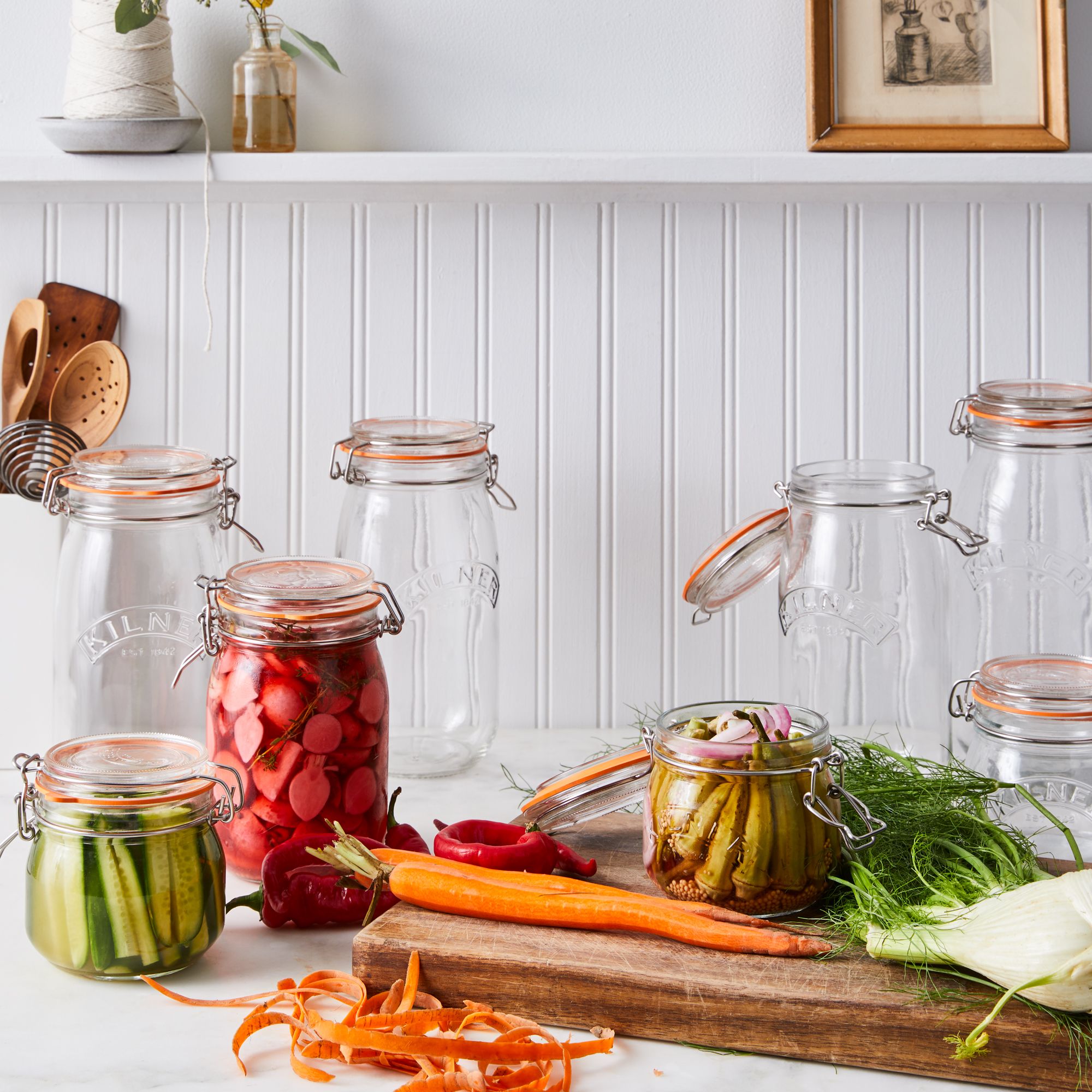
When working with high-acid liquids like vinegar, your choice of tools matters. Always use stainless steel, glass, or ceramic pots and jars. Avoid aluminum or unlined copper, as the acid in the brine can react with the metal, leaching chemicals into your food and ruining the taste.
Step-by-Step: From Crisper Drawer to Pickle Jar
The beauty of this system is its speed. While traditional fermentation can take weeks to develop, the 3-2-1 quick pickle method allows vegetables like onions and radishes to reach peak flavor in as little as 24 hours.
Step 1: Prep Your Produce Wash and slice your vegetables. Thinner slices (like red onion rings or radish rounds) will pickle faster and are perfect for sandwiches. Thicker cuts (like cucumber spears or carrot sticks) maintain more crunch and are great for snacking.
Step 2: Dissolve the Brine In a small saucepan over medium-high heat, combine your 3 parts water, 2 parts vinegar, and 1 part sugar, along with your salt. Stir until the sugar and salt are completely dissolved. You don't need a rolling boil; a gentle simmer is enough.
Step 3: The Pour Pack your sliced vegetables tightly into clean glass jars. If you are adding aromatics (like garlic cloves or peppercorns), drop them in now. Carefully pour the hot brine over the vegetables until they are completely submerged.
Step 4: The Cooling Phase Let the jars sit on the counter uncovered until they reach room temperature. This is a critical step; putting a hot jar directly into the fridge can trap steam, making your vegetables mushy and potentially raising the temperature of your refrigerator.
Step 5: Storage and Patience Once cooled, seal the jars and move them to the refrigerator. While you can eat them after an hour, they truly hit their stride after 24 hours of "marinating" in the fridge.
Level Up Your Flavor: The Flavor Matrix
The 3-2-1 ratio is your foundation, but the choice of vinegar and aromatics is where you can express your culinary style. Here is a simple guide to matching your vinegar with your vegetables:
| Vinegar Type | Suggested Vegetables | Best Aromatics |
|---|---|---|
| White Distilled | Cucumbers, Green Beans | Dill, Garlic, Mustard Seeds |
| Apple Cider | Red Onions, Apples, Cabbage | Peppercorns, Allspice, Clove |
| Rice Vinegar | Carrots, Daikon, Ginger | Chili Flakes, Sesame Seeds, Star Anise |
| Red Wine Vinegar | Beets, Red Peppers | Oregano, Bay Leaf, Red Pepper Flakes |
Don't be afraid to experiment with fruit pickling, either. Peaches and pears pickled in a white wine vinegar brine with a sprig of thyme are the secret to a high-end summer salad.
Safety Alert: Quick pickles are not shelf-stable like canned goods; they must be stored in the refrigerator where they will stay fresh and crunchy for up to 2 weeks. This is a "refrigerator pickle" method, not a long-term pantry storage method.
Best Uses for Your Quickles
Once you have a few jars of quickles in your fridge, you'll find yourself reaching for them constantly. They provide the necessary acidity to balance out rich or fatty foods.
- Elevate Your Tacos: Quick pickled red onions are the gold standard for carnitas or fish tacos.
- The Ultimate Sandwich: Add a crunch to your banh mi or turkey club with pickled carrots and jalapeños.
- Zero Waste Brine: Don't toss the liquid once the vegetables are gone! Use the leftover brine as a base for a vinaigrette or even as a tangy addition to a Bloody Mary or a "Pickleback" shot.
FAQ
Q: Can I reduce the sugar in the 3-2-1 ratio? A: Yes. While 1 part sugar provides the classic "sweet-and-sour" balance, you can reduce it if you prefer a more puckery, savory pickle. However, don't reduce the salt or vinegar, as these are essential for the preservation process.
Q: Why did my garlic turn blue or green in the jar? A: Don't panic! This is a common chemical reaction between the enzymes in the garlic and the acid in the vinegar. It is perfectly safe to eat, though it might look a little startling.
Q: How do I know if my quick pickles have gone bad? A: Since these are stored in the fridge, look for signs of spoilage like mold on the surface, an "off" or fizzy smell, or if the brine becomes excessively slimy. When in doubt, toss them out and start a fresh batch—it only takes ten minutes!
By implementing the 3-2-1 system, you are doing more than just making snacks. You are creating a sustainable routine that reduces food waste and ensures you always have a "pop" of flavor ready to go. Happy pickling!