Quick Facts
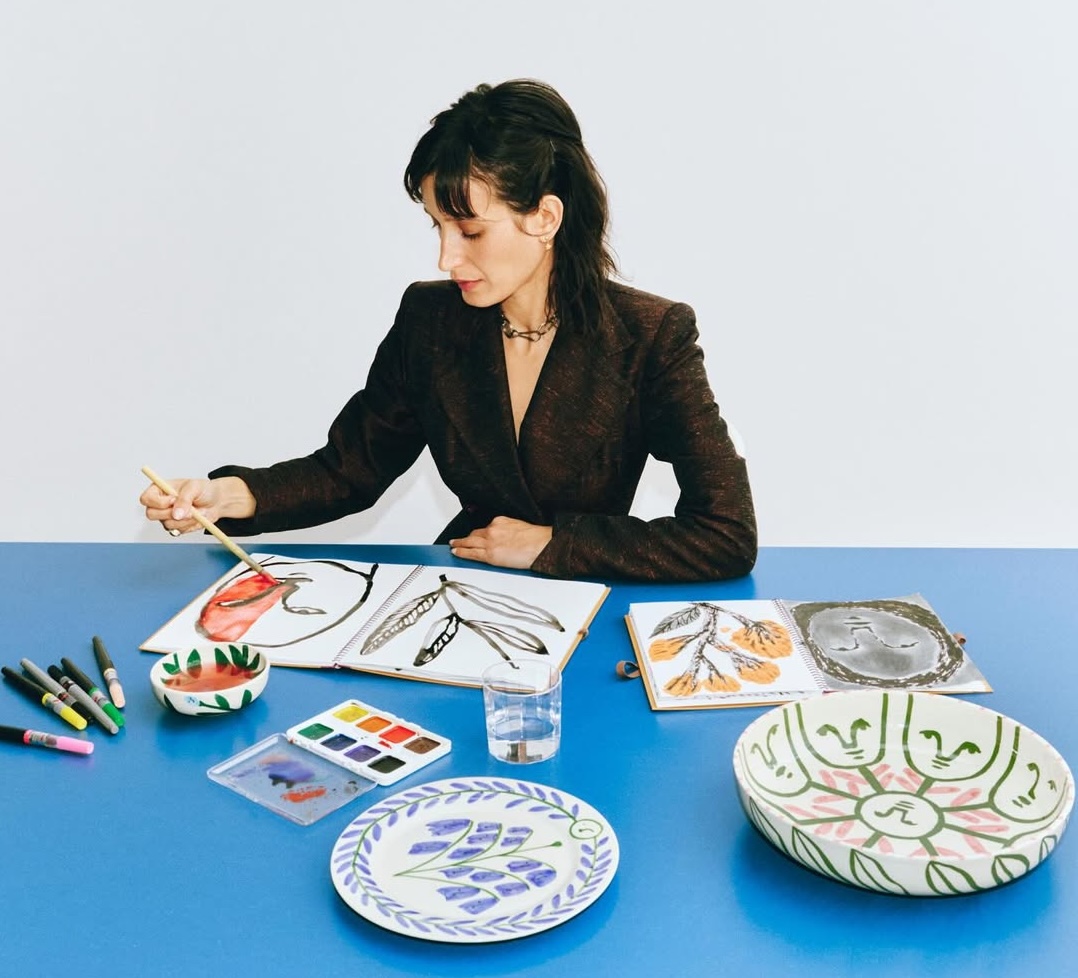
- Designer: Artist Emma Kohlmann in collaboration with Mette and Rolf Hay.
- Material: High-quality, durable stoneware with a reactive-style finish.
- Production: Each piece is hand-painted by skilled artisans in Sri Lanka following a 3-year research and development cycle.
- Price Range: $29 to $99, making it approximately 40% more accessible than boutique artisanal luxury brands.
- Utility: Fully dishwasher-safe and microwave-safe, designed for both daily use and formal hosting.
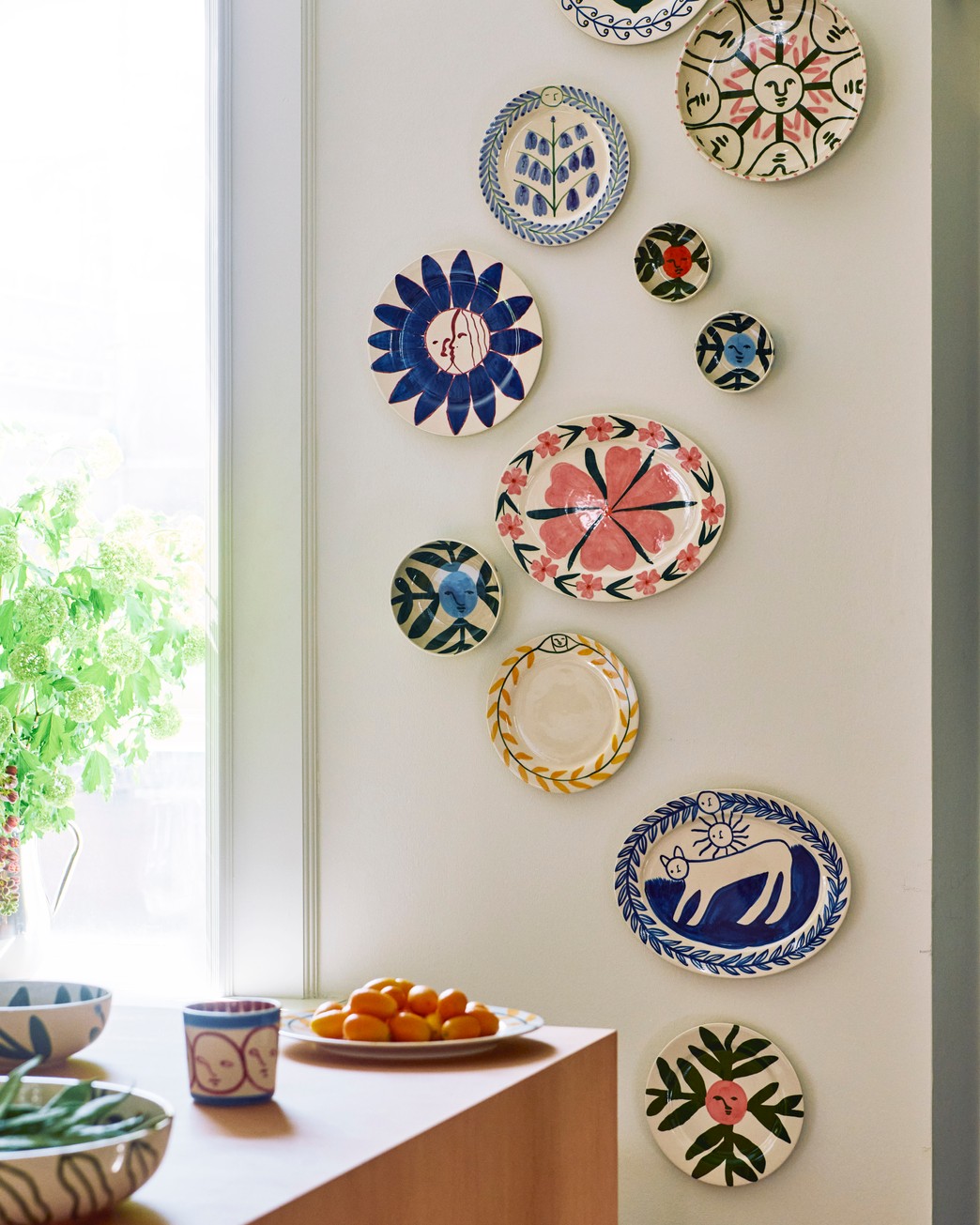
- Key Motifs: Whimsical plants, animals, and "moon faces" inspired by Italian Renaissance art and historical pottery.
The dinner table has long been the heart of the home, but in 2026, we are seeing a profound shift in how we dress it. The era of the "perfectly matched, sterile white set" is making way for what I like to call The Artisanal Table—a movement where every plate tells a story and every bowl feels like a curated find from a gallery. At the forefront of this movement is the Hay La Pittura collection. A collaboration that has been years in the making, it brings the ethereal, hand-drawn world of artist Emma Kohlmann to the tactile reality of our dining rooms. It is a rare marriage of Danish minimalism and expressive, whimsical art that manages to feel both ancient and incredibly modern.
The Visionary Behind the Collection: Emma Kohlmann
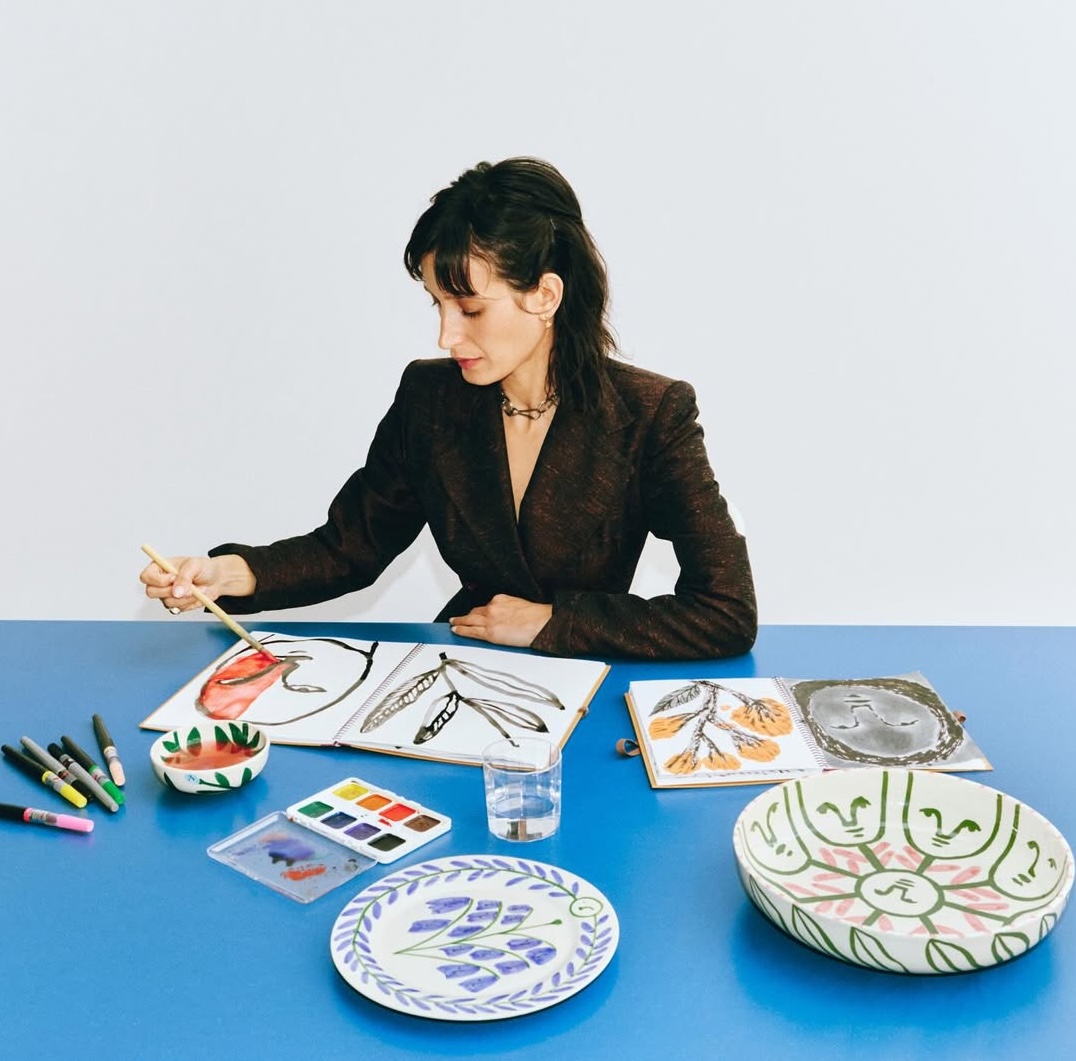
To understand La Pittura, one must understand the hand that guides the brush. Emma Kohlmann, a Bronx-raised artist now based in Western Massachusetts, is known for her spontaneous, fluid style that often blurs the lines between the human form and the natural world. Her partnership with Hay didn't happen overnight; it was born out of a genuine friendship with Mette and Rolf Hay, who were drawn to the "vitality" of her work.
The collection’s name, La Pittura—Italian for "The Painting"—is a nod to Kohlmann’s deep dive into the archives of the Metropolitan Museum of Art and her fascination with Italian Renaissance pottery. During the conceptual phase, Kohlmann focused on how historical motifs could be translated into contemporary objects. She wanted to create something that felt "alive." As an editor, I often see collaborations that feel forced, but this feels like a natural extension of Kohlmann's sketchbook. There is a sense of movement in the lines, as if the ink hasn't quite dried yet.
Collection Spotlight: Whimsical Motifs and Historical Roots
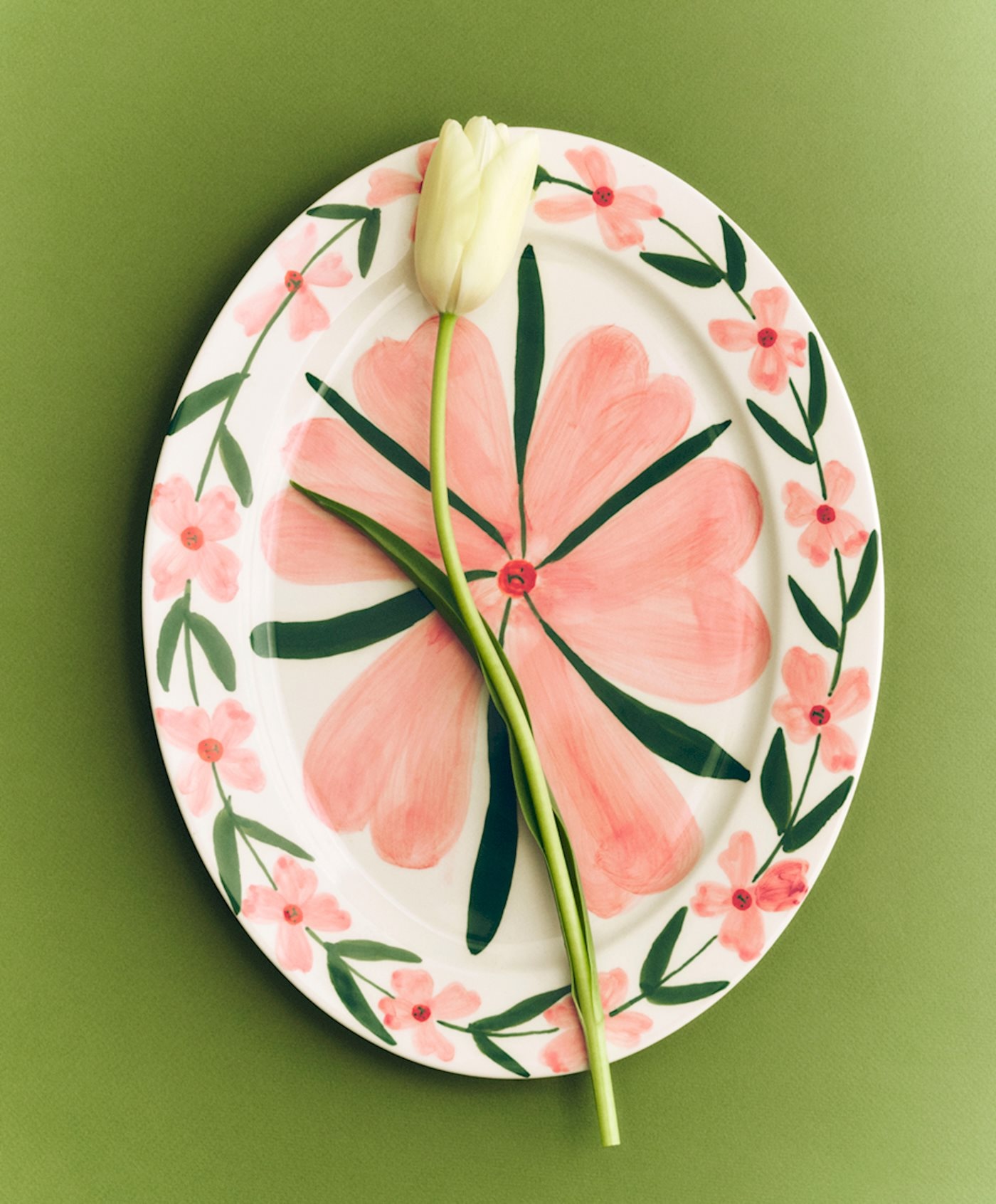
The beauty of the La Pittura collection lies in its ability to be "imperfectly perfect." The motifs—intertwined vines, curious animals, and the signature "moon faces"—are not printed; they are painted. This distinction is vital. It means that while the design is consistent, the stroke of the brush varies slightly from one plate to the next, giving each item a bespoke quality.
Featured Pieces We Love:
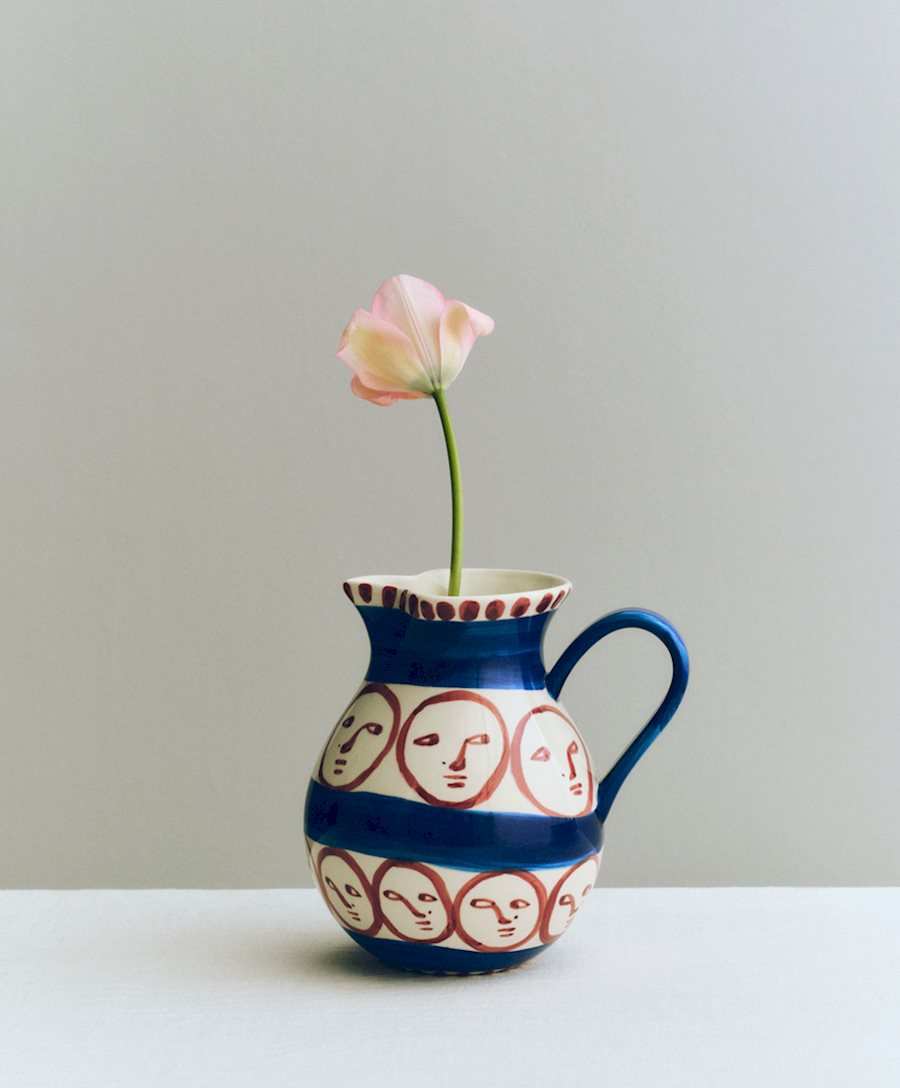
- The La Faccia Jug ($99): This is undoubtedly the "hero" piece of the collection. It serves as both a functional water carafe and a sculptural object for the mantle. The way the face wraps around the curve of the ceramic evokes the vitality of Renaissance-era vessels, where the object itself seems to have a personality.
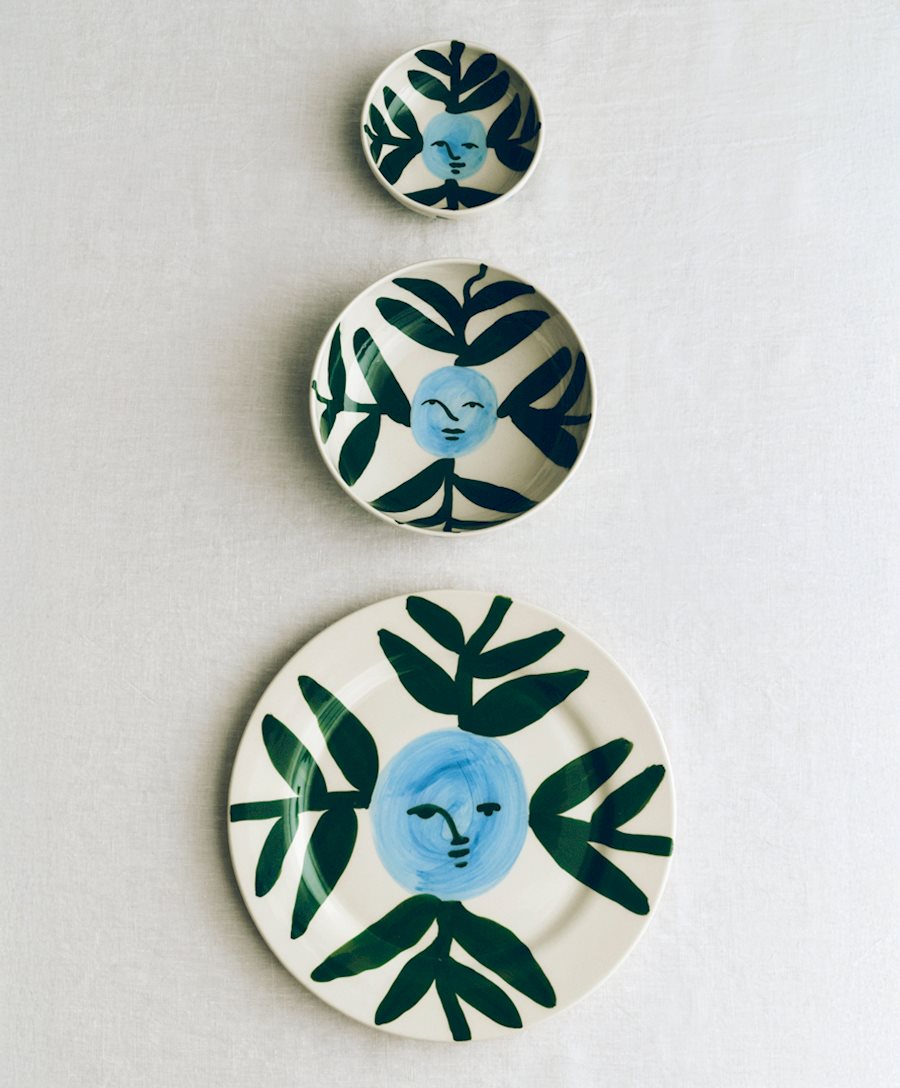
- Moon Face Vine Bowls ($29 - $59): Available in various sizes, these are the workhorses of the collection. We love the tactile feel of the stoneware—it has a weight to it that feels substantial in your hand, yet the whimsical "moon face" at the bottom of the bowl provides a delightful surprise as you finish your morning muesli.
- Josephine and Charlotte Platters ($95): There is something deeply personal about these platters. Named after Kohlmann’s mother and sister, they reflect the collection’s theme of family and domesticity. The Josephine platter, in particular, with its sprawling botanical motifs, is the perfect canvas for a summer salad or a roasted main.
The Craftsmanship: A Three-Year Journey to the Table
High-end design often rushes to market, but Hay and Kohlmann took a different route. The La Pittura collection is the result of a rigorous three-year development cycle. This period wasn't just about choosing colors; it involved intensive visual research into historical pottery techniques and finding the right manufacturing partner who could replicate the "soul" of Kohlmann's original watercolors.
The production takes place in Sri Lanka, a region renowned for its high-quality ceramic craftsmanship. Each piece is hand-painted by skilled artisans who have been trained to mimic the specific, gestural pressure of Kohlmann's brushwork.
Expert Tip: When shopping for hand-painted ceramics, look for the "reactive" nature of the glaze. In the La Pittura set, the way the paint interacts with the stoneware creates subtle gradients that you simply won't find in mass-produced, decal-printed dinnerware.
Choosing stoneware over traditional porcelain was a conscious design decision. While porcelain is prized for its delicacy, stoneware offers an organic, earthy texture that complements the "folk-art" aesthetic of the collection. It is also significantly more resistant to chipping, making it a smarter investment for those who actually intend to use their "art" every day.
Why It’s a 2026 Essential: Accessibility Meets Design
In the world of interior styling, we often encounter a "prestige gap." You either buy mass-market dinnerware that lacks character, or you spend hundreds of dollars per plate at a luxury boutique. Hay has effectively disrupted this model.
With prices starting at just $29, the Emma Kohlmann for Hay collection makes artisanal stoneware approximately 40% more accessible than comparable designer sets found in high-end galleries. This democratization of design is a hallmark of Hay's philosophy. It allows younger collectors to begin building a "forever" table without the prohibitive entry price of traditional luxury brands.
Furthermore, the collection aligns perfectly with the 2026 trend of "Individualist Hosting." We are seeing a move away from rigid, formal sets toward a "mix-and-match" philosophy. The La Pittura pieces are designed to play well with others—they look just as stunning next to a minimalist Hay glass bowl as they do against a vintage linen tablecloth.
| Feature | Hay La Pittura (Stoneware) | Traditional Luxury (Bone China) |
|---|---|---|
| Durability | High (Chip-resistant) | Moderate (Delicate) |
| Finish | Hand-painted / Organic | Printed / Uniform |
| Dishwasher Safe | Yes | Often Hand-wash Only |
| Starting Price | $29 | $75+ |
| Vibe | Artistic, Whimsical | Formal, Traditional |
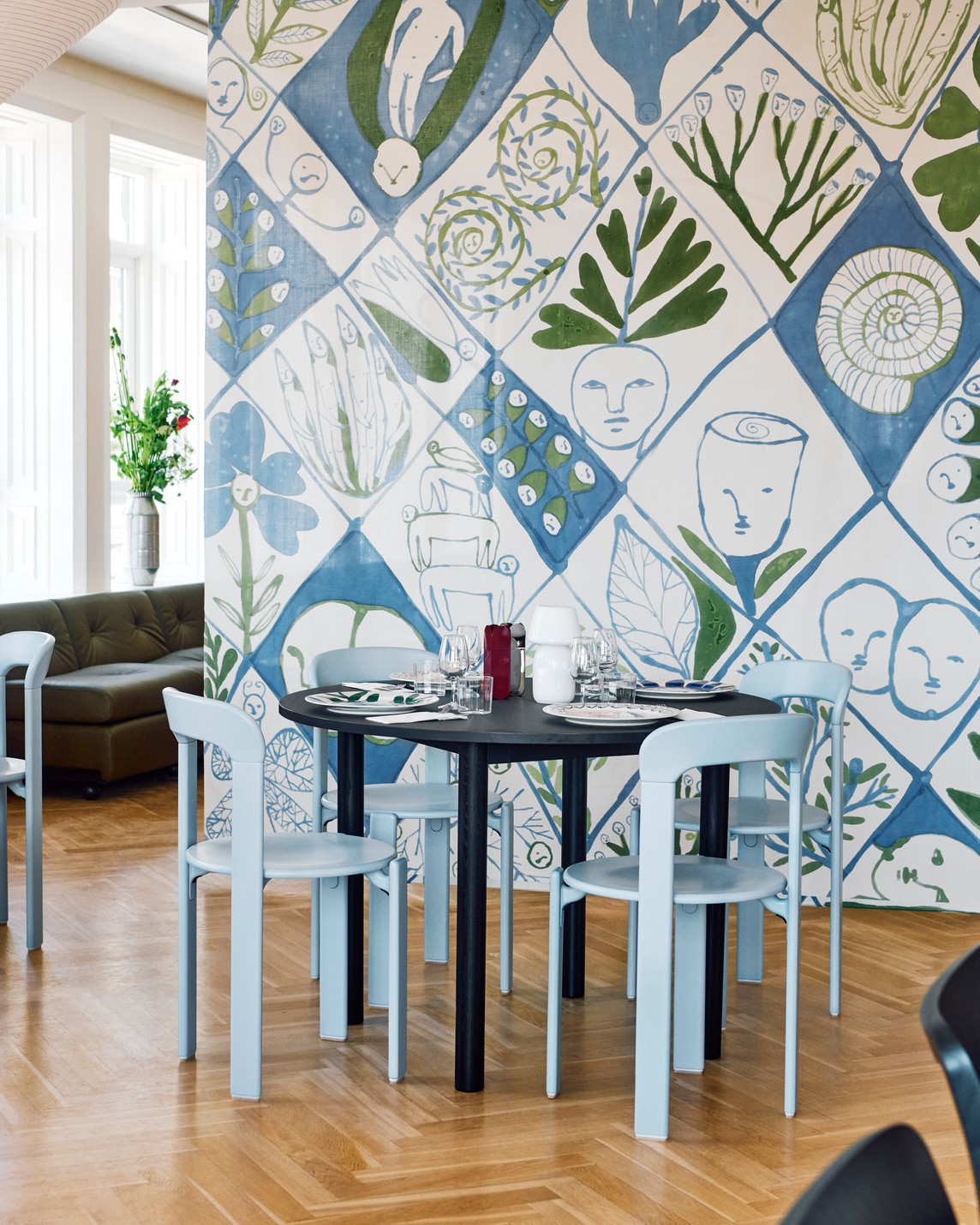
Practicality: Can Art Withstand the Dishwasher?
As an editor, I am often asked if these "artistic" pieces are actually practical for a busy household. It’s a valid concern—no one wants to spend thirty minutes hand-washing plates after a dinner party.
Practicality-wise, La Pittura ticks every box. Despite their delicate appearance, these pieces are dishwasher-safe and microwave-safe. The stoneware is fired at incredibly high temperatures, creating a non-porous surface that doesn't absorb food odors or stains.
We also tested the stackability. Often, "organic" shapes with irregular rims can be a nightmare to store. However, Hay has engineered the bases of the bowls and plates to stack efficiently, ensuring they won't take up an unreasonable amount of space in your kitchen cabinets. They are designed for the reality of modern living: beautiful enough for a gallery, but tough enough for a Tuesday night pasta dinner.
Conclusion: Elevating the Hosting Style
Mastering the art of dining isn't about following strict etiquette; it's about creating an atmosphere. The Hay La Pittura collection succeeds because it doesn't take itself too seriously. It invites conversation, brings a sense of humor to the table, and reminds us that even our most utilitarian objects can be sources of joy.
Whether you start with a single "Moon Face" bowl or invest in the full suite of platters and jugs, you are bringing a piece of Emma Kohlmann’s world into your own. In a world of digital perfection, these hand-painted strokes are a vital reminder of the human touch.
FAQ
Is every piece exactly the same? No. Because each item is hand-painted by an artisan, there will be slight variations in the line weight and color intensity. This is considered a mark of quality and uniqueness, not a defect.
Can I use these for formal occasions? Absolutely. The trend for 2026 is "Eclectic Formalism." Pairing these whimsical, hand-painted pieces with high-quality silver cutlery and crisp linen napkins creates a sophisticated, curated look that feels more modern than a traditional gold-rimmed set.
How does stoneware compare to porcelain in terms of weight? Stoneware is generally heavier and more opaque than porcelain. It feels more "substantial" and "grounded," which many people prefer for daily dining as it retains heat better than thinner ceramics.