Quick Facts
- Optimal Temperature: Keep your refrigerator set to 37°F (3°C) and your freezer at 0°F (-18°C) to inhibit bacterial growth while avoiding freezing your produce.
- The Door Trap: Despite having built-in racks, the refrigerator door is the warmest part of the unit; it should never be used for highly perishable items like milk or eggs.
- Efficiency Boost: Cleaning your condenser coils twice a year can reduce your appliance's energy consumption by up to 30%.
- Freshness Secret: Storing citrus fruits like lemons and limes in a sealed jar of water can keep them juicy and mold-free for up to a full month.
- Organization Impact: Transitioning to a "zone-based" bin system reduces the frequency of forgotten food expiration by an estimated 40% through improved visibility.
The refrigerator is arguably the hardest-working appliance in your home. Unlike your oven or dishwasher, which run in discrete cycles, your fridge is a 24/7 thermal marathon runner. Yet, for most households, it is also the most neglected. We treat it like a cold closet—shoving groceries into any available gap and hoping for the best. This "Game of Hide-and-Seek" is a recipe for disaster, leading to forgotten leftovers, wilted greens, and a compressor that works twice as hard as it should.
Mastering your refrigerator isn’t just about making it look like a Pinterest board; it’s about thermodynamic efficiency and food science. When you understand how air moves and how temperatures fluctuate within that insulated box, you can significantly extend the life of your groceries and the appliance itself. Whether you're working with a high-end French door model or a budget top-freezer unit, these 13 professional tips will transform your kitchen's headquarters into a high-performance hub.
I. Master the Temperature Zones
1. The Top-Shelf Rule for Dairy and Eggs
In my years of reviewing kitchen equipment, the most common mistake I see is milk stored in the door. While it's convenient for a quick pour, the door is subject to constant temperature swings every time you reach for a snack. To maximize freshness, the best place to store dairy is on the top shelf. This area maintains a more constant cold temperature compared to the door, which is essential for preventing the early spoilage of milk, eggs, and soft cheeses.
2. Bottom-Level Meat Storage
Raw meat, poultry, and fish should always occupy the lowest shelf. There are two reasons for this: it is typically the coldest part of the main compartment, and it prevents cross-contamination. If a package of chicken leaks, you don't want those juices dripping onto your fresh produce or leftovers below. By keeping proteins at the "basement" level, you contain potential hazards and maximize cold exposure.
3. The 'Zone-Based' Bin System
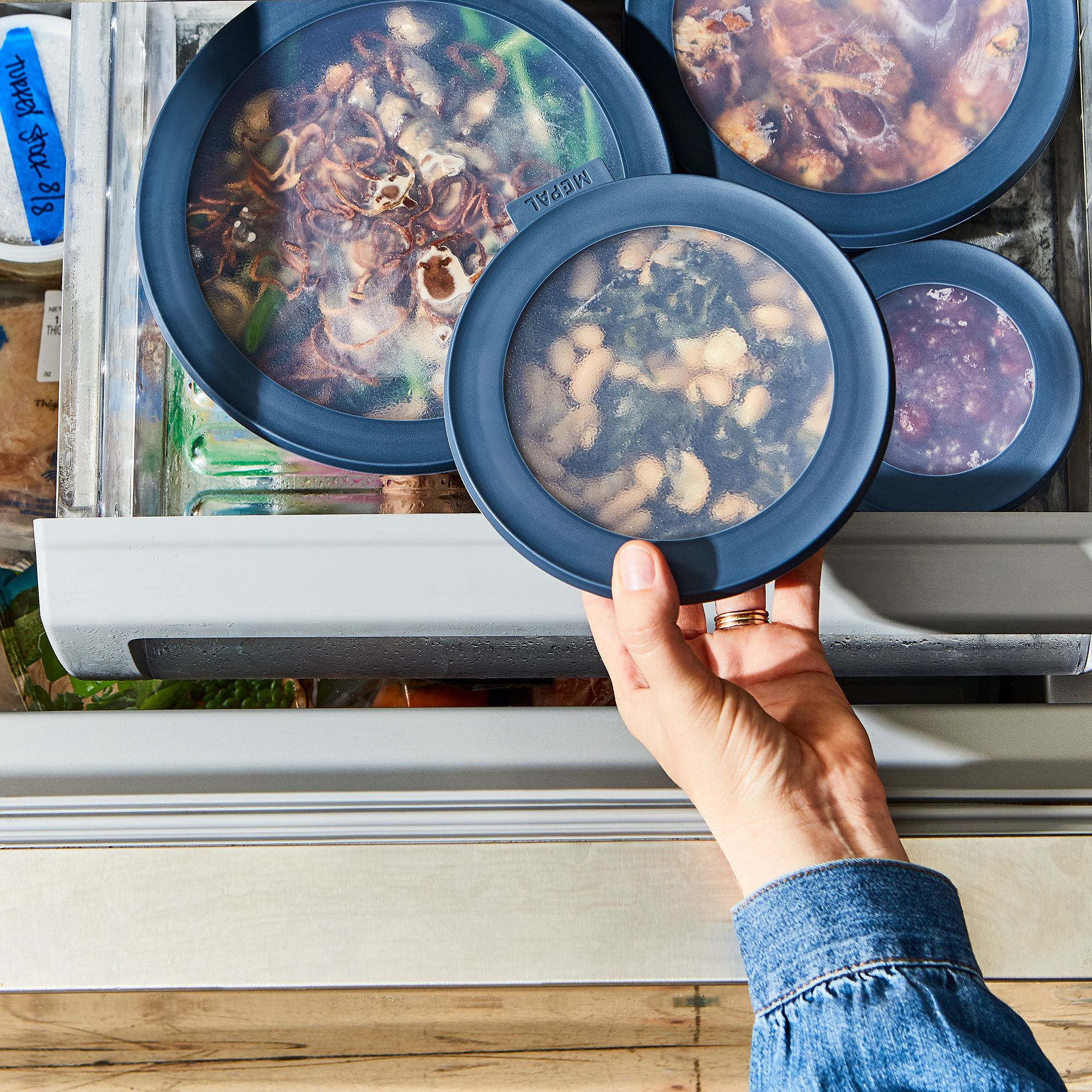
Consistency is the enemy of waste. When you use a "zone-based" bin system—grouping like items into clear, removable containers—you gain immediate visual inventory. Statistics show that transitioning from standard shelving to a bin system reduces forgotten food expiration by an estimated 40%. It stops the "black hole" effect where a jar of pesto disappears behind a gallon of juice, only to be rediscovered three months past its prime.
Pro Tip: When setting up your zones, place "Eat First" items (those nearing their expiration date) in a dedicated clear bin at eye level. This simple visual cue drastically reduces food waste and saves you money.
II. Pro Hacks for Produce Longevity
4. The Herb Bouquet Method
Leafy herbs like cilantro, parsley, and mint often turn to slime within days when left in plastic bags. Instead, treat them like fresh-cut flowers. Trim the stems and place them in a mason jar with an inch of water, then cover the tops loosely with a reusable silicone bag or the original plastic produce bag. This keeps the leaves hydrated while allowing them to breathe, tripling their shelf life.
5. The Citrus Hydration Trick
Lemons and limes have porous skins that allow moisture to escape, leading to that rock-hard, dried-out texture we’ve all encountered. If you want to keep citrus fresh longer, store them in a sealed container filled with water inside the refrigerator. This prevents the skin from drying out and maintains that "just-picked" juiciness for up to a month. It’s a trick used by professional chefs to ensure they always have high-quality zest and juice on hand.
6. Airflow and the 'No Plastic' Rule
Standard grocery store plastic bags are the enemies of freshness. They trap ethylene gas—a natural ripening agent—which causes fruits and vegetables to rot prematurely. When you get home, remove produce from plastic bags. For items that need humidity (like carrots or broccoli), use perforated bags or specialized produce keepers. For everything else, a little breathing room is the secret to crispness.
| Category | Storage Location | Best Practice |
|---|---|---|
| Milk & Eggs | Top Shelf | Keep away from the door to maintain temp. |
| Raw Meat | Bottom Shelf | Use a tray to catch any potential drips. |
| Leafy Greens | High-Humidity Crisper | Wrap loosely in a damp paper towel. |
| Citrus | Main Shelf | Submerge in water in a sealed container. |
| Condiments | Door Racks | These are shelf-stable enough for temp swings. |
III. Organizational Systems for Visual Calm
7. Clear Bin Uniformity
Visual clutter leads to mental clutter—and forgotten food. Using transparent, BPA-free containers creates a "quiet luxury" aesthetic while serving a vital function: you can see exactly how much of an ingredient you have left. When you can see the back of the shelf through the bins, you’re less likely to overbuy at the grocery store.
8. The Lazy Susan for Condiments
The back corners of a refrigerator are where condiments go to die. By installing a 10- or 12-inch Lazy Susan (turntable) on a middle shelf, you bring the "hidden" items to the front with a simple flick of the wrist. This is perfect for jams, hot sauces, and pickles, ensuring that the half-used jar of Dijon doesn't get pushed into the abyss.
9. Smart Labeling Habits
Adopt the "First In, First Out" (FIFO) method used in commercial kitchens. Keep a roll of painter's tape and a permanent marker in a kitchen drawer. When you open a new jar of salsa or put away leftovers, write the date on a piece of tape and stick it on the container. This eliminates the "sniff test" guessing game and ensures you’re always consuming food at its peak safety and flavor.
10. Grouping by Habit (The 'Breakfast Station')
Think about how you use your fridge. If you make the same smoothie every morning, group the almond milk, spinach, and flax seeds together in one bin. This "Breakfast Station" approach means you only pull out one container instead of standing with the door open for three minutes searching for individual items. This habit doesn't just save you time; it prevents cold air from escaping, which protects your food and your energy bill.
IV. Maintenance for Peak Efficiency
11. The 2-Inch Airflow Gap
The way you position your refrigerator in your kitchen matters more than you might think. Maintaining a 2-inch gap between the back of the refrigerator and the wall can improve heat dissipation efficiency by approximately 15% compared to flush-mounted units. Your fridge works by pulling heat out of the interior and venting it out the back or bottom. If there’s no room for that heat to escape, the motor has to run longer and hotter, shortening the lifespan of the compressor.
12. Condenser Coil Deep Cleaning
This is the single most important maintenance task most homeowners ignore. The condenser coils—usually located at the back or bottom behind a grille—are responsible for releasing heat. Over time, they become magnets for dust, pet hair, and lint. Cleaning your refrigerator’s condenser coils removes dust buildup that obstructs airflow, which can boost energy efficiency by up to 30%. I recommend using a coil brush and a vacuum once every six months.
13. The Paper Test for Gasket Seals
Your refrigerator's door seal (the gasket) is what keeps the cold in and the heat out. Over time, these rubber strips can become brittle or dirty, allowing "micro-leaks." To check yours, try the paper test: Close the door on a dollar bill or a piece of paper so that half is sticking out. If you can pull the paper out easily without resistance, your seal is weak. Cleaning the gasket with warm soapy water often restores the "grip," but if it’s cracked, replacing it is a cheap fix that can save you hundreds in energy costs.
By the Numbers: A refrigerator with a faulty door seal can lose up to 25% of its cooling capacity, forcing the compressor to work nearly double the amount of time to maintain temperature.
FAQ
Q: Should I store potatoes and onions in the refrigerator? A: Generally, no. Refrigeration converts potato starch into sugar, affecting texture and flavor. Onions can become soft and impart their scent to other foods. Both are better kept in a cool, dark, dry pantry—just keep them away from each other, as onions emit gases that make potatoes sprout faster.
Q: How often should I deep-clean the interior? A: I recommend a "surface wipe" once a week before you go grocery shopping. A full deep clean—taking out all bins and shelves—should happen every three to four months. Use a mixture of white vinegar and water rather than harsh chemicals, which can linger in the confined space.
Q: Is a crowded fridge better for efficiency? A: Yes and no. A fridge that is about 70-80% full is the most efficient because the cold items act as "thermal mass," helping maintain the temperature when the door is opened. However, if you pack it so tightly that air cannot circulate between the items, you’ll end up with "hot spots" and frozen vegetables.
Master Your Kitchen Today
A well-organized refrigerator is more than just a home for your groceries; it’s a tool for a more efficient, less wasteful lifestyle. By implementing these thirteen tips, you’re not only protecting your investment in fresh food but also extending the life of one of your home's most expensive appliances. Start with the "2-inch gap" check today, and move on to the "bin system" this weekend—your wallet and your taste buds will thank you.