Quick Facts
- Design Philosophy: "Downtime" – a balance of professional-grade efficiency and warm, Scandi-style hospitality.
- The Countertop Rule: Clear surfaces are achieved not through restriction, but through high-capacity, custom-engineered drawer systems.
- Knife Count: 10 to 12 high-quality professional knives are superior to standard 20+ piece consumer sets.
- Efficiency Hack: Uniform, labeled clear containers in the pantry can reduce meal prep search time by up to 25%.
- Key Habit: The professional "clean-as-you-go" rule is the secret to a stress-free home kitchen.
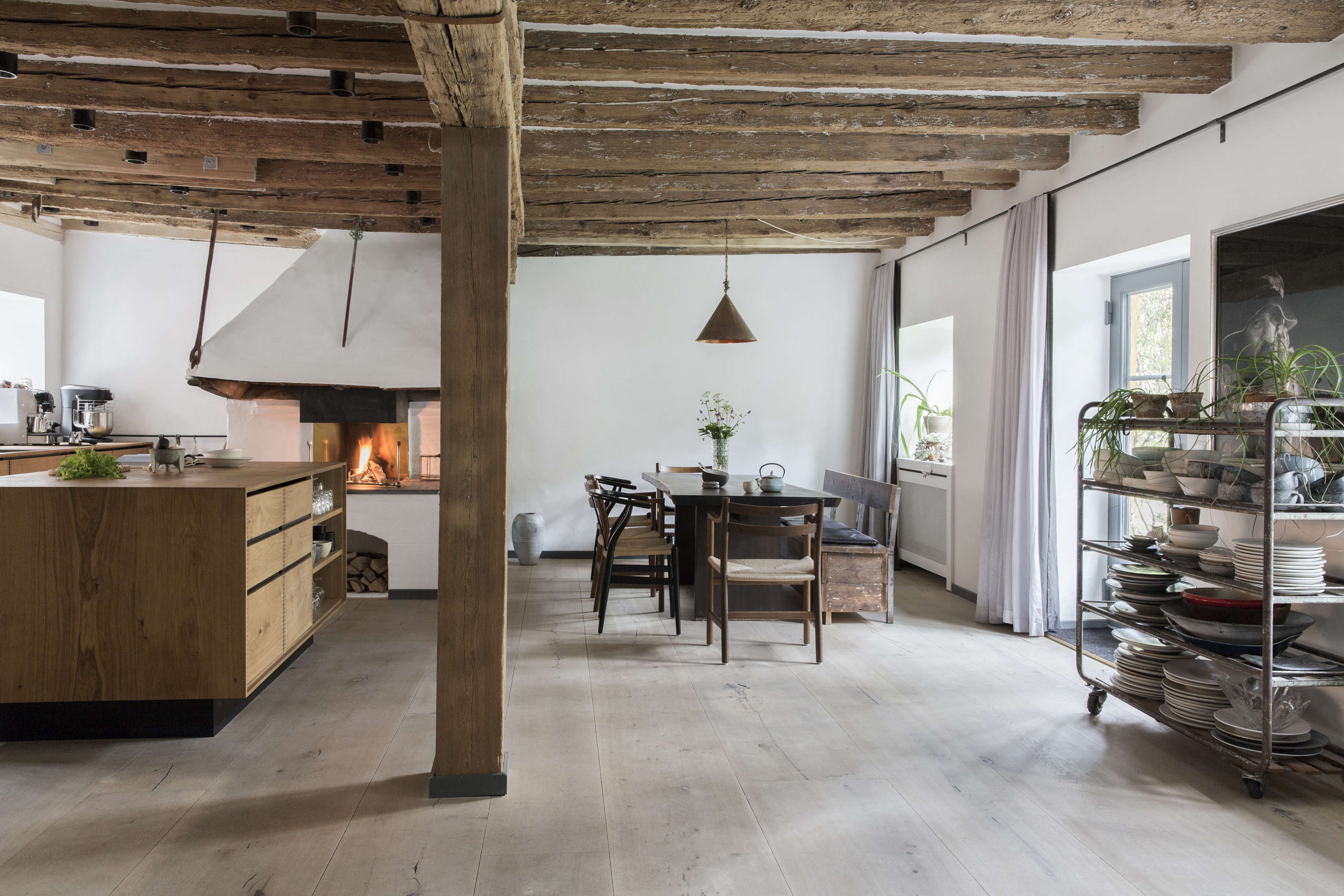
Imagine stepping into a kitchen where the air feels light, the surfaces are impeccably bare, and yet, the warmth of a family home is unmistakable. This is the world of Nadine Redzepi. As the woman behind the home life of one of the world’s most celebrated chefs, René Redzepi, and the author of the soul-stirring cookbook Downtime, Nadine has mastered a rare culinary duality. Her kitchen is a masterclass in Scandi-style organization: it possesses the rigorous logic of a professional line while maintaining the soft, lived-in comfort of a space meant for children, friends, and long, slow Sunday roasts.
For many of us, the kitchen is a site of constant negotiation between "stuff" and "space." We want the professional tools, but we don't want the clutter. Nadine’s approach offers a refreshing solution. It’s not about owning less; it’s about storing better and moving smarter. By focusing on intentional systems rather than just aesthetic minimalism, she has created a blueprint for a functional home that breathes.
The Secret to Bare Countertops: High-Functioning Storage
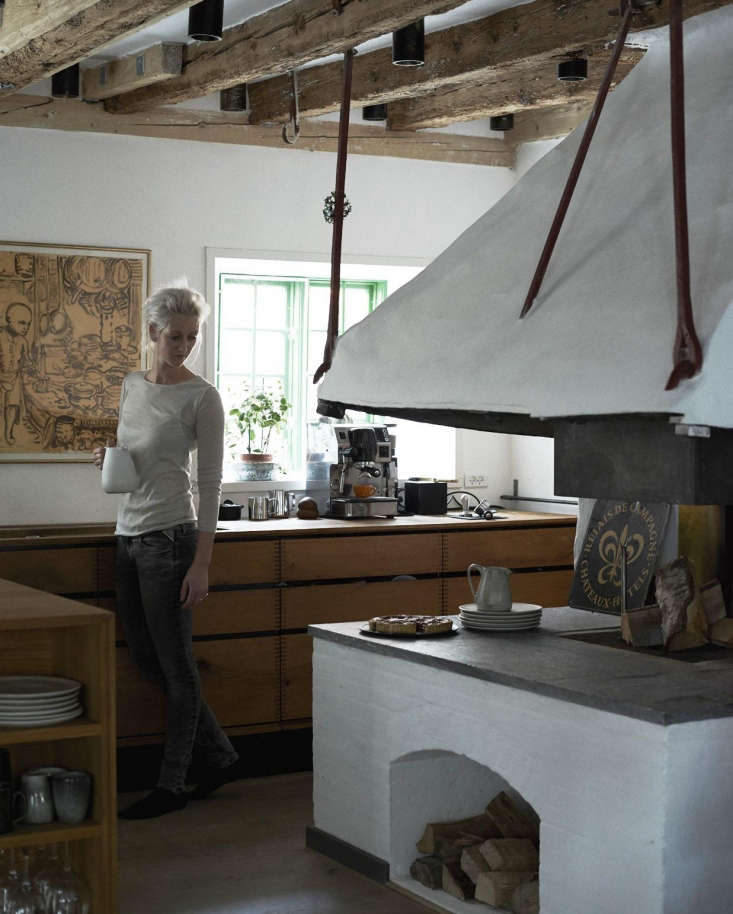
One of the most striking features of Nadine Redzepi’s Copenhagen kitchen is the absence of clutter. There are no toasters, spice racks, or utensil crocks populating the periphery of her workspace. To the uninitiated, it looks like magic. To the organizer, it is the result of a deliberate investment in high-functioning storage.
Nadine often emphasizes that while architects design the shell of a kitchen, it is the carpenter’s understanding of wood and movement that creates the soul. Her secret to maintaining clear kitchen countertops is an investment in deep, custom cabinetry and high-capacity drawers. In a professional kitchen, every second counts, and Nadine brings this logic home by ensuring that even her largest tools—food processors, stand mixers, and heavy Dutch ovens—have a dedicated home inside a drawer rather than on the counter.
"A kitchen should be built for people, not for the tools we use to feed them. When you clear the physical clutter, you clear the mental space to enjoy the act of cooking."
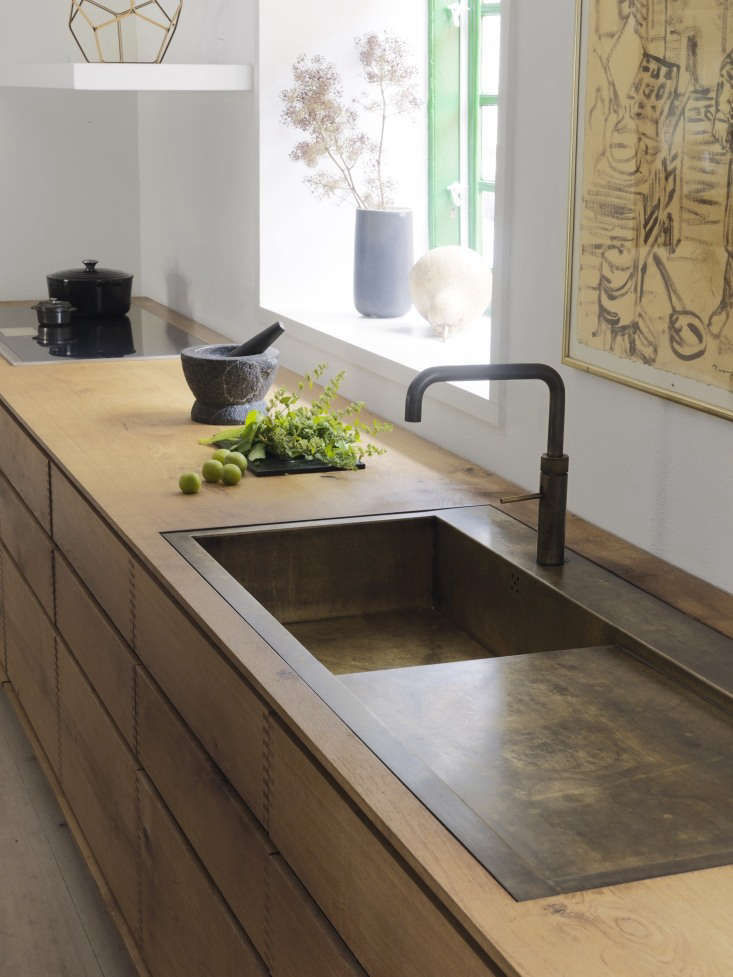
By utilizing heavy-duty runners and tiered drawer-within-a-drawer systems, she maximizes every square inch of vertical space within the cabinets. This allows tools to be tucked away instantly, leaving the beautiful Dinesen wood and brass surfaces free for prep work and conversation.
Professional Pantry Organization: The Noma-Style System
If the countertops represent the "Scandi-Minimal" aesthetic, the pantry represents the "Professional Efficiency." Nadine’s pantry system is heavily influenced by the organizational rigor found at Noma. The core of this system is visibility.
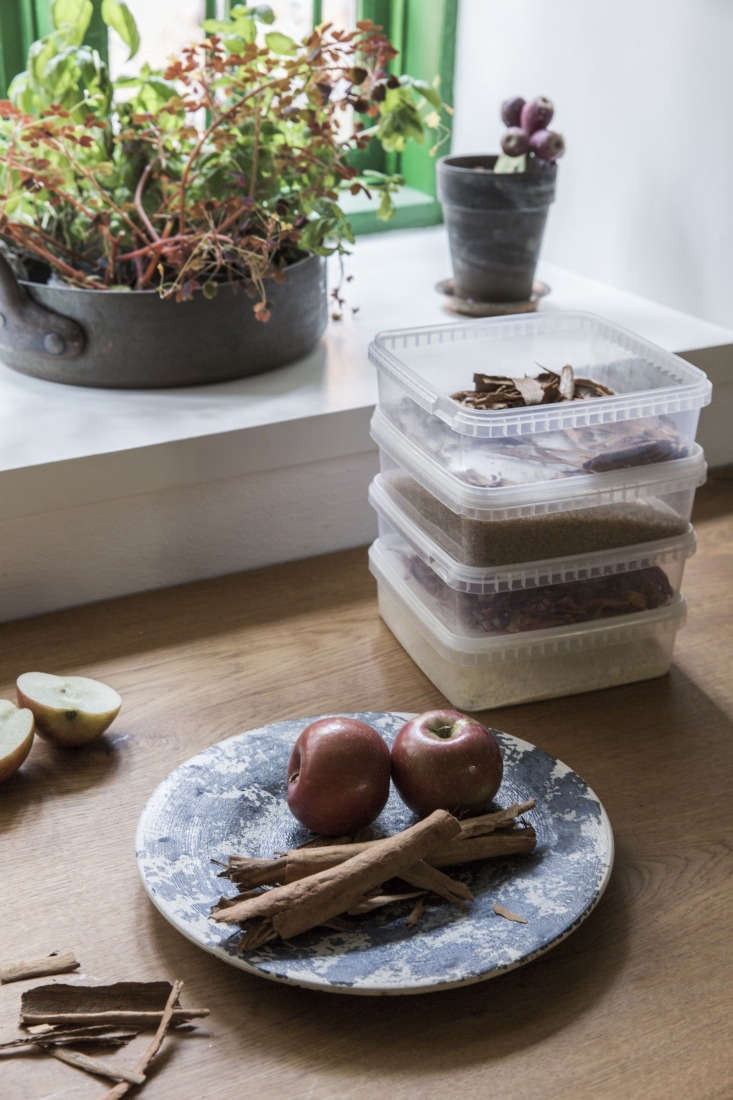
Research into kitchen workflows suggests that transitioning to a uniform clear labeling system can reduce meal prep search time by up to 25%. When you can see your inventory at a glance, you spend less time rummaging and more time creating. Nadine utilizes stackable, clear glass or high-quality plastic containers for all dry goods—from different varieties of heirloom grains to the various nuts and seeds used for her famous granolas.
How to Build a Redzepi-Inspired Pantry:
- Uniformity is Priority: Use the same brand and style of container throughout. This ensures they stack perfectly and eliminates visual "noise."
- Clear Visibility: Avoid opaque jars. Seeing the color and texture of your ingredients is part of the Scandi kitchen's natural beauty.
- The Chalk Marker Method: Label containers using white chalk-based markers. This allows for easy cleaning and relabeling when you switch from farro to lentils, keeping the space streamlined and flexible.
- Bulk Storage Down Low: Store heavy, bulk bags of flour or sugar in large bins on the lowest shelves, keeping frequently used items at eye level.
The Professional Knife Drawer: Quality Over Quantity
The modern consumer market often convinces home cooks that they need a massive block of 20 or more knives. Nadine Redzepi’s kitchen debunks this myth entirely. While a typical consumer set is filled with "filler" blades that rarely see the light of day, a professional-grade home kitchen requires only 10 to 12 high-quality knives for all tasks.
Nadine advocates for a dedicated knife drawer located directly within the central kitchen island. This placement is strategic: the island is the primary prep station, and having your blades accessible with a single pull—rather than reaching across a counter to a wooden block—optimizes the workflow.
| Feature | Standard Consumer Set | Nadine’s Professional Approach |
|---|---|---|
| Quantity | 20+ pieces (often low quality) | 10–12 high-quality, essential blades |
| Storage | Countertop knife block | Dedicated, protective drawer inserts |
| Accessibility | Stationary on a far surface | Centralized at the prep station |
| Maintenance | Rarely sharpened | Honed regularly for safety and precision |
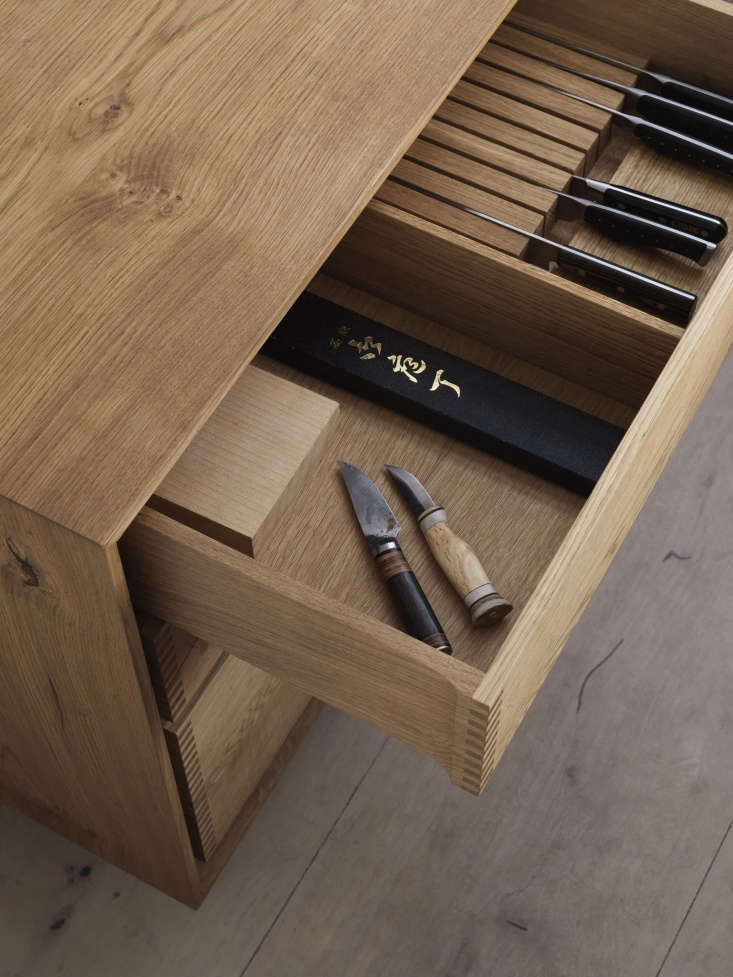
By curating a smaller selection of professional knives—such as a chef’s knife, a paring knife, a serrated bread knife, and a few specific Japanese blades—you not only save drawer space but also ensure that every tool you reach for is a joy to use.
Implementing 'Clean-As-You-Go' and Other Restaurant Habits
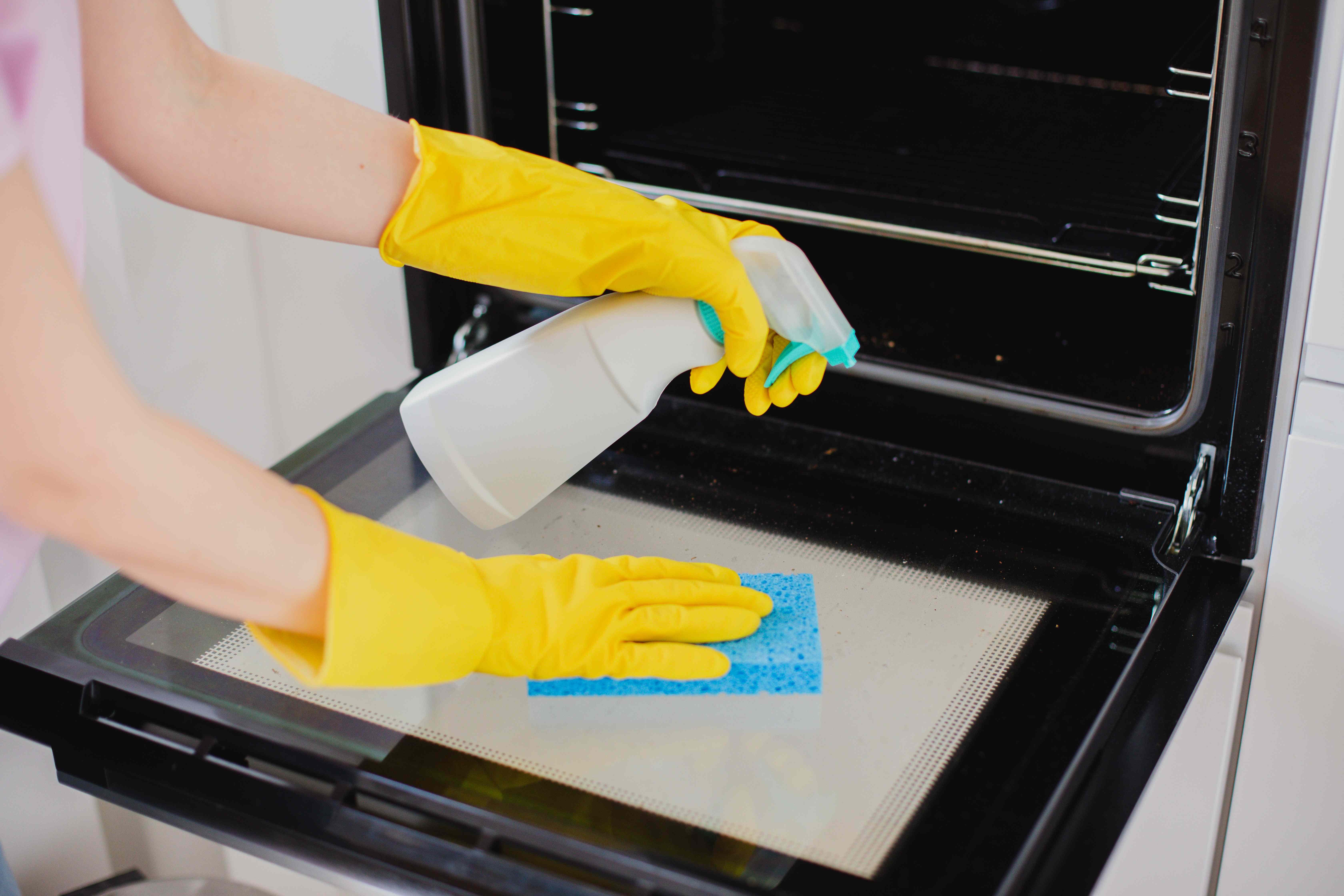
The most profound secret to Nadine’s well-ordered kitchen isn't a product; it’s a habit. In the culinary world, "Mise en place" (everything in its place) extends beyond the ingredients to the environment itself. Nadine emphasizes the "clean-as-you-go" rule as the single most effective way to prevent the dreaded "crusty dish" pile-up.
In a professional kitchen, a dirty station is a slow station. At home, a dirty kitchen is an overwhelming one. By cleaning tools and wiping surfaces in the small windows of time while onions are sautéing or water is boiling, the kitchen remains in a constant state of readiness.
Another professional element Nadine has integrated for efficiency is the boiling-water tap (such as a Quooker). This eliminates the need for a kettle taking up counter space and provides instant boiling water for everything from blanching vegetables to cleaning stubborn pans.
Balancing Open vs. Hidden Storage
While the counters are bare, the kitchen is far from cold. Nadine achieves a "living" feel by strategically using open storage for items that carry sentimental or aesthetic value. This is the "Downtime" philosophy in action: making the kitchen feel like a room in the house, not just a laboratory.
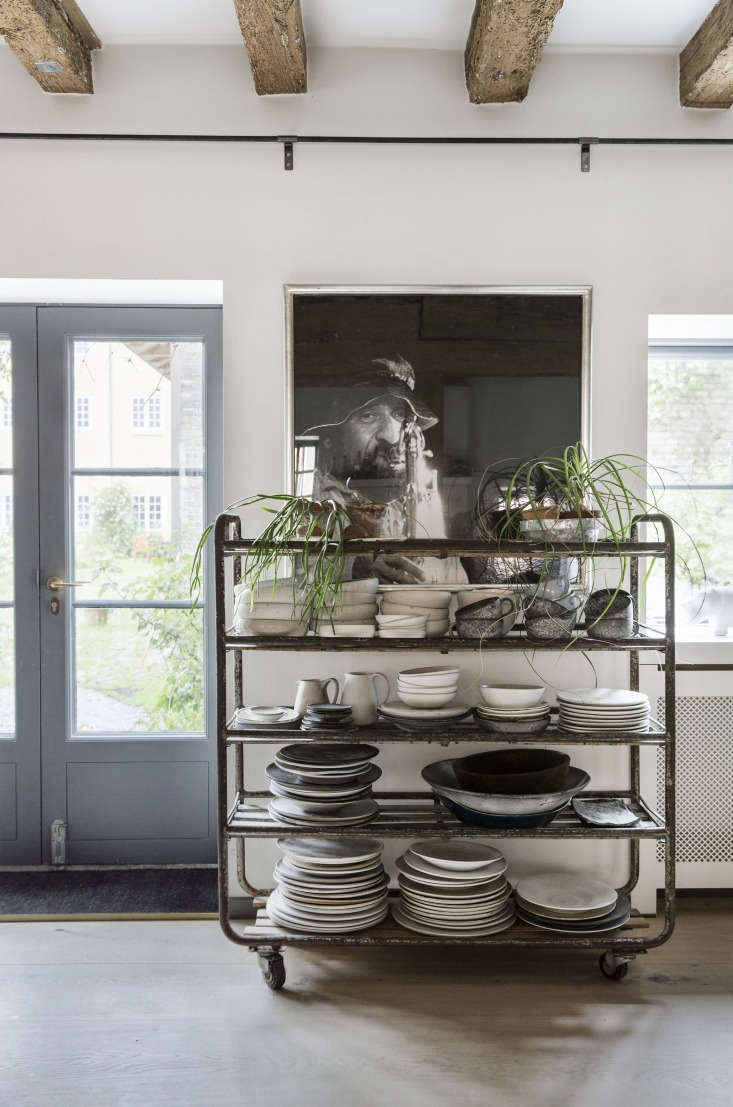
- The Antique Cart: A mobile wooden cart on wheels serves as a flexible station for serving or holding seasonal produce.
- Open Lower Shelving: The kitchen island features open lower shelves to display stacks of beautiful, mismatched ceramics.
- Small Plate Plating: Nadine prefers using smaller plates for home meals, which not only helps with portion control but also makes the "plating" of home-cooked food feel more intentional and artisanal.
- Utensil Rails: For the most-reached-for tools—like a favorite whisk or a pair of tongs—a simple brass rail provides access without the clutter of a countertop jar.
Future-Proofing: How Nadine’s Style Meets 2026 Trends
As we look toward 2026, kitchen design is moving away from the "work triangle" toward "Zone-Based Layouts." Nadine’s kitchen was ahead of its time in this regard. Her space is divided into distinct zones:
- The Prep Zone: The large central island with integrated knife storage and waste chutes.
- The Hydration Station: Built around the boiling-water tap and coffee setup, tucked away from the main cooking heat.
- The Cooking Zone: Centered on professional-grade appliances like the Thermomix and a high-output range.
The focus for the future of home organization is on movement. Wider walkways (at least 48 inches) and a lack of overhead cabinets make the kitchen feel expansive and allow multiple people to cook together without bumping into one another. It’s a shift from "storage-first" design to "people-first" design.
FAQ
Q: I don’t have a large kitchen. How can I implement Nadine's "bare countertop" rule? A: You don't need a massive kitchen; you need prioritized storage. Start by "editing" your appliances. If you don't use it every single day, it shouldn't be on the counter. Use vertical organizers inside your existing cabinets to create "slots" for baking sheets and cutting boards, which frees up horizontal space.
Q: What is the most important "pro" tool for a home kitchen? A: Beyond a high-quality chef's knife, Nadine often speaks of the Thermomix. It's a professional-grade tool that replaces a dozen smaller gadgets (blender, scale, steamer, etc.), which aligns perfectly with the goal of reducing clutter while increasing capability.
Q: How do I maintain a "clean-as-you-go" habit when I'm exhausted after work? A: The key is to start with an empty dishwasher or sink. If you begin your cooking session with a clean slate, you'll be more motivated to keep it that way. Make it a game: can you have the cutting board washed and dried before the pasta is finished cooking?
Are you ready to transform your kitchen into a sanctuary of Scandi efficiency?
Creating a well-ordered home isn't about achieving a state of perfection; it's about building a system that supports your lifestyle. By adopting Nadine Redzepi’s blend of professional habits and warm, intentional design, you can create a kitchen that is not only a joy to cook in but a calm, beautiful heart of your home.