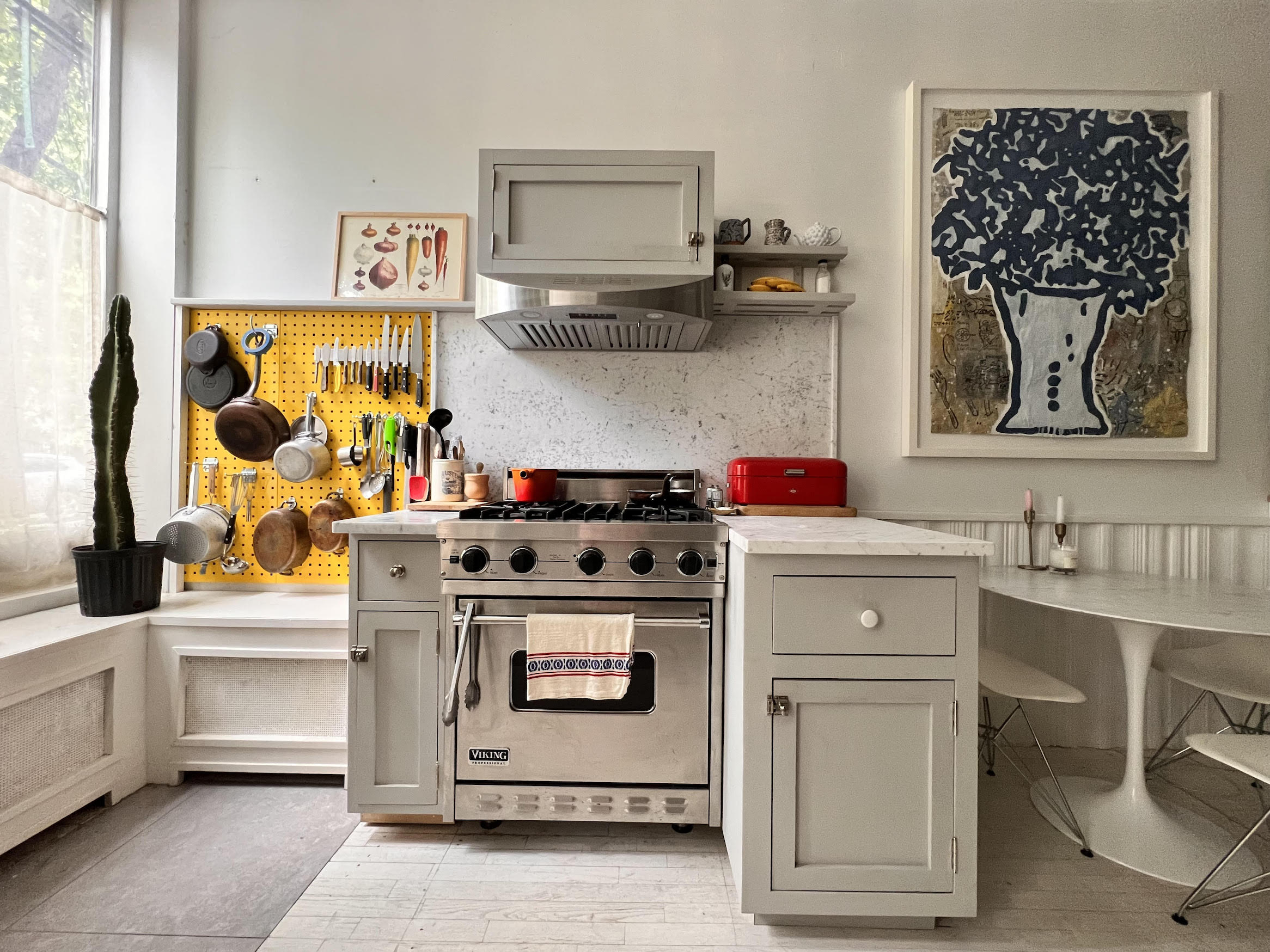
I’ve stood in hundreds of Manhattan kitchens where the "square footage" is more of a suggestion than a reality. In a 250-square-foot kitchen, every inch is a negotiation between form and function. This footprint—common in modern urban condos and classic NYC walk-ups—is what I call the "high-performance zone." It is large enough to be a serious culinary space but small enough that a single misplaced stand mixer can create a logistical bottleneck.
To maximize a 250-square-foot kitchen, the secret lies in three pillars: utilizing vertical space with custom pegboards, installing under-shelf baskets to double your cabinet layers, and employing slim rolling carts for those awkward gaps between appliances. You don’t need a full-scale renovation to transform a cramped galley into a chef’s sanctuary. By implementing collapsible tools and nesting bowls, you can keep your countertops clear while adding magnetic strips for knives to eliminate bulky blocks. My goal today is to help you move past "making do" and into a state of frictionless cooking.
Master the Zones: The Drawer Zone & Task Method
The most common mistake I see in compact kitchen layouts is organizing by "item type" rather than "activity." In a small space, you cannot afford to walk back and forth across the room. I recommend the Task Method, which divides the kitchen into four distinct zones: Prep, Cook, Clean, and Snack.
In the Prep Zone, your nesting bowls and cutting boards should live within arm’s reach of your primary counter space. In the Cook Zone, your oils, spices, and heavy pans should be positioned near the range. This reduces "decision fatigue"—the mental drain of searching for a tool mid-recipe.
For daily maintenance, I advocate for the '1-Shelf Rule': Keep only the items you use daily on the most accessible shelf. Everything else—the turkey roaster, the heavy-duty blender, the holiday platters—should be relegated to "deep storage" (the very top or very bottom of your cabinetry). This keeps your prime real estate open for the items that actually power your life.
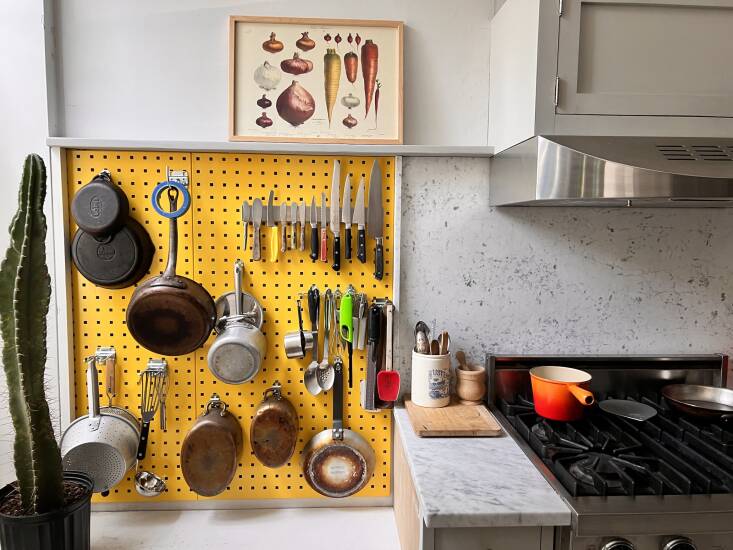
Sophie’s Pro Tip: Use magnetic strips for your knives. Not only does this keep blades sharper by preventing them from clashing in a drawer, but it also frees up roughly 50 square inches of precious countertop space usually occupied by a knife block.
Going Vertical: The 45% Storage Boost
When you run out of floor space, look up. The wall is your most underutilized asset. I’m a firm believer in the "Julia Child" approach to kitchen organization: if you use it often, hang it up.
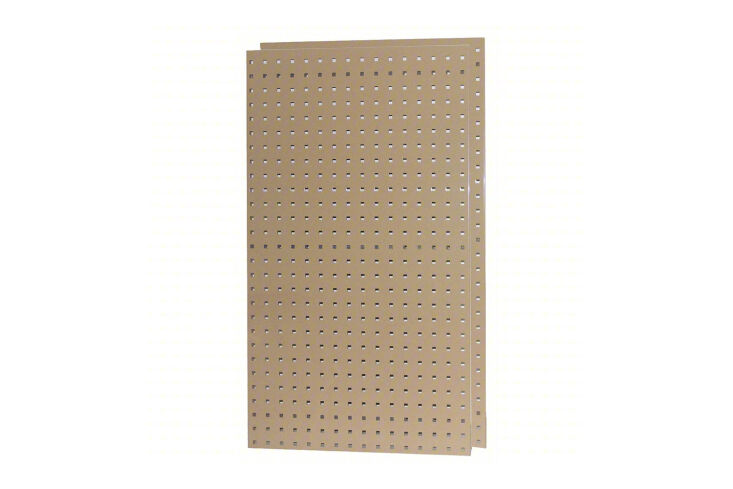
A floor-to-ceiling DIY pegboard system is the gold standard for 250-square-foot layouts. I specifically recommend powder-coated steel panels over traditional pressed wood; they handle the weight of cast iron skillets without sagging and are much easier to wipe clean in a greasy environment.
Core Data: Implementing a floor-to-ceiling DIY pegboard system can increase accessible tool storage by up to 45% in a compact 250-square-foot kitchen.
Beyond the pegboard, consider the space above your sink. Traditional drying racks take up a massive amount of counter space. Over-the-sink modular racks allow water to drip directly into the basin, keeping your counters dry and available for food prep. Similarly, magnetic spice racks attached to the side of the refrigerator can move dozens of small jars out of your cabinets, clearing entire shelves for larger items.
Smart Cabinetry: Pull-Outs and Deep-Drawer Solutions
Standard cabinetry is often poorly designed for small spaces, featuring deep, dark "caverns" where Tupperware goes to die. To fix this without a remodel, you need to introduce internal architecture.
The most effective organizers for compact kitchens include stackable shelf inserts and door-mounted racks. Shelf inserts allow you to stack plates, bowls, and mugs without creating precarious towers that are difficult to navigate. Door-mounted racks are a game-changer for lids and cutting boards—items that are notoriously difficult to stack.
| Organizer Type | Best For | DIY Difficulty | Space Impact |
|---|---|---|---|
| Pegboard System | Heavy pots, pans, utensils | Medium | High (Vertical) |
| Shelf Inserts | Plates, mugs, canned goods | Low | Medium (Internal) |
| Magnetic Strips | Knives, metal spice tins | Low | Low (Counter-clearing) |
| Pull-out Baskets | Deep cabinets, cleaning supplies | Medium | High (Accessibility) |

If you struggle with "Deep Cabinet Syndrome," where items in the back are forgotten, I recommend installing aftermarket pull-out baskets. These glide out on tracks, bringing your back-row items directly to you. It’s an investment in your sanity that prevents you from buying double of what you already own simply because you couldn't see it.
The Collapsible Revolution: Saving 60% Volume
In a 250-square-foot space, the volume of your items is just as important as their placement. We are currently seeing a revolution in high-quality, food-grade silicone and nesting metalware that changes the math of kitchen storage.
Core Data: Transitioning to collapsible and nesting kitchenware reduces cabinet volume requirements by approximately 60% compared to traditional cookware sets.
Think about your colanders, measuring cups, and even your salad spinner. These are mostly air. By switching to collapsible versions, you can fit an entire baking and prep set into a single drawer that previously only held two mixing bowls.
Furthermore, don't ignore the "dead zones"—those 6-to-10-inch gaps between your refrigerator and the wall, or between the oven and the counter. A slim rolling cart can turn these gaps into a hidden pantry or a cleaning supply station. These carts are essentially mobile vertical drawers that disappear when not in use.
2026 Trends: Smart Bins and Visible Pantries
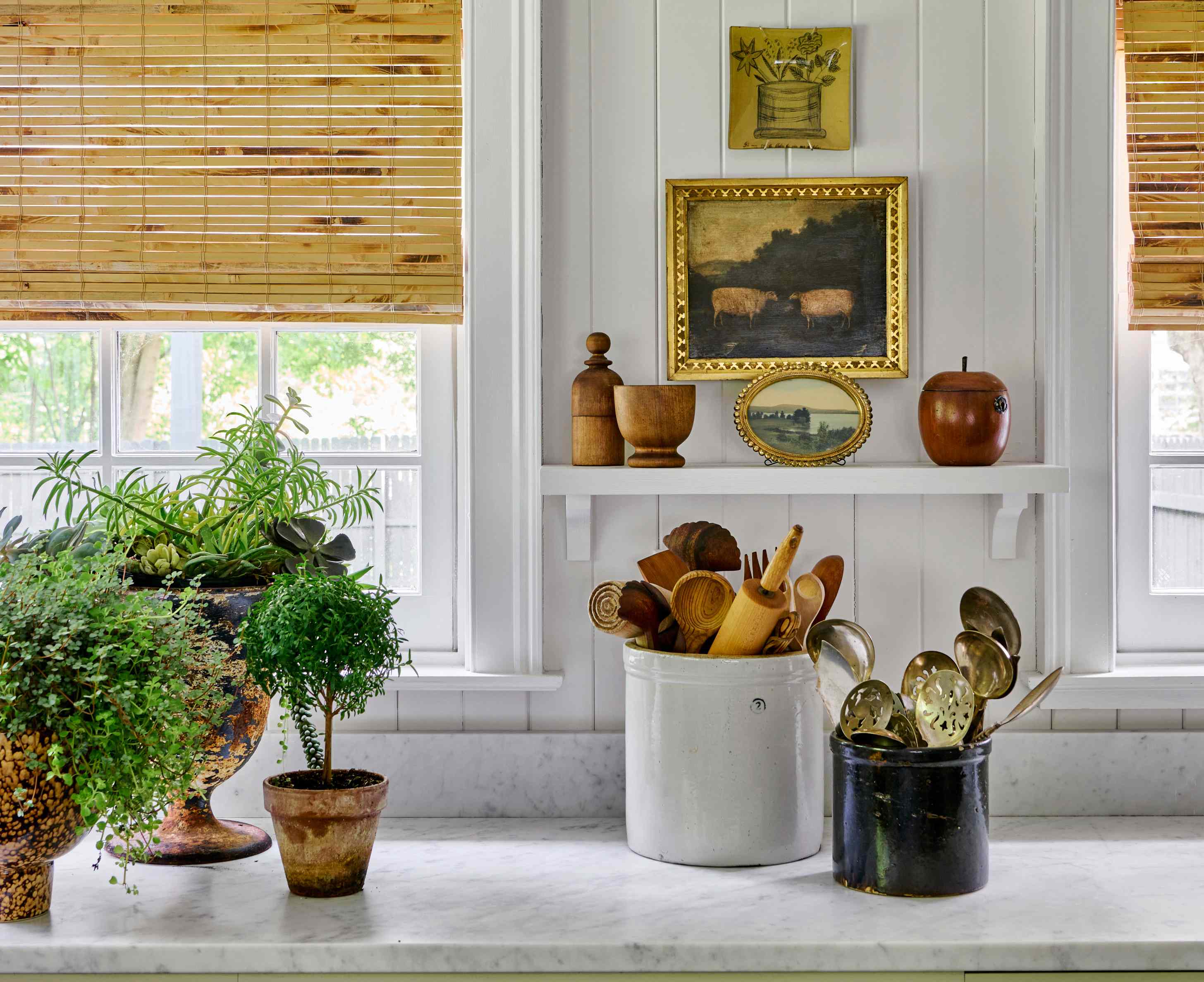
As we look toward 2026, the "aesthetic of order" is shifting. We are moving away from hiding everything behind closed doors and toward "Visible Pantries." This trend relies on uniform, stackable clear food storage containers.
The benefits are two-fold: first, clear containers allow you to see exactly when you’re running low on staples, preventing over-purchasing. Second, uniform shapes (specifically square or rectangular bins) eliminate the "lost space" created by round bags and boxes.
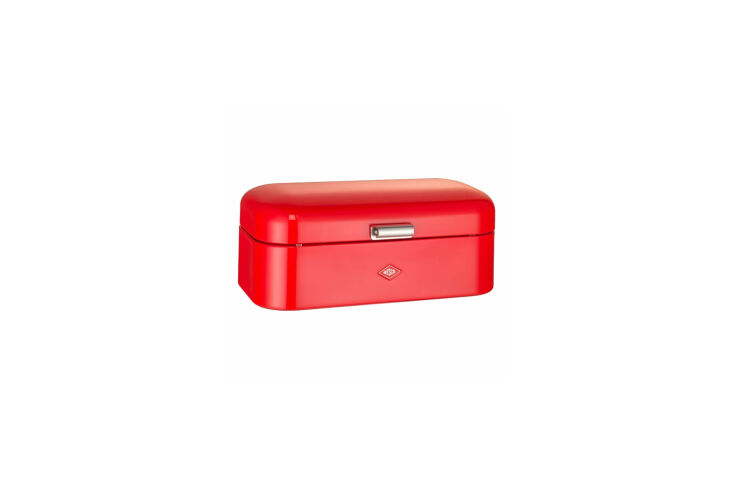
Innovation is also coming to the "Lazy Susan." Modern rotating organizers now feature tiered levels and date-dial lids, allowing you to track the freshness of bulk items. These are perfect for high, hard-to-reach shelves where items typically gather dust. By simply spinning the tray, you bring the back of the shelf to the front, ensuring your inventory stays fresh and visible.
Maintenance: The 5-Minute Kitchen Reset
The best system in the world will fail if it isn’t maintained. In a small kitchen, "clutter creep" happens faster than in a large one. I recommend a 5-Minute Kitchen Reset at the end of every night.
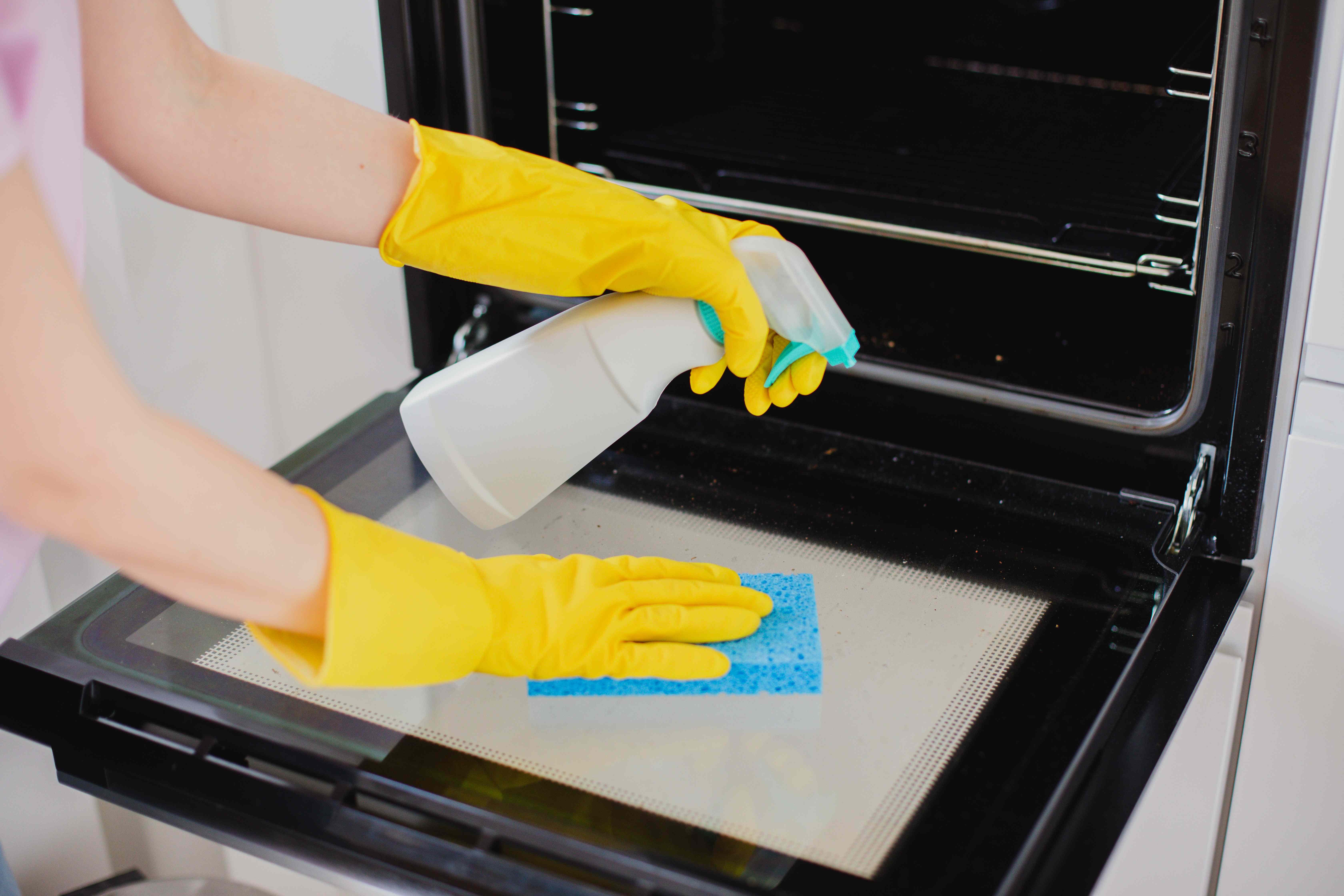
- Clear the Decks: Wipe down all counters. A clear surface signals to the brain that the "work" is done.
- The "One-In, One-Out" Audit: If you buy a new specialty gadget, something else must go.
- Drawer Re-alignment: Quickly straighten the utensil trays.
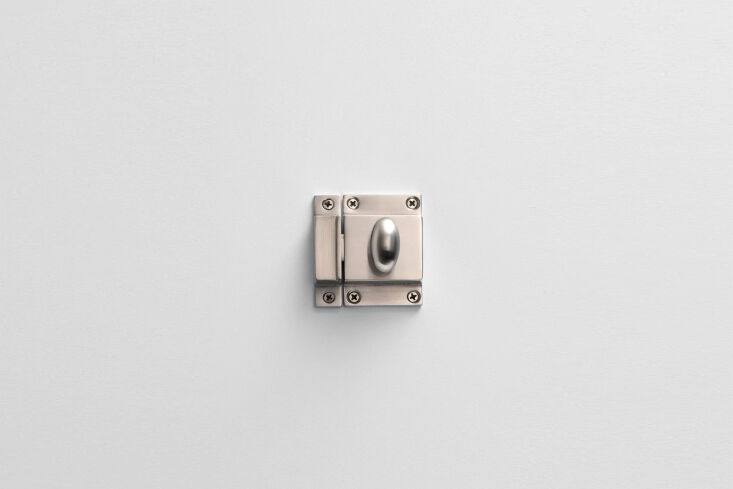
Small details matter. Investing in quality hardware, like satin nickel cabinet latches, ensures that even heavily used storage remains durable. When your drawers glide smoothly and your latches click securely, the act of staying organized feels like a luxury rather than a chore.
FAQ
Q: How do I handle a kitchen with no pantry at all? A: Utilize the "Vertical 45%" rule. Use a wall-mounted shelving unit with uniform bins. If you have a small closet nearby (even a coat closet), consider converting a portion of it into a "secondary pantry" for bulk items, leaving only daily essentials in the kitchen itself.
Q: Are pegboards actually sturdy enough for cast iron? A: Yes, but only if you use powder-coated steel panels and secure them into studs or use high-quality heavy-duty anchors. Avoid the cheap fiberboard versions found at discount hardware stores for heavy cookware.
Q: What is the best way to organize a deep corner cabinet? A: A "Kidney-shaped" Lazy Susan or a "Magic Corner" pull-out system. These are designed to swing out of the cabinet, bringing everything from the dark corners into the light.
Conclusion
Organizing a 250-square-foot kitchen isn't about shrinking your culinary ambitions; it’s about refining your systems. When you transition to vertical storage, embrace the collapsible revolution, and commit to a task-based layout, you reclaim the joy of cooking. Your kitchen should serve you, not the other way around. Start with one zone—perhaps that "junk drawer" or the cabinet under the sink—and feel the immediate relief of a streamlined space.