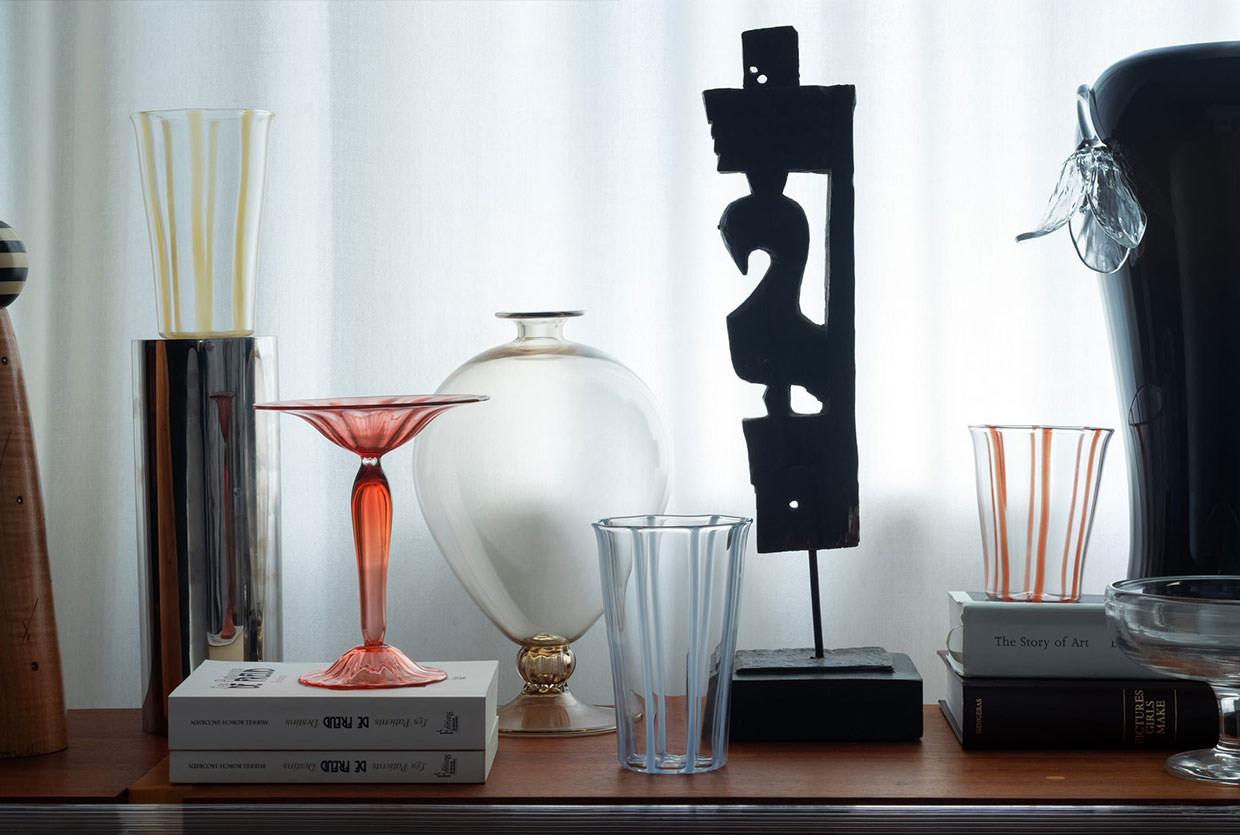
There is a specific kind of alchemy that happens when light meets borosilicate glass at eight o'clock in the morning. As the sun filters through a kitchen window, it catches the soft ripples of a carafe, casting dancing shadows across a linen tablecloth that feel less like kitchenware and more like a quiet morning poem. In the contemporary design landscape, we are moving away from the stark, clinical minimalism that defined the last decade. Today, our homes are becoming sanctuaries of "restrained romance," a movement where functional utility meets organic beauty.
At the forefront of this shift is Sophie Lou Jacobsen. Based in New York but deeply rooted in her French-American heritage, Jacobsen has mastered the art of turning the mundane—pouring water, serving a side salad, lighting a candle—into a curated ritual. Her work represents a pivotal moment in interior styling: a transition toward objects that possess a sculptural soul. Indeed, as we look toward design trends for 2026, industry data indicates that 70% of new artisan collections are focusing on multi-functional glassware—objects that serve their purpose at dinner but remain on the mantle as decorative art long after the guests have left.
Jacobsen’s glassware is a masterclass in this "functional art" philosophy. By drawing from the floral movements of nature and the sophisticated lines of 1930s decorative aesthetics, she creates pieces that feel both nostalgic and radically modern.
The Core Aesthetic: Why Nature and the 1930s Collide
To understand Jacobsen’s appeal is to understand the resurgence of 1930s French decorative arts. Approximately 85% of her latest collection draws inspiration from this era—a time when designers began to soften the rigid geometries of Art Deco with more fluid, organic silhouettes. Jacobsen translates this historical language into a "Nature-Inspired" vernacular that avoids the kitsch of literal floral patterns, opting instead for the feeling of nature: the sway of tall grass, the unfolding of a petal, and the transparency of a morning mist.
Her design language is characterized by flowing forms and a playful use of color. Rather than heavy ornamentation, she utilizes the material itself—the way glass can be pulled, rippled, and curved—to echo the silhouettes of wildflowers. This results in a collection that feels "alive," possessing a kinetic energy even when standing still.
Standout Designs: The Nature-Inspired Collection
When curating a modern living space, the goal is often to find a "hero piece"—an item that anchors the room’s aesthetic. Jacobsen’s collection offers several such contenders.
The Fan-Shaped Pitcher
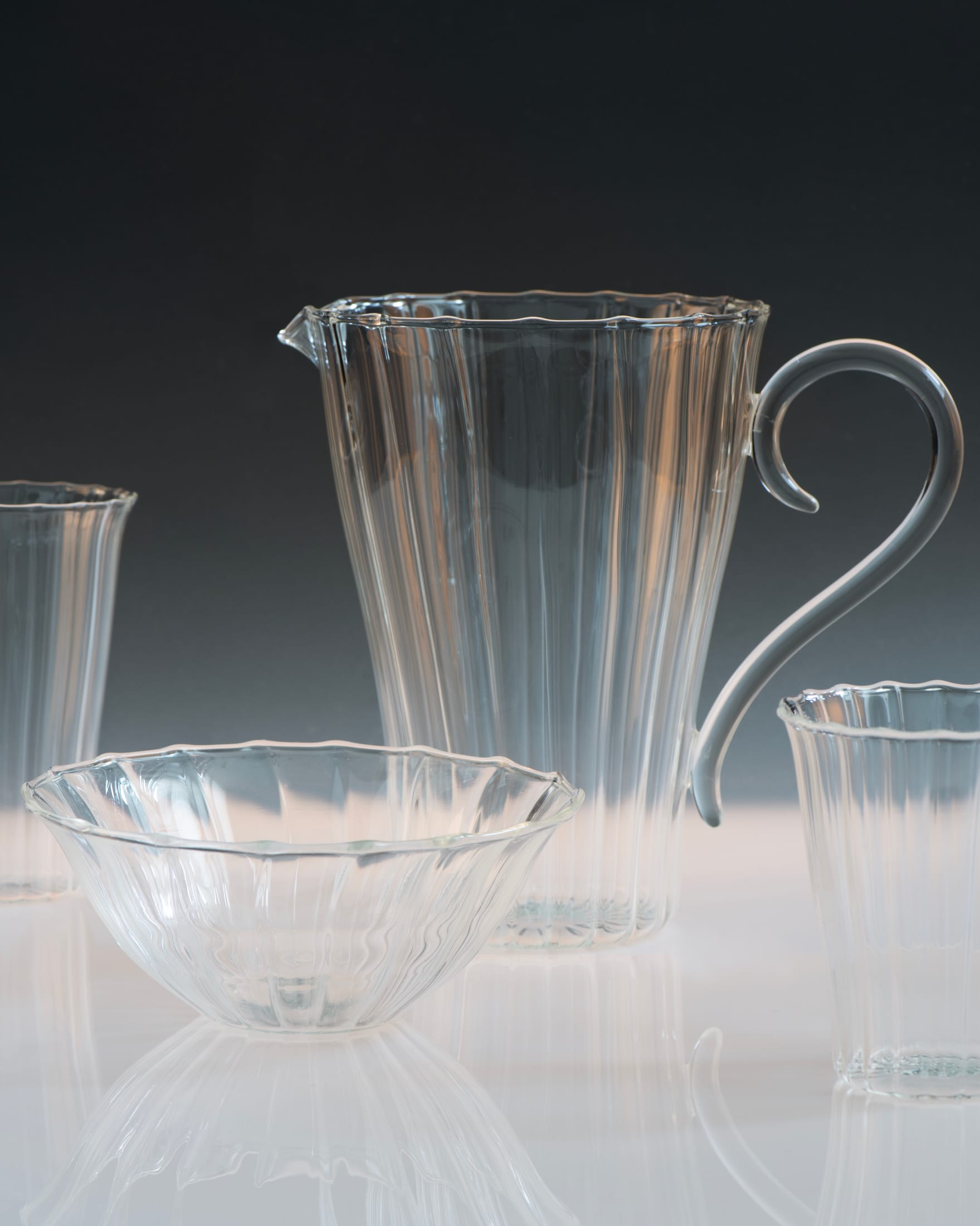
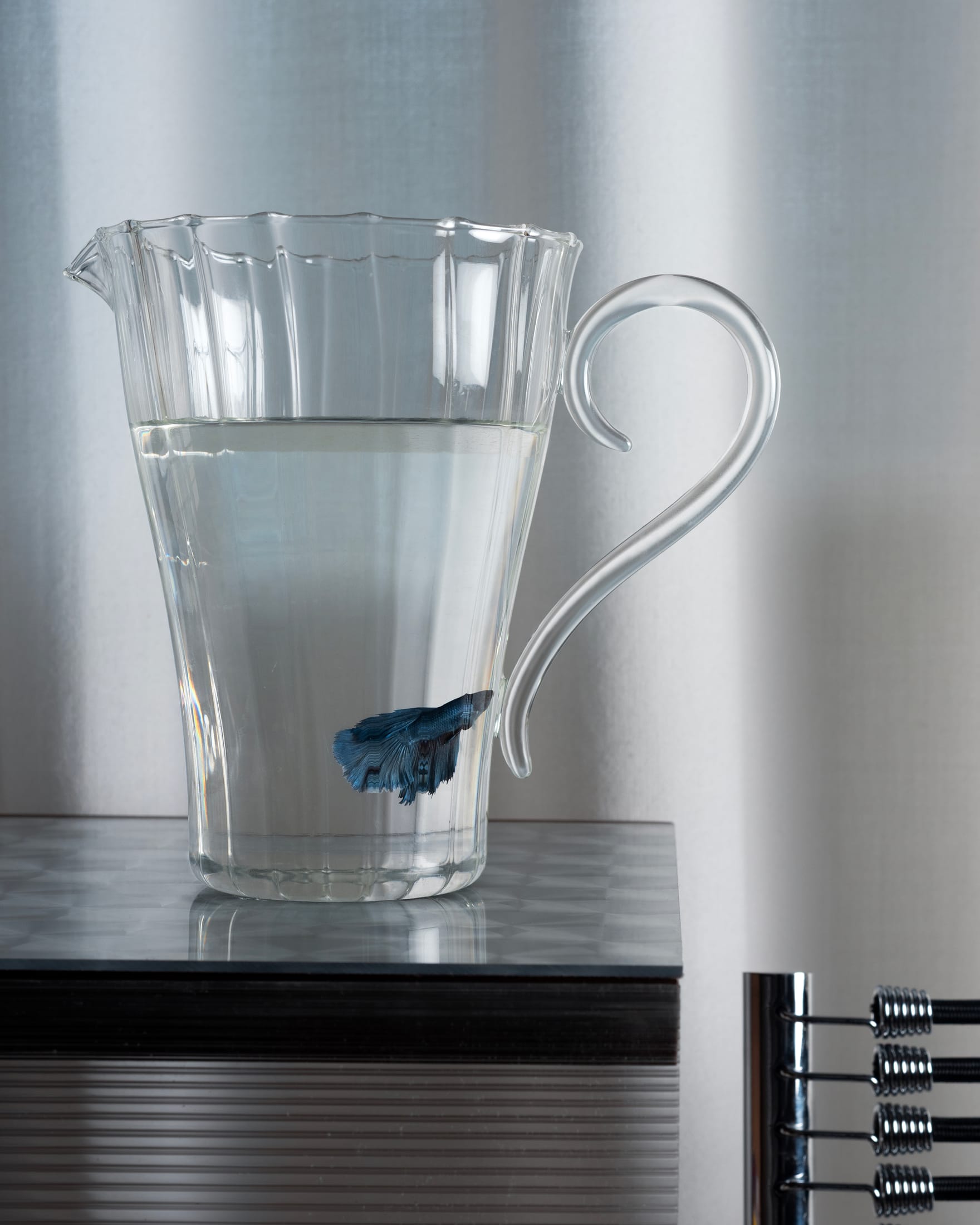
Perhaps the most iconic piece in her repertoire, the Fan-Shaped Pitcher is a tribute to both blooming wildflowers and functional clarity. The wide, architectural mouth tapers into a graceful body, mimicking the silhouette of a bouquet. It is a piece that demands to be seen. In my styling work, I often recommend using this pitcher not just for water or sangria, but as a dedicated vase for long-stemmed lilies. The transparency of the glass allows the stems to become part of the visual composition.
Rippled Small Bowls (Le Petit Bol)
These are the "quiet overachievers" of the tabletop. Inspired by the undulating edges of wildflowers in full bloom, these small bowls bring a tactile dimension to the dining experience. They are perfect for what I call "elevated essentials"—think Maldon sea salt, a dollop of crème fraîche, or a handful of bright green olives. The ripples aren’t just aesthetic; they catch the light in a way that makes the contents appear more vibrant.
| Feature | Specification |
|---|---|
| Material | Borosilicate Glass |
| Ideal Use | Side dishes, condiments, jewelry catch-all |
| Design Influence | Wildflower silhouettes |
| Price Range | Mid-range luxury ($40 - $60) |
Bouquet Bowls
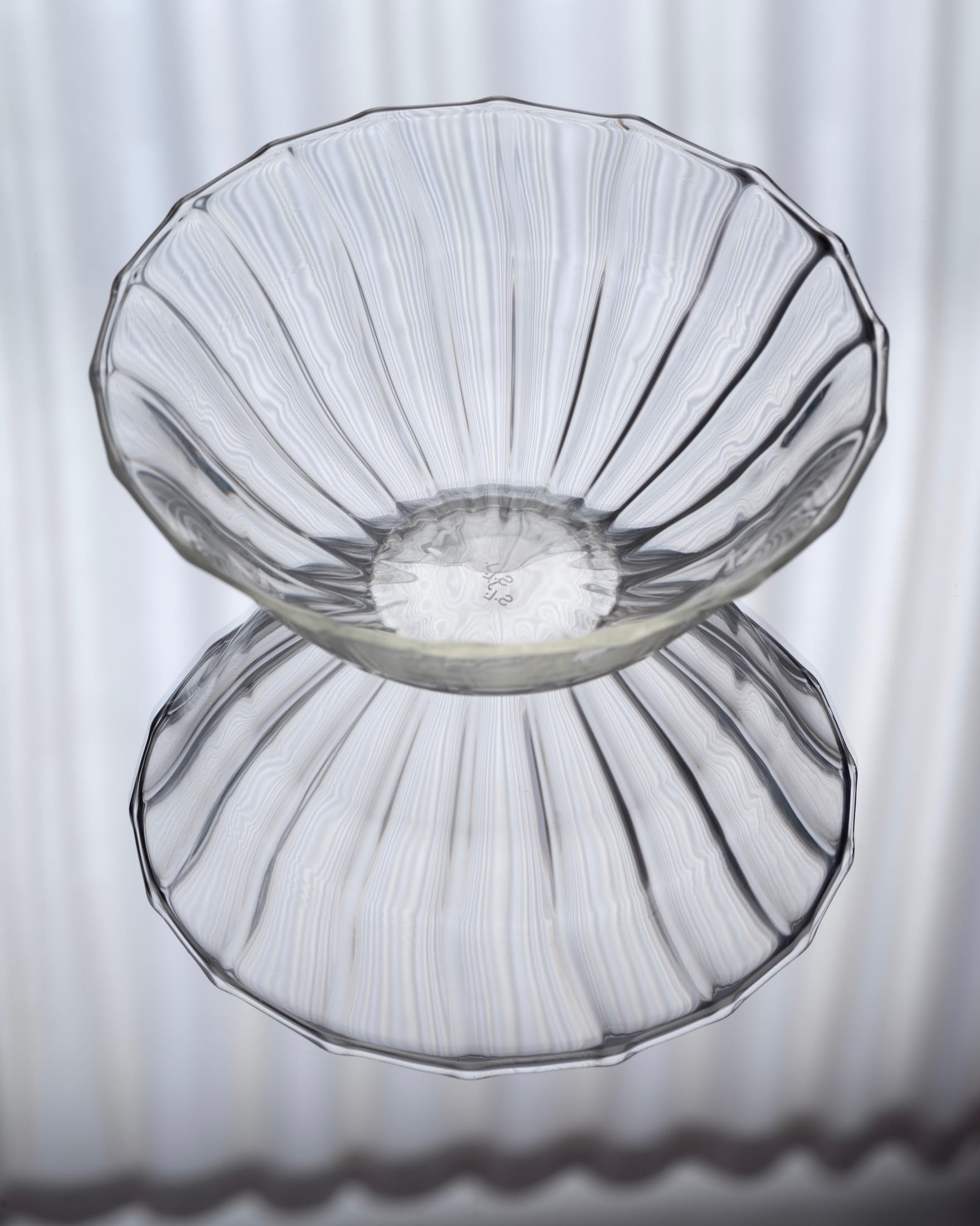
Complementing the smaller bowls are the larger Bouquet Bowls. These organic forms mimic the movement of grass in a breeze, with asymmetrical rims that defy the standard "perfect circle" of mass-produced glass. They remind us that nature is rarely linear, and our home decor shouldn't be either.
Playful Whimsy: The Le Verre Bonbon Series
If the nature-inspired collection is the "poetry" of Jacobsen’s work, the Le Verre Bonbon series is the "play." This collection breaks the linear mold entirely, introducing irregular pastel stripes and natural curves that feel like a sophisticated take on childhood candy.
This series aligns perfectly with the "Whimsical Sophistication" trend predicted to dominate 2026. As homeowners seek to inject more personality into their spaces, objects that offer a sense of humor without sacrificing elegance are becoming highly coveted. The Le Verre Bonbon glasses, with their swirling lines and candy-colored accents, provide a joyful counterpoint to the more serious elements of a dining room.
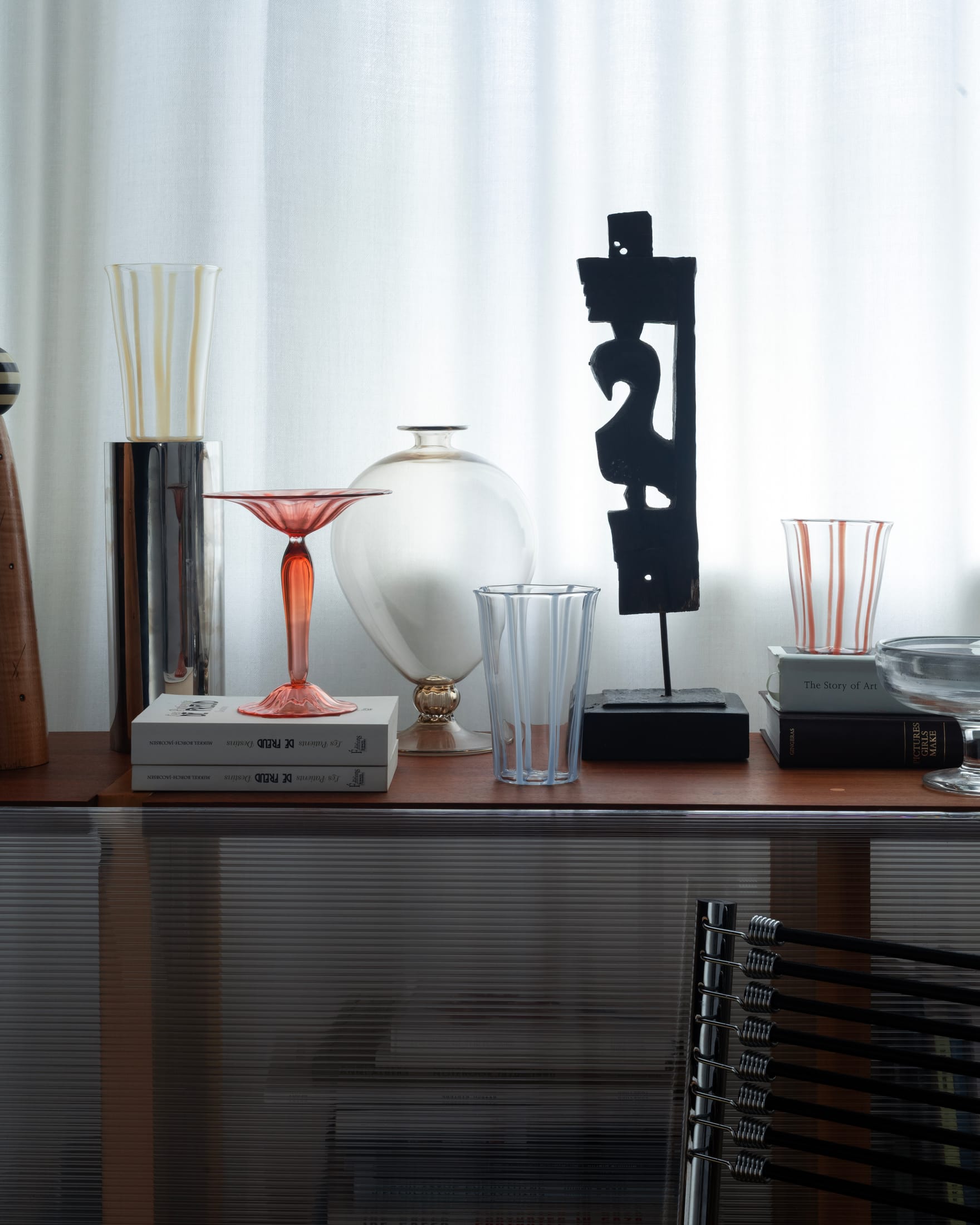
Ivy’s Style Tip: Mix and match the Le Verre Bonbon colors. Don't feel pressured to buy a uniform set. A table set with alternating amber, pink, and blue-striped glasses feels far more curated and "collected" than a matching set.
Elevating the Everyday: The Continental Collection
Beyond the floral and the whimsical lies the Continental Collection, which draws inspiration from the timeless breakfast rituals of European hotels. This collection is about the "art of the table"—the idea that even a simple piece of toast deserves a beautiful presentation.
Key items in this range include:
- The Apple-Shaped Sugar Pot: A sculptural take on a kitchen staple, using the organic form of fruit to add charm to a coffee station.
- The Sculptural Toast Rack: Transforming a utilitarian item into a piece of tabletop architecture.
These pieces are designed to turn a "home habit" into a "hotel-style" experience. In a world where we spend more time at home than ever, these small elevations of daily life provide a sense of luxury that is accessible and grounded.
Decorative Statements: The 1930s-Inspired Candleholders
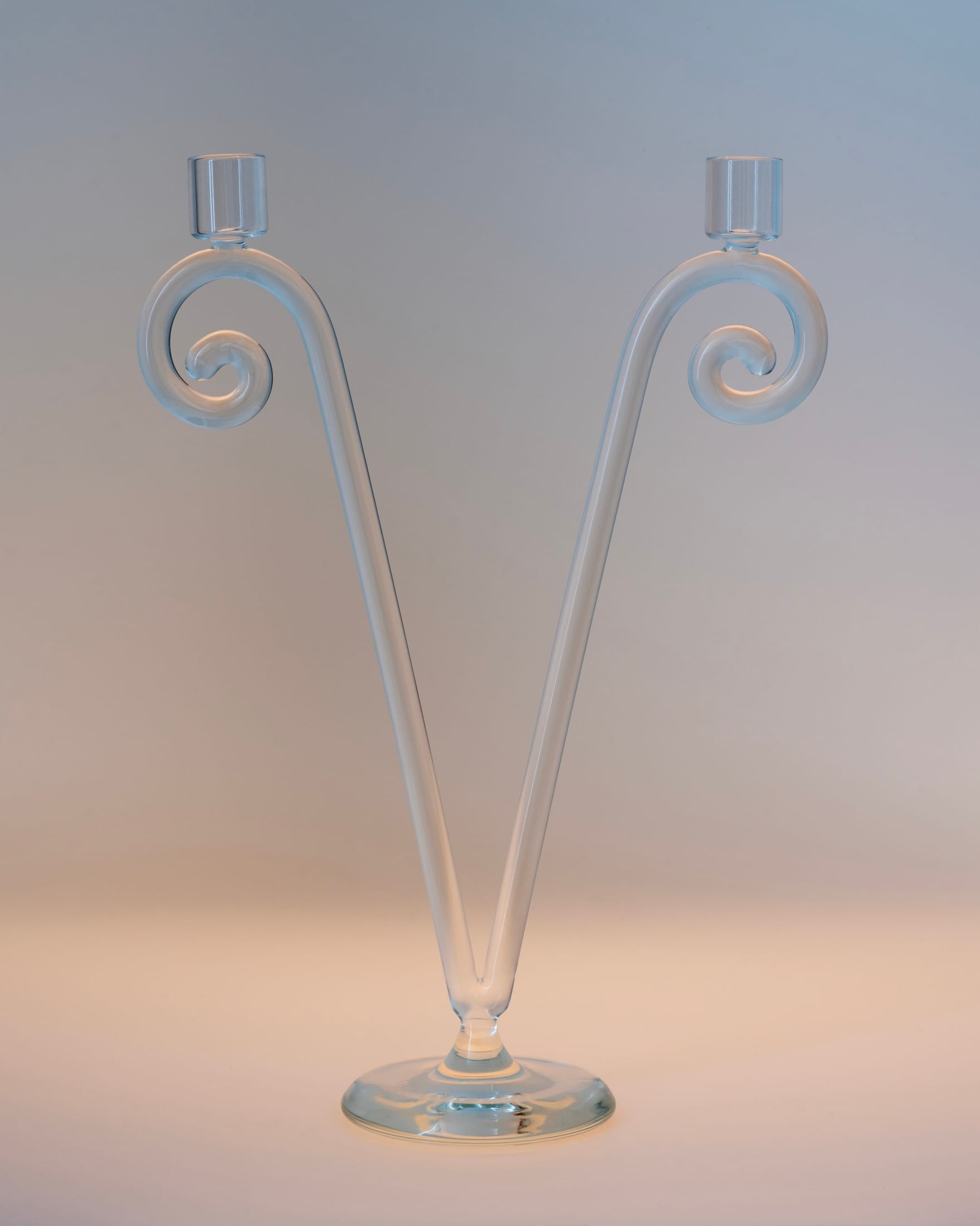
No interior styling is complete without the play of candlelight. Jacobsen’s Spiral Candleholders—available in single or double stem variations—are perhaps the purest expression of her 1930s inspiration. They are functional sculptures.
The double stem variation, in particular, creates a sense of symmetry and old-world elegance. When placed on a contemporary table, the sinuous curves of the glass contrast beautifully with the sharp edges of modern furniture. They bring a "restrained romance" to the room, acting as a bridge between the historical and the current.
Quality & Care: Understanding the Glass
One of the reasons I frequently recommend Sophie Lou Jacobsen to my readers is the material integrity of the work. Most of her pieces are crafted from borosilicate glass.
For the uninitiated, borosilicate glass is the same material used in high-end laboratory equipment. It is significantly more resistant to thermal shock than standard "soda-lime" or tempered glass. This means you can pour boiling tea into a Jacobsen pitcher or move a bowl from the refrigerator to a warm room without fear of it cracking.
Maintenance Tips for Hand-Blown Artisan Glass
While borosilicate is durable, these are still artisan pieces that require a gentle touch:
- Hand Washing is Key: While some pieces claim to be dishwasher safe, the high-pressure jets and abrasive detergents can dull the luster of hand-blown glass over time. Always wash with a soft sponge.
- Avoid Temperature Extremes: Even with borosilicate, it’s best practice to avoid "shocking" the glass. Let a cold pitcher reach room temperature before adding hot liquids.
- Storage: Because of their unique shapes, avoid stacking these pieces unless they are specifically designed to do so. The delicate rims can chip if they bear too much weight.
Comparison: Jacobsen vs. The World of Glass
How does Jacobsen compare to other contemporary glass brands like Fazeek or Maison Balzac? While Fazeek leans into bold, architectural color blocking and Maison Balzac often embraces surrealist whimsy, Sophie Lou Jacobsen sits in the "sweet spot" of Romantic Utility. Her work feels slightly more grounded in historical design movements, making it an excellent choice for those who want their decor to feel timeless rather than trendy.
FAQ
Is Sophie Lou Jacobsen glassware lead-free? Yes, all of her collections are made from high-quality borosilicate glass, which is naturally lead-free and non-porous, making it a safe choice for food and beverage service.
Can I use the Pitchers for hot beverages? Absolutely. Thanks to the properties of borosilicate glass, Jacobsen’s pitchers can handle hot liquids, making them perfect for serving blooming teas or mulled wine during the winter months.
Why are some pieces irregular in shape? Each piece is hand-blown, which means subtle variations in color, thickness, and shape are to be expected. These "imperfections" are actually the hallmarks of artisan craftsmanship and are what give the pieces their organic, nature-inspired character.
Final Thoughts: The Curated Home
In my years as an editor, I’ve found that the most beautiful homes are those that don’t try too hard. They are filled with objects that feel like they have a story—items that bridge the gap between "stuff we use" and "art we love." Sophie Lou Jacobsen’s glassware collection offers exactly that. Whether it’s a rippled bowl that reminds you of a field of wildflowers or a striped glass that brings a smile to your face during a Tuesday lunch, these designs are an investment in the daily ritual of living well.