For years, the morning ritual in millions of homes was dictated by the convenience of the plastic capsule. We traded flavor and environmental ethics for a 30-second shortcut. But as we move through 2026, the tide has officially turned. The "pod-less" revolution is no longer a niche movement for coffee snobs—it’s the new gold standard for the modern kitchen. At the forefront of this shift is the Terra Kaffe Demi, a machine that promises to bridge the gap between high-end espresso craftsmanship and the one-touch simplicity we’ve come to crave.
As someone who has tested everything from $250 budget brewers to $5,000 professional-grade Italian setups, I’m always looking for that "sweet spot"—the machine that offers professional performance without requiring a degree in chemistry or a second mortgage. The Demi aims for exactly that, positioning itself as the most accessible, high-tech bean-to-cup solution on the market today.
The Terra Kaffe Demi at a Glance:
- Technology: Fully automatic bean-to-cup (no pods or paper filters required).
- Beverage Range: Espresso, Lungo, Americano, and Drip-style coffee.
- Interface: Tactile selector dial with a retro-inspired dot-matrix display.
- Price Point: Under $800, making it a premium yet affordable alternative to luxury brands like Jura.
- Core Benefit: Delivers fresher flavor and eliminates single-use waste while significantly reducing the long-term cost per cup.
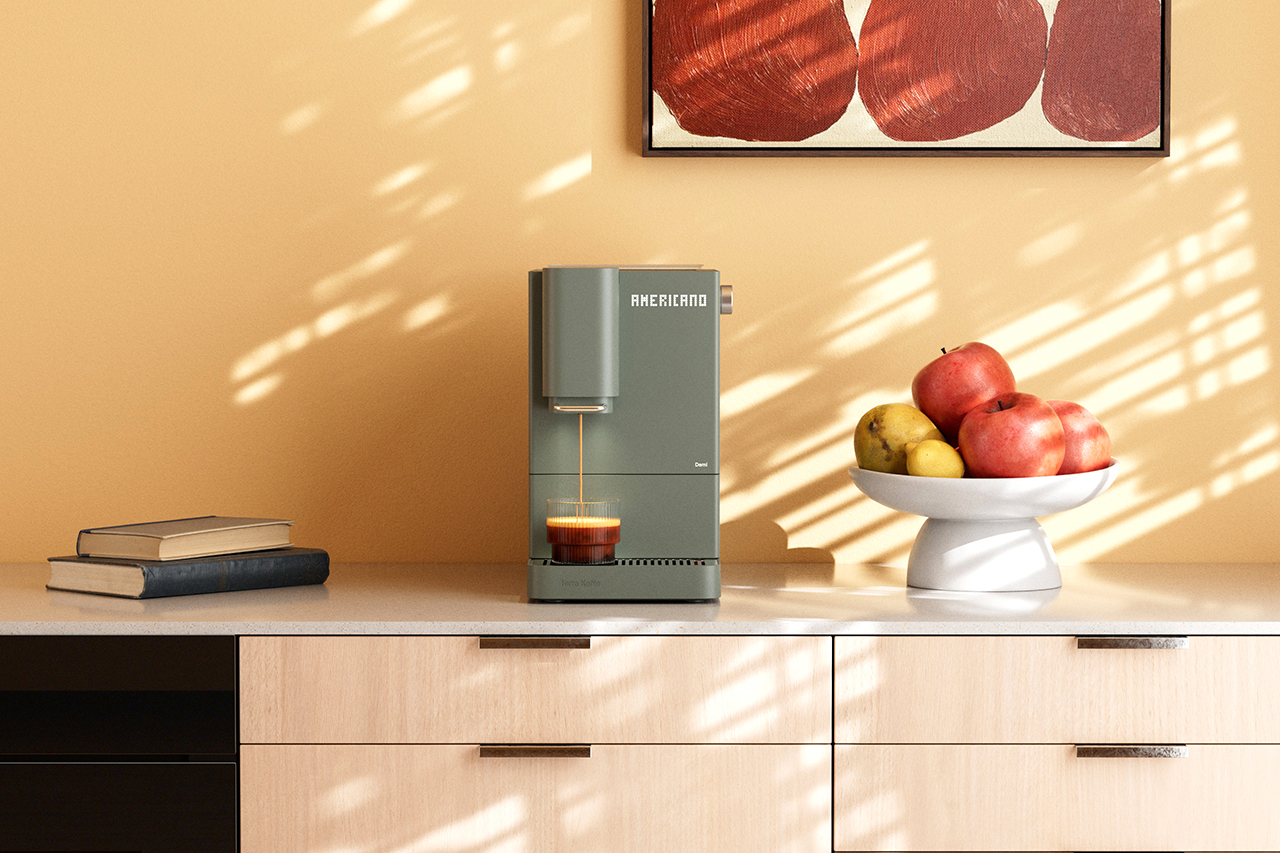
Design & Aesthetics: Small Footprint, Big Impression
In the world of automatic espresso machines, "compact" often translates to "flimsy." The Demi, however, defies this trend. When I first pulled it out of the box in my test kitchen, the weight alone signaled a build quality that its price tag might not suggest. It’s designed by a New York-based team of former baristas and engineers, and that DNA shows in the ergonomics.
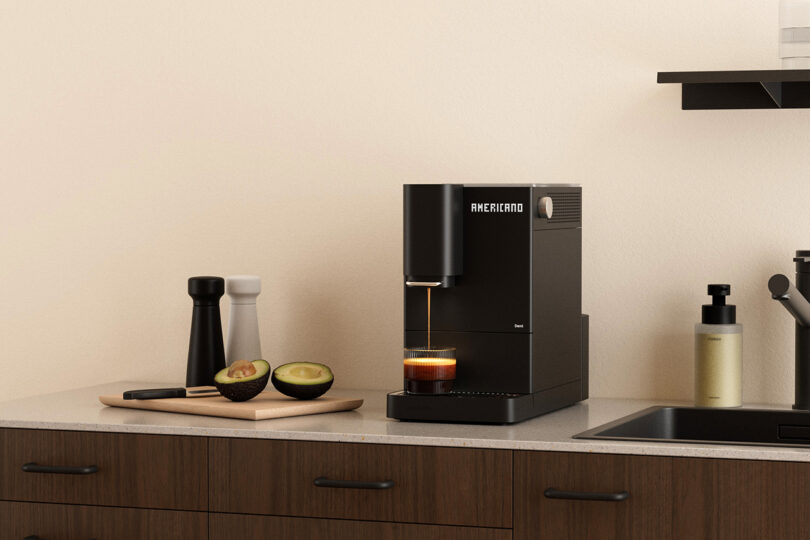
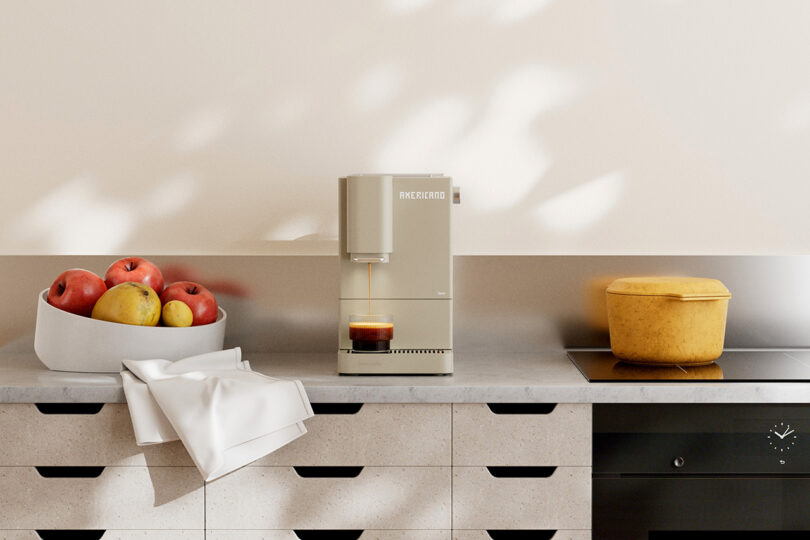
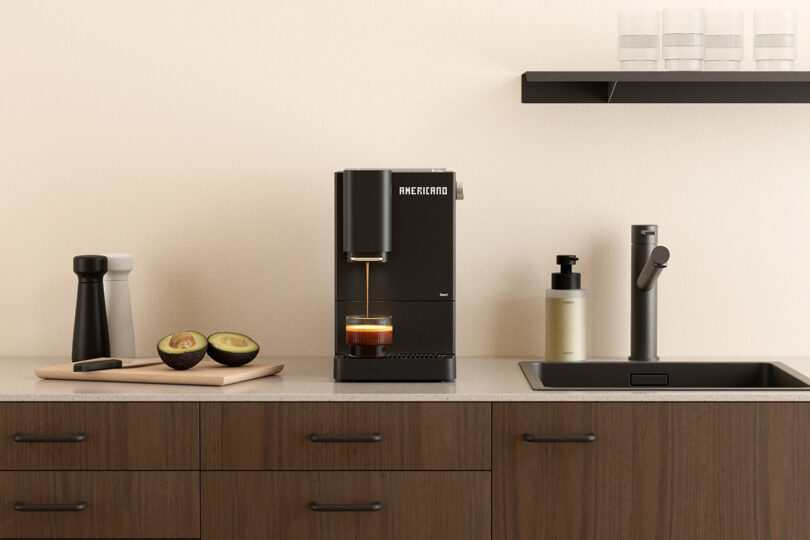
The machine’s footprint is remarkably slim, designed specifically for urban dwellers and those of us with "countertop sprawl." But what truly caught my eye was the material choice. In a market flooded with glossy black plastic that attracts fingerprints like a magnet, the Demi’s brushed aluminum finish is a breath of fresh air. It feels industrial yet refined.
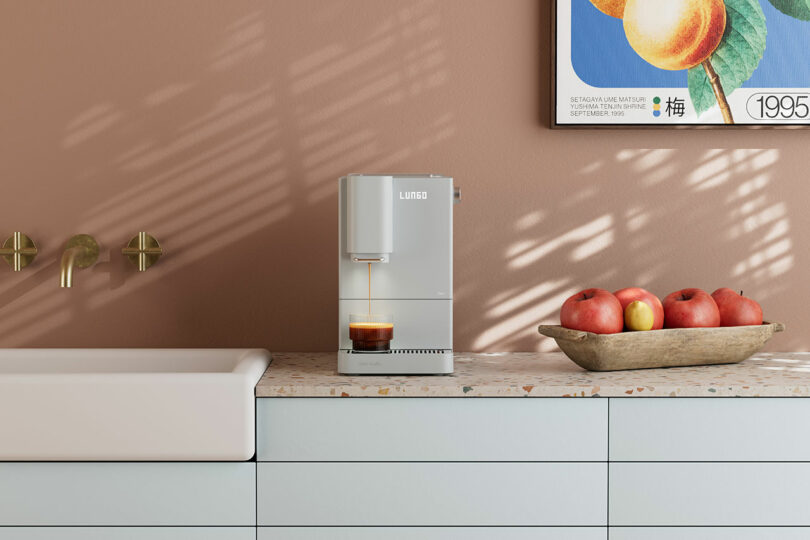
The standout design feature is undoubtedly the interface. Rather than a generic touchscreen that feels like using a budget tablet, the Demi utilizes a brushed-metal selector dial. There’s a satisfying, tactile "click" with every turn. This is paired with a retro-cool dot-matrix display that provides clear, playful animations. It’s a design language that honors the analog roots of coffee while embracing the digital precision of 2026.
Performance: From Whole Bean to Perfect Crema
The technical advantage of a bean-to-cup system over pods comes down to the "90-second rule." Coffee begins to lose its most volatile aromatic compounds within 90 seconds of being ground. By grinding on demand, the Demi ensures that the oils and flavors are extracted at their peak.
During my testing, I put the Demi through its paces with a medium-roast Ethiopian bean. Here is how the performance broke down:
- The Grind: The internal burr grinder is surprisingly quiet. You can adjust the grind size via a knob inside the bean hopper, allowing you to fine-tune the extraction based on your specific bean.
- The Extraction: For the espresso setting, the Demi produced a consistent, tiger-striped crema that held its structure for several minutes—a true sign of stable pressure and temperature.
- The Menu: You aren't limited to just shots. The machine handles Lungos, Americanos, and even a "Drip" style coffee for those who prefer a longer, smoother morning mug.
I was particularly impressed by the "Iced Espresso" function. While many machines simply brew hot coffee over ice (resulting in a watery mess), the Demi optimizes the extraction parameters to maintain a higher concentration, ensuring the coffee stands up to the dilution of ice.
Sustainability & Savings: The Smarter Investment
Let’s talk numbers, because as an editor focused on long-term value, this is where the Demi wins the argument. The average coffee pod in 2026 costs roughly $1.50. If you’re a two-cup-a-day household, you’re spending over $1,000 a year on what is essentially pre-ground coffee and aluminum waste.
Terra Kaffe recently reported that their customers saved over $20 million in a single year by switching from café drinks and pods to at-home bean-to-cup brewing. When you break down the math, the Demi pays for itself in less than a year.
The Cost Comparison: Pods vs. Whole Beans
| Feature | Single-Use Pods (Average) | Terra Kaffe Demi (Whole Bean) |
|---|---|---|
| Cost Per Cup | $1.25 – $1.75 | $0.40 – $0.65 |
| Annual Cost (2 cups/day) | ~$1,095 | ~$365 |
| Waste Produced | 730 plastic/aluminum pods | Compostable coffee grounds |
| Flavor Freshness | Pre-ground (stale) | Ground-to-order (fresh) |
| Customization | Limited to pod variety | Any bean in the world |
Beyond the financial savings, the environmental impact is the real clincher. In 2026, the "green-washing" of recyclable pods is being called out for what it is—inefficient. The Demi removes the middleman entirely. You buy the beans, the machine grinds them, and the only waste left is a puck of nitrogen-rich coffee grounds that can go straight into your garden or compost bin.
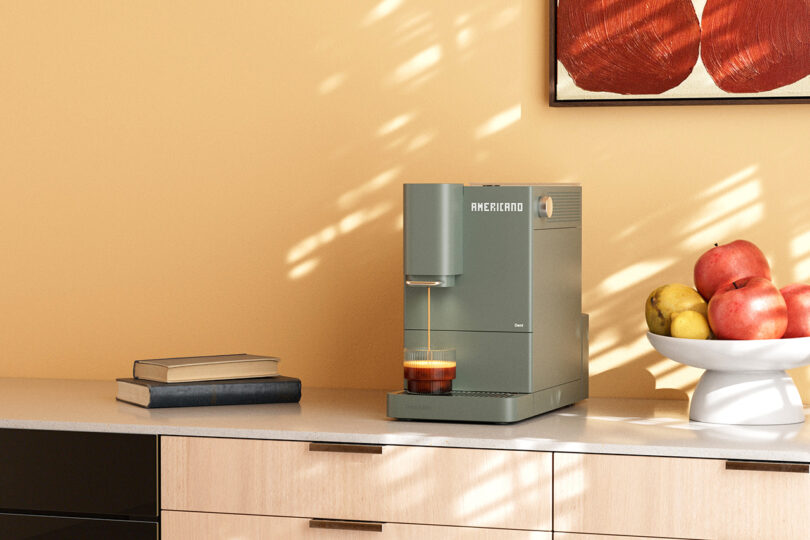
User Experience: Barista Quality for the Busy Morning
One of my biggest gripes with "prosumer" espresso machines is the learning curve. Most people don't want to calibrate a scale and time their shots at 6:30 AM. The Demi is designed for the person who wants a "dead-simple" morning but refuses to drink mediocre coffee.
The one-touch operation is genuinely seamless. You fill the water tank (which is easily accessible), pour in your beans, and turn the dial. It’s faster than waiting for a pod machine to heat up and significantly more rewarding. I also found the noise levels to be much lower than the rattling vibration pumps found in cheaper $200 machines. You can brew a cup while the rest of the house is sleeping without causing a noise complaint.
Maintenance & Longevity
Maintenance is usually where the honeymoon phase with a coffee machine ends. However, the Demi’s New York design team clearly prioritized ease of care. The brushed aluminum exterior is surprisingly resistant to coffee splashes—a quick wipe with a microfiber cloth keeps it looking brand new.
- Self-Cleaning: The machine runs a quick rinse cycle every time it powers on and off, which keeps the internal brew group clear of old oils.
- Intuitive Alerts: The dot-matrix display isn't just for show; it gives you clear, step-by-step instructions when it’s time to empty the grounds container or run a descaling cycle.
- Reliability: Unlike the "throwaway" nature of many modern appliances, the Demi feels repairable. The components are accessible, and the brand has built a reputation for customer support that actually helps you maintain the machine for years rather than pushing you toward a replacement.
Comparison: Terra Kaffe Demi vs. The Competition
Where does the Demi sit in the current 2026 landscape?
- Versus Budget Machines (<$250): Cheaper machines almost always rely on pressurized portafilters or pods. They lack the thermal stability of the Demi, resulting in sour or burnt-tasting espresso. The Demi is a significant step up in every sensory category.
- Versus Luxury Brands (Jura, $2,000+): While Jura machines offer more granular control and automated milk systems, the Demi provides 90% of the coffee quality at about 30% of the price. For the average home user, the "diminishing returns" kick in hard after the $1,000 mark. The Demi hits the absolute sweet spot of value.
- Versus Pod Systems: There is no competition here. The Demi offers better flavor, lower costs, and zero plastic waste. In 2026, buying a pod machine feels like buying a flip phone—it's an outdated relic.
FAQ
Does the Terra Kaffe Demi have a milk frother? The Demi is focused on being the ultimate compact espresso and coffee maker. While it doesn't have a built-in steam wand (which helps keep the footprint small), it pairs perfectly with an external milk frother for those who enjoy lattes and cappuccinos.
How often do I need to clean the internal components? The machine handles daily rinsing automatically. You’ll typically need to empty the grounds drawer every 10-12 cups and run a more thorough cleaning/descaling cycle every few months, depending on your water hardness.
Can I use oily dark roast beans in the Demi? Like most automatic grinders, very oily beans can occasionally cause build-up. I recommend using medium or medium-dark roasts for the best flavor and machine longevity.
Final Verdict: Is the Terra Kaffe Demi Right for You?
The Terra Kaffe Demi isn't just a coffee maker; it’s a statement about how we want to live in 2026. It rejects the "disposable" culture of pods in favor of a sustainable, bean-to-cup process that actually tastes better.
Pros:
- Incredible value for a fully automatic machine.
- Compact, gorgeous industrial design with a tactile interface.
- Significant long-term cost savings compared to pods.
- Professional-grade crema and flavor extraction.
Cons:
- No built-in milk steaming (requires a separate frother for lattes).
- Bean hopper may need frequent refilling for high-volume households.
If you are an eco-conscious coffee lover looking to upgrade your morning ritual without the complexity of a manual espresso machine, the Terra Kaffe Demi is, hands down, the best investment you can make for your kitchen this year. It’s smart, it’s stylish, and most importantly, it makes a damn good cup of coffee.