To the uninitiated, a piece of vintage Dansk teak is simply a well-made kitchen utensil. But to the Mid-Century Modern (MCM) enthusiast, it is a "wooden sculpture" that happens to hold salad. Founded in 1954 by Ted Nierenberg and designed by the legendary Danish sculptor Jens Quistgaard, Dansk didn't just sell tableware; it exported a lifestyle of Scandinavian warmth and functional elegance to the American suburbs. Today, these pieces are more than just collectibles; they are high-performing kitchen assets that have survived five decades of dinner parties and remain as relevant as ever.
Quick Facts: The Dansk Teak Legacy
- Design Era: 1954 – Mid-1980s (Original Quistgaard period).
- Material: Primarily Thai or Burmese Teak (Tectona grandis).
- Primary Construction: "Staved" teak—strips of wood glued together to minimize warping.
- Longevity: Exceptional; market data shows 50-year-old boards frequently maintain "excellent condition" status in resale markets.
- Key Identification: Look for "Dansk Designs Denmark," "France," or "Thailand" with the iconic four-duck or "IHQ" (Jens H. Quistgaard) logo.
Why is vintage Dansk teak so durable? Vintage Dansk teak is exceptionally durable due to its tight grain and high natural oil content. This oil acts as a natural water repellant, making the wood resistant to rot and moisture—the same reason teak was traditionally used for the hulls of ships. This unique composition makes it ideal for kitchen environments where contact with liquids is frequent.
1. The Iconic Staved Teak Ice Buckets
If there is a "holy grail" of Dansk collecting, it is the Model 801 or 802 ice bucket. Quistgaard was inspired by the construction of wooden barrels and ship hulls, leading to the "staved" technique. This involves joining individual slats of teak in a vertical fashion, which creates a mesmerizing rhythmic pattern of wood grain around the circumference of the piece.
Beyond the aesthetic, the thick staved construction serves a vital functional purpose: teak is a natural insulator. These buckets keep ice frozen for hours without the "sweating" associated with metal or plastic alternatives. For the MCM enthusiast, an 801 bucket is the definitive centerpiece of a teak barware collection.
2. Rare Jens Quistgaard Peppermills
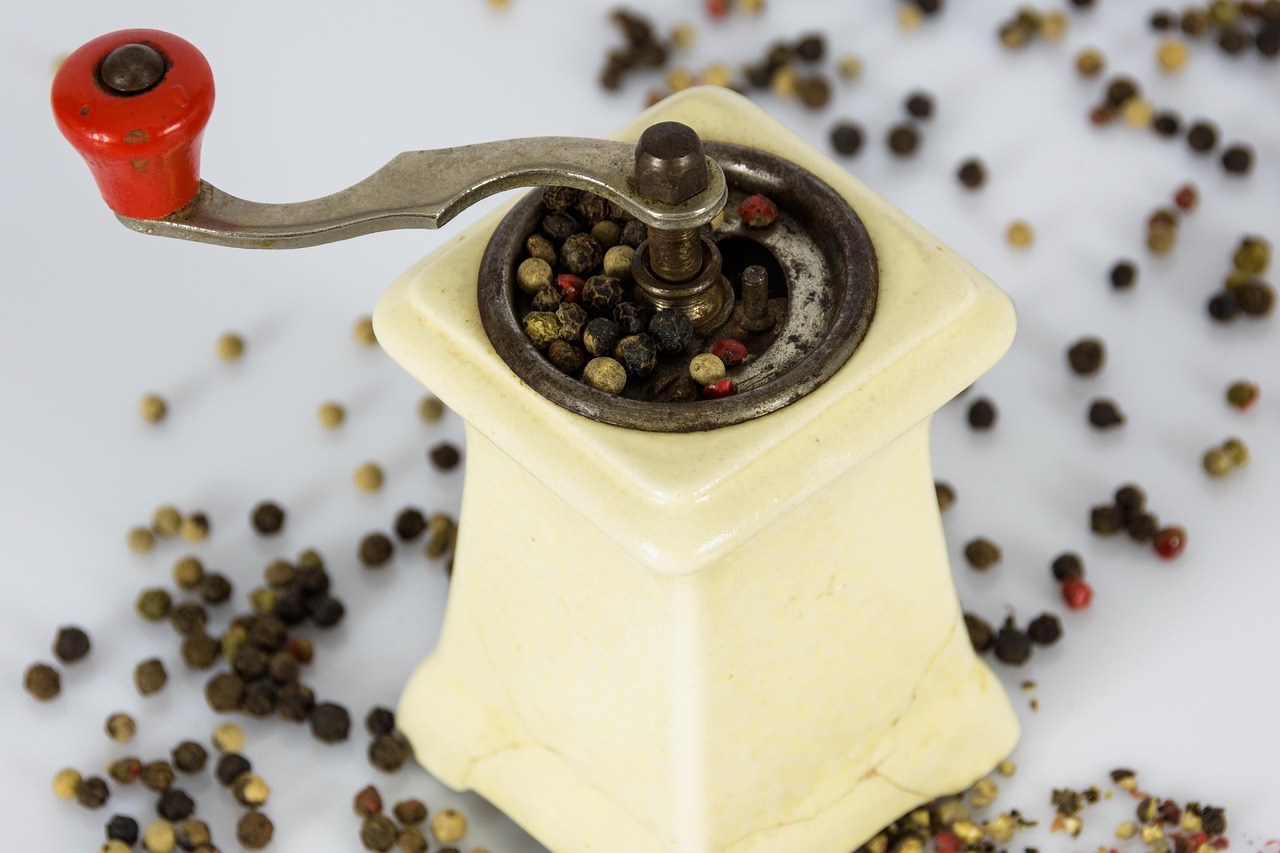
Peppermills are perhaps the most playful category of Quistgaard’s work. He designed over 40 different shapes, ranging from tall, slender columns to whimsical, squat "mushroom" silhouettes. These aren't just tools; they are tactile objects designed to fit perfectly in the palm.
The secondary market for these items is incredibly robust. Currently, market data indicates over 3,500 active listings for 'Dansk teak' on eBay at any given time, with peppermills being among the most frequently traded items. Collectors like Alex Severin have turned the acquisition of these "wooden jewels" into an art form. When buying, always check the internal mechanism; while the wood is immortal, the grinders (originally Peugeot or plastic) may show wear.
3. Professional-Grade Teak Carving Boards
There is an old saying in the design world: "If it was good enough to put on the hull of a ship, it’s good enough for your steak." Quistgaard’s carving boards are a testament to this philosophy. Often featuring deep juice grooves and "end-grain" construction, these boards were built to handle the rigors of a professional kitchen while looking elegant enough for the dining room table.
What is truly remarkable is their longevity. Statistical data from verified vintage listings shows that original Jens Quistgaard carving boards from the 1970s maintain "excellent condition" status in the majority of cases, even after half a century of use. The natural oils in the teak prevent the wood from harboring bacteria, a feature that modern chefs appreciate just as much as 1960s housewives did.
4. Oversized Staved Teak Salad Bowls
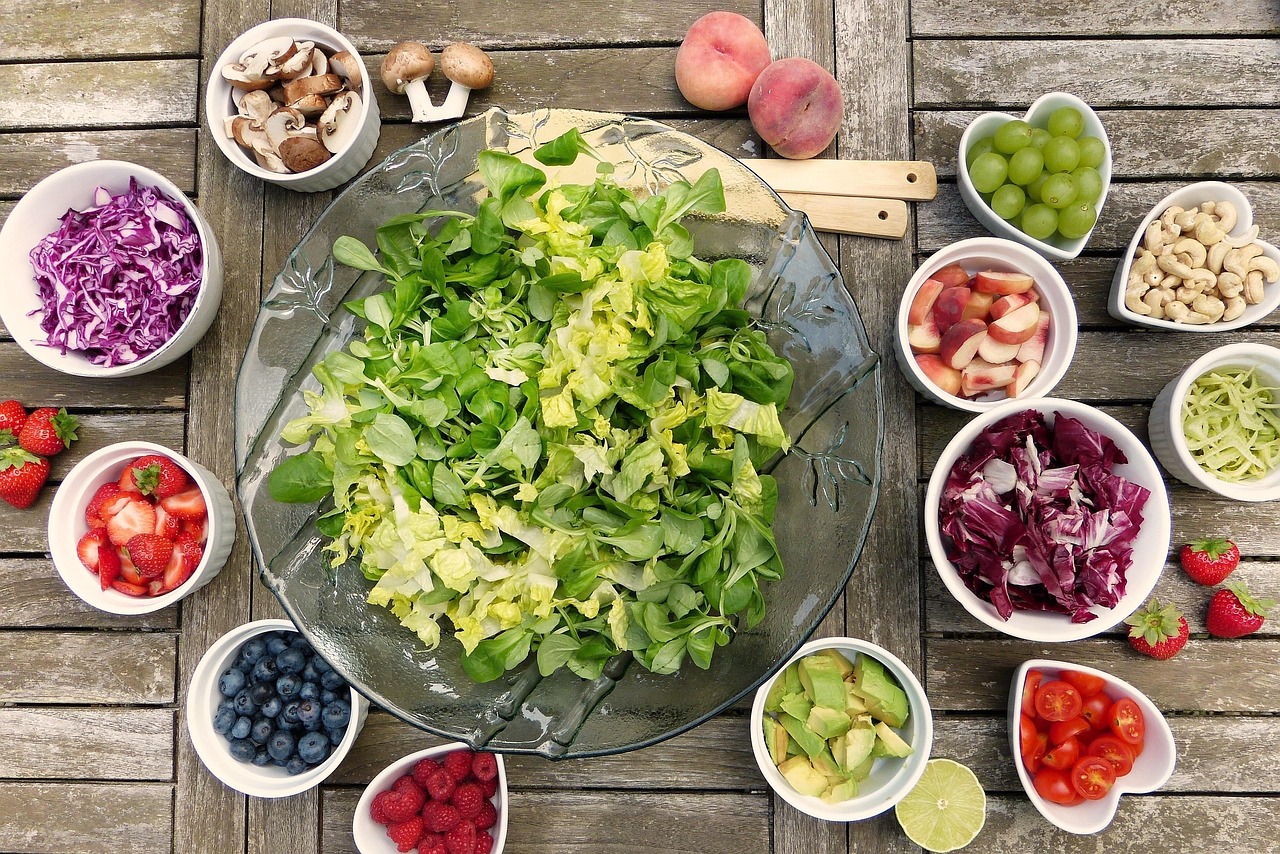
A Dansk salad bowl is the ultimate expression of the "hygge" lifestyle. These bowls are characterized by their deep golden-honey patina and seamless finger joinery. Unlike modern mass-produced bowls that are often turned from a single block of lower-quality wood, vintage Dansk bowls utilized "old-growth" teak.
This distinction is vital. Old-growth teak has a much tighter grain and a richer color than the plantation-grown teak found today. When you toss a salad in a vintage Dansk bowl, the wood resists the acidity of vinegar and the moisture of greens, ensuring that the bowl never develops the "musty" smell associated with cheaper wooden kitchenware.
5. Mid-Century Modern Serving Trays
Whether you are serving martinis or hors d'oeuvres, a Dansk teak tray adds an immediate layer of sophistication. Quistgaard played with geometry here, offering everything from long, surfboard-like rectangular trays to perfectly circular designs with raised, sculpted edges.
For those who find vintage prices a bit steep or want something for heavy outdoor use, contemporary alternatives like the McGill Teak Lara style offer a similar aesthetic with modern sustainability. However, for the purist, nothing beats the feather-light feel and "clink" of a vintage 1960s tray.
6. Teak Candle Holders and Candelabras
Quistgaard was a master of combining materials. His candelabras often feature delicate cast iron or brass accents integrated directly into sculptural teak bases. These pieces were designed to create a minimalist, cozy atmosphere during long Scandinavian winters.
The beauty of these candle holders lies in their silhouette. Even without candles, they function as abstract art pieces. Because they don't come into contact with food or water, candle holders are often found in pristine condition, showcasing the original "old-growth" grain in its most untouched state.

7. Modern Reissues vs. Vintage Teak
In recent years, Dansk (now under the Lenox umbrella) has reissued several Quistgaard designs. While these are beautiful and honor the original silhouettes, there are technical differences that collectors should understand.
Vintage vs. Modern Teak Comparison
| Feature | Vintage (1950s-70s) | Modern Reissues |
|---|---|---|
| Source | Old-growth forests (Southeast Asia) | Plantation-grown teak |
| Grain Density | Very tight, linear grain | Wider, more varied grain |
| Color | Deep honey to dark chocolate | Lighter golden or reddish hues |
| Natural Oil Content | Extremely high (naturally water-repellant) | Moderate (requires more frequent oiling) |
| Markings | "Dansk Designs" / "IHQ" / "Denmark" | "Dansk" / "Thailand" (Modern font) |
The primary difference between vintage and modern teak is the source. Vintage Dansk teak from the 1960s was harvested from old-growth forests, resulting in a darker, tighter grain than today's faster-growing plantation teak. While the modern versions are more sustainable, the vintage pieces possess a weight and "glow" that is difficult to replicate.
Essential Guide to Authenticating Vintage Dansk
When scouting at estate sales or online auctions, look for the following marks on the underside of the wood:
- The "Four Ducks" Logo: The earliest pieces often feature four ducks arranged in a square.
- The "IHQ" Initials: Stands for Jens Harald Quistgaard.
- Origin Stamps: "Denmark" and "France" are the most sought-after by collectors, while "Thailand" marks the transition to later production (though still very high quality).
Avoid "Teak-Wash" or "Teak-Finish" items. Authentic Dansk is solid staved teak, not a veneer over a cheaper wood. If the piece feels suspiciously light or the grain looks like a printed pattern, it is likely an imitation.
Maintenance: How to Make Your Teak Last Forever
The secret to the 50-year lifespan of Dansk teak is surprisingly simple: oil. Because teak is a living material, it can dry out in modern climate-controlled homes.
How often should I oil my Dansk teak? To maintain Dansk teak tableware, apply food-grade mineral oil at least twice a year. For frequently used items like salad bowls or carving boards that are washed often, you should apply oil up to six times a year. This prevents the wood from drying, becoming brittle, and eventually cracking.
The Restoration Process:
- Clean: Wash with mild soap and warm water. Never soak teak in water or put it in a dishwasher.
- Dry: Wipe immediately with a soft cloth and allow to air dry completely.
- Sand (Optional): If a board has deep knife marks or stains, use a very fine-grit sandpaper (400-grit) to lightly smooth the surface.
- Oil: Apply a generous coat of food-grade mineral oil (or a beeswax/oil blend). Let it sit for 20 minutes, then buff away the excess.

FAQ
Q: Can I use olive oil to maintain my Dansk teak? A: No. Avoid vegetable oils like olive or canola, as they can go rancid over time, creating an unpleasant smell and sticky residue. Always use food-grade mineral oil or butcher block conditioner.
Q: My vintage bowl has a small crack. Is it ruined? A: Not necessarily. Small hairline cracks can often be stabilized with food-safe wood epoxy or simply kept "saturated" with mineral oil to prevent further expansion. However, significant structural cracks usually mean the piece should be retired to "decorative only" status.
Q: Why are some Dansk pieces marked "France"? A: While Dansk is a Danish brand, Nierenberg and Quistgaard utilized high-quality manufacturing facilities in France and later Thailand to keep up with the massive American demand in the 1960s. These "France" pieces are considered just as collectible as the "Denmark" marked originals.
Conclusion: An Investment in Living History
Investing in vintage Dansk teak is one of the few instances where "used" kitchenware actually appreciates in value. Whether it’s the architectural silhouette of a peppermill or the sturdy reliability of a carving board, these pieces bring a tactile soul to the modern home. They remind us that the objects we use every day should be as beautiful as they are functional—a true hallmark of the Mid-Century spirit.