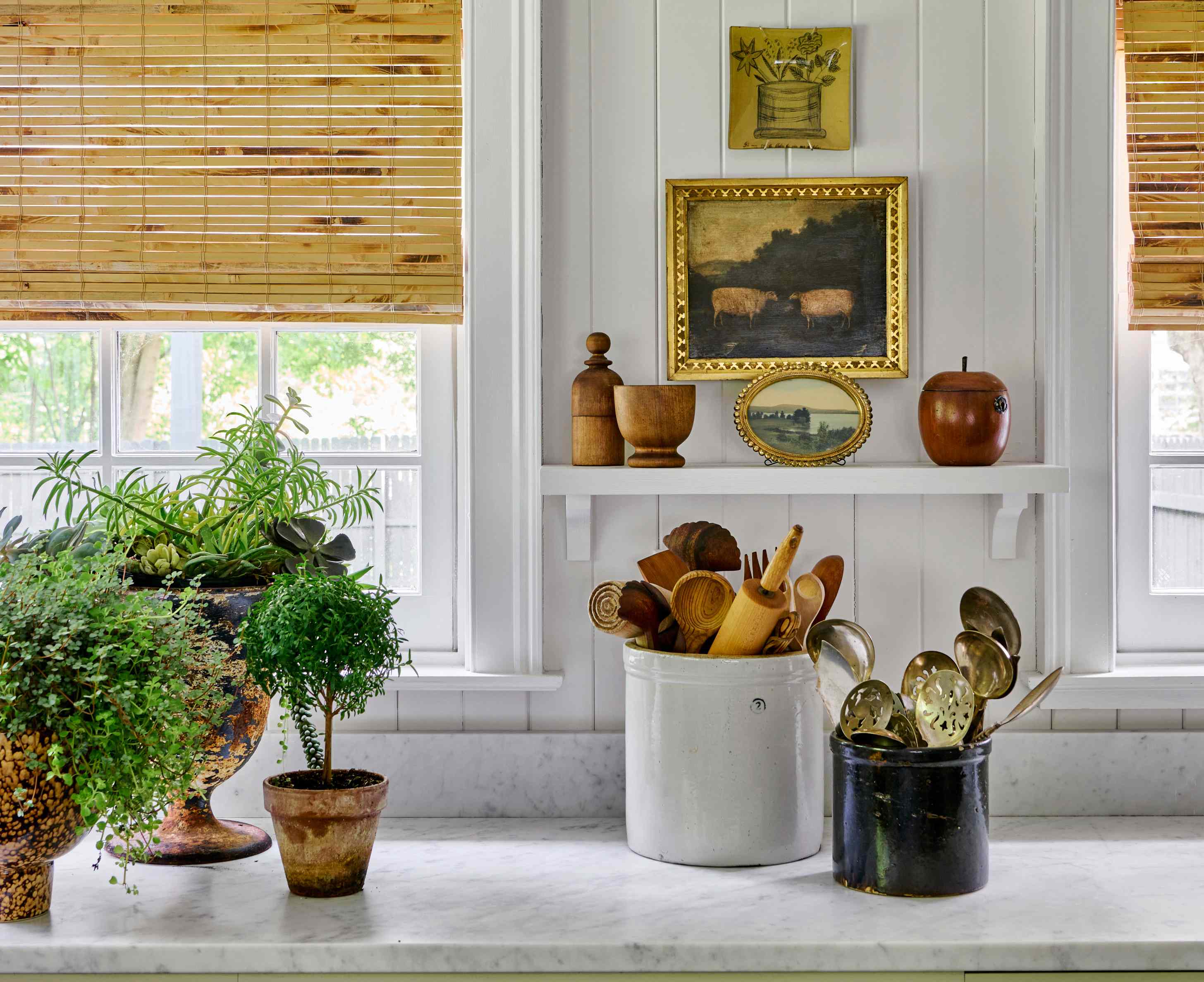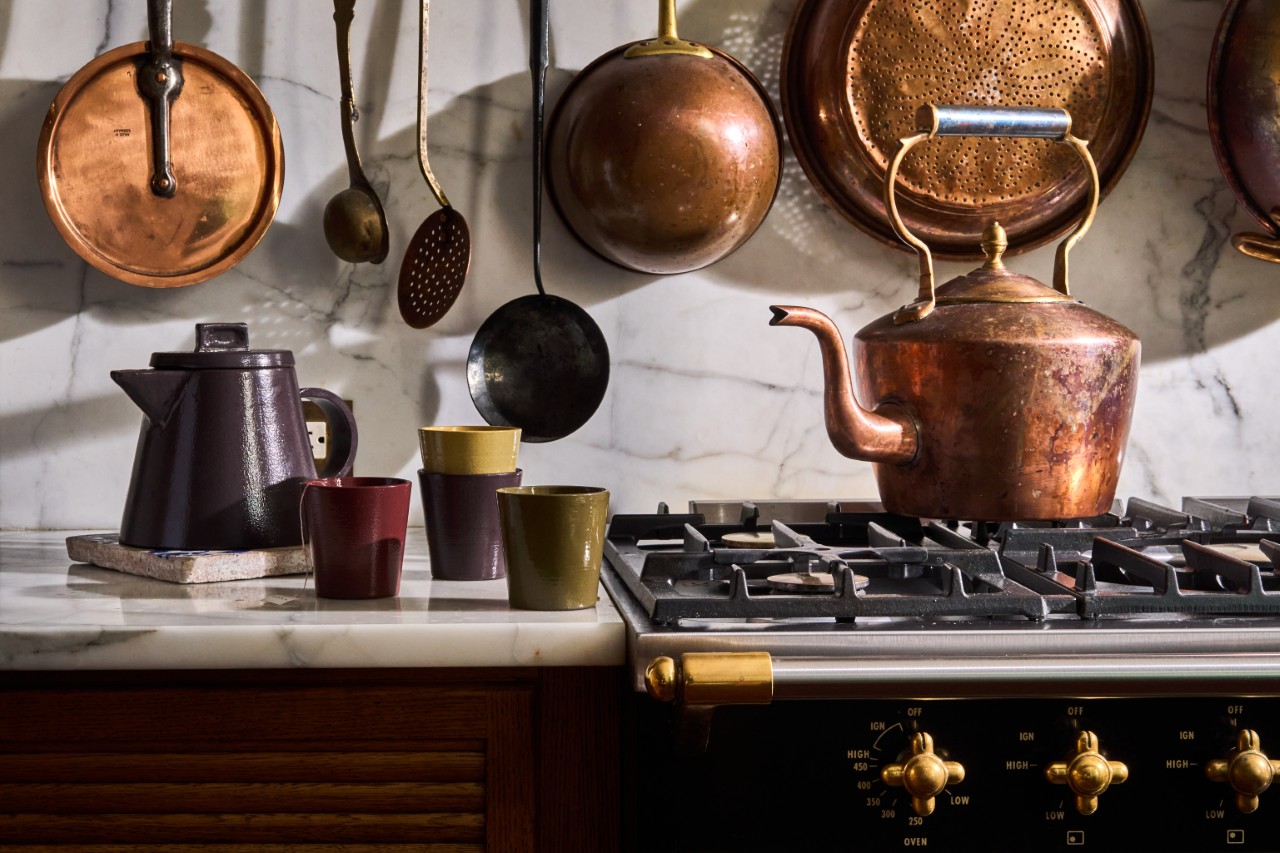
In the world of interior styling, we often talk about the "bones" of a room—the architecture, the light, the layout. But as an editor focused on the soul of a home, I’ve found that the true character of a space lives in the layers. It is rarely the gleaming, high-tech appliances that make a kitchen feel soulful; rather, it is the quiet, tactile details that ground us. It’s the weight of a hand-thrown mug, the matte finish of a countertop, and the deep, earthy resonance of well-crafted ceramics.
This concept of "material sensitivity" is at the heart of the latest collaboration between il Buco Vita and the Los Angeles-based Commune Design. At the center of this collection is a material so steeped in history and texture that it feels less like kitchenware and more like an artifact: the rare black clay of Assisi. To understand this collection is to understand the secret of this clay—a material that bridges the gap between the ancient Umbrian hills and the contemporary, "lived-in" kitchen.
The Secret of Assisi: Rare Black Clay and Ancestral Firing
The secret behind the il Buco Vita collection lies in the soil of Assisi, Italy. While Italy is world-renowned for its terracotta and majolica, the rare black clay used in this collaboration occupies a different echelon of craftsmanship. This is not merely a color choice; it is a structural and historical identity.
Sourced and crafted in Assisi, the clay owes its distinctive character to 100% ancestral firing techniques. Unlike modern industrial kilns that prioritize uniform results, the artisans in Assisi utilize traditional methods that embrace the unpredictability of fire and earth. The deep, charcoal-like hue is achieved through a reduction firing process—a method where oxygen is limited in the kiln, forcing the clay to pull oxygen from its own mineral makeup, resulting in a rich, dark body that feels incredibly dense and "of the earth."
Editor’s Tip: When choosing ceramics, look for the "ring" and the weight. Authentic black clay from Assisi has a particular density that feels cooler to the touch and offers a muted, sophisticated resonance when handled, distinguishing it from mass-produced stoneware.
While many may compare this to the famous Barro Negro of Oaxaca, the Assisi black clay in the il Buco Vita collection is distinguished by its minimalist silhouettes and its ability to hold the "garden-toned" glazes developed by Commune Design. The finish is not just a surface-level aesthetic; it is an expressive texture that changes as it catches the light, moving from a velvety matte to a subtle, stony luster.
A Collaboration of Craft: il Buco Vita x Commune Design
The il Buco Vita x Commune Design collection is a masterclass in cross-continental synergy. On one side, you have il Buco Vita—the lifestyle offshoot of the legendary New York restaurant—which has long been a purveyor of the "Italian rhythm of life." On the other, you have Commune Design, the California powerhouse known for its "material sensitivity" and ability to make historical influences feel urgently modern.
This partnership wasn't about reinventing the wheel; it was about honoring the "rhythm" of production. In a world of fast-to-market home goods, this collection respects the slow, seasonal pace of the Assisi workshop. Each piece carries the thumbprints of its maker, ensuring that while the silhouettes are clean and functional, no two pieces are identical. It bridges the gap between:
- Historical Craft: Utilizing techniques passed down through generations in Umbria.
- Contemporary Utility: Designing shapes that fit seamlessly into a 21st-century kitchen—pieces that are stackable, durable, and ergonomically sound.
- Aesthetic Harmony: Balancing the ruggedness of the black clay with a refined, sophisticated palette.
The Garden-Toned Palette: Colors of the Earth
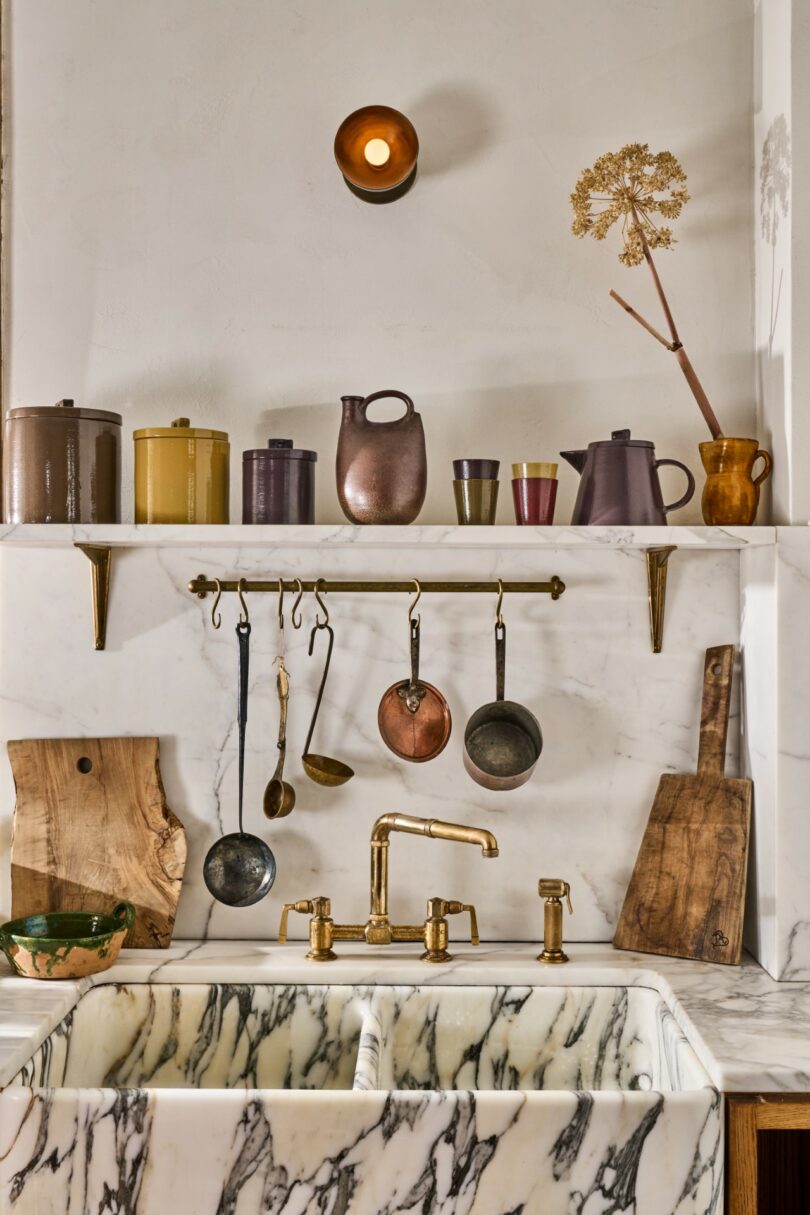
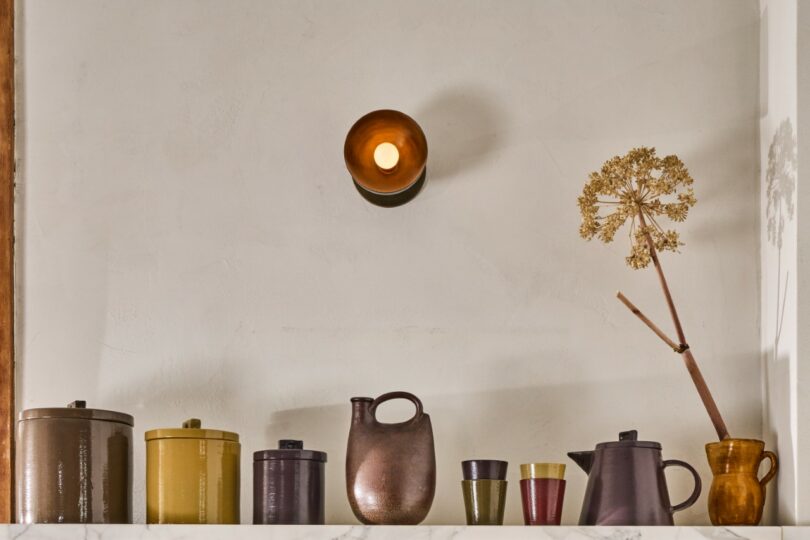
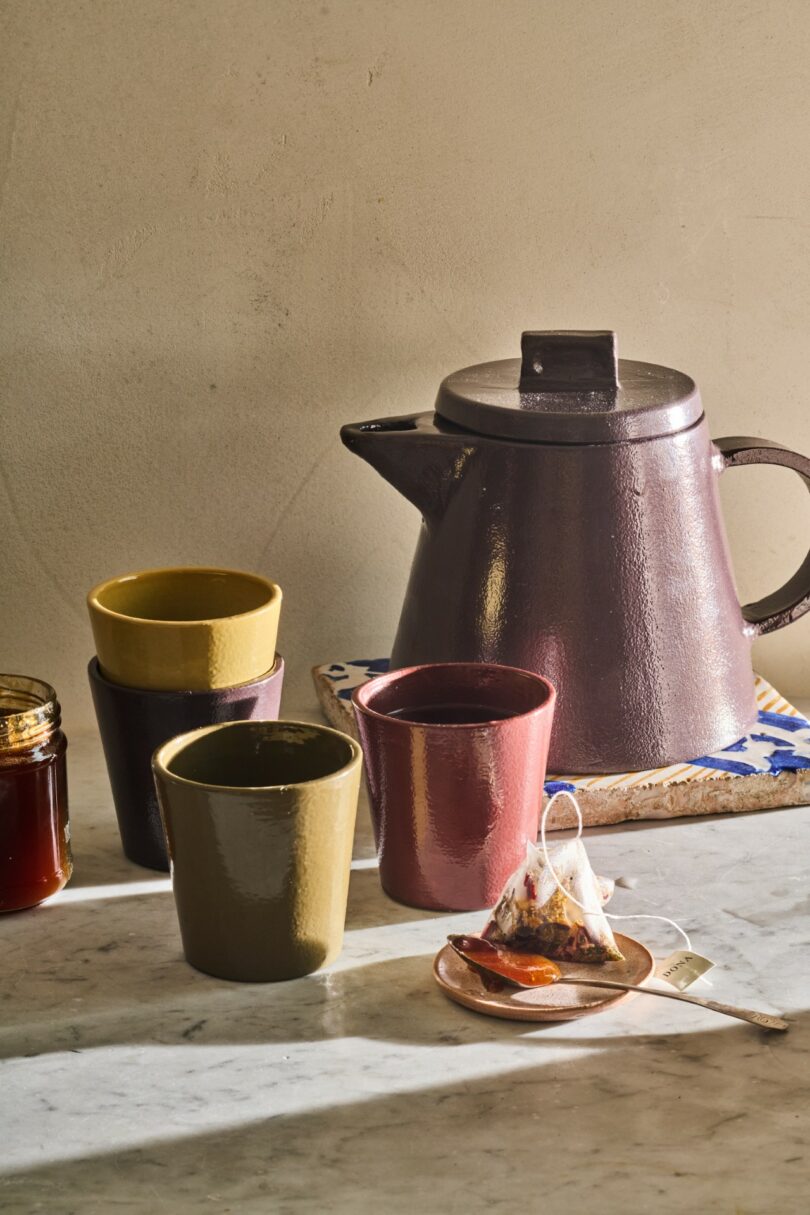
What truly sets this collection apart from traditional black clay pottery is the introduction of a "garden-toned" palette. Commune Design looked to the organic nature of cooking—the vibrant hues of seasonal produce and the muted tones of the forest floor—to develop six distinct colorways.
These glazes are applied in a way that allows the dark clay beneath to "breathe," creating a depth of color that a white ceramic base could never achieve. The result is a series of tones that feel like they were pulled directly from an Italian kitchen garden mid-harvest.
| Colorway | Inspiration | Visual Character |
|---|---|---|
| Eggplant | Deep Sicilian aubergine | A dark, moody purple with a lustrous depth. |
| Turmeric | Ground spices and sunlight | A warm, golden ochre that pops against the black clay. |
| Rhubarb | Early spring stalks | A sophisticated, muted red with earthy undertones. |
| Mushroom | Foraged woodland fungi | A perfect neutral gray-taupe that feels incredibly tactile. |
| Olive | Umbrian groves | A deep, herbal green that grounds any table setting. |
| Earth | The raw Assisi soil | A tonal, monochromatic finish that highlights the clay's texture. |
Elevating Daily Rituals: The Collection Pieces
In my years of editing home features, I’ve noticed that the most successful "room makeovers" aren't about changing the furniture; they are about changing the rituals. How do you start your morning? How do you store the ingredients you use every day?
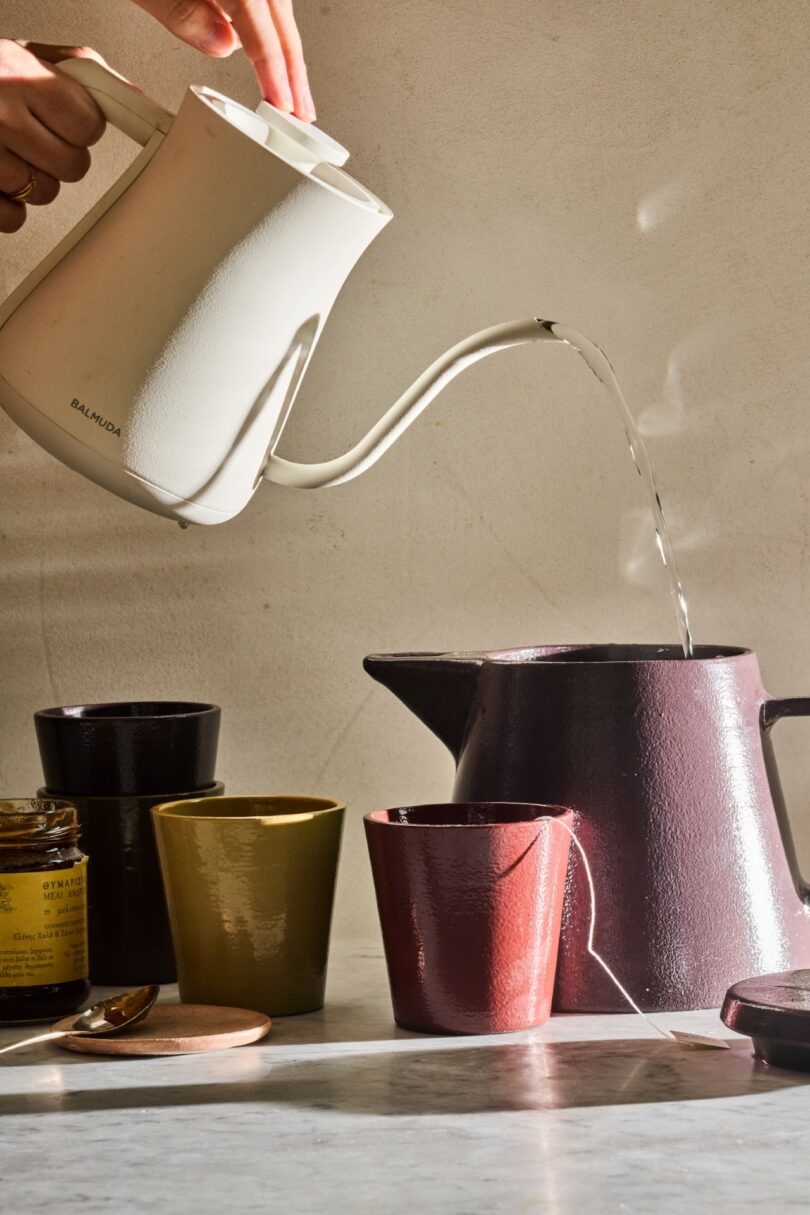
The il Buco Vita x Commune Design collection focuses on these "anchors" of the day. By using rare black clay for objects like teapots and canisters, the designers elevate mundane tasks into moments of grounding.
- The Teapot and Teacups: The thermal properties of the dense black clay make it an exceptional vessel for tea. It retains heat beautifully, while the tactile nature of the unglazed portions provides a sensory experience with every sip.
- The Canister Trio (S, M, L): These are not meant to be hidden in a pantry. With their minimalist silhouettes and garden-toned lids, they are designed to live on the counter, holding salt, coffee, or grains.
- The Sugar Cellar and Creamer: Small in scale but heavy in "material sensitivity," these pieces transform a simple coffee break into a curated experience.
When you touch these pieces, you feel the weight of the Assisi tradition. The clay isn't just a container; it's a connection to a slower way of living.
Conclusion: More Than Just Objects
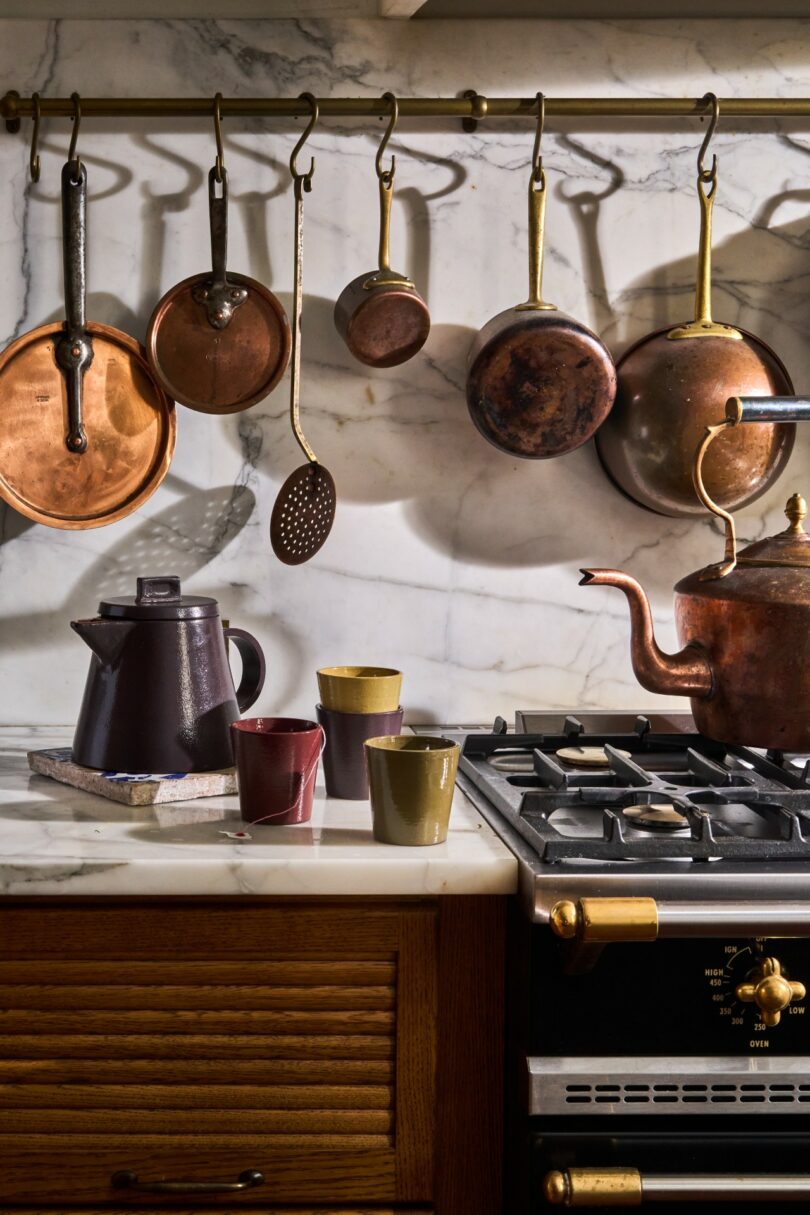
Investing in the il Buco Vita x Commune Design collection is an investment in the "lived-in" kitchen. These are pieces designed to age, to be handled, and to become part of the family story. The rare black clay of Assisi provides a foundation of strength and history, while the garden-toned glazes bring a contemporary vibrancy that celebrates the art of cooking.
Ultimately, a home that feels "cared for" is a home filled with objects that carry a narrative. Whether it’s the deep Eggplant hue of a canister or the matte black finish of a teapot, these ceramics remind us that the most beautiful things are often those that remain closest to the earth.
FAQ
1. What makes Assisi black clay different from standard terracotta? Standard terracotta is iron-rich and fired in oxygen-rich environments, resulting in its red color. Assisi black clay undergoes a "reduction firing" (ancestral technique) where oxygen is starved from the kiln, turning the clay body black throughout and increasing its density and durability.
2. Are these handmade ceramics food-safe and functional for daily use? Yes. Despite their artisanal origins and "ancestral" firing, the collection is designed for the modern kitchen. The glazes are food-safe, and the high-fired nature of the black clay makes the pieces durable for daily rituals like tea making and food storage.
3. How should I care for my il Buco Vita x Commune Design ceramics? Due to the tactile glazes and rare clay body, hand-washing is generally recommended to preserve the luster of the garden-toned finishes. Avoid abrasive cleaners that might mar the matte surfaces of the exposed black clay.