Quick Facts
- Method Name: The "Steam-and-Slide" Technique
- Time Required: 30–60 seconds per ear
- Efficiency Boost: Reduces shucking and de-silking time by approximately 75%
- Success Rate: Achieves 99% silk removal compared to manual peeling
- Tools Needed: A microwave and a sharp kitchen knife (no brushes or gadgets required)
There is nothing quite like the first bite of sweet, butter-slathered corn on the cob during a mid-summer backyard barbecue. It is the quintessential flavor of the season. However, for most home cooks and DIY enthusiasts, the path to that golden cob is paved with frustration. Traditional shucking is a messy, tedious chore that leaves your kitchen counter covered in green husks and those stubborn, clingy threads of corn silk that seem to find their way into every crevice. We’ve all been there—spending more time picking individual strands of silk out of our teeth than actually enjoying the meal.
Many people turn to specialized kitchen gadgets like corn brushes or rubber grippers to solve the "silk problem," but as someone who values budget-friendly and efficient home solutions, I’m here to tell you that those are unnecessary expenses. You don’t need more clutter in your utensil drawer. The secret to perfectly clean corn isn’t a tool at all; it’s a simple physics hack that utilizes something you already have in your kitchen.
The Secret 30-Second Hack for Silk-Free Corn
If you want to master the fastest way to shuck corn, you need to abandon the "peel-and-pray" method. The ultimate secret is what I like to call the Steam-and-Slide method. By leveraging a microwave and a strategic cut, you can transform a 10-minute chore into a 30-second victory.
The process is remarkably simple: you cut off the root end of the unhusked cob and microwave it for 30 to 60 seconds. Because of the moisture trapped within the layers of the husk, the microwave creates a miniature steam chamber. This steam effectively breaks the "glue" that binds the silk to the kernels. When you grab the top of the husk and give it a firm shake or squeeze, the perfectly clean cob slides right out, leaving 99% of the silk behind inside the discarded husk.
This isn’t just a marginal improvement; it’s a total game-changer for your meal prep. Statistics show that the microwave steaming method reduces corn shucking time by approximately 75% compared to traditional manual de-silking. Instead of laboring over a bin for twenty minutes to feed a family of four, you can have a dozen ears ready for the grill or the pot in less than five minutes.
Why It Works: The Science of Steam
As a DIYer, I always want to know why a hack works before I trust it with my dinner. The effectiveness of the Steam-and-Slide method comes down to the unique anatomy of an ear of corn. Each kernel is attached to a strand of silk (the stigma), which travels up the length of the ear and exits through the top. These fibers are designed to be strong and adhesive to catch pollen.
When you heat the unhusked ear in the microwave for 30-60 seconds, the water content inside the green leaves and the kernels themselves begins to vaporize. Since the husk acts as a natural, pressurized container, the steam is forced between the kernels and the silk. This moisture acts as a lubricant, breaking the bond between the fibers and the corn.
Clara’s Pro-Tip: Think of the corn husk as nature’s parchment paper. Just as steam helps a cake release from a tin, the steam inside the husk creates a "non-stick" environment that allows the cob to exit its shell without bringing the silk along for the ride.
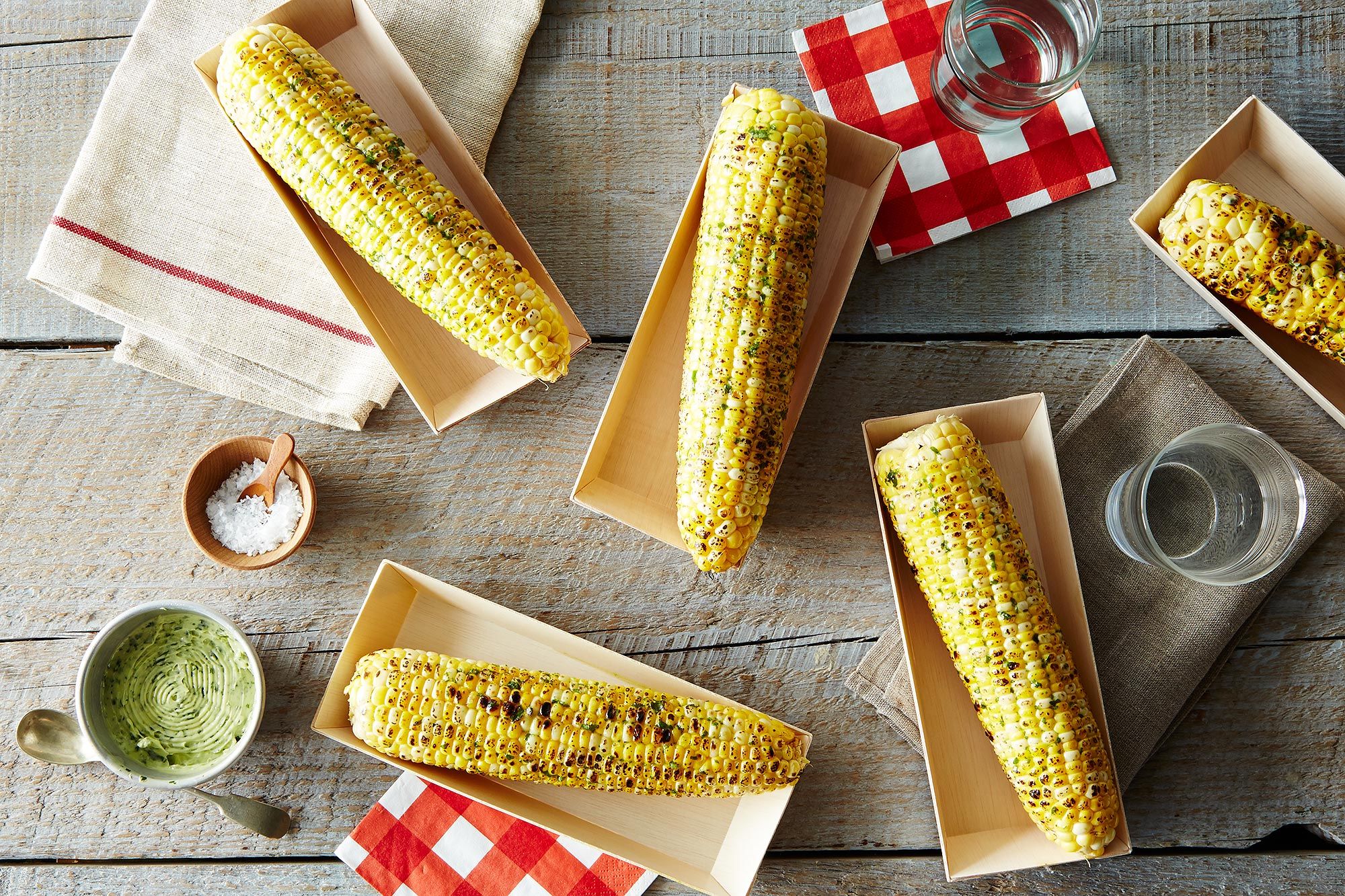
While some worry that microwaving will "cook" the corn prematurely, 30-60 seconds is just enough to loosen the fibers without fully cooking the starch. This leaves you with a fresh, raw (or slightly par-cooked) cob that is ready for whatever culinary direction you choose, whether it’s charring on the BBQ or boiling in salted water.
Step-by-Step: The Perfect Shuck Every Time
Safety is paramount in any DIY project, even in the kitchen. Because we are dealing with steam and heat, follow these steps carefully to ensure a clean result and no burnt fingers.
Step 1: Trimming the Root End
Place your unhusked corn on a stable cutting board. Identify the "butt" or root end (the thicker end where it was attached to the stalk). Use a sharp chef’s knife to cut through the cob about one inch above the base. You want to make sure you are cutting through the actual kernels, not just the leaves. This ensures that the connection point between the silk and the base is completely severed.
Step 2: The Microwave Phase
Place the corn (you can do 2-3 ears at a time) directly into the microwave. Do not wrap them in paper towels; the husks have all the moisture you need.
- 1 Ear: 30-45 seconds
- 3-4 Ears: 2 to 3 minutes The goal is to get the husk warm to the touch and slightly inflated with steam.
Step 3: The "Slide"
This is the satisfying part. Using an oven mitt or a clean kitchen towel (the husk will be hot!), grip the corn by the uncut, tasseled end (the top). Hold it vertically over a plate or bowl. Squeeze the top of the husk firmly and give it a few downward shakes.
The weight of the cob, combined with the lubrication from the steam, will cause the clean corn to slide right out of the bottom. If it feels stuck, you may need to cut a tiny bit higher on the root end to ensure the silk is free.
Alternative No-Tool Method: The "One-Pull" Technique
If you are at a campsite or a location without a microwave, you can still achieve a relatively clean shuck without tools. This is the One-Pull Technique, which focuses on tension rather than steam.
While traditional shucking involves peeling back one leaf at a time—which creates static electricity and causes silk to stick—the One-Pull method treats the husk as two distinct halves.
- Grip the silk tassels at the very top of the ear along with the first few layers of husk.
- Split the husk down the center into two even sections.
- In one decisive, strong motion, pull both sides all the way down to the base of the ear.
By pulling the entire husk at once, you trap the majority of the silk between the outer leaves and the inner cob. While it may not reach the 99% success rate of the microwave hack, it typically removes 98% of the silk in a single motion, saving you the frustration of picking off individual threads later.
Pro-Tips for the Best Corn on the Cob
To get the most out of these shucking hacks, you need to start with high-quality produce. No amount of "magic shucking" can save a starchy, old ear of corn. Here is how I pick the best ears at the farmer's market without peeling back the husk (which dries the corn out):
- Feel for Plumpness: Rub your hand along the length of the ear through the husk. You should feel individual, plump kernels. If you feel gaps or "holes," the ear wasn't fully pollinated and will have missing kernels.
- The Tassel Test: Look at the silk sticking out of the top. It should be brown and slightly sticky. If it’s black or bone-dry, the corn is past its prime. If it’s pale or yellow, it was picked too early.
- The Color of the Husk: The outer leaves should be bright green and feel slightly damp. Avoid husks that are starting to turn yellow or look like dry parchment.
- Store It Cold: Corn begins converting its sugar to starch the moment it’s picked. If you aren't shucking and eating it immediately, keep it in the refrigerator with the husks on to preserve that sweetness.
| Method | Time | Silk Removal Rate | Best For |
|---|---|---|---|
| Steam-and-Slide | 30s | 99% | Home cooking, bulk prep |
| One-Pull | 10s | 98% | Camping, raw salads |
| Traditional Peeling | 2-3 min | 70% | ...Honestly, nothing! |
FAQ
Q: Does the microwave method affect the taste of the corn? A: Not at all! In fact, many people find it enhances the flavor because the corn is essentially steamed in its own juices. It stays sweeter and more succulent than corn that has been boiled in a large pot of water where flavors can leach out.
Q: Can I use this method for corn that I want to grill? A: Yes! You can use the microwave hack to "pre-clean" the corn, then brush it with oil and put it directly on the grates for those beautiful char marks. Alternatively, you can microwave it for just 20 seconds to loosen the silk, pull the husk back but leave it attached at the base, remove the silk, and then fold the husks back up to grill the corn inside the leaves for a smoky, steamed flavor.
Q: Is it safe to microwave the husks? A: Yes, as long as the husks are fresh and green. Do not microwave corn with extremely dry, papery husks for long periods, as they can eventually scorch. Stick to the 30-60 second window.
Conclusion
Improving your home and your kitchen experience doesn't always require a trip to the hardware store or a shiny new appliance. Sometimes, the best DIY "upgrades" are simply better techniques. By adopting the Steam-and-Slide method, you’re not just saving time—you’re removing the one barrier that makes eating fresh corn a chore.
Next time you see a beautiful pile of sweet corn at the market, don't walk away because of the cleanup involved. Grab a dozen, head home, and put your microwave to work. You'll have perfectly clean, silk-free cobs ready for the butter dish in seconds, leaving you more time to enjoy the sunshine and the company of your friends and family.