For years, the small, high-sided saucepan has been the undisputed king of the breakfast nook. It is the "oatmeal pot," a dedicated vessel tucked away specifically for simmering rolled oats and milk. But as someone who spends my days testing the thermal conductivity of multi-clad stainless steel and the abrasion resistance of ceramic coatings, I’m here to tell you that your morning routine is suffering from a fundamental equipment error.
If you want better oatmeal—specifically, oatmeal that is creamier, cooked faster, and requires zero cleanup effort—you need to stop reaching for that deep pot. Instead, reach for your 10-inch nonstick skillet. It sounds counterintuitive, perhaps even a bit messy, but the physics of the shallow pan are exactly what your breakfast has been missing.
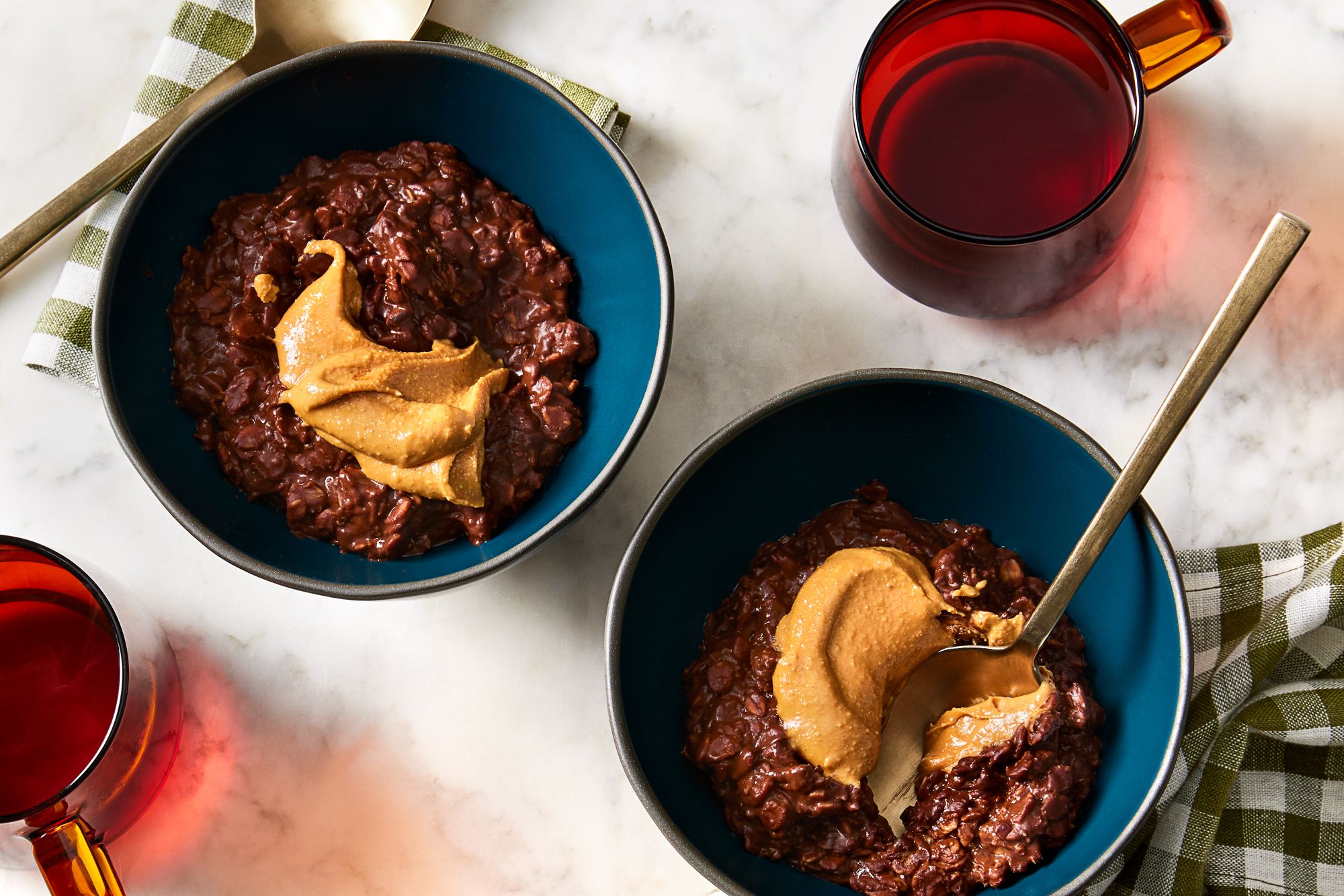
The Physics of Better Oats: Surface Area vs. Depth
In the world of kitchen equipment, geometry is destiny. When you cook oatmeal in a traditional saucepan, you are dealing with a narrow diameter and significant depth. This creates a "column" of heat where the bottom layer of oats is subjected to intense temperature while the top layer remains relatively cool, insulated by the liquid above it.
By switching to a 10-inch nonstick skillet, you are fundamentally changing how heat interacts with your food. The larger surface area promotes significantly faster evaporation. In a deep pot, steam is trapped by the high walls, often condensing and falling back into the mixture, which can lead to "gummy" rather than "creamy" oats. In a skillet, the moisture escapes efficiently, allowing the liquid to reduce and thicken around the oats in a way that mimics the texture of a slow-cooked risotto.
The Speed Advantage: Testing shows that cooking oatmeal in a shallow nonstick skillet can reduce total preparation time by up to 25% compared to traditional deep saucepans. This is due to the increased heat exposure across the wide base. In a standard morning rush, saving four or five minutes while achieving a superior texture is a definitive win for any household.
Editor’s Tip: The wide surface area doesn't just evaporate liquid; it allows the oats to "toast" slightly against the pan before you add all your liquid, adding a nutty complexity that a deep pot simply can't replicate.
No More Soaking: The Cleanup Revolution
We have all been there: a forgotten pot sitting in the sink, filled with water and a layer of "oatmeal cement" that requires a chisel to remove. This happens because the high starch content of oats, combined with the concentrated heat at the bottom of a stainless steel saucepan, creates a perfect adhesive.
The release properties of high-quality nonstick—specifically modern ceramic nonstick—eliminate this struggle entirely. Because the oats don't stick to the surface, they slide right onto your plate.
- The Skillet Swipe: After serving, a simple wipe with a silicone spatula or a quick rinse with warm soapy water is usually all that’s needed.
- No "Hot Spots": Because quality skillets often have thicker bases than cheap saucepans, heat is distributed more evenly, preventing the localized scorching that causes oats to burn and bond to the pan.
- Ceramic Superiority: Testing shows that high-quality ceramic nonstick coatings can maintain food-release properties even after exposure to temperatures up to 500°F. While you’ll be cooking your oats on medium-low, this heat tolerance ensures the pan won't degrade over years of daily breakfast use.
Better Ingredient Integration
One of the most overlooked benefits of the skillet method is how it handles "add-ins." When you’re working in a deep pot, trying to swirl in a tablespoon of almond butter or a few squares of dark chocolate often results in uneven clumps. You're fighting against gravity and a narrow space.
In a shallow pan, you have the room to "fold" your ingredients. Whether it’s swirling in honey, incorporating protein powder, or folding in fresh blueberries, the shallow depth allows for a much more graceful integration. The almond butter melts evenly across the wide surface, and the chocolate incorporates smoothly without burning or adhering to the bottom of the pan.
| Feature | Traditional Saucepan | Nonstick Skillet |
|---|---|---|
| Surface Area | Small (4-6 inches) | Large (10-12 inches) |
| Cooking Time | Standard (8-12 mins) | Fast (6-8 mins) |
| Cleanup | Often requires soaking | Easy "Swipe" Clean |
| Texture | Can be gummy/uneven | Consistently Creamy |
| Risk of Burning | High at the base | Low (due to nonstick) |
Selecting the Best Tool for the Job
Not all skillets are created equal for the "Skillet Oatmeal" method. You want something with enough weight to hold heat, but a coating that is slick enough to handle the starchiest of grains.
Based on my long-term testing in the Home Appliances & Kitchen department, here are the three top contenders for your morning oats:
1. The All-Rounder: OXO Nonstick Pro (10-inch)
This pan is a perennial favorite for a reason. It features a triple-layer, PFOA-free nonstick coating that is exceptionally durable. The rounded rims make pouring your finished oats into a bowl a drip-free experience, which is a small but vital detail for the early morning hours.
2. The Induction Choice: Misen Nonstick Pan
If you cook on induction, you need a pan with a heavy steel base. The Misen Nonstick offers a unique "plasma" primer layer that helps the nonstick coating stay bonded longer. It’s slightly heavier than the OXO, which means it holds heat beautifully—perfect if you like to let your oats sit for a minute to thicken up after the heat is off.
3. The Budget Pick: Tramontina Professional Fusion
Don't let the price tag fool you. This is a workhorse used in many professional kitchens. It’s an aluminum-heavy pan that heats up incredibly fast. If that 25% time reduction is your main goal, this is the pan that will get you there the quickest.
How to Transition: A Quick Skillet Oatmeal Method
Making the switch requires a slight adjustment to your ratios. Because of the increased evaporation rate, you might find you need about 10% more liquid than your usual "pot" recipe calls for.
- The Ratio: Use 1/2 cup of rolled oats to 1 1/4 cups of liquid (water, milk, or a mix).
- The Heat: Start on medium. Add the oats to the dry pan for 60 seconds to "toast" them until they smell slightly nutty.
- The Liquid: Add your liquid and a pinch of salt. It will bubble almost immediately because of the pan's surface area.
- The Simmer: Turn the heat down to low-medium. Use a silicone spatula to occasionally "sweep" the oats across the pan.
- The Finish: Once the liquid has reduced to a creamy consistency (usually in about 5-7 minutes), fold in your fats (butter/nut butters) and sweeteners.
Maintenance Tips for Longevity
To ensure your skillet remains the ultimate oatmeal tool for years to come, you must treat the nonstick surface with respect. While many brands claim to be "metal utensil safe," the reality of kitchen physics suggests otherwise.
- Skip the Dishwasher: Even if the box says "Dishwasher Safe," the high-heat drying cycles and harsh detergents can strip the hydrophobic properties of the nonstick coating over time. Hand-washing a skillet used for oatmeal takes seconds.
- Silicon is Your Friend: Only use silicone or wooden spatulas. Metal spoons can create micro-scratches that eventually lead to sticking.
- The Buffer Rule: If you stack your pans, place a felt protector or a simple paper towel between the skillet and the pan sitting on top of it. Most nonstick damage happens in the cabinet, not on the stove.
Conclusion: A Smarter Start
The move from a saucepan to a skillet isn't just a "hack"; it’s an optimization of kitchen physics. By prioritizing surface area, you are choosing a faster cook time and a superior, creamier texture. By choosing nonstick, you are reclaiming the ten minutes you used to spend scrubbing the sink.
It’s rare that a single equipment swap can so drastically improve a daily ritual. Give the skillet method a try tomorrow morning—your palate (and your dishwasher) will thank you.
FAQ
Q: Can I use steel-cut oats in a skillet? A: You can, but because steel-cut oats require a much longer simmer time (20-30 minutes), the evaporation rate of a skillet might be too high. For steel-cut, I still recommend a traditional pot unless you are prepared to keep adding water throughout the process.
Q: Does the oatmeal splash out of the shallow pan? A: If you keep the heat at a steady low-medium simmer, splashing is not an issue. The oats will bubble gently. Only at a rolling boil in a very small skillet would you face a mess.
Q: Is ceramic nonstick better than traditional PTFE for oatmeal? A: Both work well, but ceramic is often preferred for breakfast foods because it can handle the slightly higher "toasting" temperatures without any concern about off-gassing, and it generally offers a stiffer surface that is easier to scrape with a spatula.