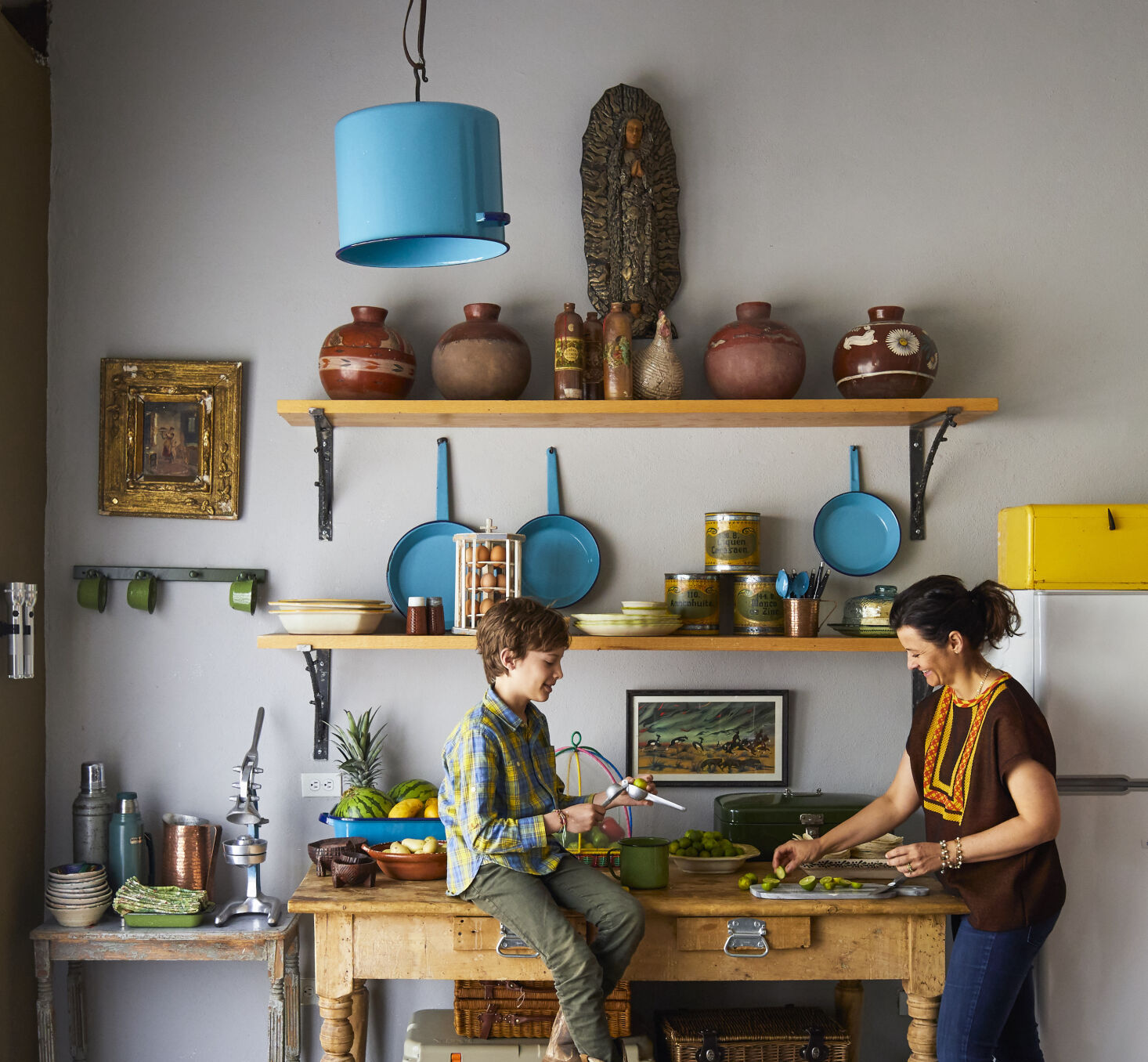
Have you ever noticed how the most effective home systems often hide in plain sight? As a lifestyle editor, I’ve spent years testing modular acrylic bins, woven seagrass baskets, and high-tech drawer dividers. Yet, the most profound "aha!" moment in my own closet didn't come from a container store—it came from my kitchen.
There is a specific, resonant clink that happens when a stack of Mexican enamelware, known locally as peltre, is moved. It’s the sound of heritage, of "abuelita’s" kitchen, and of a material so resilient it outlasts the very homes it inhabits. But why are we pigeonholing these vibrant, steel-core beauties to the stovetop? What if the secret to a perfectly organized, sustainable, and soulful wardrobe was actually sitting in a stack of serving trays?
Traditionally, peltre is a durable material made from a heavy-gauge steel core coated with a non-toxic porcelain glaze. For decades, it has been the backbone of Mexican culinary life. Today, however, we are seeing a "Peltre Renaissance." Designers and professional organizers are looking past the stockpot to see a modular storage system that is more durable than plastic, more colorful than wood, and infinitely more sustainable.
The Peltre Renaissance: From Abuelita’s Kitchen to the Modern Wardrobe
To understand why peltre is making waves in interior design, we first have to understand what it is. At its core, Mexican enamelware is a marriage of strength and delicacy. The steel provides the structure, while the glass-powder glaze, fired at incredibly high temperatures, creates a smooth, non-porous surface that is resistant to rust, UV rays, and abrasions.
For a long time, enamelware was seen as "humble" cookware—the utilitarian choice for camping or busy family kitchens. But a shift occurred when artisanal brands like Malte Taller and designers like Jorge Almada and Anne-Marie Midy of Casamidy began to recontextualize the material. They recognized that the vibrant colors and the cool, clean touch of enamel could elevate the bedroom just as easily as the dining room.
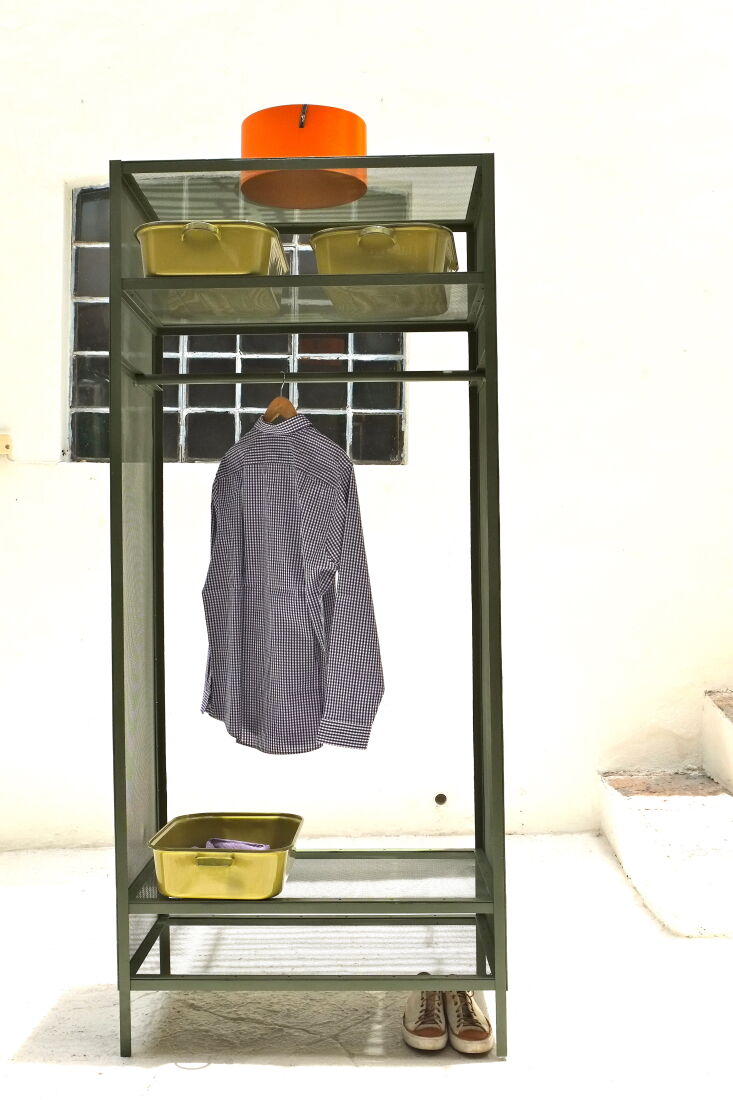
By integrating enamelware into high-end furniture pieces, like the Mercado Armoire, these designers proved that peltre isn't just for boiling beans. It is a design element that brings a "Hacienda" warmth to modern, minimalist spaces. It bridges the gap between historical craftsmanship and the contemporary need for clean, functional systems.
Why Peltre is the Ultimate Organizing Tool
When I evaluate a storage system, I look for three things: durability, modularity, and aesthetic longevity. Traditional plastic bins often fail on all three. They crack under weight, they yellow in sunlight, and they feel temporary. Peltre, on the other hand, is built for the long haul.
One of the most compelling reasons to switch to enamelware is its impact on your home's environmental footprint. Research suggests that repurposing durable materials like vintage or high-quality enamelware can reduce household plastic storage waste by up to 40%. Because a peltre tray won’t shatter if you drop it or warp if your closet gets humid, you aren't replacing it every few years.
The "Folded Shirt" Hack
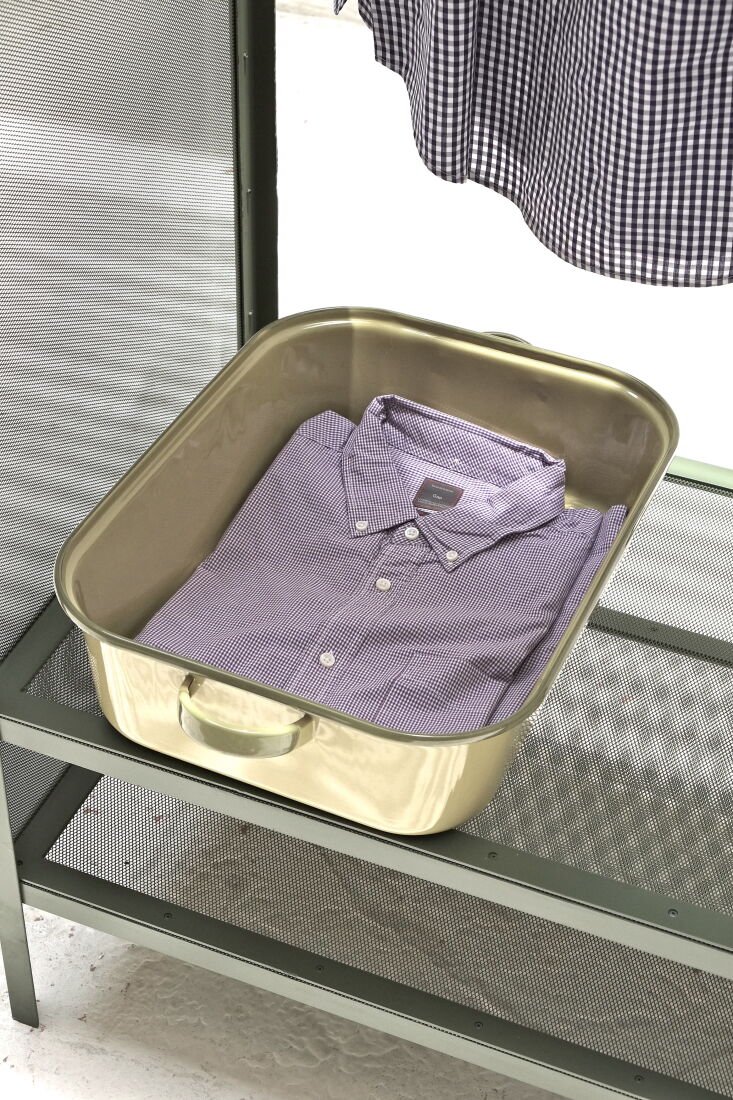
The most practical breakthrough in using Mexican enamelware for organization is the discovery of the "perfect fit." Standard Mexican serving trays—the kind used for tacos al pastor or large family gatherings—are almost exactly the dimensions of a standard folded shirt.
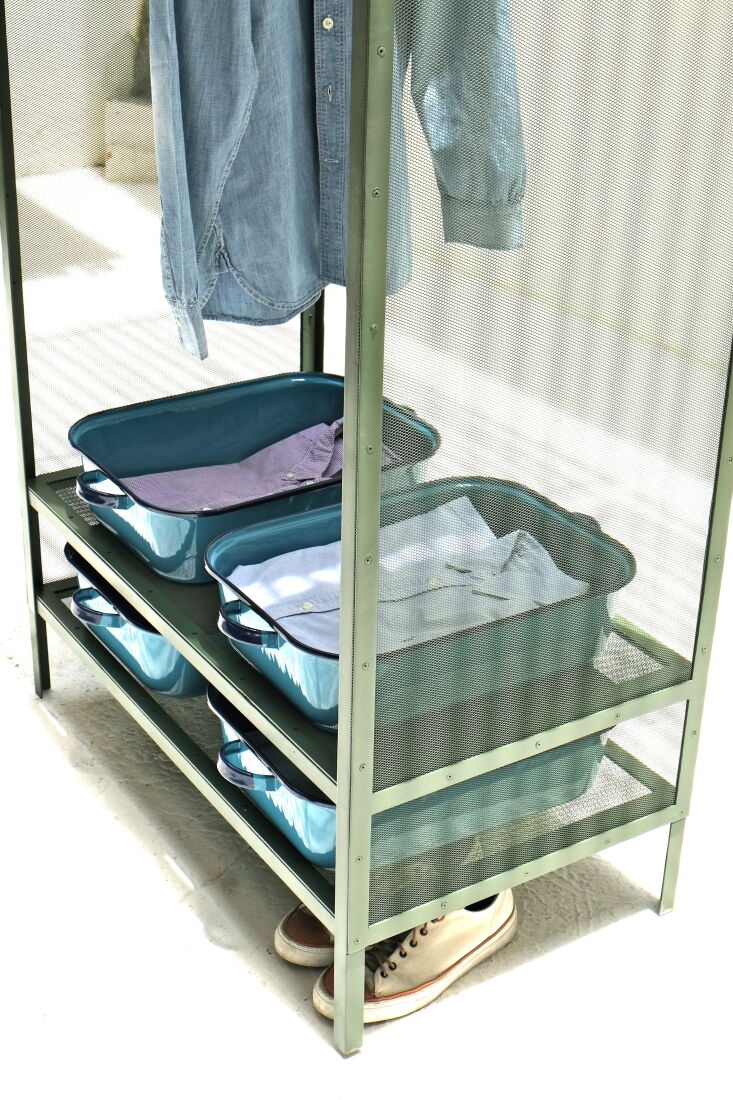
When you use these trays as shelf dividers, you create a "sliding drawer" effect without the need for expensive custom cabinetry. The smooth glaze allows the tray to glide easily over wood or wire shelving, and the low lip of the tray keeps your "file-folded" shirts standing upright without them toppling over into a messy heap.
Practical Closet Applications for Enamelware
If you're ready to transition from plastic to peltre, start small and think about the items that currently cause the most visual "noise" in your closet.
- Serving Trays as Shirt Dividers: Use rectangular trays (approximately 12x16 inches) to stack t-shirts, linens, or even lightweight sweaters. The rigid sides prevent the "leaning tower" effect common in deep shelves.
- Stockpots and Buckets: Large Cinsa Olla Vaporeras (tamale steamers) or deep buckets are ideal for the floor of the closet. Use them to hold rolled-up yoga mats, umbrellas, or even winter scarves and pashminas.
- Smaller Bowls and Cups: Don't overlook the humble pocillo (enamel mug) or small salsa bowls. These are perfect for the "daily carry" items on your dresser or top shelf—cufflinks, watches, jewelry, or even loose change.
- Rectangular Roasting Pans: These are deeper than serving trays and work wonders for organizing handbags or bulky winter accessories like hats and gloves.
Sophie’s Pro-Tip: If you are using enamelware on delicate wooden shelves, apply small felt bumper pads to the bottom of the trays. This allows them to slide silently and protects your furniture from any potential scratches from the steel base.
Beyond the Closet: Repurposed Decor Ideas
The beauty of Mexican enamelware is its versatility. Once you've mastered the closet, you’ll find that these pieces naturally migrate to other parts of the home, creating a cohesive, systems-driven aesthetic.
One of the most striking ways to use larger peltre pieces is through DIY lighting. A traditional enameled stockpot, particularly the iconic turquoise or deep cobalt blue from brands like Cinsa, can be easily converted into a pendant lamp. By drilling a small hole in the base for a light kit, you transform a kitchen staple into a vibrant, rustic lampshade that anchors a room.
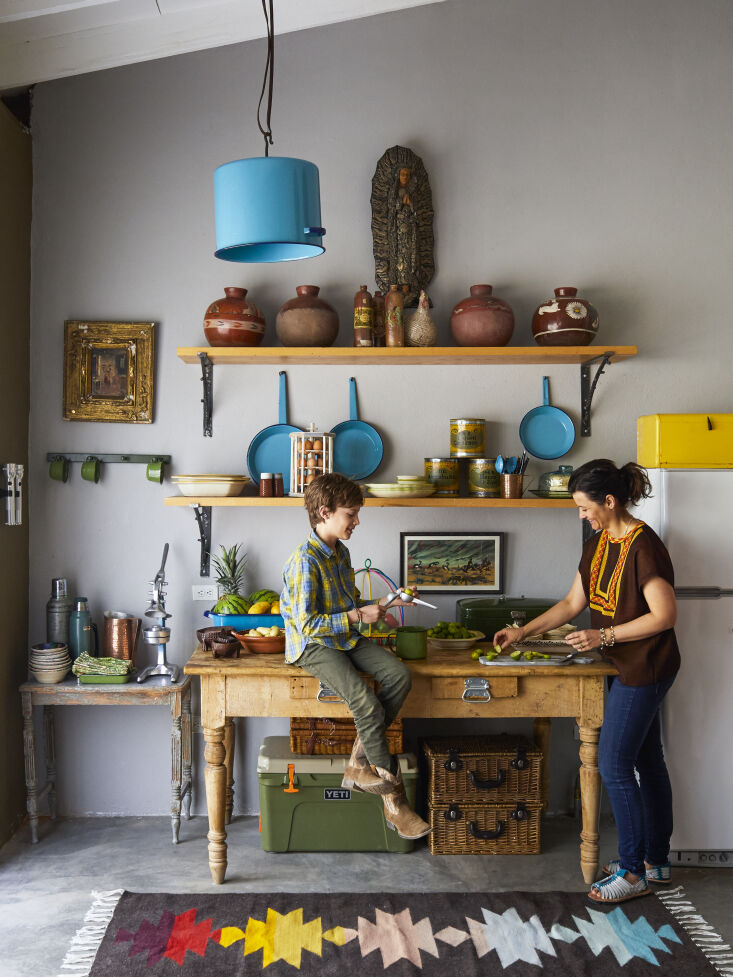
Integrating these pieces into your decor also allows for a beautiful mixing of textures. Enamelware’s glossy finish provides a stunning contrast to natural materials like raw wood shelving, leather-bound books, or stone countertops. It adds a "pop" of intentional color—whether it’s the classic white with a blue rim or the more modern "confetti" and "heart" patterns found in contemporary collections.
Quality and Safety: What to Look For
When sourcing peltre for your home, especially for areas where you handle items daily like a closet or bedroom, quality matters. Historically, some older or very cheap enamelware used lead in the glazing process. While this is less common today, it is a crucial factor to consider.
Modern artisanal brands like Malte Taller guarantee 100% lead-free and non-toxic glazes. Their products are food-safe, which by extension makes them perfectly safe for storing your clothing and personal items. High-quality enamelware should feel heavy for its size—this indicates a thick steel core that won't easily dent.
Traditional Plastic Storage vs. Enamelware Storage
| Feature | Plastic Bins | Mexican Enamelware (Peltre) |
|---|---|---|
| Durability | Prone to cracking and warping | Extremely durable; steel-core strength |
| Eco-Impact | High (petroleum-based, non-biodegradable) | Low (recyclable steel, long lifespan) |
| Aesthetic | Utilitarian/Clinical | Artisanal/Heritage/Vibrant |
| UV Resistance | Yellows and becomes brittle in sun | 100% UV resistant; colors won't fade |
| Maintenance | Can hold odors and stains | Non-porous; easy to sanitize |
Care and Maintenance for Long-Term Value
To ensure your peltre collection remains a "forever" part of your home system, a little care goes a long way. While the material is incredibly tough, the glass coating can chip if handled too roughly.
- Handwashing is Best: While many modern enamelware pieces are technically dishwasher safe, the harsh detergents and high heat of a dishwasher can eventually dull the gloss of the glaze. A quick wipe with a damp cloth is usually all that’s needed for closet storage.
- Avoid the Microwave: This is the golden rule of enamelware. Because there is a steel core underneath that beautiful glaze, putting it in a microwave will cause sparking and damage to the appliance.
- Preventing Chips: If a piece does chip, don't panic. In the kitchen, a chip on the outside is fine, but you should be careful with food contact on the inside. In the closet, a small chip simply adds "character" and doesn't affect the organizational utility.
FAQ
Q: Is vintage Mexican enamelware safe to use for clothes? A: Generally, yes. The primary concern with older enamelware is lead content in the glaze if used for acidic food. For storing folded shirts or accessories, vintage pieces are a fantastic, sustainable choice. However, for items that touch your skin directly (like undergarments), opting for modern, certified lead-free brands like Malte Taller is the safest bet.
Q: Does enamelware rust? A: The porcelain glaze is designed to prevent rust. However, if the glaze chips and the steel core is exposed to consistent moisture, rust can form at the site of the chip. In a standard indoor closet environment, this is rarely an issue.
Q: Where can I buy authentic Mexican peltre? A: For classic, everyday pieces, Cinsa is the gold standard found in almost every Mexican household. For more design-forward, artisanal, and guaranteed lead-free pieces, look to Malte Taller or boutique importers who specialize in Mexican craft.
Create Your Own System
Moving toward a more intentional, organized home doesn't require a total overhaul or a mountain of plastic bins. Sometimes, it just requires looking at a kitchen staple with fresh eyes. By bringing Mexican enamelware into your closet, you aren't just organizing your shirts—you're inviting a piece of history, a splash of color, and a truly sustainable system into your daily routine.
Next time you're browsing a local market or an artisanal shop, pick up a tray. Feel the weight of the steel, admire the depth of the glaze, and imagine it holding your favorite linens. It’s time to let peltre shine in every room of the house.