Quick Facts
- Standard Lifespan: Most modern dishwashers last between 9 and 12 years, but filter maintenance can extend this to 16 years.
- Direct Answer: If there is no blockage and the pump is running, a loose drain pump impeller or a forgotten garbage disposal knock-out plug is likely the cause.
- Quick Reset: Hold the Start/Cancel button for 3 seconds to force a drain cycle and reset the control board.
- Primary Cause: Over 90% of drainage issues start with a clogged filter or a obstructed air gap assembly.
- Efficiency Tip: Always run the hot water at your kitchen sink for 30 seconds before starting the dishwasher to ensure a high-temperature initial wash.
- LG AE Code: This specific error signifies an internal leak detection; the machine will often keep the drain pump running continuously until the base tray is dry.
Facing a dishwasher not draining? Don't call a plumber yet. We cover the fixes for standing water, from cleaning filters to fixing unseated impellers, ensuring your kitchen stays dry and your appliance runs efficiently for years to come. If your dishwasher is not draining but has no blockage, the issue is often a loose drain pump impeller or a knock-out plug left in a new garbage disposal.
Phase 0: Safety and Manual Water Removal
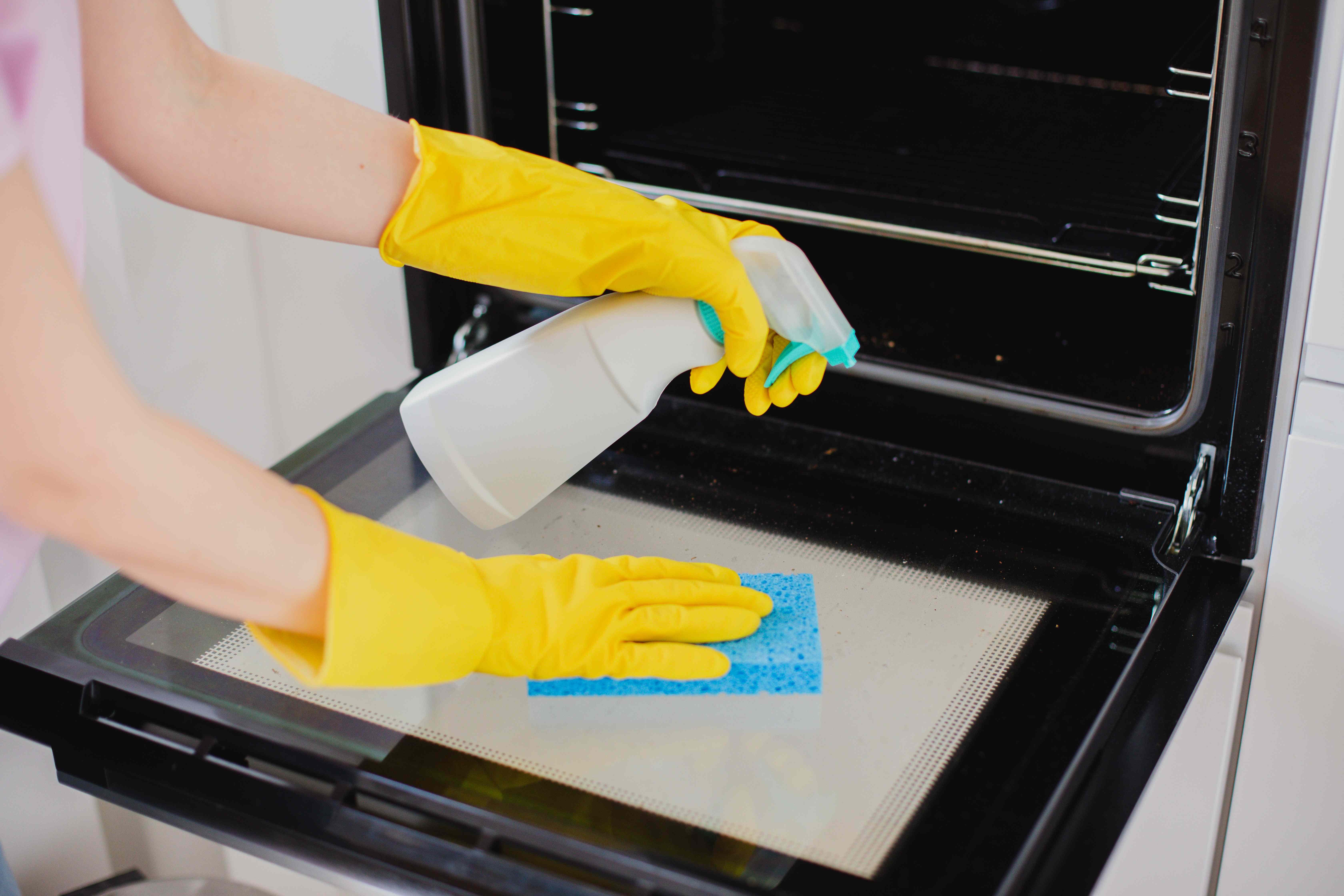
Before you start poking around the mechanical guts of your appliance, safety is the absolute priority. Dishwashers combine water and electricity, which is a dangerous mix if not handled correctly. Start by shutting off the power at the circuit breaker. Simply turning it off at the interface is not enough if you are dealing with a potential internal leak or a faulty control board.
Once the power is cut, you need to address the standing water. Use a small plastic cup or a sponge to scoop out the wastewater into a bucket. This isn't just about making the repair cleaner; it is a critical diagnostic step. If you have an LG unit, the lg dishwasher ae code troubleshooting process begins here. This error code usually means moisture has hit the leak sensor in the base pan. By drying the sump area and the surrounding base tray completely, you might reset the sensor and stop the persistent alarm.
Always wear protective gloves during this process. I have seen far too many homeowners cut their hands on broken glass shards or ceramic chips that have collected in the sump area. These heavy fragments often settle at the bottom and are the primary reason a dishwasher would stop draining effectively.

The 'External' Trap: Disposal and Air Gap Checks
In my years as an editor specializing in home appliances, I have found that nearly 30% of drainage complaints occur immediately after a kitchen renovation or a garbage disposal replacement. This brings us to the most common external cause: the knock-out plug. When a new garbage disposal is installed, the plastic plug where the dishwasher drain hose connects must be removed. If the installer forgets this, you will find your dishwasher not draining after garbage disposal install despite the machine being in perfect working order.
If your disposal isn't new, the issue might be a simple case of shared plumbing. A standard dishwasher cleaning cycle typically drains water three to four separate times to facilitate different wash and rinse phases. If your disposal is full of food waste, it can act as a dam, preventing the dishwasher from pushing water through the line. Run your disposal with plenty of cold water before starting every dishwasher load to clear the path.
Another external component to check is the air gap assembly—that small chrome cylinder on the back of your sink. Debris like carrot peels or small seeds can easily get stuck here. Pop the cap off and check for obstructions. Furthermore, verify that your drain hose has a high loop. The hose should be secured to the underside of the counter, reaching a height of at least 18 inches before connecting to the sink drain. This prevents sink water from siphoning back into the dishwasher.
Deep Dive: Cleaning the Filter and Pump Impeller
If the external plumbing is clear, we must look inside the machine. Most modern units, including high-end brands, require you to manually clean the filter. If you find your dishwasher not draining after cleaning filter, the problem likely lies deeper within the drain pump motor.
The drain pump motor uses a plastic fan-like component called an impeller to move water. Over time, heat and detergents can cause the impeller to become loose on its shaft. This results in a frustrating scenario where you have a dishwasher not draining with pump running. You can hear the motor humming, but because the impeller is spinning freely without a firm grip on the motor shaft, no water moves.
To inspect this:
- Remove the bottom rack and the circular filter at the base.
- Look for a small plastic cover (often held by one screw or a clip) that protects the pump.
- Check for debris like glass, toothpicks, or plastic ties.
- Try to wiggle the impeller; if it wobbles or spins loosely without resistance, it must be replaced.
Don't forget the check valve. This is a small rubber flap located near the pump that ensures water only flows in one direction. If its shape is distorted or its seal is compromised, wastewater will flow back into the tub the moment the pump stops. This is a common cause for a dishwasher not draining completely, leaving an inch of dirty water at the bottom of the tub.

Troubleshooting Long Cycles and Electrical Errors
Maintenance is not just about clearing clogs; it’s about understanding the internal logic of the machine. If you notice abnormally long rinse cycles, sometimes staying on the same minute for half an hour, your machine is likely struggling with a heating element or a temperature sensor. Most modern dishwashers will not advance the timer until the water hits a specific temperature. If the heating element is failing, the machine "stalls" to try and reach that target.
Electrical errors are also closely tied to drainage. If you own an LG model, the lg dishwasher ae code troubleshooting guide emphasizes that this is a leak error, not necessarily a drainage failure. However, a leak often happens because of a backup in the drainage system that forces water out of the seals.
Expert Tip: If your dishwasher has a digital display, you can usually enter a diagnostic mode by pressing a specific sequence of buttons (refer to your manual). This mode can force the drain pump to run independently, helping you determine if the motor itself has failed or if the control board malfunctions are sending the wrong signals.
For Bosch owners, the "Check Water" light or specific E-codes like E24 or E25 are the primary signals. I specifically recommend bosch dishwasher troubleshooting not draining steps that involve checking the pump cover, as Bosch machines are known for being particularly sensitive to the position of that plastic pump housing.
Decision Matrix: Repair vs. Replacement Guide
Understanding the long-term value of your appliance involves knowing when to quit. The average service life of a household dishwasher is between 9 and 12 years, though meticulous care can pull you toward 16 years. When faced with a major repair, I generally follow the "50% Rule": if the repair cost is more than half the price of a relative new unit, it is time to replace it.
According to research, approximately 15% of dishwashers from certain major appliance brands experienced leakage issues within their first three years. If you are in that unlucky 15% with a young machine, the repair is almost always worth it. However, if your pump fails and the machine is over a decade old, you might be throwing good money after bad.
| Feature / Scenario | Repair It | Replace It |
|---|---|---|
| Appliance Age | Less than 7 Years | Over 10 Years |
| Faulty Component | Clogged filter, Drain pump impeller, High loop | Main Control Board, Rusted tub, Failed motor |
| Cost of Part | Under $150 | Over $300 |
| Efficiency | ENERGY STAR rated | Pre-2010 model |
As an editor who evaluates these machines daily, I suggest looking at the overall condition of the racks and the door seal. If the racks are rusting and the tub is clouded with hard water deposits, these are indicators that more failures are on the horizon. A dishwasher repair vs replacement guide should prioritize the structure of the machine as much as the electrical parts.

FAQ
Why is there standing water at the bottom of my dishwasher?
Standing water is typically caused by a blockage in the filter system or the drain hose. It can also occur if the check valve is failing, allowing wastewater to flow back into the tub after the pump shuts off. Most of the time, this is a maintenance issue involving food debris or small household objects like glass shards or plastic ties getting stuck in the sump area.
Why is my dishwasher not emptying but no blockage?
If your dishwasher is not emptying but no blockage is found, the most likely culprit is a mechanical failure of the drain pump motor or its impeller. The impeller may have become unseated or stripped from the motor shaft, meaning it spins without moving water. In new installations, check for the garbage disposal knock-out plug, which acts as a physical barrier even though the pipes themselves appear clean.
How to force a dishwasher to drain water?
To force a drainage cycle, locate the Start or Cancel button on your control panel. Most modern dishwashers, including those from Whirlpool, Bosch, and Samsung, will trigger a 1-minute to 2-minute drain cycle if you hold the Start/Cancel button for 3 seconds. This bypasses the normal wash logic and manually engages the pump to clear the tub.
What is the most common cause for a dishwasher not to drain?
The most common cause is a clogged filter. Over time, grease, food particles, and calcium deposits build up in the mesh filter at the bottom of the tub, eventually choking the flow of water to the pump. Regular cleaning of the filter every 3 to 6 months is the best way to prevent this issue and maximize the long-term value of your machine.
How do I force my dishwasher to drain?
Beyond the 3-second reset rule, you can also force a drain by simply starting a new cycle and then immediately canceling it. Additionally, check for a float switch (the small plastic mushroom-shaped part near the front). If this switch is stuck in the "up" position, the machine thinks it is full and may refuse to start or drain properly. Gently tapping it can sometimes release it and trigger the drainage sequence.