Quick Facts
- Method: Baking Soda & Vinegar Overight Hack
- Total Time: 8-12 hours of inactive dwell time
- Active Work: Approximately 15 minutes of prep and wiping
- Safety Profile: Non-toxic, fume-free, and food-safe
- Cleaning Efficacy: Naturally neutralizes acidic grease and carbonized spills
- Maintenance Recommendation: Monthly steam refresh or quarterly deep clean
- Energy Impact: Reduces smoke and improves oven efficiency by removing heat-absorbing grime
Cleaning a greasy oven doesn't require harsh chemicals or hours of physical labor. By using the right science-backed method, you can achieve a sparkling interior while you sleep. To clean an oven without scrubbing, apply a paste made from half a cup of baking soda and water to the interior surfaces, avoiding the heating elements. Allow the paste to sit for at least two hours or overnight to break down carbonized grease and hardened food spills. Spray the dried paste with distilled white vinegar to create a foaming chemical reaction, then simply wipe away the loosened residue with a damp microfiber cloth.
Why You Should Skip the Self-Clean Button
As a specialist in home efficiency, I am often asked about the self-cleaning feature built into modern ovens. While it seems like the ultimate labor-saving tool, it is often the most dangerous and inefficient way to maintain your appliance. These cycles typically reach temperatures hovering around 1000°F. While this incinerates food, it places an immense mechanical strain on the unit.
Operating at these extreme temperatures can frequently lead to fuse failure or permanent damage to the electronic control board. Furthermore, the high-heat degradation of porcelain enamel can release unpleasant odors and, in some cases, toxic fumes if the oven is heavily soiled. For bird owners, these fumes can actually be fatal. Choosing an eco-friendly cleaning alternative like sodium bicarbonate isn't just about avoiding chemicals; it is about protecting the longevity of your high-value appliance and ensuring your home remains fume-free.
The Recipe: Creating Your No-Scrub Paste
The secret to this no-scrub method lies in the chemistry of the ingredients. Sodium bicarbonate is a non-toxic mineral abrasive that is pure enough at over 99% to meet United States Pharmacopoeia standards. This makes it a food-safe alternative to caustic cleaners that require heavy ventilation and rubber gloves.
Depending on how long it has been since your last deep clean, you should choose between these two formulas for the best homemade oven cleaner:
| Soil Level | Recipe Ingredients | Target Consistency |
|---|---|---|
| Regular Soil | 1/2 cup baking soda + 3 tbsp water | Consistency of pancake batter |
| Heavy/Baked-on Soil | 1 lb baking soda, 1 tbsp salt, 2 tbsp water | Consistency of thick cake icing |
Baking soda is a mild alkaline cleaner that chemically neutralizes acidic oven grease composed of food particles. By adjusting the water content, you ensure the paste clings to the vertical walls of the oven without running off, allowing the chemical reaction to work where it is needed most.
Step-by-Step: The Overnight Oven Hack
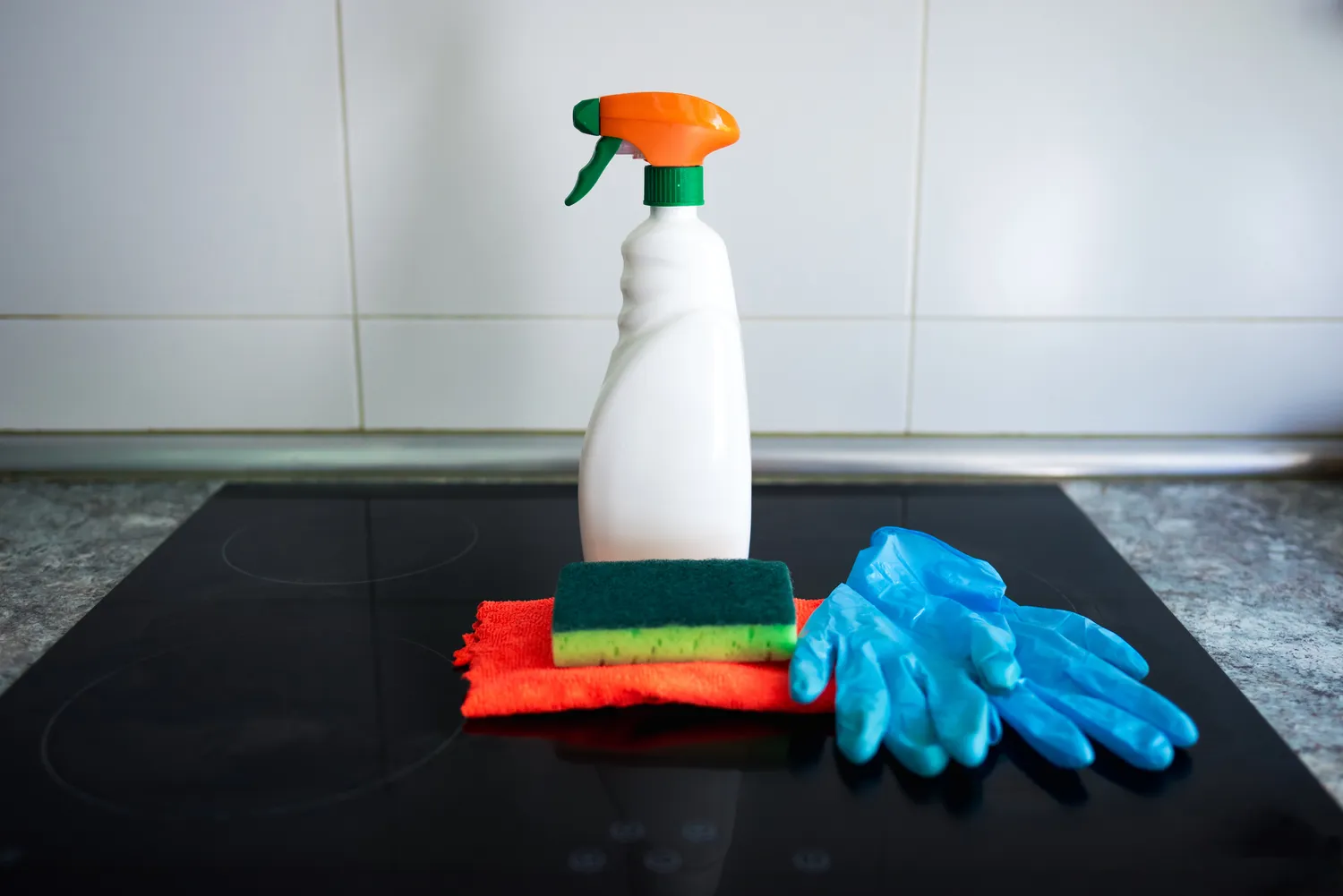
To master how to clean oven without scrubbing, you need to let time do the heavy lifting. For heavy or baked-on grease, experts recommend allowing a baking soda paste to dwell for 12 hours or overnight to break down grime sufficiently for removal without scrubbing. Follow these steps for the best results:
- Remove the oven racks and any thermometers or accessories. This gives you clear access to the entire porcelain enamel cavity.
- Apply the paste liberally to the interior surfaces using a sponge or a small brush. It is vital to avoid the heating elements, as the paste can cause damage or odors when the oven is next turned on. Focus heavily on the bottom where carbonized grease tends to pool.
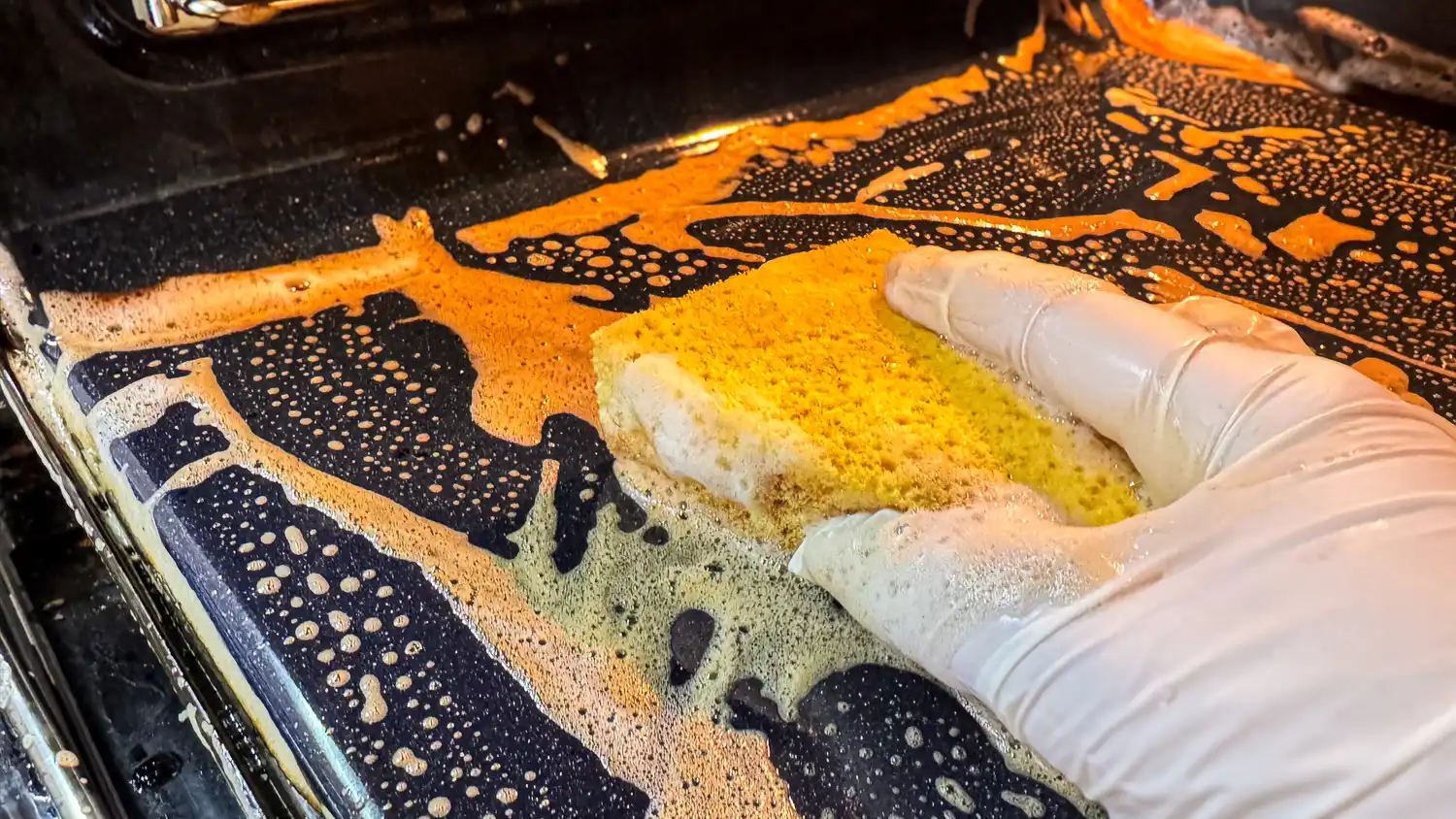
- Wait for at least 12 hours. During this period, the alkaline nature of the baking soda slowly softens the hardened spills. You will notice the paste turning a brownish color as it absorbs the oils.
- Trigger the chemical reaction by lightly spraying the dried paste with distilled white vinegar. The mixture will begin to fizz and foam, which helps lift the remaining residue from the surface.
- Execute the final wipe using a damp microfiber cloth. The grit and grime should slide right off the surface. If any stubborn spots remain, simply re-apply a small amount of paste and wait another hour.
Zoned Cleaning: Glass Doors and Racks
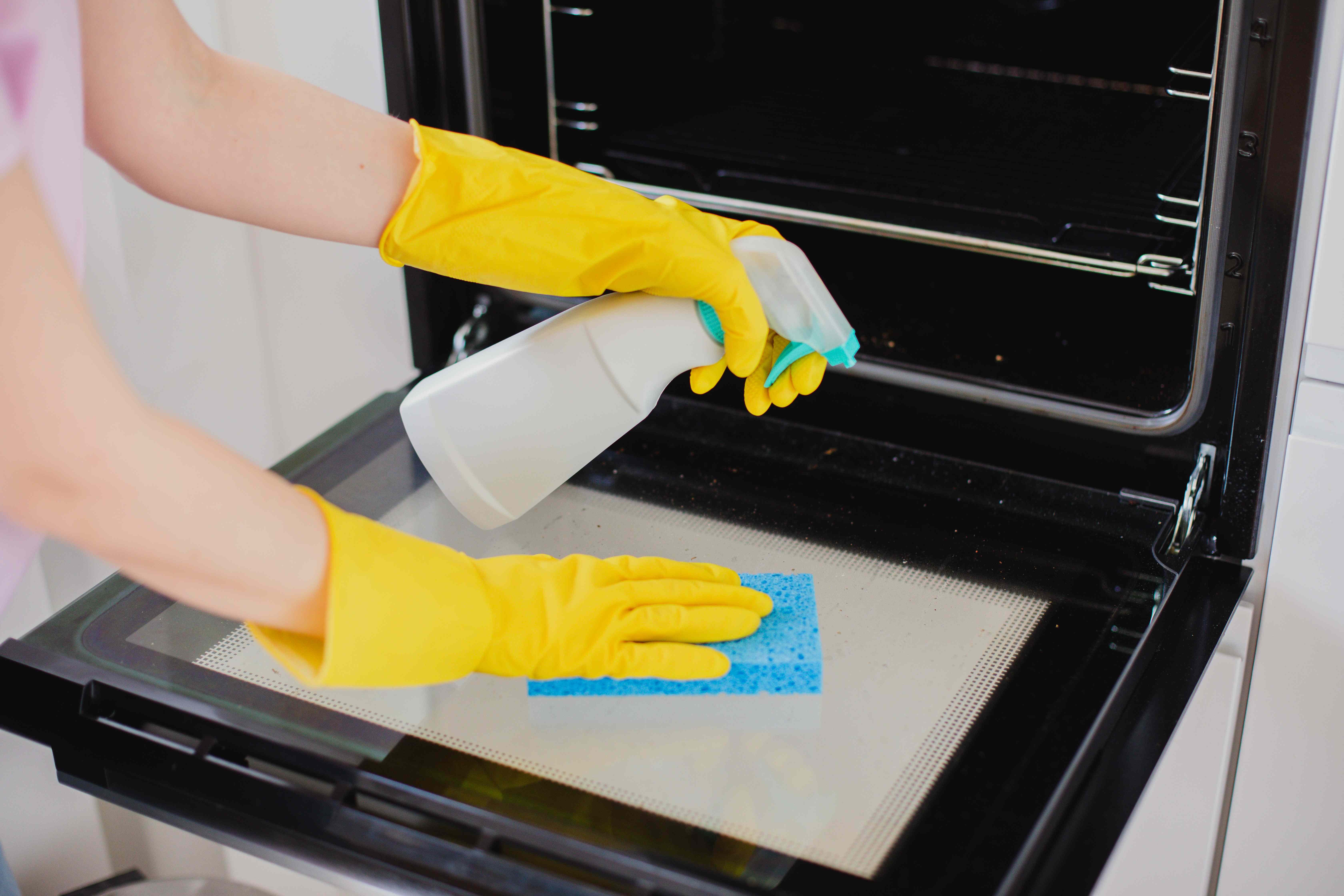
When learning how to clean grease off oven door glass without scrubbing, a slightly gentler touch is required. The glass is susceptible to scratches if you use metal scrapers or harsh abrasives. Apply a thick layer of the baking soda paste to the glass and let it sit for several hours. This prevents the need for any forceful rubbing. Wipe it away with a soft cloth to restore transparency.
To handle the components, how to clean oven racks without scrubbing usually involves the bathtub method. Place your racks in a tub lined with an old towel (to prevent scratching the tub) and fill it with very hot water and a few squirts of dish soap or a dissolved dishwasher tablet. Let them soak for 4 to 6 hours. Most of the grease will simply dissolve into the water, requiring only a quick rinse before they go back into the oven.
Maintenance: Keeping It Clean for the Long Haul
The most energy-efficient home is a well-maintained one. To prevent splatters from turning into permanent stains, you should adopt a "wipe-as-you-go" philosophy. Once the oven has cooled down after cooking, a quick spray with distilled white vinegar and a wipe with a microfiber cloth can prevent grease from polymerizing and becoming much harder to remove later.
For routine maintenance without heavy labor, use the vinegar steam method. Place an oven-safe bowl containing two cups of white vinegar in an oven preheated to 300°F and let it steam for 30 minutes. The moisture and acidity help loosen light grease and film, allowing you to wipe the interior clean with a sponge once the unit has cooled significantly. For homeowners and renters alike, this is how to clean an oven quickly between major deep cleans.
By using oven liners or baking sheets to catch drips and cooking greasy foods at slightly lower temperatures, you can significantly reduce the frequency of deep cleaning. A well-maintained oven heats more evenly and uses less energy, aligning perfectly with a sustainable lifestyle.
FAQ
What happens when you put a bowl of vinegar in the oven?
When you place a bowl of vinegar in a warm oven, it creates an acidic steam that permeates the oven cavity. This steam works to soften light grease and odors that have accumulated on the walls. It is a highly effective, low-effort way to perform a weekly refresh, making the eventual wipe-down much faster as the acidity helps break down the thin film of oil before it bakes into a hard crust.
How do you get burnt grease off the bottom of an oven?
The most effective way to remove burnt-on grease from the bottom of an oven is to apply a thick paste of baking soda and water directly to the affected area. Because the bottom often has the thickest layer of carbonized food, you should let this sit for a full 12 hours. Once the dwell time is complete, spray it with vinegar to loosen the bond between the grease and the porcelain, allowing the residue to be scooped away with a plastic spatula or wiped with a cloth.
What do professional cleaners use to clean ovens?
Professional cleaners often use concentrated alkaline degreasers or high-pressure steam cleaners. While some pros still use caustic soda-based sprays for speed, many are shifting toward eco-friendly methods like the baking soda and vinegar hack to protect their own health and the air quality of the client's home. They also rely heavily on specialized scraping tools and high-quality microfiber cloths that can lift dirt more effectively than standard sponges.
Is Dawn dish soap good for cleaning ovens?
Yes, Dawn dish soap is an excellent degreaser and is very effective for cleaning oven racks and removable parts. Because it is formulated to break down animal fats and oils, soaking racks in a solution of warm water and dish soap will dissolve most surface grease without the need for manual scrubbing. It is also safe to use for a final wipe-down of the oven interior to remove any slippery residue left behind by a cleaning paste.
What is the best cleaner for a very dirty oven?
For an extremely dirty oven, the best cleaner is a heavy-duty version of the baking soda paste, enriched with a tablespoon of salt. The salt provides a tiny bit of extra mechanical grit that remains food-safe and non-toxic. When this is allowed to sit overnight, it creates a powerful chemical reaction that can tackle even the most neglected appliances. It remains superior to chemical cleaners because it doesn't leave behind toxic residues that could migrate into your food during the next baking session.