Quick Facts
- Design Philosophy: Functional concealment through sculptural architectural volumes.
- Primary Trend 2026: Transition toward warm minimalism featuring earthy tones and organic textures.
- Hero Project: A 130-square-meter residence designed by Antwe in St. Petersburg.
- Core Materials: High-gloss red Merbau wood veneer and luxury Patagonia quartzite.
- Spatial Strategy: Circular house flow anchored by a freestanding central storage unit.
- Market Insight: The global storage and modular furniture market was valued at approximately USD 55.6 billion in 2024, reflecting a massive shift toward space-efficient luxury.
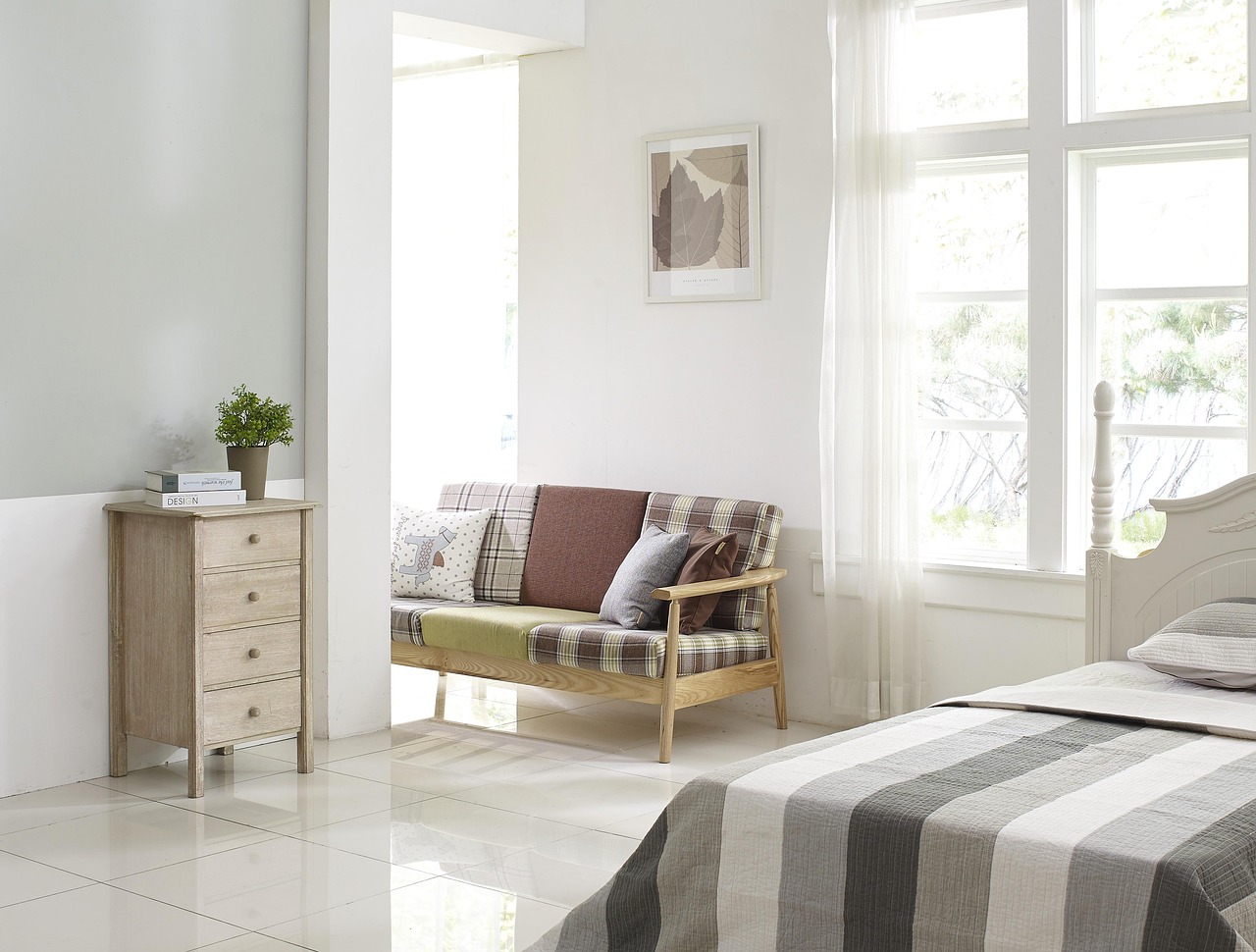
Modern minimalist interior design is characterized by a philosophy of functional simplicity and uncluttered environments. Key features include a neutral color palette of whites, beiges, and grays, clean geometric lines, and the maximization of natural light.
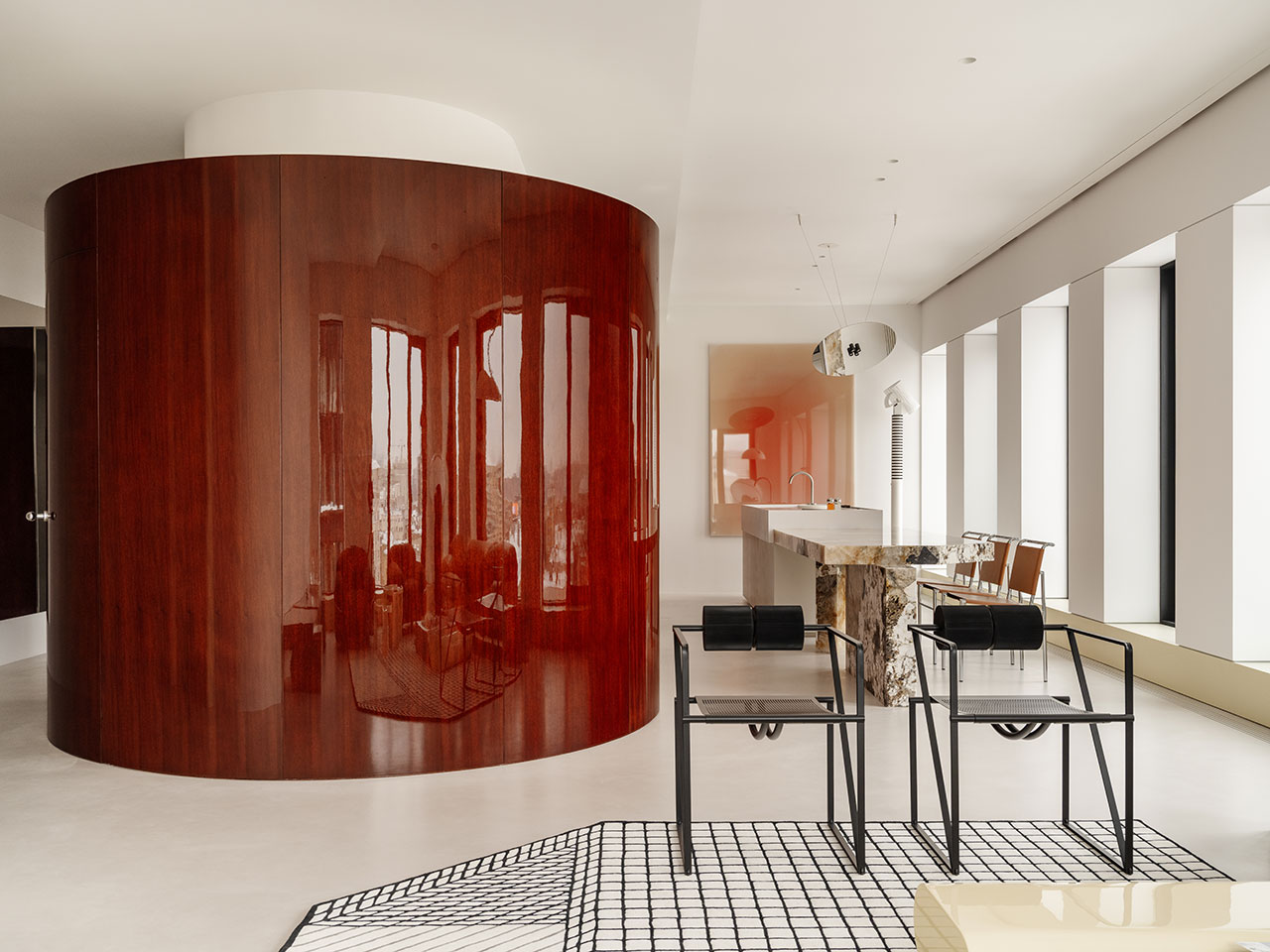
Modern minimalist interior design is more than a lack of clutter; it is a philosophy of functional simplicity. In 2026, the trend shifts toward warm minimalism, where storage is no longer hidden but celebrated as art. This guide explores Antwe Design's Object Within a Space concept, a masterclass in luxury modern minimalist interior design. By treating utility as a sculptural element, we can move away from traditional cabinetry and toward art-integrated interiors that breathe.
Redefining Minimalism: The 2026 Aesthetic
The evolution of modern minimalist interior design has reached a fascinating turning point. For years, the industry was dominated by cold minimalism—stark white walls, sharp edges, and a sterile atmosphere that often felt more like a gallery than a home. However, as we look toward 2026, the movement is gravitating toward a more tactile, human-centric approach.
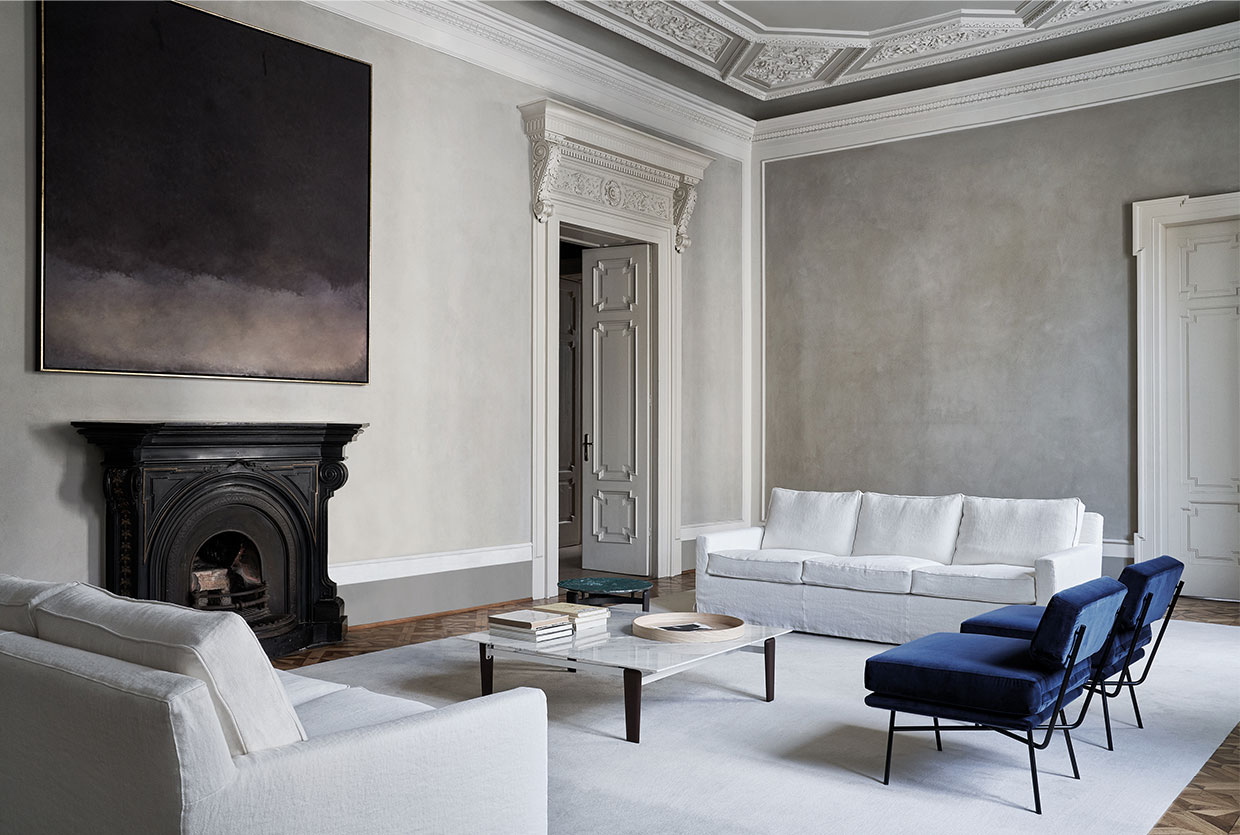
Minimalist interior design characteristics are shifting to include warmer palettes. We are seeing ivory replaced by parchment hues like #F5F5F0, and the introduction of soft sage greens and muted terracottas. This warm modern minimalist interior design focuses on the emotional quality of a space, ensuring it feels expansive yet inviting. Natural light amplification remains a cornerstone, but it is now paired with microcement flooring and organic textures to prevent the light from feeling too clinical.
This shift is partly a response to high-density living. As urban spaces become more compact, the necessity of minimalism becomes a survival tool for mental clarity. A home that manages light and shadow effectively while maintaining order becomes a sanctuary.
| Feature | Cold Minimalism (Legacy) | Warm Minimalism (2026) |
|---|---|---|
| Color Palette | Pure white, stark black, cold gray | Off-white (#F5F5F0), sand, warm beige |
| Primary Texture | Polished lacquer, glass, chrome | Merbau wood veneer, travertine, microcement |
| Storage Style | Hidden behind flat-panel drywall | Sculptural partitions and architectural volumes |
| Atmosphere | Clinical, sharp, museum-like | Organic, soft, inviting luxury |
Case Study: Antwe Design’s Object Within a Space
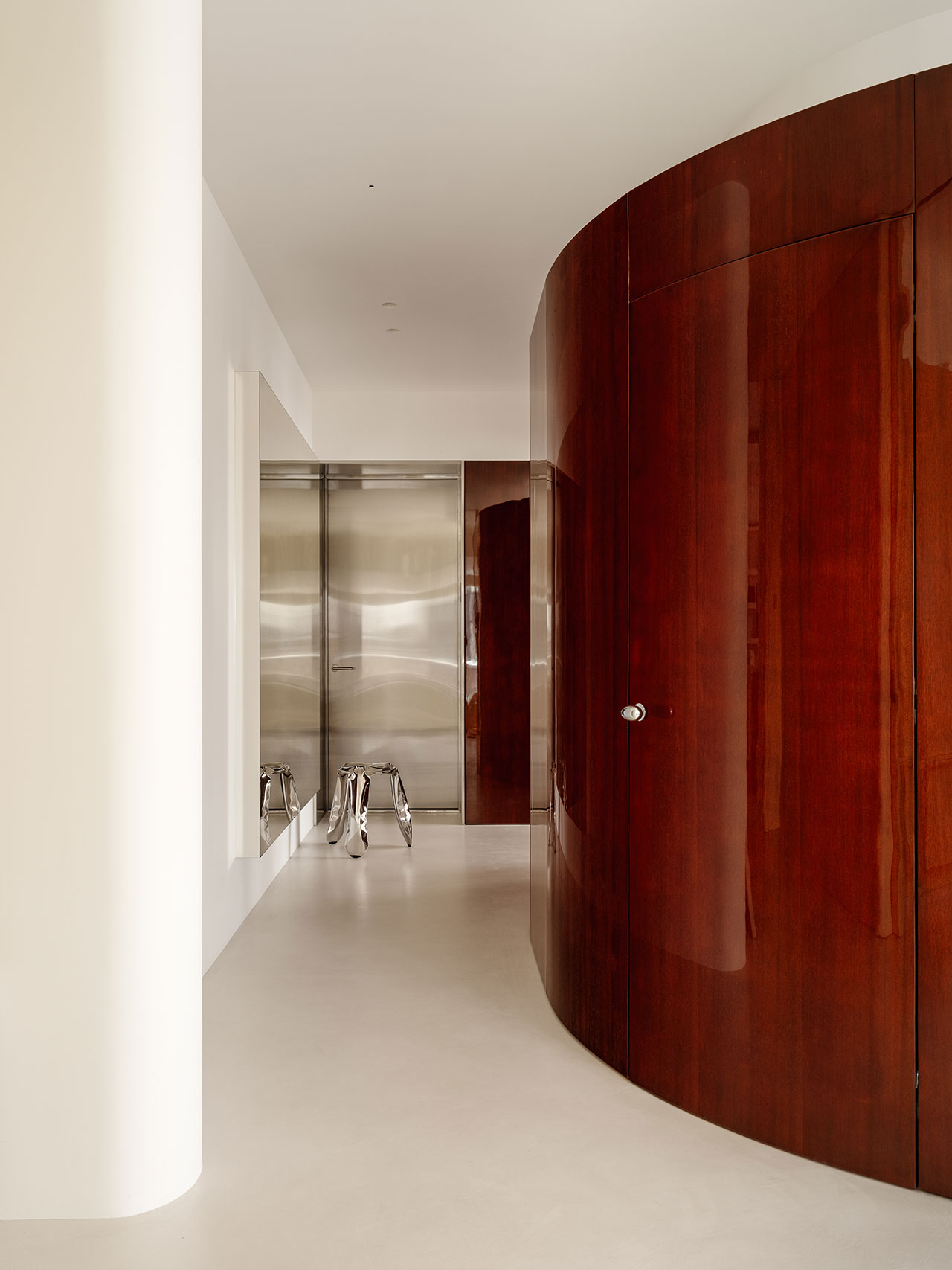
In the historic heart of St. Petersburg, Antwe Design has redefined how we perceive utility in their Sadovye apartment project. The central challenge of this 130-square-meter residence was to provide ample storage without traditional, heavy cabinetry that disrupts the visual field. Their solution was the Object Within a Space concept.
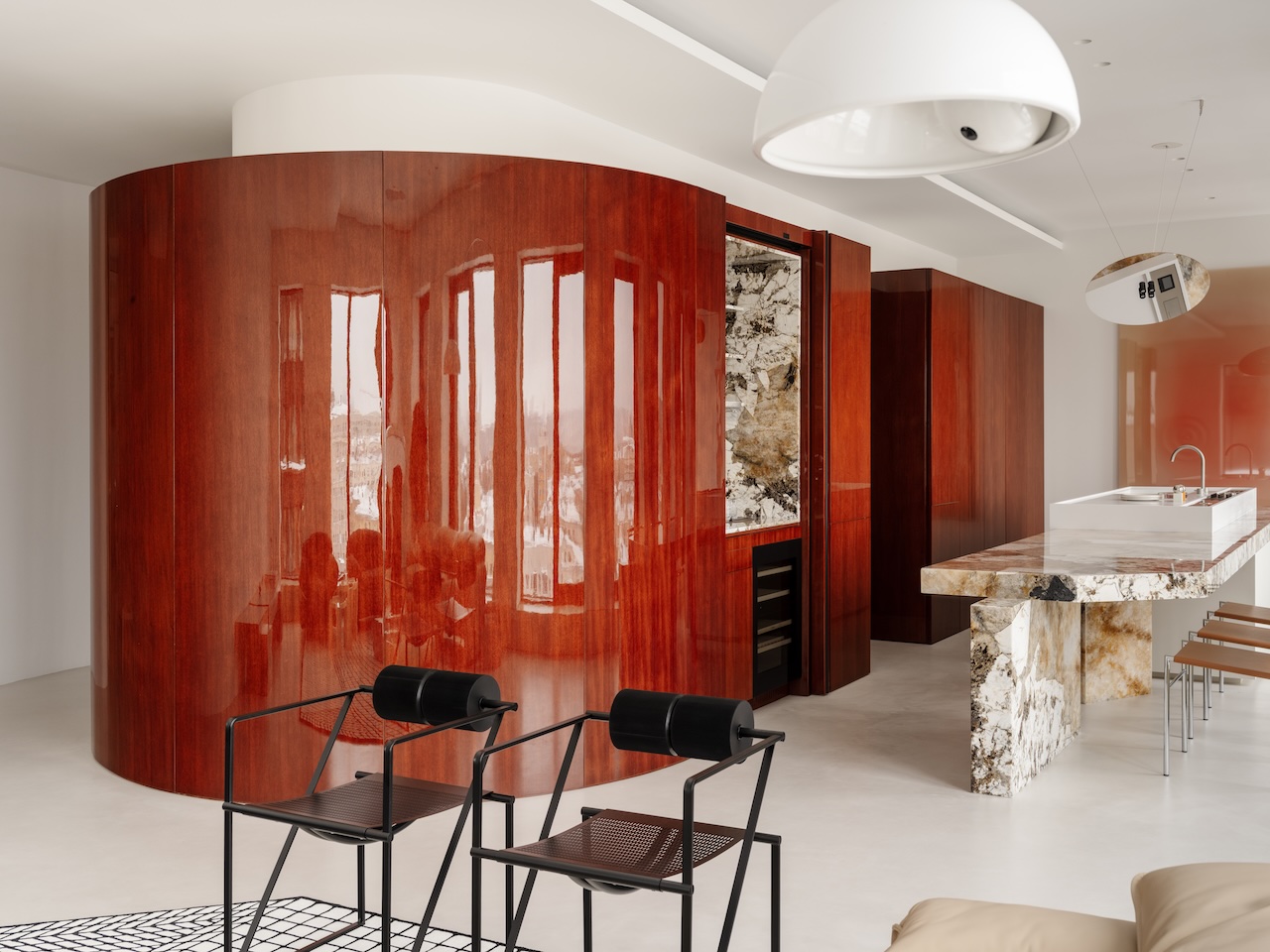
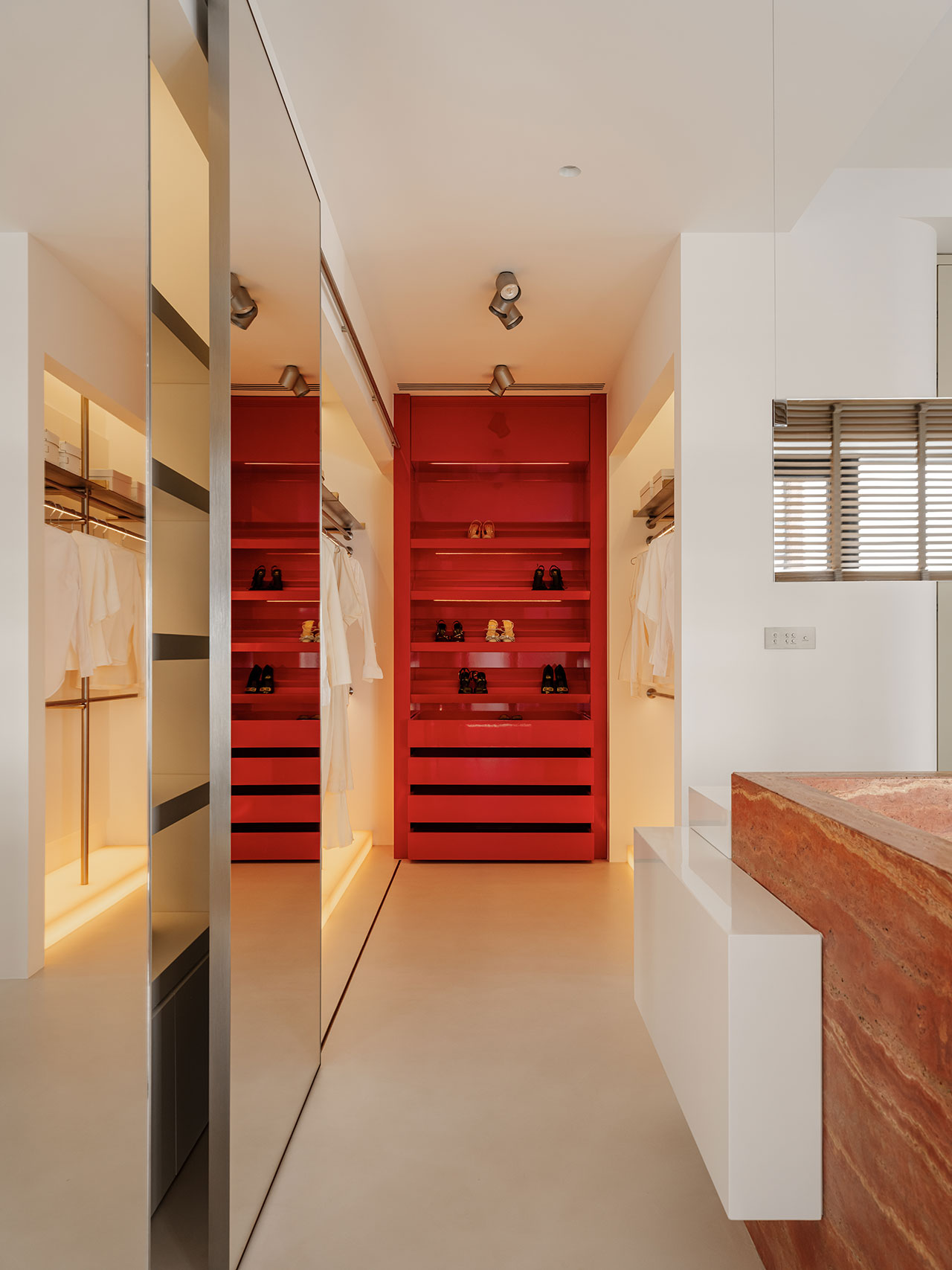
The designers created a freestanding central storage structure finished in high-gloss red Merbau veneer. This oval volume acts as an architectural anchor, standing shorter than the ceiling to allow light and airflow to pass over it. This maintains a circular spatial flow, where the modern minimalist interior design living room flows effortlessly into the modern minimalist interior design kitchen without the need for rigid walls.
This approach offers sophisticated modern minimalist apartment zoning ideas. Instead of dividing a home into boxes, the central volume houses everything from the wardrobe to kitchen appliances and technical systems. By detaching the storage from the perimeter walls, the room appears larger, and the storage itself becomes a piece of sculpture.
Materials and Light: The Architecture of Texture
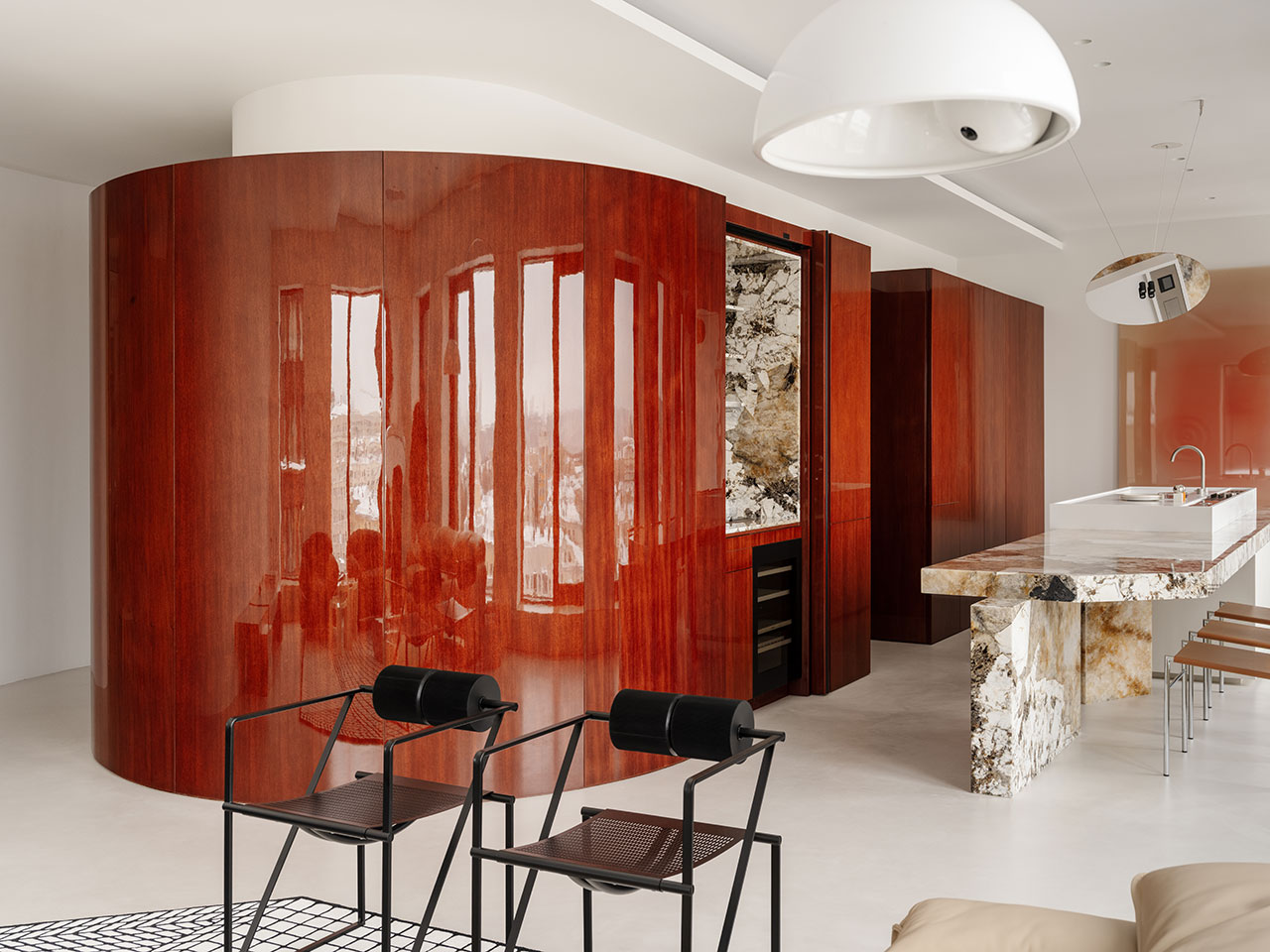
The success of a luxury modern minimalist interior design relies heavily on the quality of materials and their interaction with light. In the Antwe project, the juxtaposition of soft and hard materials creates a rhythmic balance.
- Microcement Flooring: Providing a seamless, industrial foundation, microcement typically costs between $3 and $18 per square foot. It offers a continuous surface that eliminates grout lines, reinforcing the minimalist aesthetic.
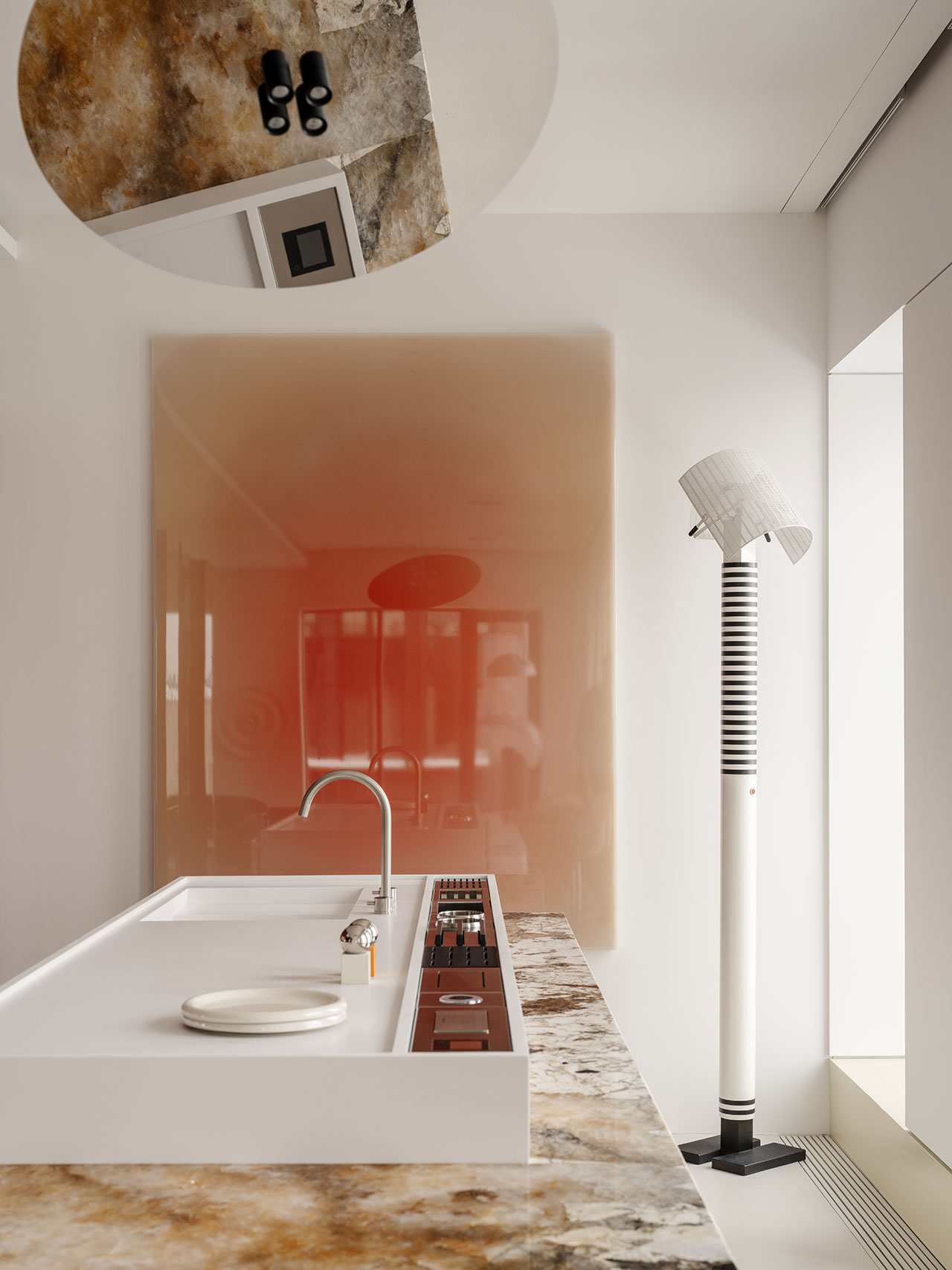
- Patagonia Quartzite: Used for kitchen islands or accent surfaces, this stone introduces a sense of natural drama. Its translucent properties allow it to interact with recessed lighting, adding depth to the modern minimalist kitchen interior design.
- Satin Stainless Steel: Often used in kitchen backsplashes or hardware, it provides a clean, reflective contrast to the warmth of the Merbau wood.
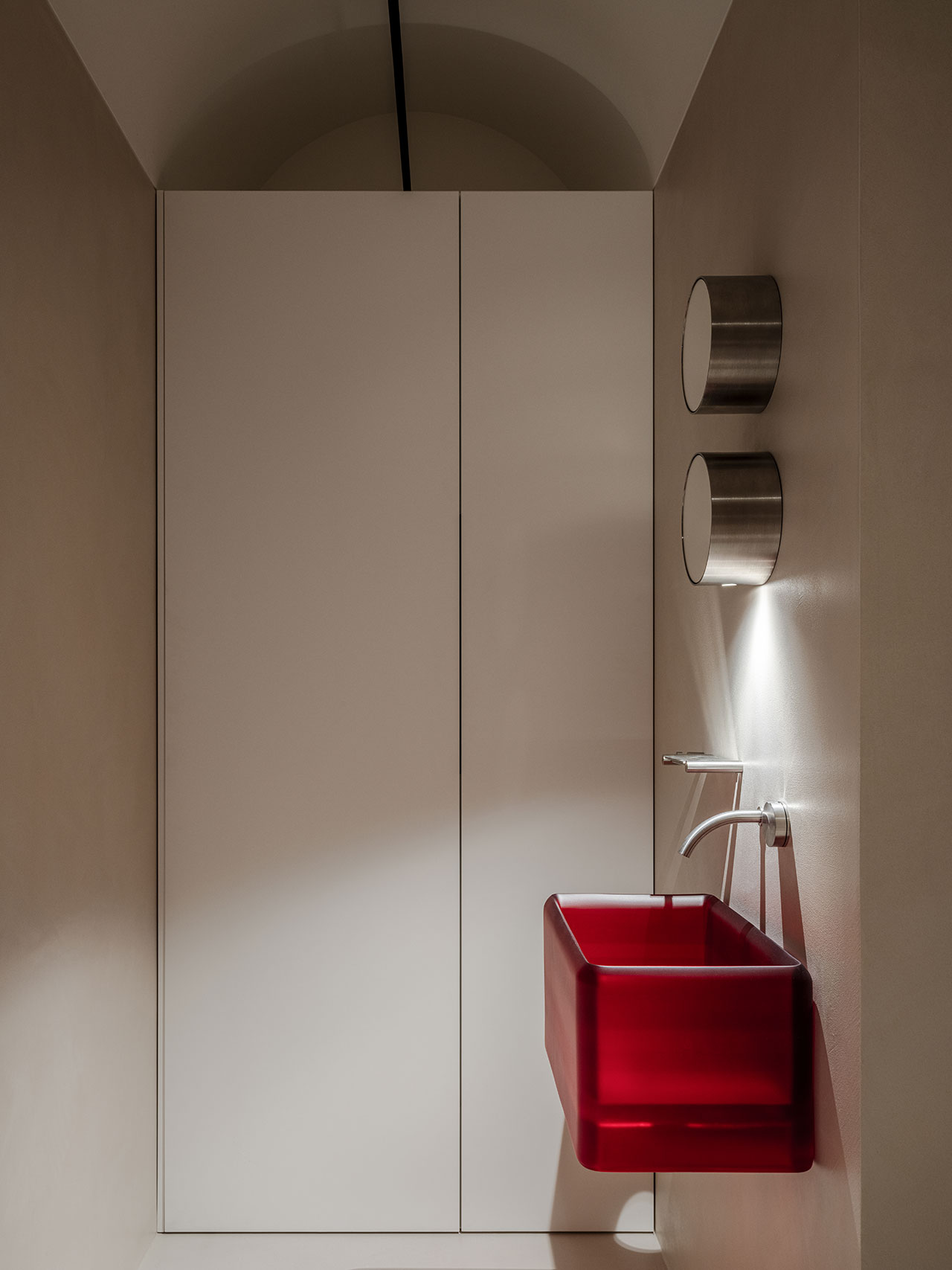
- Translucent Epoxy Resin: Strategic uses of resin, such as door handles or bathroom fixtures in deep red tones, act as sophisticated color accents without cluttering the visual landscape.
When natural light hits the high-gloss Merbau veneer, the storage volume appears to glow, further emphasizing its role as an art piece. This spatial sequencing ensures that as you move through the apartment, the perspective changes, revealing different facets of the architectural volume.
Practical Application: The 12-Week Transformation Checklist
Achieving this level of integrated design requires careful planning. Whether you are working on a modern minimalist bedroom and walk-in closet layout or a full home renovation, following a structured timeline is essential.
Phase 1: Planning and Zoning (Weeks 1-4)
- Identify the central core of your home for a potential architectural volume.
- Sketch a circular home flow that avoids dead-end corridors.
- Consult with a designer about modern minimalist integrated storage solutions that can double as room dividers.
Phase 2: Material and Custom Joinery (Weeks 5-8)
- Select a hero material, such as Wood veneer or natural stone.
- Plan custom joinery that conceals all utility systems, including HVAC and wiring.
- Order microcement for a seamless floor finish to maximize the perceived scale of the modern minimalist interior design for small house applications.
Phase 3: Lighting and Final Touches (Weeks 9-12)
- Install warm recessed lighting to highlight the textures of your sculptural partitions.
- Integrate appliances within the cabinetry so they remain invisible when not in use.
- Ensure all wall-mounted furniture is installed to keep the floor plane clear, a hallmark of minimalist interior design characteristics.
FAQ
What is modern minimalist interior design?
Modern minimalist interior design is a style focused on functional simplicity, clean geometric lines, and a restrained color palette. It prioritizes the "less is more" philosophy, using high-quality materials and integrated storage to create an uncluttered, peaceful environment that emphasizes architectural form over decorative excess.
Is minimalism still popular in 2026?
Yes, minimalism remains highly popular in 2026, though it has evolved into warm minimalism. This modern iteration moves away from the sterile, cold environments of the past toward spaces that incorporate organic textures, earthy tones, and sculptural elements, making minimal living feel more luxurious and comfortable.
What colors are typical in minimalist style?
Typical colors include a foundation of neutral tones like white, beige, and gray. In recent years, this has expanded to include off-whites (#F5F5F0), soft taupes, and muted natural shades like sage or terracotta. These colors are chosen to maximize light and create a cohesive, serene atmosphere.
What color is replacing gray in 2026?
Warm earthy tones and "greige" (a mix of gray and beige) are replacing the cool, blue-toned grays of the previous decade. Specifically, parchment whites and sandy beiges are becoming the go-to neutrals, providing a softer and more inviting backdrop for modern homes.
What makes a home look outdated?
A home often looks outdated when it features excessive ornamentation, cluttered surfaces, or heavy, dark traditional cabinetry that blocks the flow of light. Busy patterns, mismatched floor transitions, and a lack of integrated storage also contribute to a dated appearance compared to the streamlined, architectural approach of modern design.