Quick Facts
- Corner Depth Limit: Stay under 36 inches to maintain floor traffic.
- Wall Art Ratio: Scale pieces to 50-75% of the horizontal segment.
- Surface Decor Height: Keep under 12 inches for stability on drawer tops.
- Leading Trend: Warm Minimalism using rattan and acacia wood.
- Market Insight: The global small space furniture market was valued at $52.4 billion in 2025, highlighting a massive shift toward compact living.
- Top Category: Storage units emerged as the leading product segment in 2025 with a 28.3% industry share.
For corner spaces, opt for angled or wall-mounted small space furniture like L-shaped shelves and slim desks that keep depth under 36 inches. This maintains clear foot traffic while utilizing alcoves effectively. Verticality is key; choosing pieces with tapered legs or floating designs prevents the corner from feeling cramped or visually heavy in small room layouts.
Navigating a cramped floorplan requires more than just buying small; it requires clever furniture for small spaces that balances function and form. As urban apartments shrink, selecting the right small space furniture determines whether a room feels cozy or cluttered. In a consumer survey of residents living in homes smaller than 1,000 square feet, 86% of participants reported that standard furniture is often too large for their space, while 90% expressed a desire for more furniture options designed specifically for small environments. As a design editor, I have found that the secret to a successful makeover is not just about the footprint of the item, but how it interacts with the corners, walls, and surfaces of your home.

The Corner Strategy: Reclaiming Underused Alcoves
Corners are frequently the most neglected real estate in an urban home, yet they offer the highest potential for maximizing small space furniture storage. When choosing best corner furniture for small spaces, the goal is to bridge the gap between two walls without protruding into the middle of the room. A common mistake is using a square table in a corner, which creates a "dead zone" behind it. Instead, look for L-shaped units and nesting side tables that follow the architecture of the building.
To ensure your layout remains functional, follow the 36-inch depth threshold. Anything deeper than this usually begins to obstruct the natural flow of movement, especially in a studio or compact apartment. When you are figuring out how to arrange living room furniture in a small space, try shifting your heavier pieces away from the center and into these alcoves. Choosing pieces with tapered furniture legs is a classic design trick; by exposing more of the floor beneath the furniture, you trick the eye into perceiving the room as more spacious than it actually is.
Another excellent tactic for these underused alcoves is the use of verticality. Tall, slim bookcases or wall-mounted workstations can turn an empty corner into a productive home office. If you choose floating designs, you eliminate the visual clutter of legs entirely, allowing the floor to "breathe." This is a cornerstone of clever furniture for small spaces that serves a purpose without overwhelming the atmosphere.

Walls That Work: Styling Blank Surfaces Without the Bulk
Walls should be treated as functional canvases rather than just borders. When styling furniture for blank walls in small rooms, the primary concern is visual weight management. Heavy, bulky bookshelves can make a room feel like it is closing in on you. To counter this, lean into the use of acrylic and glass materials. Transparent surfaces provide the utility of a shelf or desk while appearing almost invisible, keeping the line of sight clear.
For narrow corridors or behind sofas, slim-profile consoles are your best friend. These pieces are typically less than 12 inches deep and provide a perfect surface for keys, mail, or a few curated decor items. When hanging art above these pieces, remember the 50-75% rule: choose a single large-format piece or a pair that spans **50% to 75% of the wall's width. This anchors the space and makes the wall look intentional. Small, scattered gallery walls often create visual chaos in tight quarters, making the room feel smaller.
Floating shelving is another way to reclaim wall space while maintaining a minimal footprint. By replacing a traditional floor-based cabinet with tiered floating shelves, you create small space furniture storage that looks like a custom architectural feature. This is particularly effective in kitchens or living areas where floor space is at a premium.
Narrow Surfaces & Multifunctionality: The 12-Inch Rule
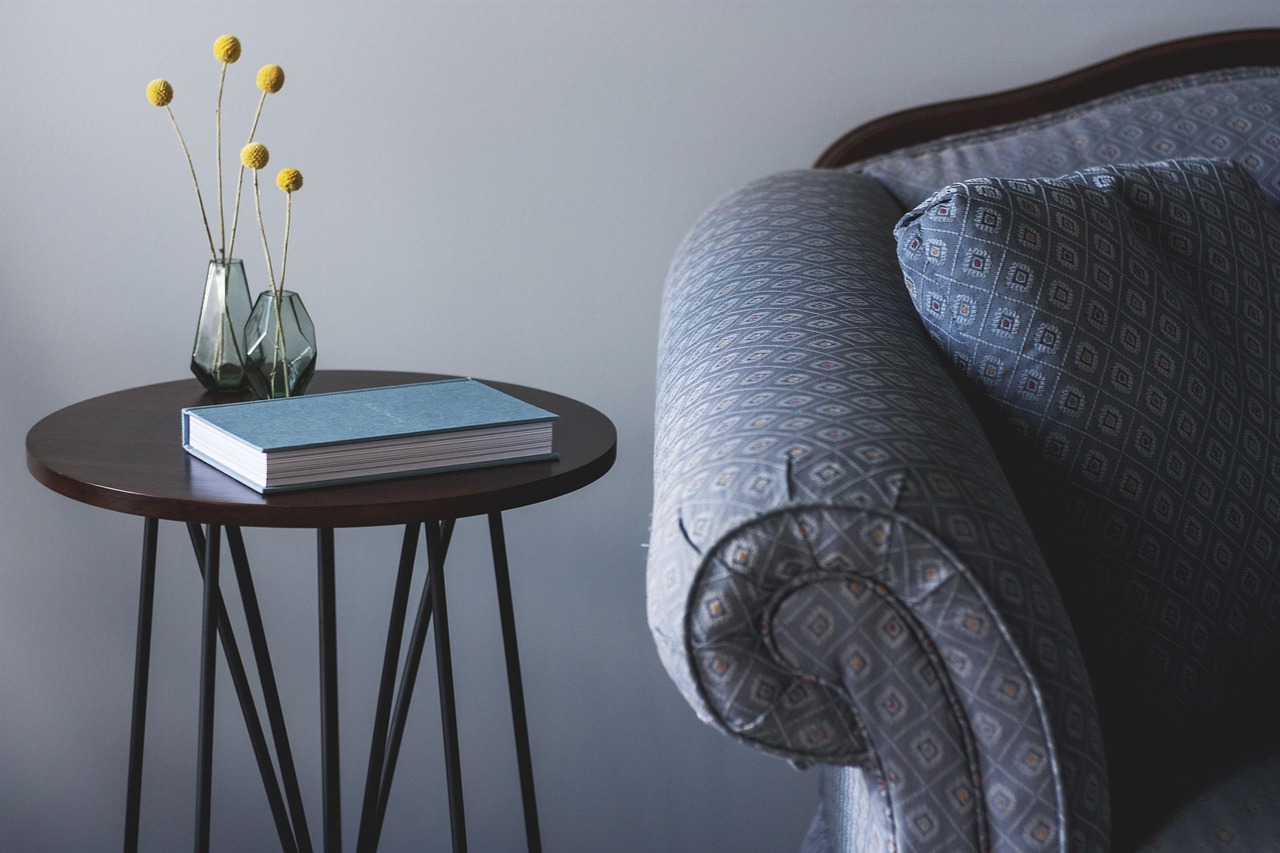
In a small apartment, every surface must earn its keep. Narrow surfaces like drawer tops or radiator covers present a unique styling challenge. To maintain stability and prevent a cluttered look, keep your surface layering items under 12 inches in height. This ensures that objects don't topple over in high-traffic areas and keeps the overall profile low and sleek.
Dual-function pieces are the ultimate small space multifunctional furniture. I always recommend storage benches at the foot of a bed or in an entryway. They provide a place to sit while hiding away shoes or seasonal linens. When shopping for small space furniture for narrow areas, the material you choose is just as important as the size. Authentic woods like Acacia and Sheesham offer durability and a premium feel that basic laminate cannot match.
Material Comparison: Choosing the Right Foundation
| Material | Durability | Aesthetic Appeal | Best Use Case |
|---|---|---|---|
| Acacia Wood | High | Warm tones, rich grain | small space furniture with storage for heavy use |
| Sheesham Wood | Very High | Bold, contrasting patterns | Statement furniture for small spaces living room |
| Acrylic/Glass | Moderate | Transparent, modern | Visual weight management in dark corners |
| MDF/Particle Board | Low | Uniform, painted | Budget-friendly modular storage systems |
Investing in pieces made from Acacia or Sheesham ensures your furniture for small spaces living room survives the frequent moves typical of urban life. These woods are dense and resistant to moisture, making them superior choices for small space furniture for narrow areas where pieces might be bumped or splashed frequently.

The Renter’s Guide to Small Space Installation
For many people, the biggest hurdle to using wall-mounted or floating small space furniture is the rental agreement. However, many current designs prioritize low-impact mounting. Look for systems that use small toggle bolts or even heavy-duty adhesive strips designed for modern households. If you must drill, keep a $10 DIY repair kit on hand—a small tub of spackle and some fine-grit sandpaper are all you need to return your walls to their original state.
Flexibility is the renter’s greatest asset. Mobile or rolling furniture, such as bar carts or kitchen islands on casters, allows you to reconfigure your layout at a moment's notice. This adaptability is key when you are learning how to arrange living room furniture in a small space, as it allows your home to evolve from a workspace during the day to an entertainment zone at night.
Using modular storage systems also allows you to take your investment with you. Rather than building custom closets, use freestanding units that fit together like a puzzle. This ensures that your clever furniture for small spaces can transition to your next apartment, providing long-term value.
FAQ
What is the best furniture for a small apartment?
The best furniture for a small apartment is anything that provides high utility with a small footprint, such as slim-profile consoles, nesting tables, and wall-mounted desks. Look for pieces that emphasize verticality and provide built-in storage to keep rooms organized and clutter-free.
How do I choose furniture for a very small space?
Focus on pieces with visual weight management in mind. Transparent materials like glass or acrylic and furniture with tapered furniture legs create a sense of openness. Always measure your space and stick to a depth of under 36 inches for main pieces to ensure you have enough room to walk comfortably.
What features should I look for in furniture for tiny spaces?
Prioritize small space multifunctional furniture. For example, a storage ottoman that serves as a coffee table, extra seating, and a linen chest is invaluable. You should also look for pieces that are easy to clean and made from durable materials like Acacia wood to withstand daily wear in tight quarters.
How can I make a small room feel bigger with furniture?
Keep the center of the room clear and use the walls and corners. Mirrors are a classic way to expand the perceived area of a room. Additionally, choosing furniture that sits off the floor—like floating shelving or sofas with legs—helps maintain a continuous line of sight across the floor, making the room feel much larger.
What are the most space-saving furniture items?
The most space-saving items are those that leverage height, such as tall bookcases and wall-mounted workstations. Nesting side tables and convertible dining tables that fold down when not in use are also highly effective for saving floor space without sacrificing functionality.