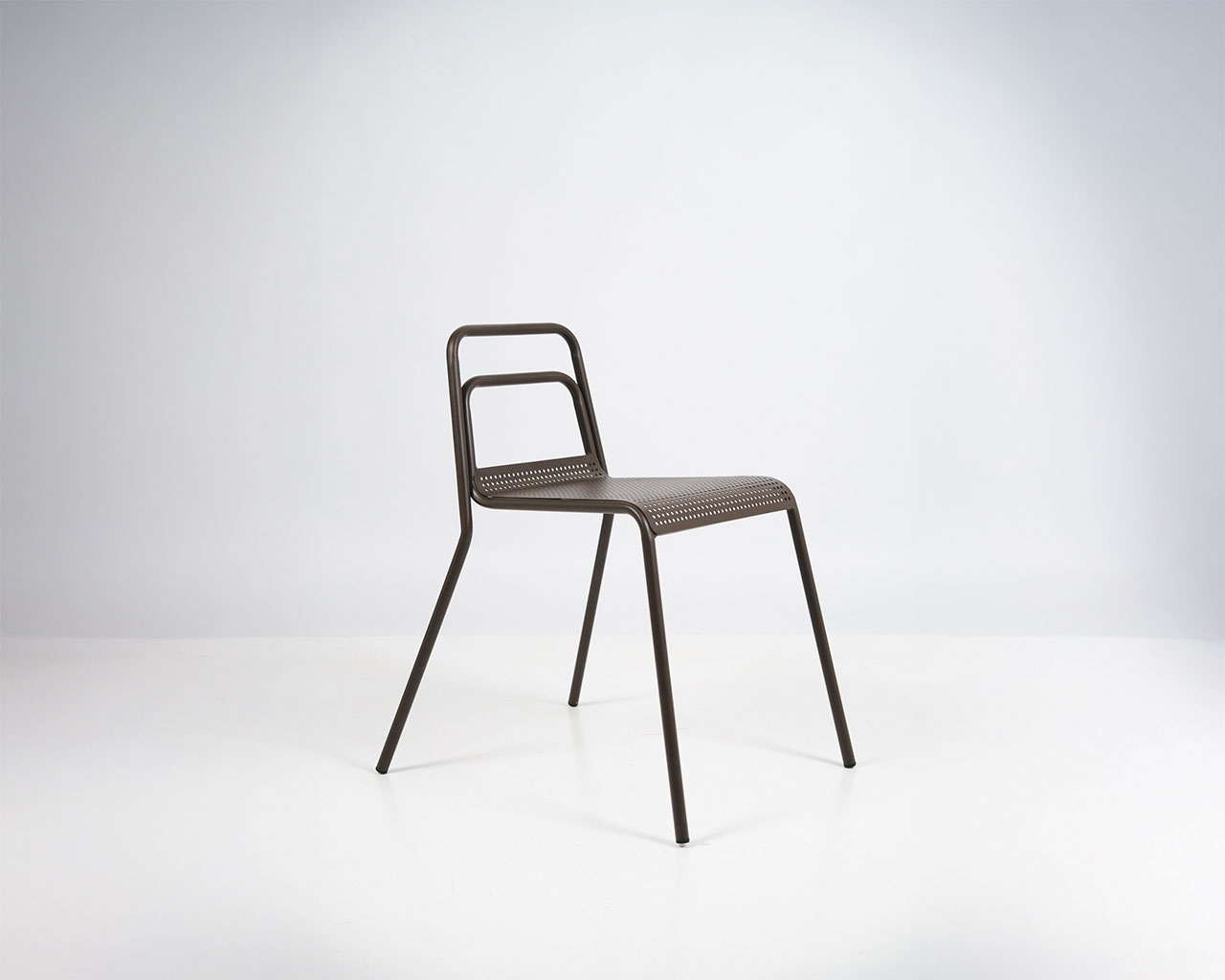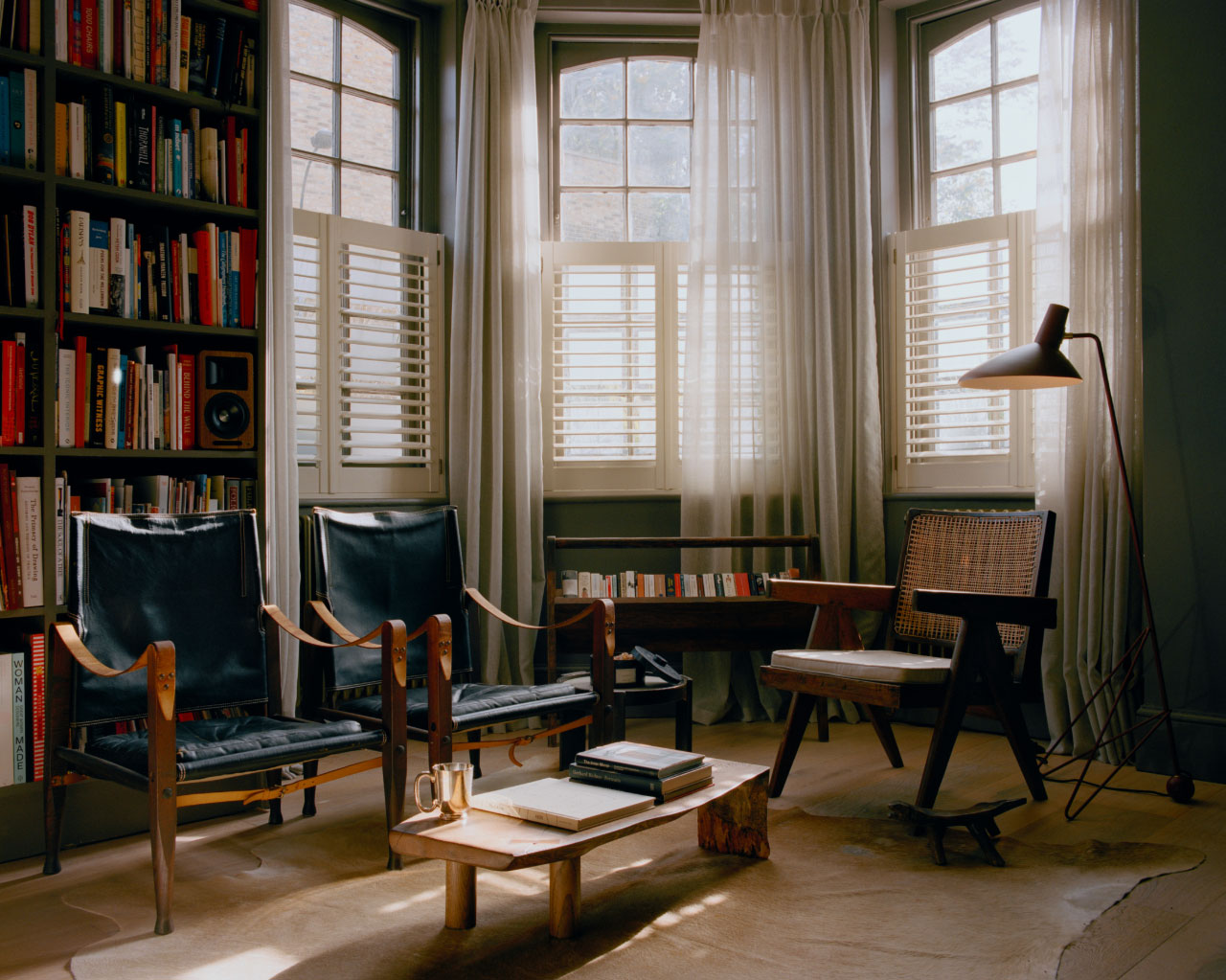
In the world of high-end interior design, a room is rarely just a collection of furniture; it is a stage set, a carefully choreographed "mise-en-scène" where every object plays a character. For Amber Pan, the visionary behind Studio ŪMA, the most compelling character in any room is often the light. Not the sterile, uniform brightness of modern recessed LEDs, but the dramatic, brooding presence of a specific historical artifact: the Amsterdam School lamp.
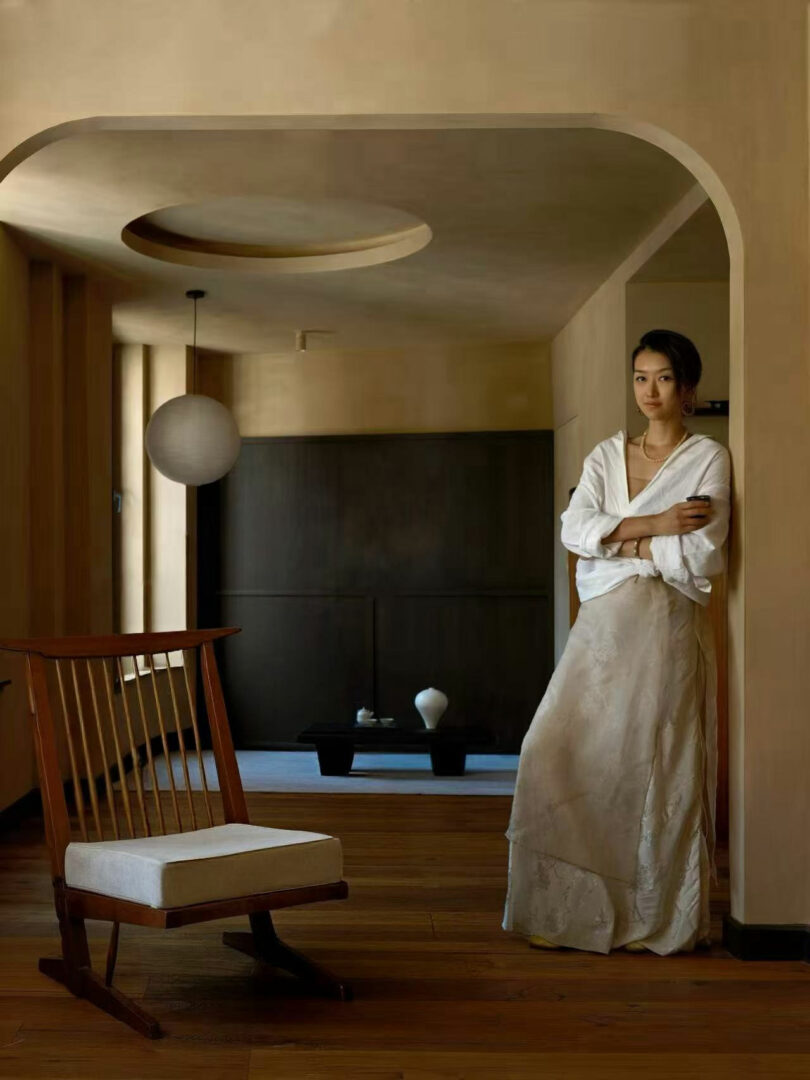
Amber Pan’s design philosophy is rooted in the concept of "imperfect beauty," a belief that spaces should feel lived-in, storied, and slightly mysterious. Having transitioned from a rigorous background in architecture to the more sensory world of interior styling, Pan views lighting as the ultimate storyteller. For her, the Amsterdam School lamp is not merely a fixture; it is a piece of "architectural gravity" that grounds a room in history while casting shadows that feel like poetry.
What is an Amsterdam School Lamp?
To understand the allure of these pieces, one must look back to the Dutch expressionist movement that flourished between 1910 and 1940. The Amsterdam School (Amsterdamse School) was a radical departure from the cold, industrial leanings of early modernism. While the Bauhaus was stripping away ornament, Dutch architects and designers like Michel de Klerk and Piet Kramer were leaning into it, creating buildings—and by extension, interiors—that were exuberant, sculptural, and deeply emotional.
An Amsterdam School lamp is a lighting fixture born from this movement. It is characterized by its weighty, almost tectonic form, decorative craftsmanship, and a warm, dramatic glow. Unlike the streamlined Art Deco pieces of Paris, these lamps feel "built" rather than manufactured. They often mirror the brickwork and masonry of the buildings they were designed for, featuring:
- Expressionistic Curves: Bold, unconventional shapes that prioritize emotional impact over pure functional simplicity.
- Architectural Roots: Forms that mimic the parabola arches and jagged skylines of Amsterdam’s iconic social housing projects, like 'Het Schip.'
- Handcrafted Integrity: A focus on traditional workmanship, using lead glass, wrought iron, and dark woods.
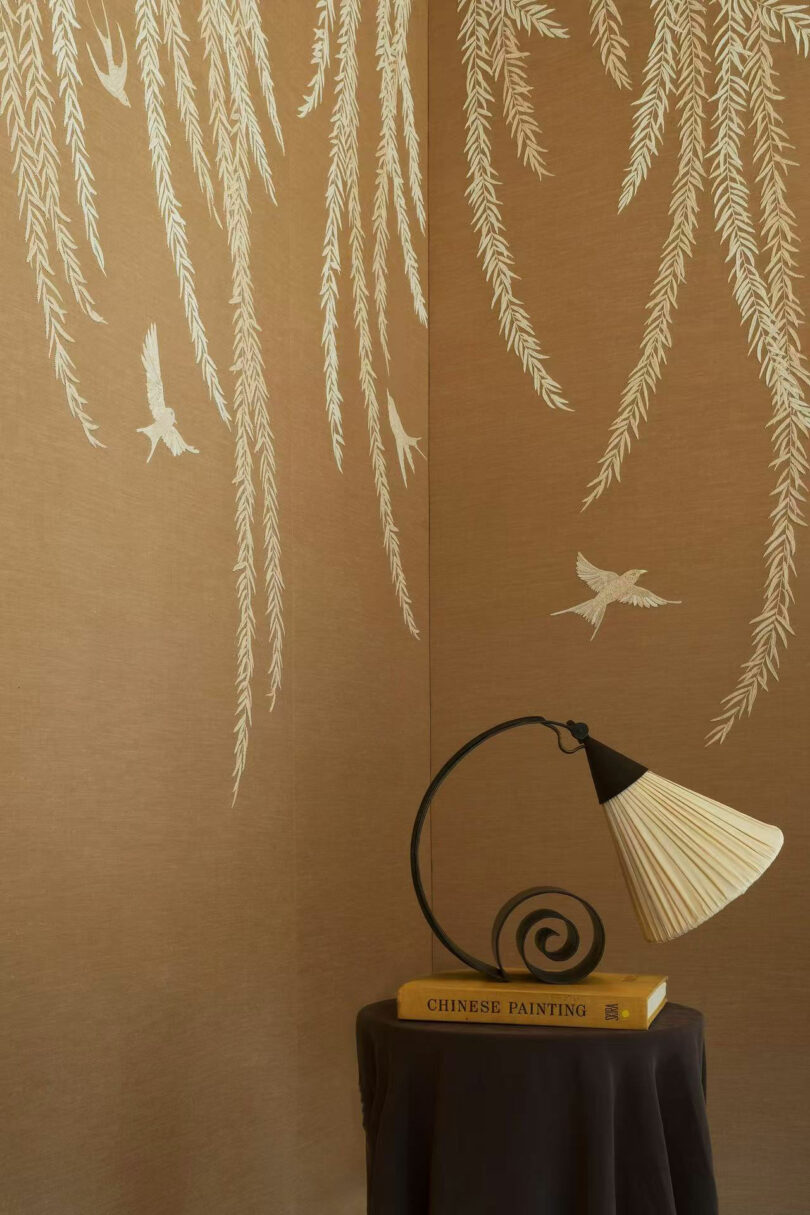
Why it’s Amber Pan’s Favorite: The Power of Architectural Gravity
For Amber Pan, the choice of an Amsterdam School lamp is an intentional act of rebellion against the "lightness" of contemporary minimalism. She often speaks of "architectural gravity"—the way a heavy, meaningful object can anchor a room and prevent it from feeling transient or shallow.
"There is an old-world romance in these lamps," Pan explains. "They don’t just illuminate a corner; they demand you acknowledge the history of the space." This perspective is deeply influenced by Jun'ichirō Tanizaki’s In Praise of Shadows, a text Pan frequently references in her work.
"We find beauty not in the thing itself but in the patterns of shadows, the light and the darkness, that one thing against another creates... An Amsterdam School lamp doesn't fight the darkness; it collaborates with it." — Amber Pan
The intersection of Pan’s architectural background and her interior styling is most evident here. She treats the lamp as a micro-structure. Its "weighty form" provides a necessary contrast to the softer textures of a velvet sofa or a linen curtain. It creates a sense of permanence, a feeling that the room has existed for decades, even if it was styled last week.
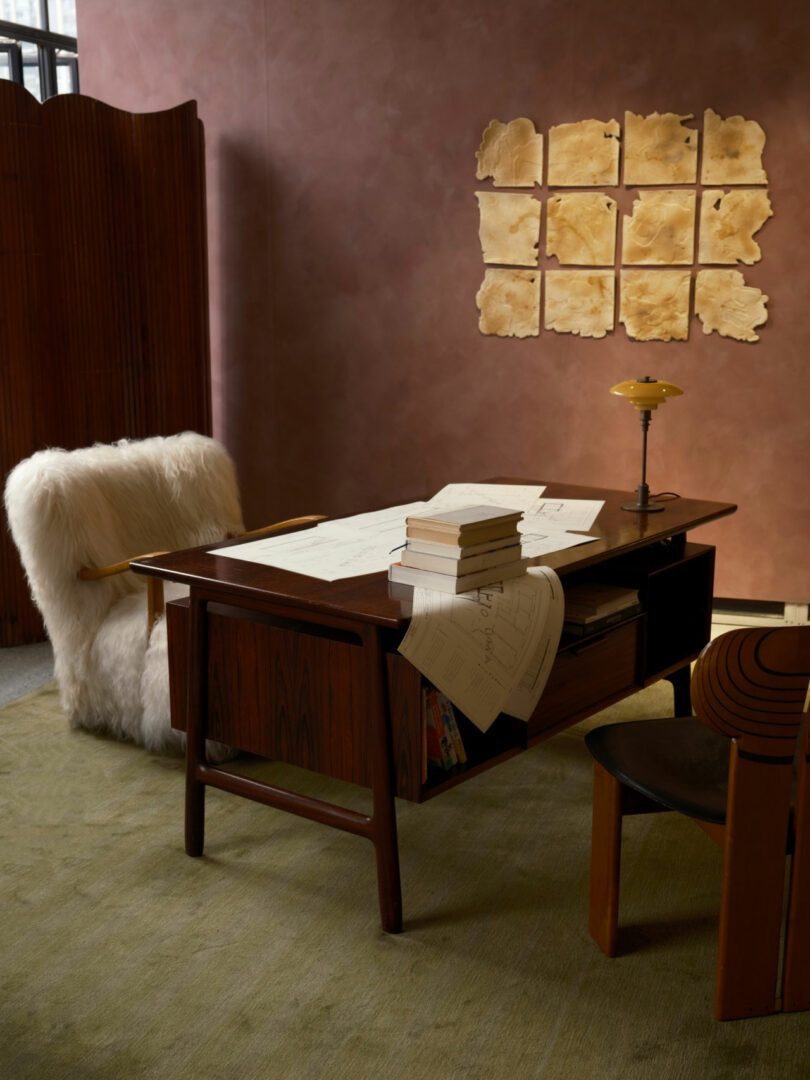
Defining the Style: Characteristics of the Icon
What makes an Amsterdam School piece stand out in a sea of vintage lighting? It is the tension between its rugged materials and its whimsical, expressionistic shapes. While Art Deco is often associated with the machine age—think chrome, glass, and symmetry—the Amsterdam School style is more organic and "hand-hewn."
| Feature | Amsterdam School Style | Modern Minimalism |
|---|---|---|
| Materiality | Oxidized metals, lead glass, dark oak | Brushed steel, plastic, clear glass |
| Form | Parabola curves, jagged edges, sculptural | Straight lines, geometric, thin profiles |
| Light Quality | Warm, amber-toned, focused shadows | Cool, diffused, shadow-less |
| Inspiration | Masonry, folk art, expressionist architecture | Industrial efficiency, digital precision |
Recent market trends indicate that Pan is not alone in her obsession. There has been a 35% growth in interest for 'Expressionist' Art Deco lighting over the last three years. Designers are increasingly moving away from pure minimalism toward narrative-driven, "weighty" decor pieces that offer more than just a function. These lamps provide a tactile connection to the past, featuring materials that age beautifully, such as oxidized copper and bronze, which develop a unique "patina of time."
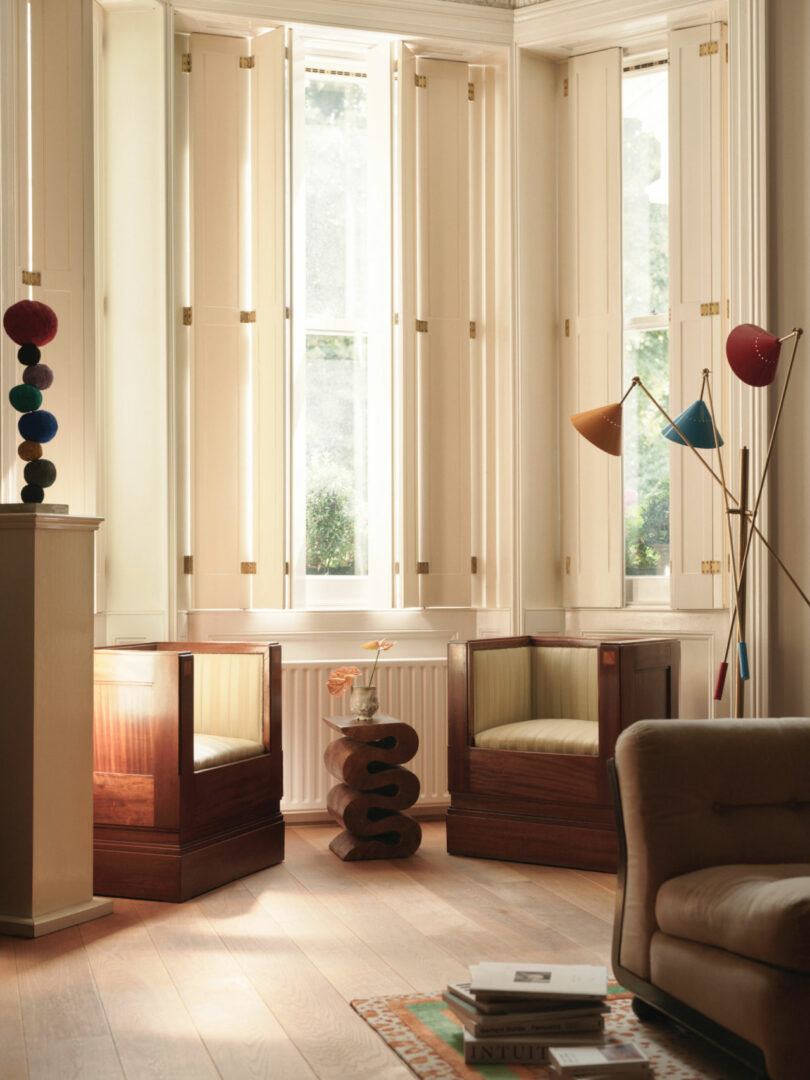
Bringing History Home: Styling Like Studio ŪMA
If you want to incorporate the Amsterdam School aesthetic into a modern living space, the key is balance. Studio ŪMA’s portfolio reveals a specific formula for success: approximately 70% of their designs incorporate the 'patina of time' through the use of oxidized metals and vintage architectural lighting, but these are always offset by contemporary elements.
To style like Amber Pan, consider these principles:
- Embrace the Dark Corners: Don't try to light the whole room evenly. Use an Amsterdam School floor lamp to create a pool of light in a reading nook, allowing the rest of the room to fall into soft, "velvety shadows."
- Mix Textures, Not Just Eras: Pair the jagged, lead-glass edges of an expressionist lamp with the smooth, matte surface of a modern sculptural side table. The contrast highlights the craftsmanship of the vintage piece.
- The Statement of Lead Glass: If the lamp features colored or lead glass, keep the surrounding palette neutral. Let the amber, deep red, or emerald tones of the glass be the primary "jewelry" of the room.
- Intentional Restraint: One iconic piece is often enough. In a modern apartment, a single Amsterdam School pendant over a dining table creates a narrative without overwhelming the space with "clutter."
This move toward "narrative-driven" decor is a response to the homogenization of interiors seen on social media. By choosing an Amsterdam School lamp, homeowners are opting for a piece with a soul—a fixture that was designed not by a computer, but by a movement that believed architecture should be an emotional experience.

Conclusion: The Silent Power of Details
The Amsterdam School lamp is more than a relic of 1920s Dutch design; it is a tool for transformation. For Amber Pan, these pieces represent the pinnacle of what interior design should achieve: the ability to turn a house into a "living environment" that breathes with history and emotion.
By choosing lighting that values form, weight, and the play of shadows, we move closer to a design philosophy that celebrates the "patina of time." Whether it is a genuine vintage find from a Dutch auction or a high-quality contemporary reproduction, the Amsterdam School lamp remains a timeless icon for those who seek to ground their modern lives in the beauty of the past.
FAQ
What defines the Amsterdam School style in interior design? The Amsterdam School style is defined by expressionistic curves, bold colors, and unconventional shapes. It prioritizes emotional impact and traditional workmanship—such as intricate brickwork in architecture or lead glass in lighting—over pure functional simplicity. It is often described as a more "organic" and "sculptural" cousin to Art Deco.
Why does designer Amber Pan love Amsterdam School lamps? Amber Pan favors the Amsterdam School lamp for its "architectural gravity." She believes these pieces ground a room with a sense of storytelling and old-world romance. Her background in architecture leads her to appreciate the "weighty form" and the way these lamps create dramatic shadows, aligning with her "mise-en-scène" approach to interior design.
How does Expressionist lighting differ from Art Deco? While Art Deco lighting is often symmetrical, streamlined, and inspired by industrial progress (think chrome and sharp geometry), Expressionist lighting (Amsterdam School) is more irregular, sculptural, and handcrafted. Amsterdam School lamps often use "earthier" materials like dark wood, lead glass, and wrought iron, reflecting a more emotional and architectural origin.