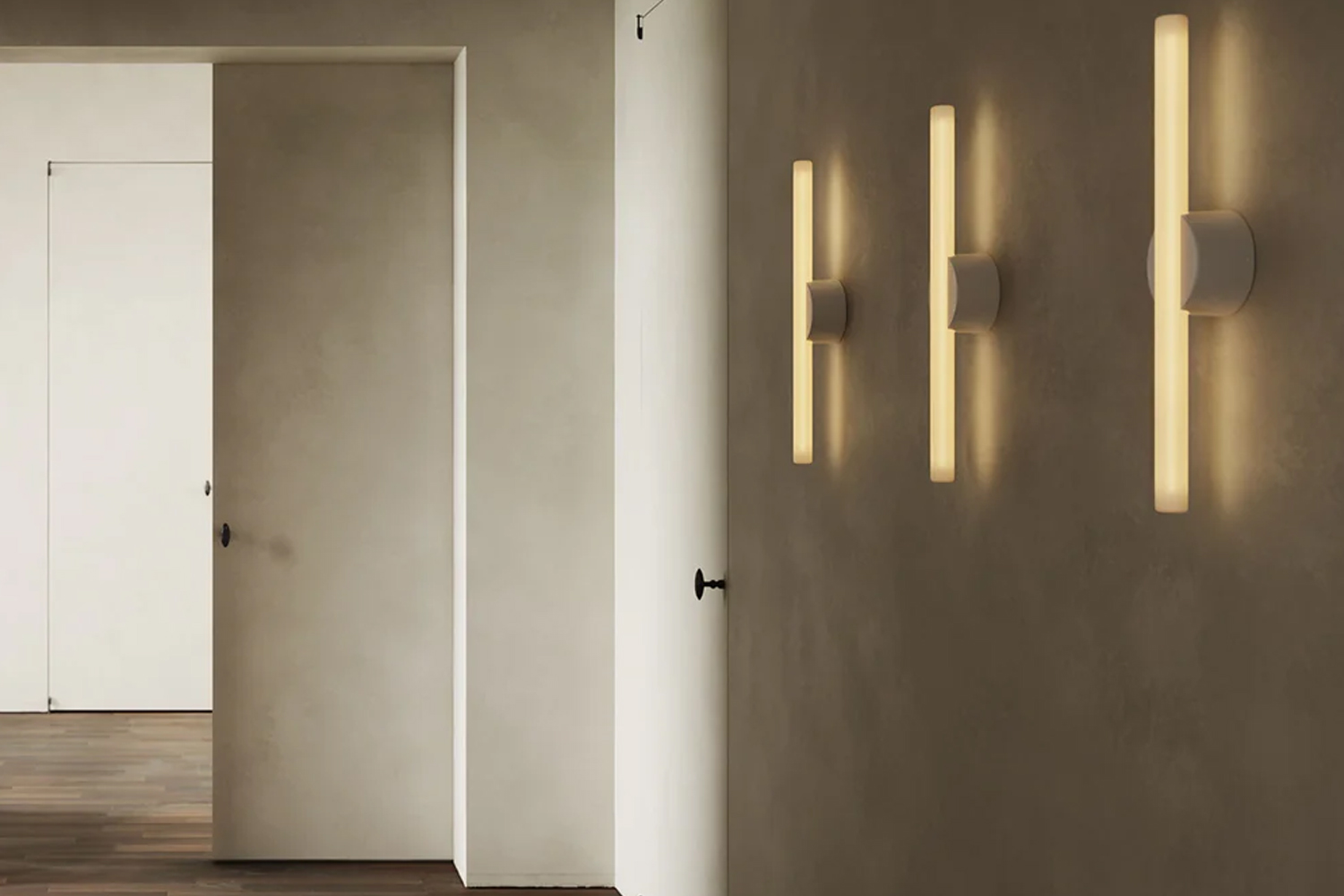
Think of the most beautifully designed room you’ve ever stepped into. Chances are, it wasn’t the furniture that initially caught your eye, but the way the light felt. In the world of high-end interior styling, we often refer to lighting as the "jewelry" of a room. It is the final, shimmering punctuation mark that defines a space's character. Currently, the most significant shift in modern interiors is the move away from traditional, bulky fixtures toward "lines of light." Linear wall sconces have emerged as the ultimate tool for designers looking to emphasize architectural lines while providing a sophisticated, diffused glow.
Whether you are looking to flank a bathroom mirror or add a rhythmic pulse to a long hallway, the right linear sconce can transform a flat wall into a sculptural statement. For those looking for the quick answer: the Tala Kilter remains our top versatile pick for its purity of form, the Marset Ambrosia offers unparalleled architectural drama, and the West Elm Light Rods prove that sleek, modern design can be accessible on a budget.
2026 Design Trends: What’s Shaping Modern Wall Lighting?
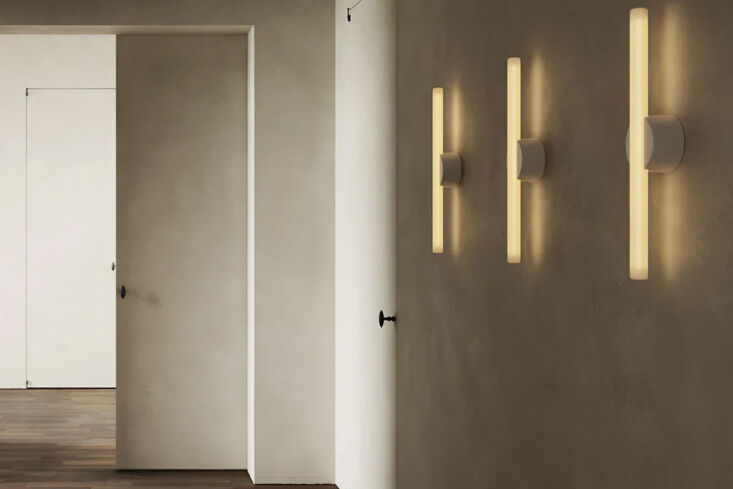
As we look toward the 2025-2026 design cycle, the "minimalist rod" is evolving. While the simple tube remains a staple, we are seeing a revival of Mid-Century Modern (MCM) sculptural forms. Think brass finishes paired with hand-blown glass that features subtle ombre effects. There is also a distinct move toward architectural curves—moving beyond the straight line into scalloped edges and soft, radiused corners that mimic the organic flow of modern furniture.
The most significant technological shift is the near-total dominance of integrated LEDs. Recent market analysis suggests that 70% of new linear lighting collections for 2026 now prioritize integrated LED technology over traditional bulb sockets. This isn't just about energy efficiency; integrated LEDs allow designers to create impossibly thin profiles—fixtures that are mere centimeters wide—which would be impossible with a standard screw-in bulb. Furthermore, smart connectivity is becoming the standard, with high-end fixtures offering "tunable white" technology, allowing you to shift from a crisp 4000K task light during the day to a warm, candle-like 2200K glow in the evening.
The 10 Best Linear Wall Sconces for 2025-2026
Choosing the right fixture involves balancing aesthetic intent with technical performance. Below is my curated list of the ten best linear sconces available today, spanning entry-level designer pieces to artisanal investments.
1. Tala Kilter
The Tala Kilter is a masterclass in "less is more." Designed to be modular and versatile, it features a singular glass tube held by two minimalist circular clips. It is my go-to recommendation for bathrooms and kitchens because of its high Color Rendering Index (CRI), ensuring that the colors in your space look true to life. It’s available in multiple lengths and finishes, including a stunning Sage Green and a classic Brass.
2. Marset Ambrosia
Designed by Ciszak Dalmas for the Spanish powerhouse Marset, the Ambrosia started as a custom commission for a luxury boutique in Madrid. It is a modular system that can be extended or joined to create continuous lines of light. Its aesthetic is "industrial yet refined," using slender aluminum tubes to create a floating effect.
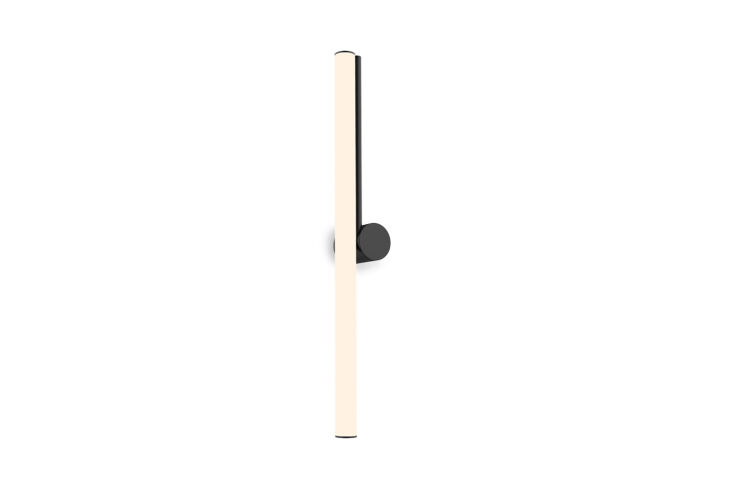
3. West Elm Light Rods
For those looking to achieve a high-end look without the four-figure price tag, the West Elm Light Rods are a revelation. Starting at just $149, these fixtures offer a clean, polished look in brass or nickel finishes. They are particularly effective when used in pairs to flank a bedroom headboard, providing a soft, upward and downward glow that eliminates the need for bulky bedside lamps.
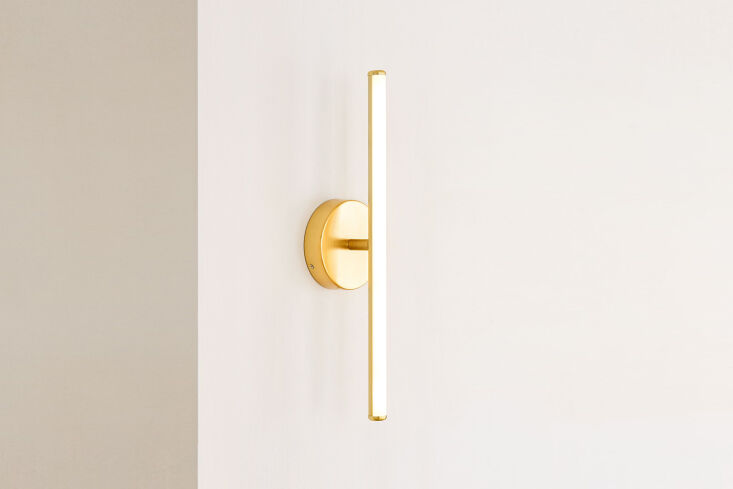
4. Michael Anastassiades Tube
If your budget allows for a "forever" piece, Michael Anastassiades is the name you need to know. His Tube collection is the pinnacle of artisanal lighting. These fixtures are often priced at $3,500 or more, but they are essentially functional art. The precision of the joinery and the quality of the satin-finish brass are unmatched, making them the perfect choice for a grand entryway or a formal living room.
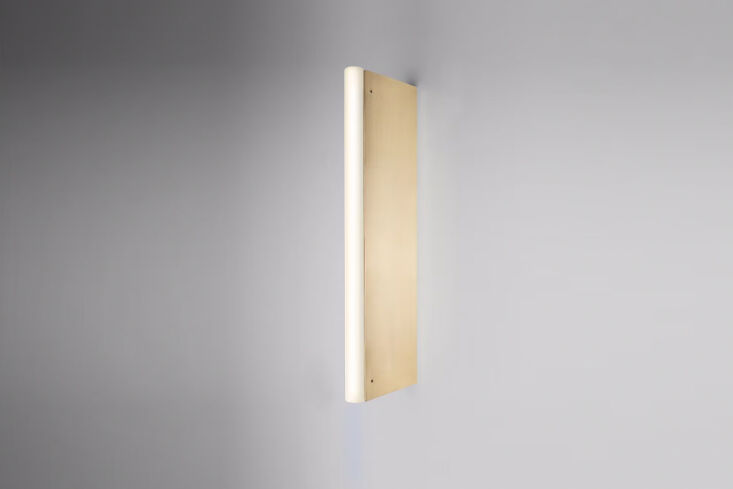
5. Frama Eiffel
The Frama Eiffel is for the homeowner who loves the "soft industrial" aesthetic. Constructed from wax-treated raw steel and featuring a blown opal glass diffuser, it feels both heavy and light. For 2026, Frama has introduced a cream/white finish that softens the industrial edges, making it a perfect fit for Scandinavian-inspired interiors.
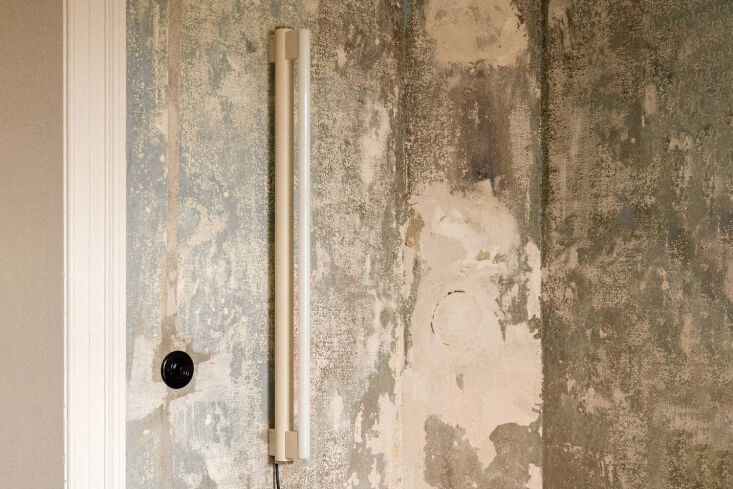
6. Artemide LedBar
Italian lighting giant Artemide is known for technical precision. The LedBar is their answer to the need for uniform diffusion. Unlike some cheaper LED strips that show "hot spots" (visible dots of light), the LedBar uses a high-grade polycarbonate diffuser to create a perfectly smooth, architectural blade of light.
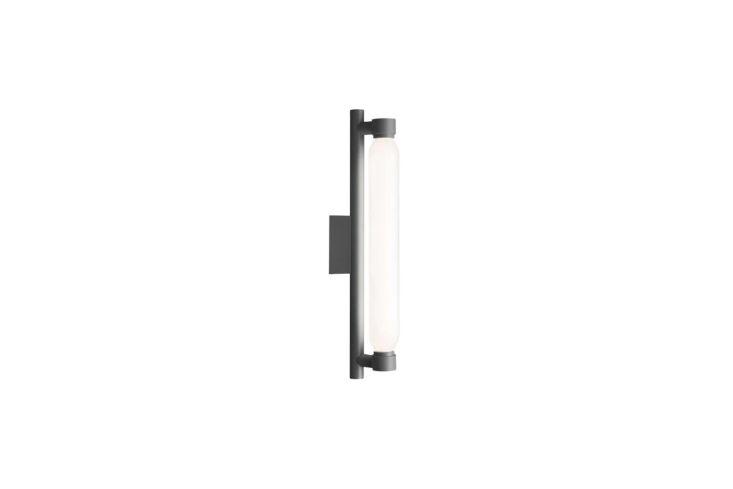
7. Nemo La Roche
Designed by the legendary Le Corbusier in 1954 for the Villa La Roche, this fixture has been re-edited for the modern era. It is a matte grey classic that proves linear lighting isn't a new fad—it’s a timeless design principle. Its rugged, functionalist aesthetic makes it a favorite for architects.
8. Nuad Radent
The Nuad Radent introduces texture to the linear form. It features a perforated metal cover that allows small pinpricks of light to escape, creating a soft, textured ambiance rather than a direct beam. This makes it an excellent choice for cozy dens or media rooms where you want a moody atmosphere.
9. Workstead Tube XL
If you have a double-height entryway or a massive empty wall, the Workstead Tube XL offers the bold scale required. It is chunky, authoritative, and unapologetically American in its craftsmanship.
10. Kaia Mea Wall
The Mea Wall by Kaia is often found in high-end art galleries. It features a minimalist brass frame with a crystal glass diffuser. It’s designed for precision, providing a high-output light that can illuminate large-scale artwork without the visual clutter of a traditional picture light.
Comparison of Top Linear Sconces
| Product | Best For | Finish Options | Price Range |
|---|---|---|---|
| Tala Kilter | Bathrooms & Vanities | Brass, Graphite, Sage | $195 - $275 |
| Marset Ambrosia | Hallways & Art | Black, Gold | $800 - $1,500 |
| West Elm Light Rods | Budget-Friendly Bedside | Brass, Nickel | $149 - $199 |
| Michael Anastassiades | Luxury Investment | Polished Brass, Nickel | $3,500+ |
| Frama Eiffel | Industrial Lofts | Raw Steel, Cream | $500 - $700 |
Buyer’s Guide: Performance Metrics That Matter
When you’re browsing for lighting, don't get distracted by the aesthetics alone. Technical specs determine whether a light makes your home feel like a cozy sanctuary or a cold laboratory.
- Color Temperature (CCT): For residential spaces, I always recommend 3000K. It provides a "hospitality" feel—warm enough to be inviting but crisp enough for tasks. If you are lighting a home office or a workspace, you might opt for 4000K. Avoid anything above 5000K, which can feel clinical and harsh.
- CRI Ratings (Color Rendering Index): This is vital. A CRI of 90+ is the new standard for premium interiors. It ensures that the "blush" of your wallpaper or the "navy" of your vanity doesn't look gray or muddy under the light.
- Lumens vs. Watts: Forget watts—they only tell you how much energy a light uses. Look at lumens for brightness. A standard linear wall sconce should provide between 600 and 1,200 lumens depending on its length and purpose.
- Dimming Protocols: Ensure your fixture is compatible with your home's dimming system. Integrated LEDs often require specialized "ELV" (Electronic Low Voltage) or "0-10V" dimmers. Always check with your electrician before purchasing.
Pro Tip: If you're using linear sconces in a bathroom, mount them vertically on either side of the mirror rather than horizontally above it. This provides "cross-lighting," which fills in shadows on the face—essential for applying makeup or shaving.
Professional Placement & Styling Tips
Where you put the light is just as important as the light itself. Here is how I suggest styling these fixtures:
1. The Rhythmic Hallway In long corridors, don't just put one light in the middle. Place linear sconces at regular intervals—usually 8 to 10 feet apart. Mount them so the center of the fixture is roughly 60-65 inches from the floor. This creates a rhythmic "wash" of light that makes the hallway feel like a curated gallery.
2. Asymmetrical Art Accents You don't always have to center a light. Try placing a vertical linear sconce asymmetrically next to a piece of art or a doorway. This highlights the architectural features of the room and adds a layer of modern "tension" to the design.
3. Bedside Efficiency Replace your table lamps with long, vertical linear rods. This frees up space on your nightstand for books and water, and it provides a much cleaner, more organized look. For bedside use, ensure the light is dimmable so you can transition from reading light to a soft nightlight.
FAQ
Are linear sconces hard to install? Most linear sconces require a standard junction box. However, because they are often long and thin, the placement of the junction box must be precise. If you are retrofitting these into an existing wall, you may need a "slim" or "pancake" junction box depending on the fixture's mounting plate.
Can linear LEDs be replaced if they burn out? In fixtures with "integrated" LEDs, the light source is built into the fixture. While high-quality LEDs are rated for 50,000 hours (about 20 years of normal use), they are not as easy to swap as a traditional bulb. However, most premium brands like Tala and Marset offer replaceable LED modules that a technician can install.
Is 3000K too yellow for a modern white interior? Not at all. 3000K is considered "warm white." It looks crisp against white walls but prevents the room from feeling "blue" or cold. It is the gold standard for modern residential design.
Conclusion
Linear wall sconces are more than just a lighting trend; they are a fundamental shift toward a more architectural, integrated way of living. By choosing fixtures like the Marset Ambrosia for drama or the Tala Kilter for daily functionality, you aren't just lighting a room—you are defining its boundaries and mood. Remember to prioritize high CRI ratings and proper placement height to ensure your investment looks as good in practice as it does in the catalog.
Ready to elevate your space? Start by looking at your walls not as flat surfaces, but as canvases for light.