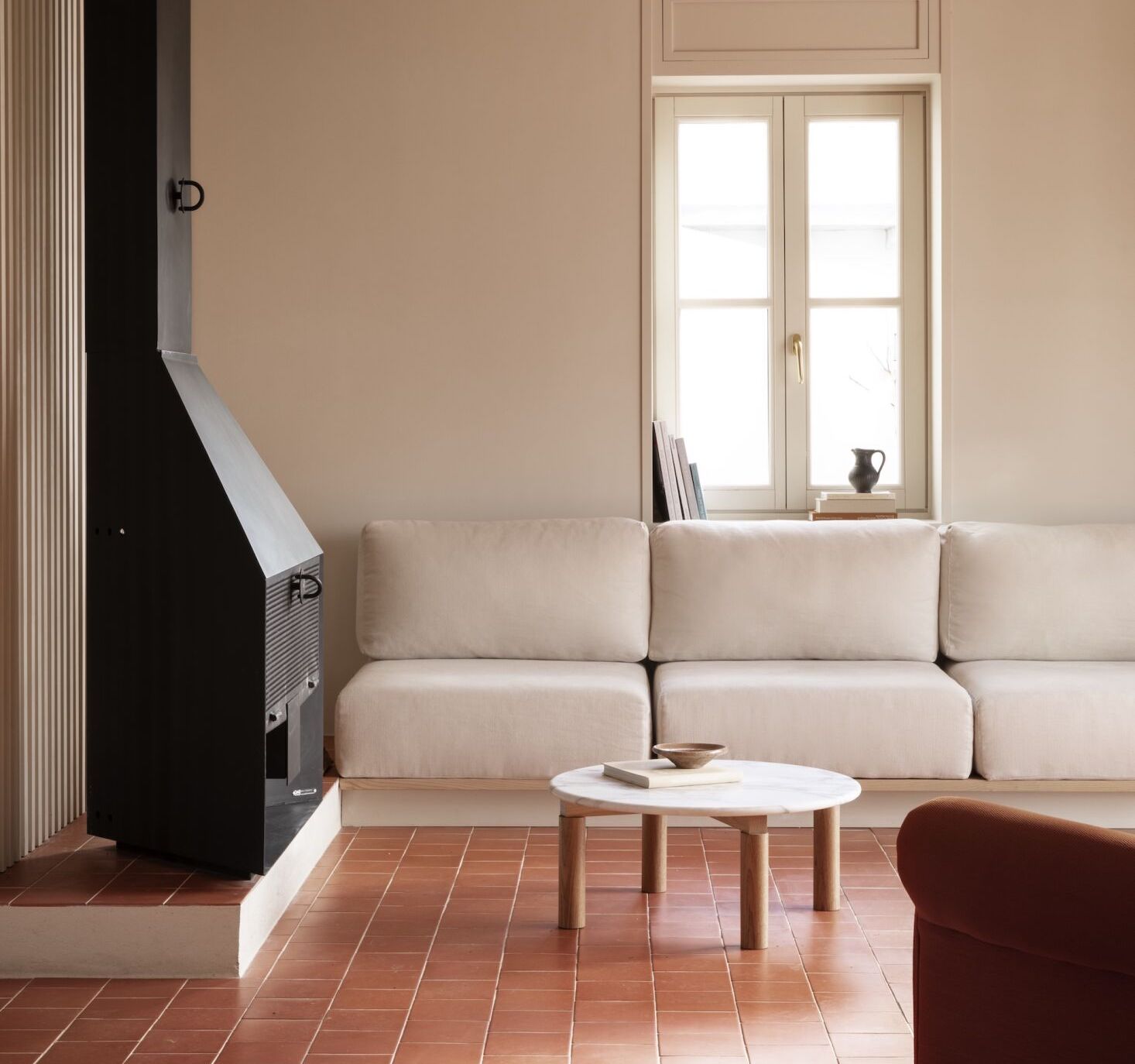
Have you ever stood in a room and felt that a standard three-seater sofa just didn't "belong"? Perhaps it blocked a walkway, left a clumsy gap in a corner, or simply felt like a temporary guest in a permanent space. In 2026, we are seeing a profound shift in how homeowners approach lounging. No longer satisfied with "off-the-shelf" furniture that occupies space without honoring it, there is a burgeoning movement toward integrated architectural seating.
Recent 2026 market data shows a 45% increase in homeowner requests for 'integrated architectural seating' to maximize efficiency, particularly in urban apartments where every square inch is a premium. These built-in sofa styles are more than just furniture; they are permanent architectural features that offer a seamless, modern look that never needs replacing. They provide durability, ergonomic comfort, and a sense of "belonging" to the home's structure that freestanding pieces simply cannot replicate.
The Functional Power of Custom Seating
The primary allure of built-in sofas for small spaces lies in their extreme space efficiency. By utilizing recessed walls, narrow niches, or tight corners that traditional furniture cannot fit, built-ins allow homeowners to maximize lounge opportunities without cluttering the floor plan. We often recommend these for "not-so-squared" layouts where a standard sectional would create awkward dead zones.
Beyond the footprint, custom seating allows for a level of personalization in ergonomics. You aren't just buying a sofa; you are designing a platform. You can specify the exact depth for a "deep-soak" lounge experience or a shallower seat for a formal morning room.
Integrated Storage: Reducing Living Room Clutter
One of the most frequent questions we receive is: Can built-in sofas provide extra storage? The answer is a resounding yes. In fact, internal design surveys indicate that built-in sofas with under-seat storage are 30% more likely to be chosen by families looking to reduce living room clutter.
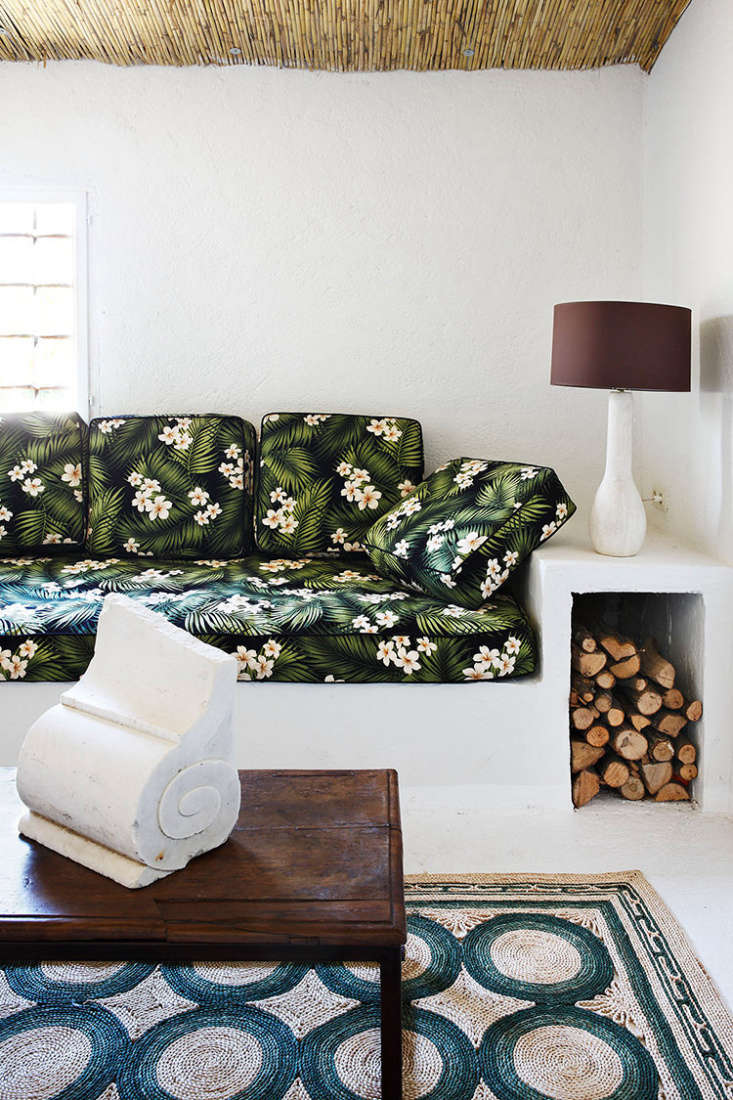
Whether it’s deep under-seat drawers for seasonal blankets, integrated log storage for a nearby fireplace, or surrounding bookshelves that wrap around the backrest, these designs turn seating into a multi-functional powerhouse.
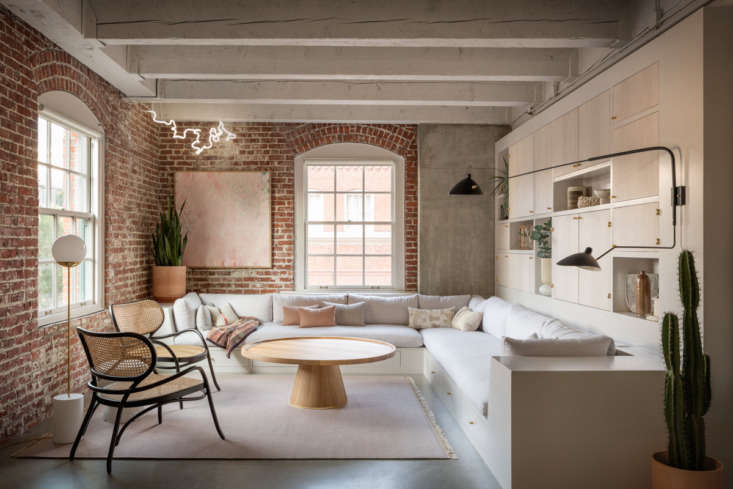
Part 1: Top Built-In Styles for Small Interiors
1. The Alcove Settee
The alcove settee is the ultimate solution for those "in-between" spaces. By utilizing a recessed wall—often found between two closets or architectural columns—you can create a one-person "reading nook" or a cozy two-seater. This style works best when the upholstery is flush with the wall, creating a clean, tucked-away aesthetic.
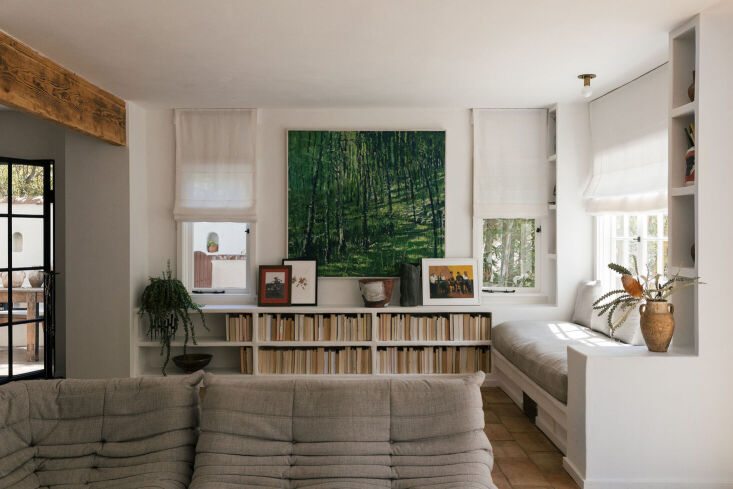
2. The L-Shaped Corner Bench
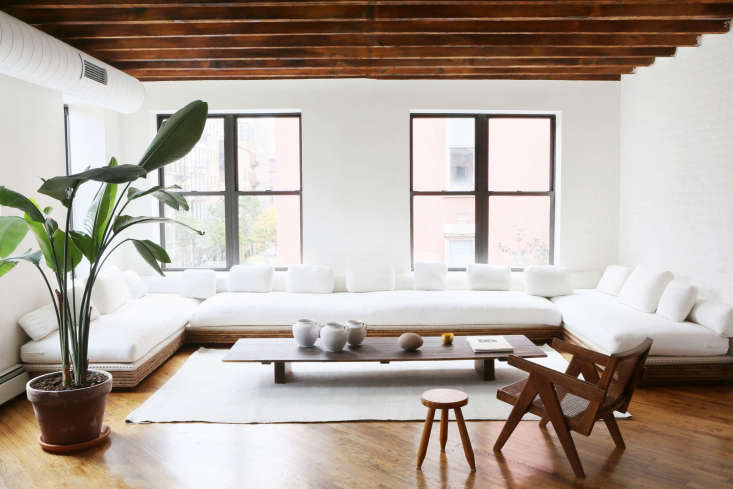
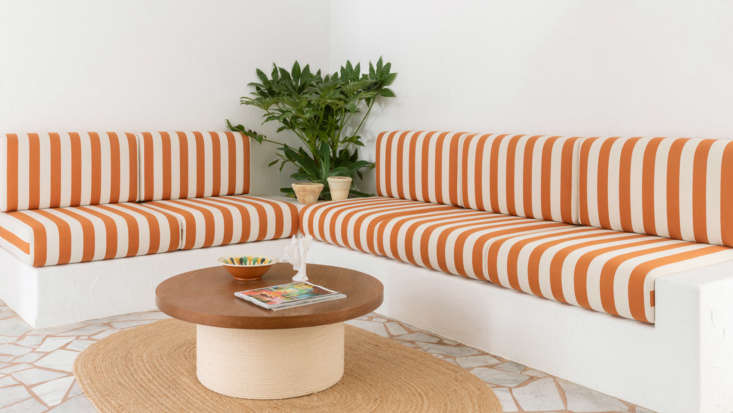
Maximizing floor space in square or rectangular rooms often means reclaiming the corners. An L-shaped built-in bench provides more seating than a standard sofa while taking up significantly less visual "weight." It anchors the room and defines the seating area without the need for a bulky rug or additional armchairs.
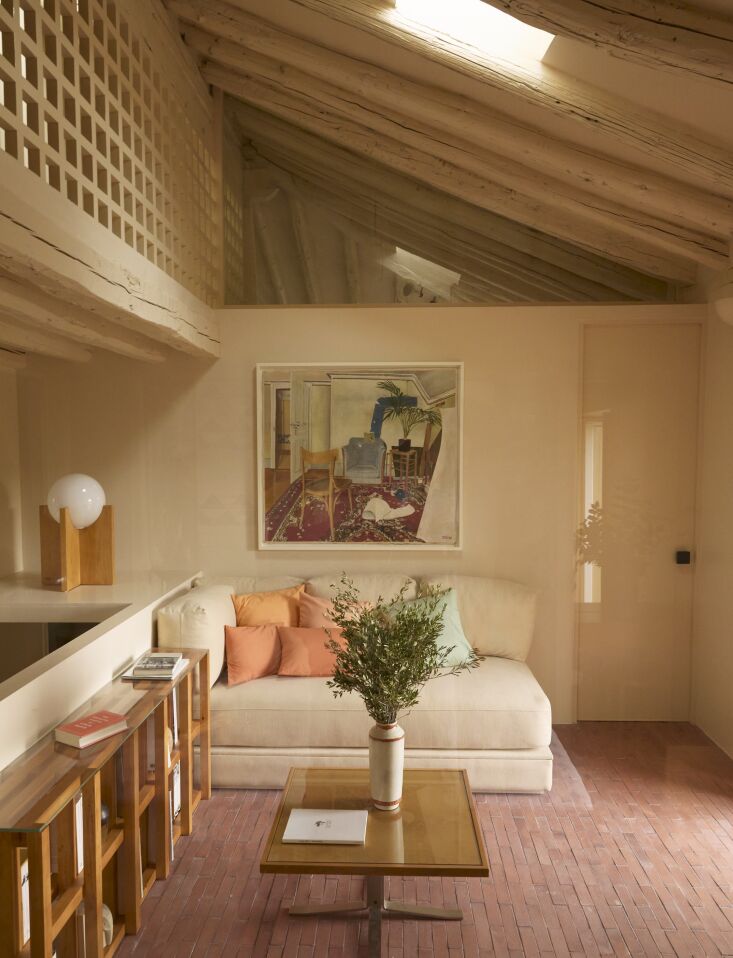
3. The Window Seat Lounge
Perhaps the most romantic of the built-in family, the window seat integrates the view into the seating experience. It’s a perfect addition to attic spaces with sloped ceilings or bedrooms where floor space is limited. By extending the window sill into a plush upholstered retreat, you create a destination within the room.
4. The Pony Wall Wrap-Around
In open-concept studios, we often see "pony walls" used to divide the entryway from the living zone. A brilliant space-saving trick is to wrap a built-in sofa around this half-wall. This creates a "genkan" style entry divider with seating on one side and perhaps back-to-back shoe storage on the other.
5. The Under-Stairs Sanctuary
The "dead space" under a staircase is a goldmine for built-in seating. Rather than a dusty storage closet, our designers recommend installing a low-slung, upholstered platform. It’s an architectural response to the need for quiet, semi-private retreats within a busy family home.
Pro-Tip: Measuring for Success When designing a built-in, always account for the thickness of the back cushions. A common mistake is building the base too shallow, only to find that once the 4-inch back cushion is added, the "seat" is too narrow for comfortable sitting. We recommend a minimum base depth of 28 inches for a standard seat.
Part 2: Best Built-In Styles for Large Interiors
6. The 360-Degree Garden-Facing Sofa
In expansive, open-plan homes, furniture can often feel lost. A large-scale, wrap-around built-in acts as a permanent anchor. We love designs that face outward toward a garden or courtyard, creating a panoramic lounge experience that connects the interior to the landscape.
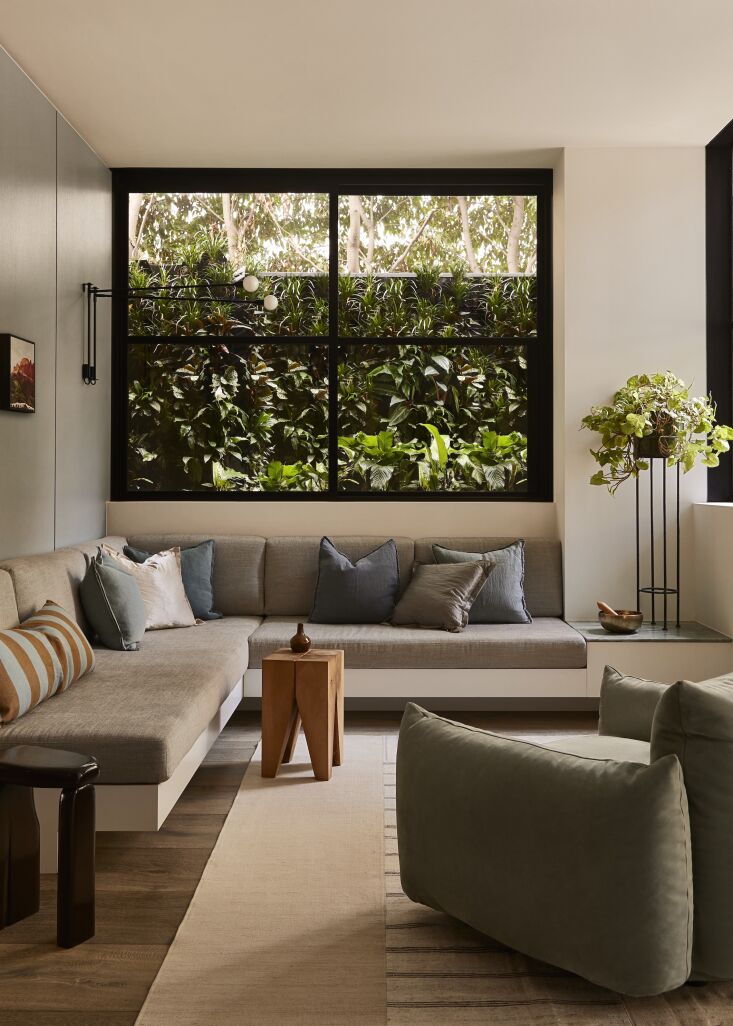
7. The Sunken 'Conversation Pit'
The 1970s revival is in full swing for 2026, but with a modern, refined twist. The sunken conversation pit creates social intimacy by dropping the seating level below the floor line. This keeps the sightlines clear and creates a dedicated "zone" for connection, free from the distractions of the rest of the house.
8. The Wall-to-Wall Bench Extension
In large modern villas, we often link the living area to the kitchen or dining space using a continuous material flow. A wall-to-wall bench might start as a sofa in the lounge, transition into a storage ledge for art, and finally end as a breakfast nook bench. It’s a masterclass in visual continuity.
9. The Curvilinear Sculpture
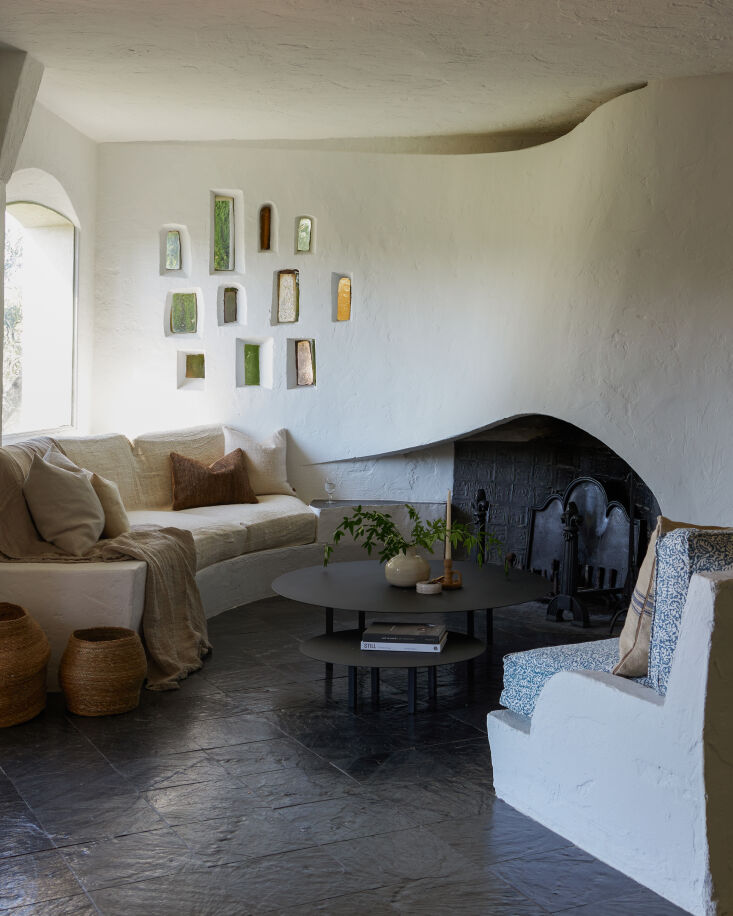
Large, harsh-angled rooms can benefit immensely from organic architecture. A curvilinear built-in sofa uses fluid, sweeping lines to soften a room’s topography. These are often constructed from masonry or plaster, then topped with custom-contoured cushions for a look that feels more like a sculpture than a piece of furniture.
Part 2026 Modern Design & Material Trends
10. The Slipcovered Built-In
One of the biggest critiques of built-ins used to be the difficulty of cleaning. In 2026, we are seeing the rise of the "Slipcovered Built-In." This merges the permanence of a custom frame with the easy-to-clean functionality of removable, washable covers. It’s the perfect compromise for families with pets or young children.
11. The Patterned Upholstery Statement
We are moving away from the "all-grey" era. Modern built-ins are embracing bold, rhythmic energy. Whether it's nautical stripes, oversized florals, or vintage plaids, the built-in is becoming the canvas for the room's primary pattern statement.
12. Modern Motion Built-Ins
Technology is finally catching up with custom furniture. We are now seeing "zero-clearance" reclining technology being integrated into custom-built frames. This allows for the sleek look of a built-in with the ergonomic luxury of a high-end recliner.
13. The Hybrid Bench-Storage System
The most innovative designs in 2026 are using tactile, raw materials for the sofa base. Think rattan webbing, handmade artisanal tiles, or even raw log storage. This "hybrid" approach ensures the sofa feels like a piece of the home’s craft rather than a separate upholstery project.
Built-In vs. Freestanding: Which is Right for You?
Choosing between a custom build and a traditional sofa depends on your long-term goals for the space. Here is a quick comparison to help you decide:
| Feature | Built-In Sofa | Freestanding Sofa |
|---|---|---|
| Space Efficiency | Exceptional; eliminates dead zones | Moderate; requires "breathing room" |
| Durability | High; anchored to structure | Variable; depends on frame quality |
| Flexibility | Low; permanent architectural feature | High; easy to move or sell |
| Customization | Unlimited; tailored to the room | Limited to available retail models |
| Cost | Higher (requires carpentry/upholstery) | Wide range (budget to luxury) |
Choosing the Right Materials: Leather vs. Performance Fabrics
When committing to a permanent seating fixture, material choice is paramount.
- Leather: We recommend high-quality aniline leathers for "Conversation Pits" or large-scale garden-facing sofas. Leather ages beautifully, developing a patina that complements the permanent nature of the build. It is also exceptionally easy to wipe down.
- Performance Fabrics: For urban apartments or high-use family zones, performance fabrics (like solution-dyed acrylics) are non-negotiable. They offer stain resistance and UV protection—essential if your sofa is a "Window Seat Lounge" exposed to direct sunlight.
Regardless of the fabric, focus on cushion density. For built-ins, we prefer a high-resiliency (HR) foam core wrapped in a down or feather jacket. This provides the structural support needed for a permanent seat while maintaining a soft, "sink-in" feel.
FAQ
Q: Are built-in sofas uncomfortable compared to traditional sofas? A: Not if they are designed correctly. The comfort of a sofa comes from the cushion quality and seat depth, not the frame. By customizing the ergonomics to your height and lounging style, a built-in can actually be more comfortable than a mass-produced piece.
Q: Will a built-in sofa hurt my home's resale value? A: Generally, no. High-quality architectural features like integrated seating are often seen as "upgrades" in the 2026 real estate market, as they suggest custom design and smart use of space. However, it’s best to stick to timeless materials and neutral bases with replaceable cushions.
Q: How do I clean behind or under a built-in sofa? A: Most modern built-ins are designed with "zero-gap" construction, meaning there is no "behind" for dust to settle. For the under-seat area, if you choose a design with storage drawers, cleaning is as simple as removing the drawer to vacuum the track.
Transform Your Living Space
The built-in sofa is a declaration of permanence. It says that you have looked at your home, understood its unique geometry, and decided to honor it with a design that fits perfectly. Whether you are maximizing a tiny alcove or anchoring a vast open-plan room, these 13 styles offer a blueprint for a more integrated, thoughtful way of living.
Ready to reclaim your corners and elevate your architecture? Start by measuring that "awkward" niche in your living room today—it might just be the perfect spot for your new favorite retreat.