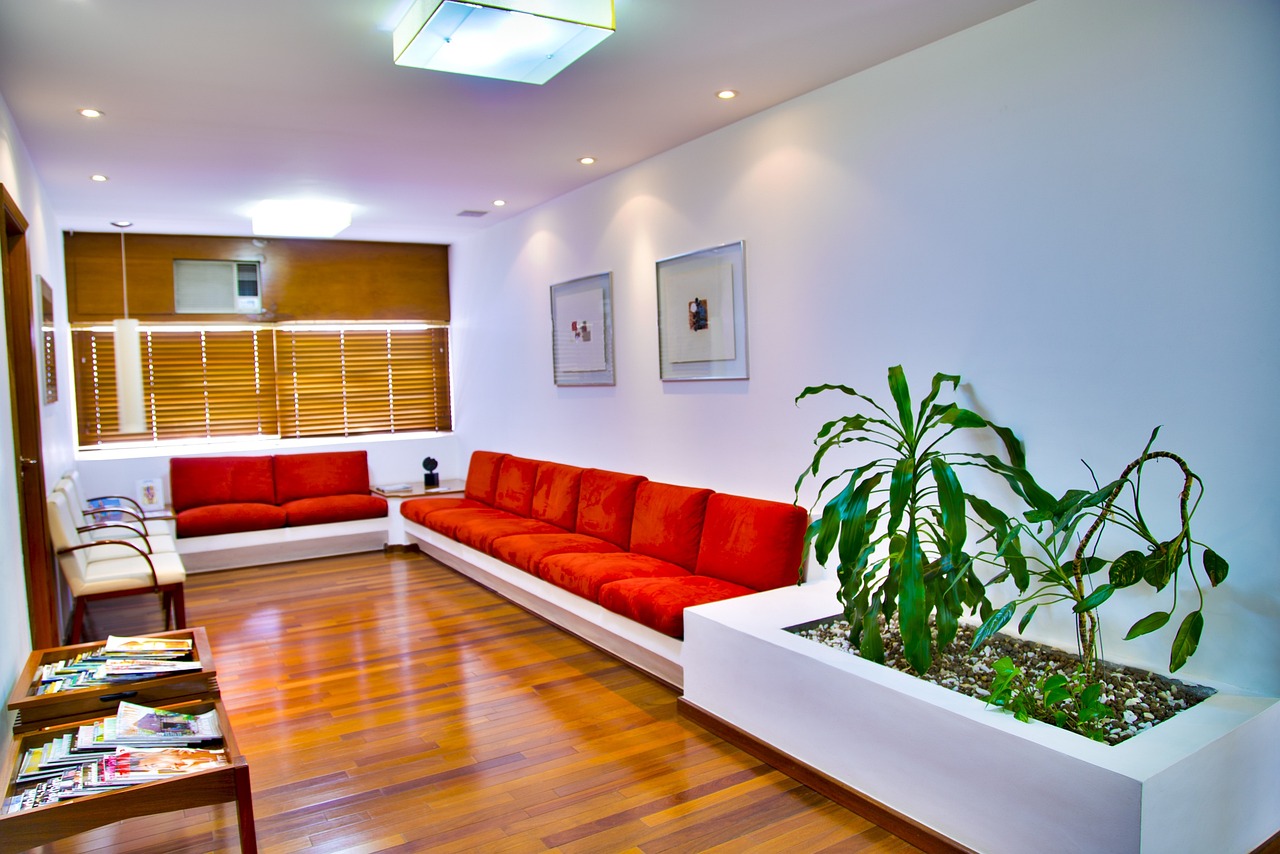
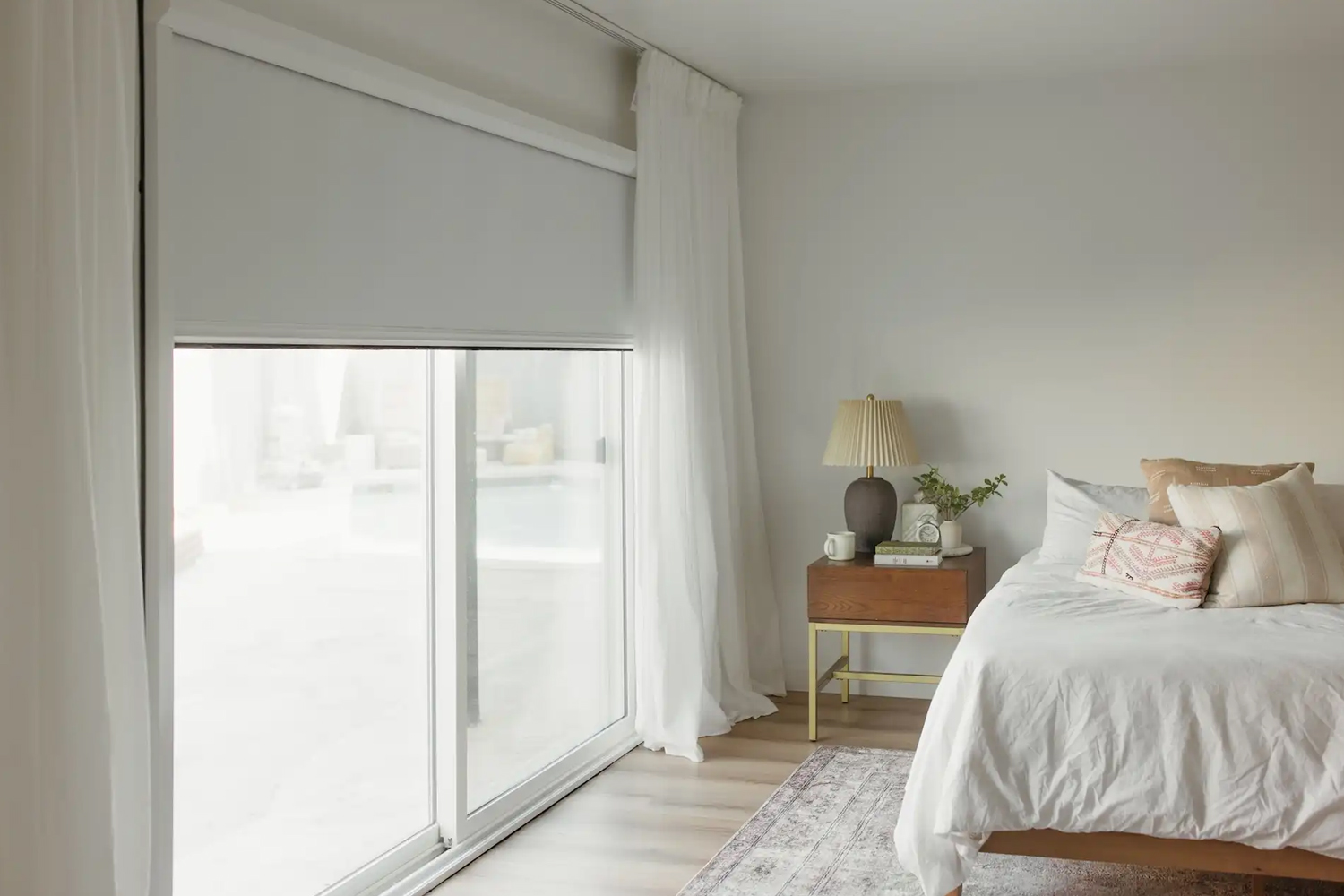
We have all felt that subtle, prickling weight on our shoulders when walking into a room filled with "stuff." It isn't just in your head; it’s in your biology. Research from UCLA has famously indicated that the presence of household clutter can lead to a significant increase in cortisol levels, the body's primary stress hormone, particularly in women. As we look toward 2026, the conversation around home organization is shifting from the clinical, high-gloss "perfection" of the 2010s to a more grounded, mindful approach.
Mindful home organization in 2026 focuses on wellness and sustainability, prioritizing natural materials like bamboo and walnut over plastics to reduce visual clutter and lower cortisol levels. It is an evolution from extreme minimalism toward "intentional decluttering"—a practice where every object is weighed not just by its utility, but by its sensory impact on your daily peace. The 2026 shift toward sustainable organizing includes choosing long-lasting systems, reusing existing containers, and opting for plastic-free materials to encourage mindful consumption and long-term order.
1. Natural Tactility: Replacing Acrylic with Earth-Born Materials
For years, the gold standard of organization was the clear acrylic bin. While functional, the "fridge-scape" and "pantry-porn" movements of the past decade often resulted in a home that felt more like a laboratory than a living space. Design experts now forecast a 40% rise in consumer preference for natural fiber storage solutions, such as seagrass, rattan, and dark woods, as a replacement for traditional acrylic organizers by 2026.
This shift is rooted in the concept of "visual noise." While transparent bins allow you to see your inventory, they also force your brain to process every label, texture, and color of the items inside. Natural materials like walnut and acacia provide "visual quiet"—they hide the chaos of multicolored snack bags or mismatched linens behind a warm, organic facade.
How to Implement Eco-Conscious Organizing:
- Audit your existing containers: Before buying a new set of bamboo bins, look at what you already own. Can that high-quality cardboard box from a recent purchase be upcycled with a linen liner?
- Invest in "Lifetime" Materials: Move away from brittle plastics that crack over time. Choose solid wood, powder-coated steel, or hand-woven fibers that age gracefully.
- Texture Over Transparency: Use opaque natural bins for items that are inherently messy (like kids' toys or baking supplies) and reserve clear glass only for items that are aesthetically pleasing or need frequent inventory checks.
Sophie’s Tip: If you’re transitioning to natural materials, start in the rooms where you spend the most time relaxing, like the bedroom or living area. The tactile warmth of wood immediately lowers the "clinical" energy of a room.
2. The Digital Nervous System: Centralized Family Command Centers
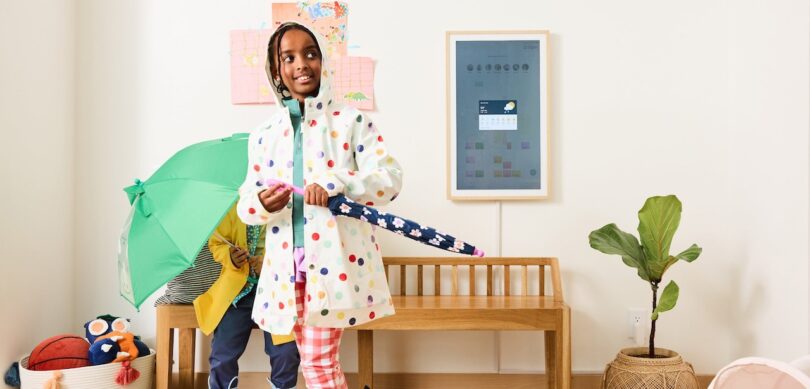
In 2026, we are finally moving beyond the "paper chaos" of the refrigerator door. The modern home now requires a "Digital Nervous System"—a centralized hub that handles the invisible mental load of a family. Digital organization tools, such as wall-mounted displays, benefit modern families by centralizing schedules and chore charts, which reduces mental fatigue and supports neurodivergent household members.
We are seeing a massive surge in the popularity of devices like the Hearth Display or wall-integrated tablets that sync everyone’s Google or Apple calendars in real-time. This isn't just about tech; it's about cognitive ease. When the "What's for dinner?" or "Who is picking up the kids?" questions are answered by a glance at a beautiful, low-energy screen, the constant "pinging" of domestic anxiety begins to fade.
The Benefits of Digital Syncing:
- Automated Chore Charts: Assign tasks that rotate automatically, removing the need for parents to "nag."
- Meal Planning Integration: Sync your grocery list directly from your digital meal plan to your phone, preventing over-buying and food waste.
- Reduced Mental Fatigue: Centralizing information means you no longer have to hunt through emails, school apps, and text threads for one specific event time.
3. Neuro-Inclusive Systems: ADHD-Friendly Home Design
One of the most compassionate trends of 2026 is the rise of neuro-inclusive design. We are moving away from "one-size-fits-all" organization and acknowledging that different brains process clutter differently. For those with ADHD or executive function challenges, traditional "hidden" storage can often lead to "out of sight, out of mind," resulting in forgotten items and duplicate purchases.
The solution is the "Sunday Butterfly Method." Unlike the "Marie Kondo" approach of doing everything at once, the Butterfly Method encourages a light, rhythmic "flutter" through the house once a week to reset "low-friction" systems. These systems are designed to make it easier to put things away than to leave them out.
| Feature | Traditional Organization | ADHD-Friendly (2026 Trend) |
|---|---|---|
| Storage Style | Deep, opaque drawers | Shallow drawers or open shelving |
| Labeling | Aesthetic/Small labels | Visual icons or color-coding |
| Sorting | Categorized by item type | Categorized by usage or activity |
| Maintenance | Seasonal "deep cleans" | "Micro-Resets" and low-friction zones |
A key component of this trend is the "Micro-Altar." Instead of a sterile, empty countertop, we are seeing the rise of small, intentional focal points. A single beautiful tray with a stone, a sprig of dried lavender, and a ceramic bowl for keys acts as a "grounding" anchor for the room, signaling to the brain that this space is ordered and safe.
4. Curated Catchalls: The Art of the 'Trinket Pool'
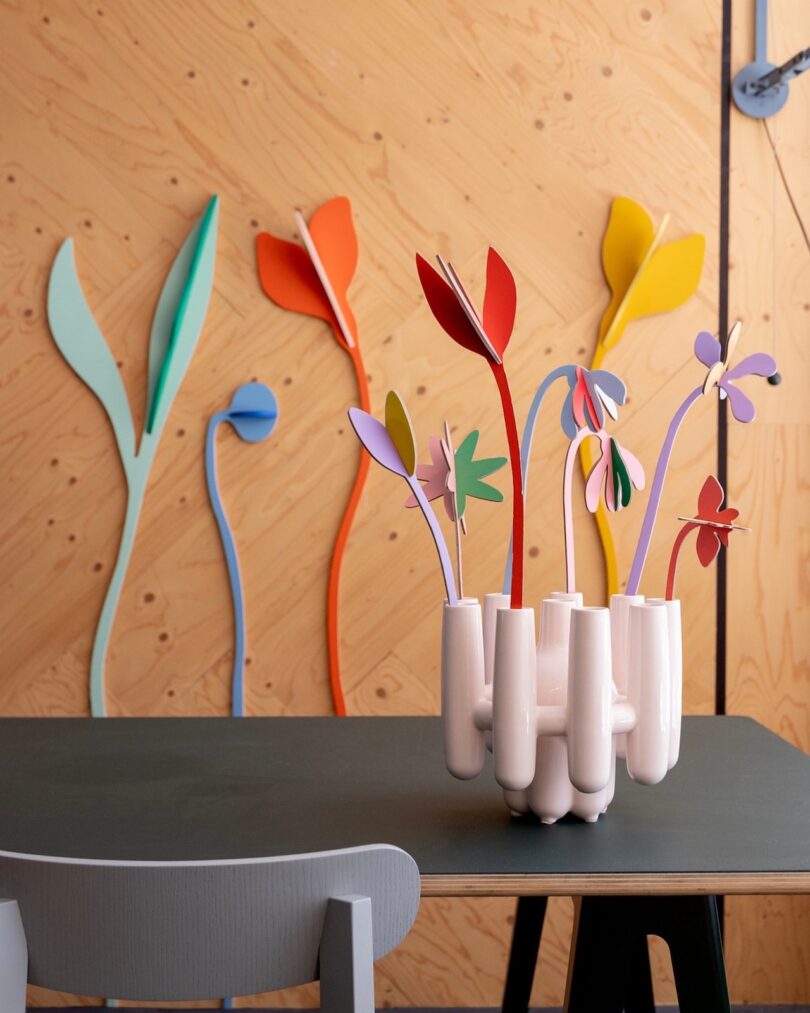
Let’s be honest: every home has "stuff." In the past, we hid this in a "junk drawer." In 2026, we are reclaiming the junk drawer and transforming it into a "Trinket Pool." This is the art of using high-design trays and pop-art sculptures as curated catchalls for the miscellaneous items of life.
By using vertical space and height—what I call "Vertical Meditation"—even a small footprint can feel expansive. Instead of scattering items across a flat surface, we use tiered trays or wall-mounted ledges to lift the eye upward.
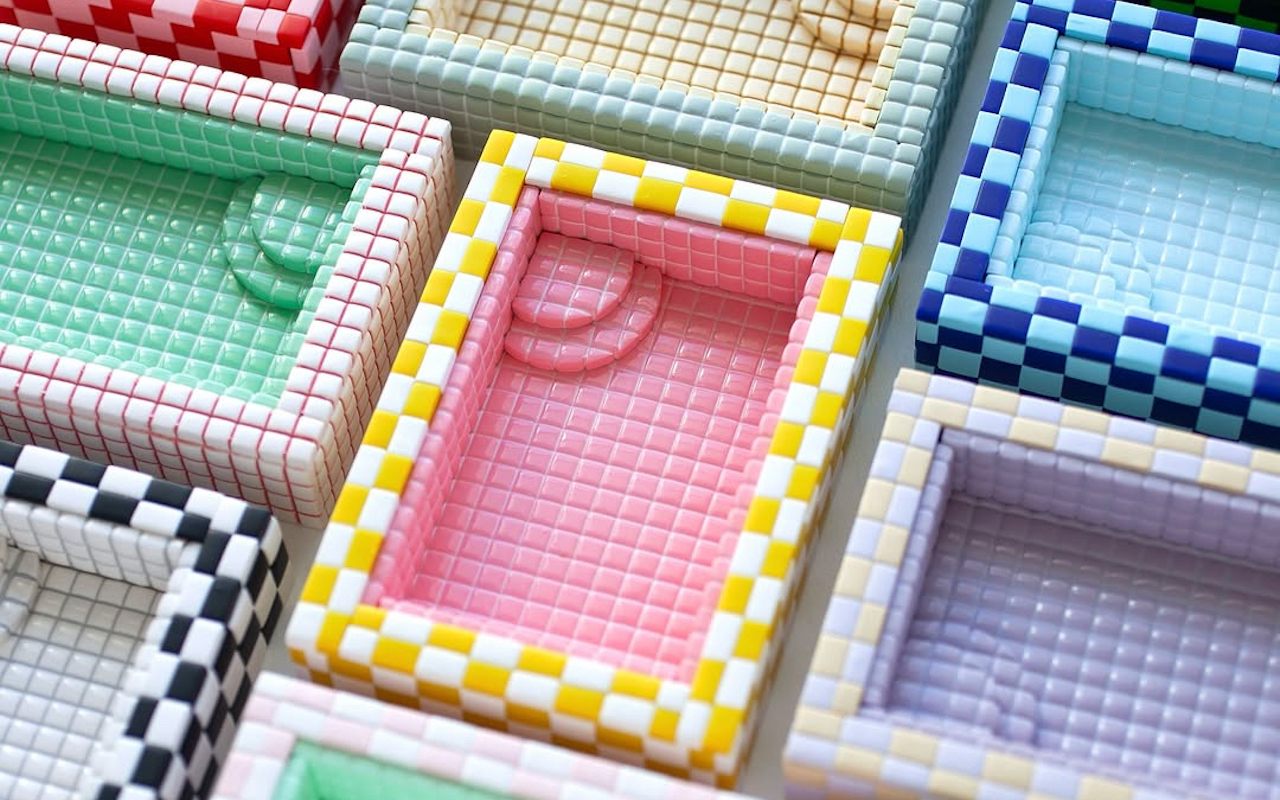
Creating Your Own Trinket Pool:
- Select a "Hero" Vessel: Choose a tray that is a work of art in itself—think hand-thrown ceramic or a vintage brass plate.
- The Rule of Three: Place three items of varying heights in the pool. This could be a candle, a small sculpture, and a dish for your daily jewelry.
- Discreet Labeling: If you use bins within your catchall, use chic, minimalist labels in a neutral font. The goal is to organize without the labels "shouting" at you.
5. Conscious Wardrobes: The 'Influencer Method' for 2026
Mindful consumption is the ultimate form of organization. The "Influencer Method" of 2026 isn't about buying what an influencer has; it’s about becoming the influencer of your own closet. This involves digitizing your wardrobe using apps like GetWardrobe or Indyx.
When you have a digital "Lookbook" of every item you own, you stop the cycle of overconsumption. You can see, for instance, that you already own four white button-down shirts before you're tempted to buy a fifth. This digital clarity leads to a physical closet that is airy, intentional, and stress-free.
Why Digitizing Your Closet Works:
- Prevents Decision Fatigue: You can plan your outfits on your phone during your morning commute, rather than staring blankly into your closet for twenty minutes.
- Identifies Gaps: You’ll notice if you have many tops but no matching bottoms, allowing for more targeted, mindful shopping.
- Sustains Long-term Order: A digital inventory encourages a "one-in, one-out" policy that keeps physical clutter from ever accumulating in the first place.
Your Home as a Reflection of Your Inner Landscape
As we move into 2026, we are finally realizing that home organization isn't about the bins; it's about the breath. It is the ability to walk through your front door and feel your nervous system exhale. By choosing natural materials that soothe the eyes, digital systems that carry our mental load, and neuro-inclusive methods that respect our unique brains, we create homes that don't just look organized—they feel like sanctuary.
Start small. Choose one "mindfulness bell" corner of your home—perhaps your bedside table or your coffee station. Clear the visual noise, introduce a natural texture, and notice how your body responds. The journey to a more organized home is not a race; it is a slow, beautiful return to yourself.
FAQ
Q: Is it expensive to switch to natural materials like walnut and bamboo? A: Not necessarily. While solid wood pieces are an investment, you can start by transitioning smaller items like drawer dividers or desktop organizers. The goal of 2026 mindful design is sustainability—buying one high-quality piece that lasts a decade is more cost-effective than replacing cheap plastic bins every two years.
Q: How do I get my family to actually use a digital command center? A: The key is "Low-Friction." Place the display in a high-traffic area, like the kitchen or entryway, where people naturally congregate. Start by only putting the "fun" things on there—weekend trips or movie nights—to build the habit of checking the screen.
Q: What if I prefer the look of clear acrylic? Is it "out of style"? A: Design is personal! If clear acrylic brings you joy and helps you stay organized, keep it. However, consider "softening" the look by placing those clear bins inside a larger woven basket or using them only in hidden areas like the back of a deep pantry.