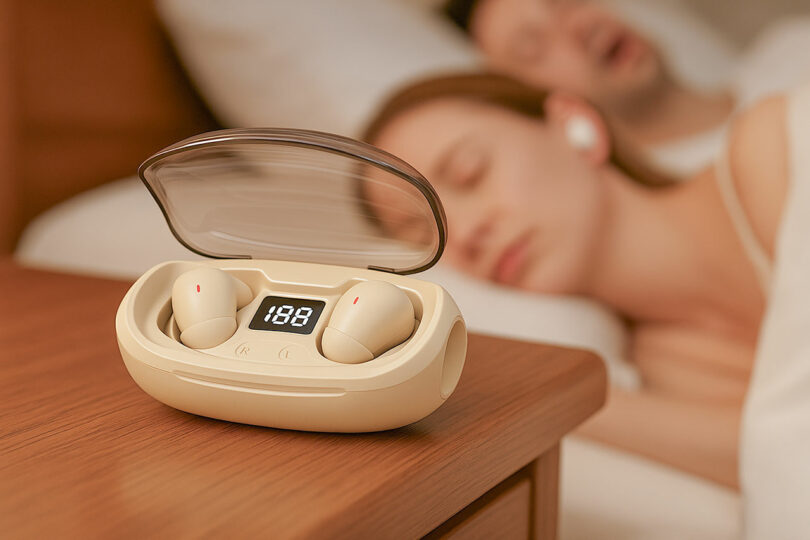
If you’ve ever tried to drown out a partner’s snoring or the rhythmic thrum of city traffic with a standard pair of earbuds, you know the "Side Sleeper’s Dilemma" all too well. You start the night in blissful silence, only to wake up two hours later with a throbbing ache in your ear cartilage because a piece of hard plastic has been jammed into your head by the weight of your own pillow.
As we head into 2026, the smart home isn't just about automated lights and thermostats; it’s about optimizing the one third of our lives we spend unconscious. The tech industry has finally realized that "one size fits all" doesn't apply to the bedroom. Traditional earbuds are designed for movement and style—they protrude from the ear to house large drivers and batteries. For a side sleeper, this protrusion is a lever, and the pillow is the force that pushes it painfully into the sensitive skin of the ear canal. The secret to sleeping comfortably isn't just about making the buds smaller; it’s about a fundamental shift in ergonomic philosophy.
The Secret Sauce: Anatomy of a Perfect Sleep Earbud
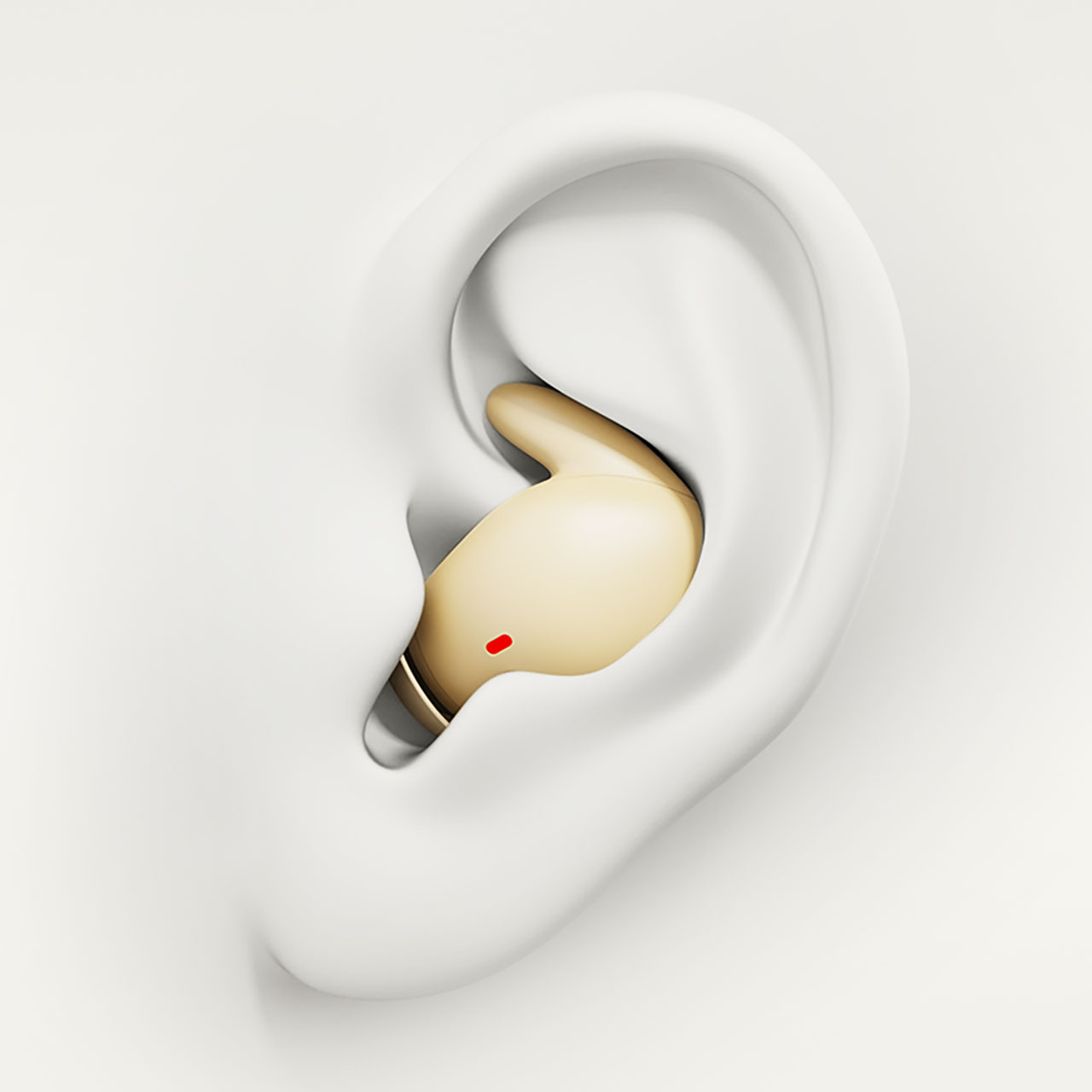
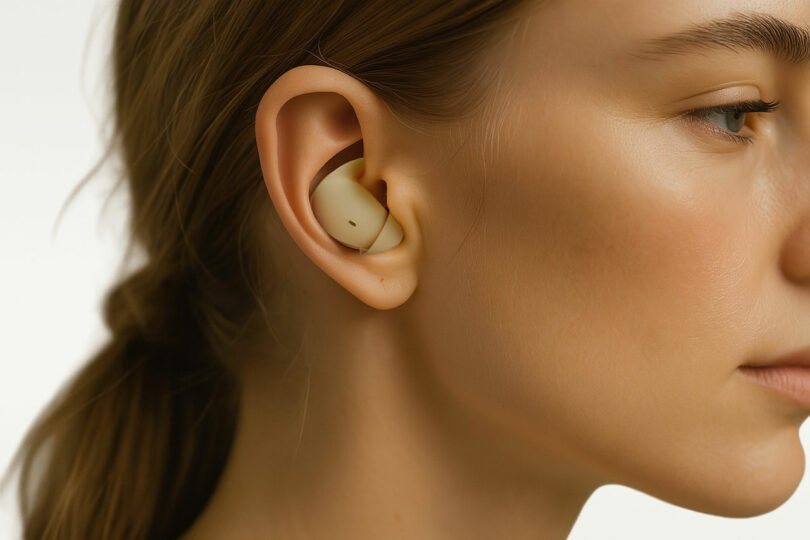
What makes an earbud comfortable for someone who spends eight hours lying on their side? It comes down to a design that respects the ear’s natural landscape. The key is an ultra-low-profile chassis that sits entirely flush with the incisura (the small notch at the base of the ear opening) and anchors itself securely along the concha ridge.
When an earbud is designed with this anatomical precision, it doesn't matter how much pressure your pillow applies. Because the device doesn't protrude past the tragus, there is no "poking" sensation. Industry leaders are now hitting a "weightless" benchmark: the gold standard for all-night wear is now between 2.5 and 3 grams. At this weight, the mechanical pressure on the ear is negligible.
Furthermore, the materials used in 2026's top-tier sleep buds have transitioned from standard plastics to medical-grade liquid silicone and adaptive memory foam. These materials serve two purposes: they provide a soft buffer against the ear canal and create a superior "passive seal" that blocks out noise before the electronics even kick in.
Top Picks for 2026: Ergonomics vs. Performance
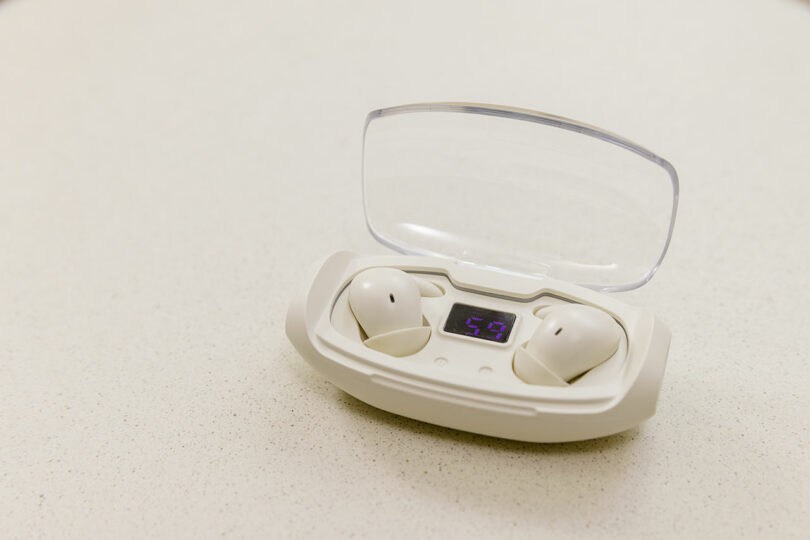
Choosing the best earbuds for side sleepers involves a trade-off between battery life, noise-canceling power, and physical size. Here is how the current market leaders stack up:
| Feature | Anker Soundcore Sleep A30 | Ozlo Sleepbuds | Openhagen SleePods |
|---|---|---|---|
| Weight per Bud | 2.8g | 1.6g - 2.0g | 2.5g |
| Battery Life | 9 hours (ANC on) | 9.5 hours | 8 hours |
| Noise Tech | AI-Powered ANC | Passive + Masking | Passive Isolation |
| Profile | Ultra-Low | Disappearing Fit | Slender/Deep Fit |
The ANC Champion: Anker Soundcore Sleep A30
If your primary obstacle to sleep is a snoring partner or a nearby construction site, the Soundcore Sleep A30 is the surgical tool you need. Unlike standard noise canceling, the A30 utilizes AI-powered Active Noise Cancellation (ANC) specifically tuned for the 20-200Hz range—the exact frequency of most snores and low-frequency traffic rumbles.
- Pros: Exceptional at blocking low drones; features a library of soothing sounds that can be mixed with your own audio.
- Cons: Slightly larger than the Ozlo, though still flush enough for most side sleepers.
The Comfort Specialist: Ozlo Sleepbuds
Born from the engineers who created the original Bose Sleepbuds, Ozlo has perfected the "disappearing" fit. Weighing as little as 1.6 grams, these are the lightest earbuds on the market. They don't use traditional ANC; instead, they focus on industry-leading passive isolation and "noise masking" which covers up erratic sounds (like a barking dog) with steady, soothing frequencies.
- Pros: Virtually imperceptible even on firm pillows; 9.5-hour battery life easily covers a full sleep cycle.
- Cons: No active noise cancellation for those who prefer total silence.
The Design Icon: Openhagen SleePods
The Openhagen SleePods take a minimalist approach. Their design is ultra-slender, allowing them to sit deeper in the ear canal than almost any other competitor. This creates a powerful physical barrier against noise while ensuring that no part of the earbud touches the pillow surface.
- Pros: Aesthetic, premium build; extremely secure fit for restless sleepers who toss and turn.
- Cons: Passive isolation only; battery life is slightly shorter than the Ozlo.
Essential Features to Check Before You Buy
When you're evaluating ergonomic sleep earbuds, don't get distracted by features meant for daytime use, like microphone quality or touch controls. For sleep, the requirements are different:
1. The 10-Hour Battery Threshold
Standard adult sleep cycles last between 7 and 9 hours. If your earbuds die at the 6-hour mark, the sudden silence (or the "Battery Low" chime) will likely wake you up during your most critical REM cycle. Look for buds that offer a minimum of 9.5 hours of continuous playback to ensure you’re covered from lights-out to your morning alarm.
2. Passive Isolation vs. ANC
- Passive Isolation acts like a high-end earplug. It uses physical material to block sound. It is better for high-pitched, erratic noises.
- Active Noise Cancellation (ANC) uses microphones to "counter-act" sound waves. It is essential if you live near an airport, a busy road, or sleep next to a heavy snorer.
3. Connectivity and "Sleep Mode"
The best earbuds for side sleepers in 2026 utilize Bluetooth 5.3. This protocol is more energy-efficient and provides a more stable connection, which is vital if you are streaming high-fidelity "sleep stories" or white noise from your phone. Many premium models also include an "Offline Mode," where the sounds are stored on the buds themselves, allowing you to turn off your phone’s Bluetooth to save battery and reduce EMF exposure.
4. Pressure Relief and Ventilation
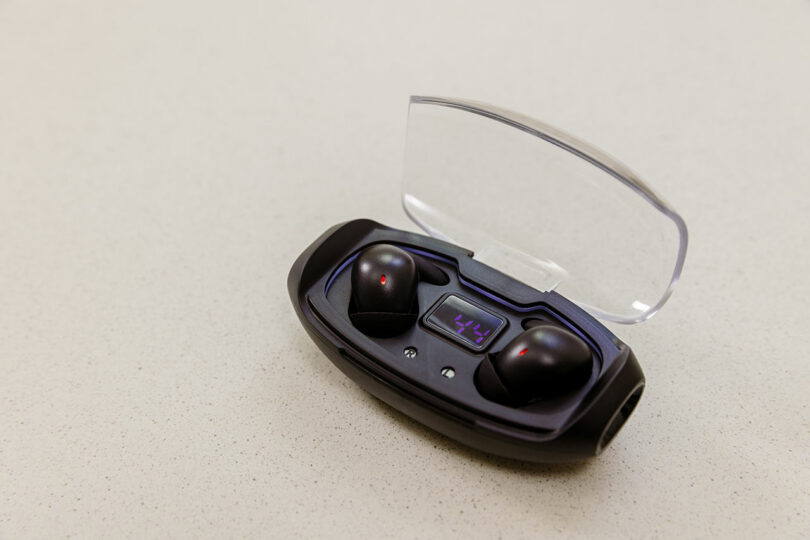
One often-overlooked feature is "occlusion effect" management. This is the "plugged" feeling you get when your ear is sealed shut, making your own breathing sound incredibly loud. High-quality sleep buds feature tiny pressure-relief vents that allow for air exchange without letting in external noise, preventing that claustrophobic feeling.
How to Sleep Comfortably with Earbuds: Pro Tips
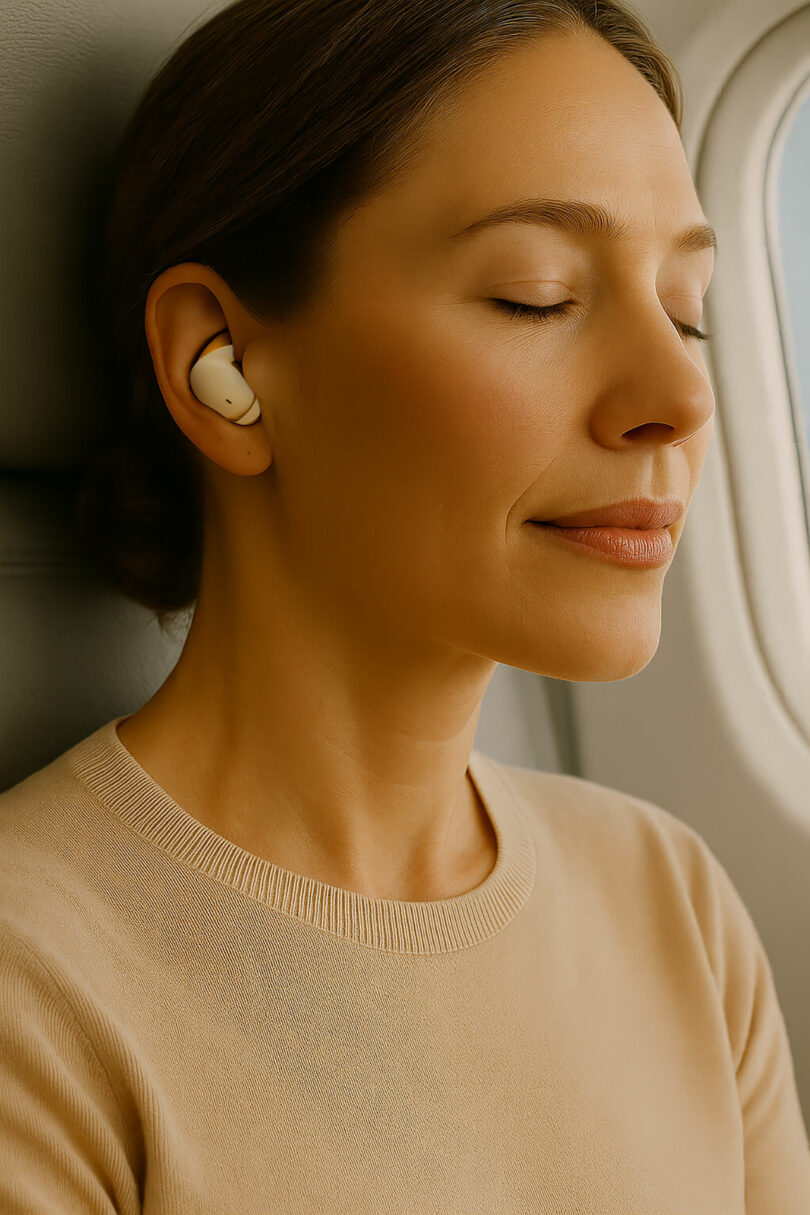
Even with the best ergonomic earbuds, your choice of bedding and your sleep hygiene play a role in your comfort.
- The "Doughnut" Pillow Strategy: If you find that even low-profile buds cause a bit of pressure, consider a memory foam pillow with a center indentation or a "ear hole" cutout. These pillows are designed specifically for side sleepers and provide a "nest" for the earbud to sit in without touching any surface.
- Accessibility Settings (Mono vs. Stereo): If you only sleep on one side and find it uncomfortable to wear two earbuds, go into your smartphone's accessibility settings and switch audio to "Mono." This ensures you hear all the layers of your sleep music or podcast through a single bud.
- Hygiene & Maintenance: Sleeping with earbuds increases the temperature and moisture in your ear canal, which can lead to wax buildup or infection. Make it a habit to wipe down the silicone tips with a non-alcoholic sanitizing wipe every morning and let them air-dry before placing them back in the charging case.

The Safety Checklist: Volume and Pressure
As an editor in the smart home space, I always emphasize safety. While sleep earbuds are a godsend for rest, they must be used responsibly:
- Monitor Decibels: Long-term exposure to noise above 70-80 decibels can cause permanent hearing loss. Most dedicated sleep apps now include a "Safe Volume" limiter. Use it.
- Pressure Check: If you wake up with redness or a "sore" feeling that lasts more than 10 minutes, your ear tips are likely too large. Switch to a smaller size; a sleep earbud should stay in place via the concha ridge, not by being wedged tightly into the canal.
- Alarm Transparency: Ensure your earbuds have an "Alarm Passthrough" feature or that your phone's alarm is set to play through both the buds and the phone speakers. You don't want to sleep so soundly that you miss your morning meeting!
FAQ
Q: Can I use regular AirPods for side sleeping? A: While some people do, it's generally not recommended. The "stem" design of standard AirPods creates a significant lever effect. When you press your head against a pillow, the stem pushes the tip deeper into your ear canal, which can cause irritation or even minor bruising over time.
Q: Do sleep earbuds block out 100% of snoring? A: No device can block 100% of sound (bone conduction still carries some vibration), but the combination of ANC and noise masking in 2026 models can reduce the perceived volume of snoring by up to 75-85%, making it a distant, non-intrusive hum.
Q: How often should I replace the tips? A: For optimal hygiene and seal, silicone tips should be replaced every 3-6 months, and memory foam tips every 2 months, as they tend to lose their elasticity and become porous over time.
Conclusion
The evolution of sleep technology has finally addressed the unique needs of the side sleeper. By prioritizing anatomical fit—specifically focusing on the incisura and concha ridge—and keeping weights below the 3-gram mark, brands like Anker, Ozlo, and Openhagen have turned a painful struggle into a nightly luxury.
If you’ve been living in a state of sleep-deprived frustration, investing in a pair of dedicated, low-profile sleep earbuds isn't just a tech purchase; it's an investment in your health. Find the pair that fits your specific "noise environment," pair them with a supportive memory foam pillow, and finally rediscover what it feels like to wake up without an aching ear.