Quick Facts
- 65-inch 4K Distance: 6.5 to 10 feet recommended for optimal clarity.
- 75-inch 4K Distance: 7.5 to 12 feet recommended for cinematic immersion.
- Standard Height: 42 inches from the floor to the screen center for neutral neck posture.
- Immersion Angle: 30 to 40-degree field of view based on THX/SMPTE standards.
- Furniture Rule: Sofa length should ideally be 2/3 of the length of the wall it sits against.
- Clearance: Maintain a 30-36 inch walkway behind or around seating for natural circulation paths.
The optimal tv viewing distance depends on screen size and resolution; for a 65-inch 4K TV, a distance of 6.5 to 10 feet is recommended to ensure a 30 to 40-degree field of view without causing eye strain. This balance allows you to enjoy the full detail of high-definition content while maintaining a comfortable living room layout tv couch distance.
The Science of Resolution: 4K vs. 1080p Distance
Achieve the perfect home theater setup by mastering the balance between tv viewing distance and room ergonomics. Whether you are optimizing a 65-inch 4K screen or a massive 75-inch display, the right seating distance is the difference between eye strain and true cinematic immersion. In the world of interior styling, the screen is often the focal point design of the modern living room, but its technical specifications dictate how the rest of the furniture must behave.
The transition from 1080p to 4K resolution has fundamentally changed how we calculate space. A 1080p screen contains roughly 2 million pixels, whereas a 4K Ultra HD display boasts 8.3 million pixels. This increased pixel density means you can sit significantly closer to a larger screen without seeing the individual building blocks of the image. For 4K Ultra HD televisions, the recommended viewing distance is typically between 1 and 1.5 times the screen's diagonal measurement, allowing viewers to sit closer without discerning individual pixels.

When calculating tv viewing distance for 4k vs 1080p, the older 1080p sets require a 1.5 to 2.5x multiplier to hide pixelation. This means a 65-inch 1080p TV would require you to sit at least 8 feet away, whereas a 4K version of the same size remains crystal clear even at 5.5 feet. This technical flexibility is a godsend for small living room tv viewing distance tips, as it allows for larger screens in tighter quarters without compromising visual acuity.
The Ultimate TV Viewing Distance Chart (2026 Edition)
Finding the sweet spot for your seating requires looking at two industry benchmarks. The Society of Motion Picture and Television Engineers (SMPTE) recommends a minimum viewing angle of 30 degrees for general daily use. For those seeking home theater immersion, THX specifies an optimal viewing angle of 40 degrees to create a more immersive cinematic experience.
The following tv viewing distance chart summarizes the ideal ranges for the most popular modern screen sizes, focusing on 4K resolution:
| TV Size (Diagonal) | Ideal Distance Range (Feet) | THX Standard (40° Angle) | SMPTE Standard (30° Angle) |
|---|---|---|---|
| 55-inch | 5.5 - 8.0 ft | 5.6 ft | 7.5 ft |
| 65-inch | 6.5 - 10.0 ft | 6.6 ft | 8.9 ft |
| 75-inch | 7.5 - 11.5 ft | 7.7 ft | 10.2 ft |
| 85-inch | 8.5 - 13.0 ft | 8.7 ft | 11.6 ft |
| 115-inch | 11.5 - 17.5 ft | 11.7 ft | 15.8 ft |
The 65 inch tv optimal viewing distance generally lands right at 6.6 feet for movie enthusiasts, while 9 feet is perfect for mixed use like gaming and news. If you are working with a larger footprint, the 75 inch tv viewing distance should be anchored around 7.7 to 10 feet. If your current layout places your sofa 12 feet away from a 65-inch screen, you are likely losing the benefit of the 4K resolution, as your eyes cannot resolve the fine details at that range.
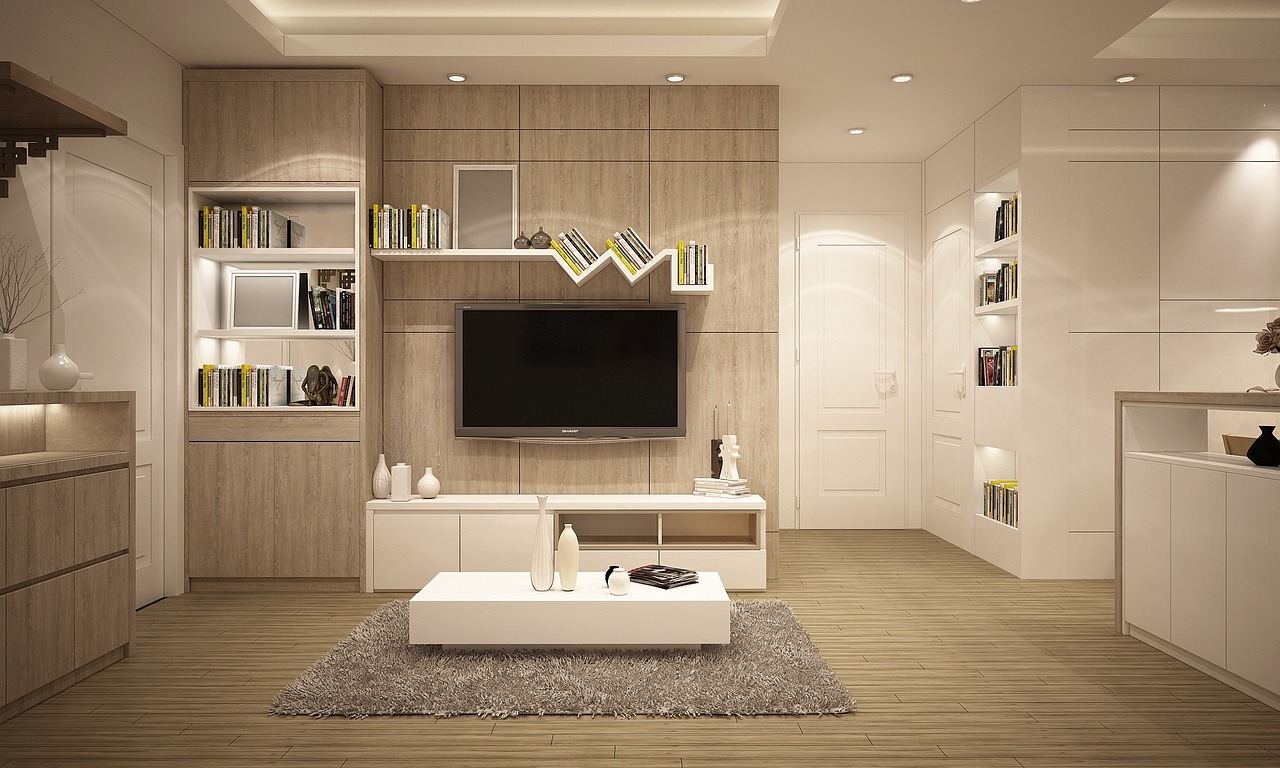
Ergonomics Beyond Distance: Height and Angle
While tv size by viewing distance is the most discussed metric, vertical placement is equally critical for long-term comfort. The most common mistake in living room design is mounting the television too high—often referred to as the "TV over the fireplace" trap. This forces the viewer to tilt their head upward, leading to significant neck strain and discomfort over time.
Ergonomic standards for living room layouts suggest that the center of the TV screen should be positioned at the viewer's seated eye level, which is approximately 42 inches from the floor for the average person. Achieving this ensures a neutral neck posture. If you must mount the screen higher due to architectural constraints, ensure the mount allows for a downward tilt. Designers recommend keeping the vertical viewing angle within a 15-degree limit to protect eye health and comfort.

Sightline optimization isn't just about the vertical plane; it involves horizontal viewing angle considerations too. Ideally, your primary seating should be directly in front of the screen. If your layout requires off-center seating, try to keep the angle within 30 degrees of the center to avoid color distortion and contrast loss, which are common in many LED panels. Focusing on these ergonomic tv height and distance factors will significantly aid in eye strain prevention during those long weekend binge-watches.
Living Room Layout: Positioning for Flow and Immersion
As an editor, I often see rooms where the sofa is pushed against the far wall, creating a massive, empty "no-man's land" in the center of the room. This almost always results in a tv viewing distance that is too far for the screen size. One of the most effective ways to fix this is to implement a floating layout. By pulling your sofa 2 to 3 feet away from the wall, you can achieve the 65-inch tv viewing distance you need while simultaneously improving the room's spatial flow.
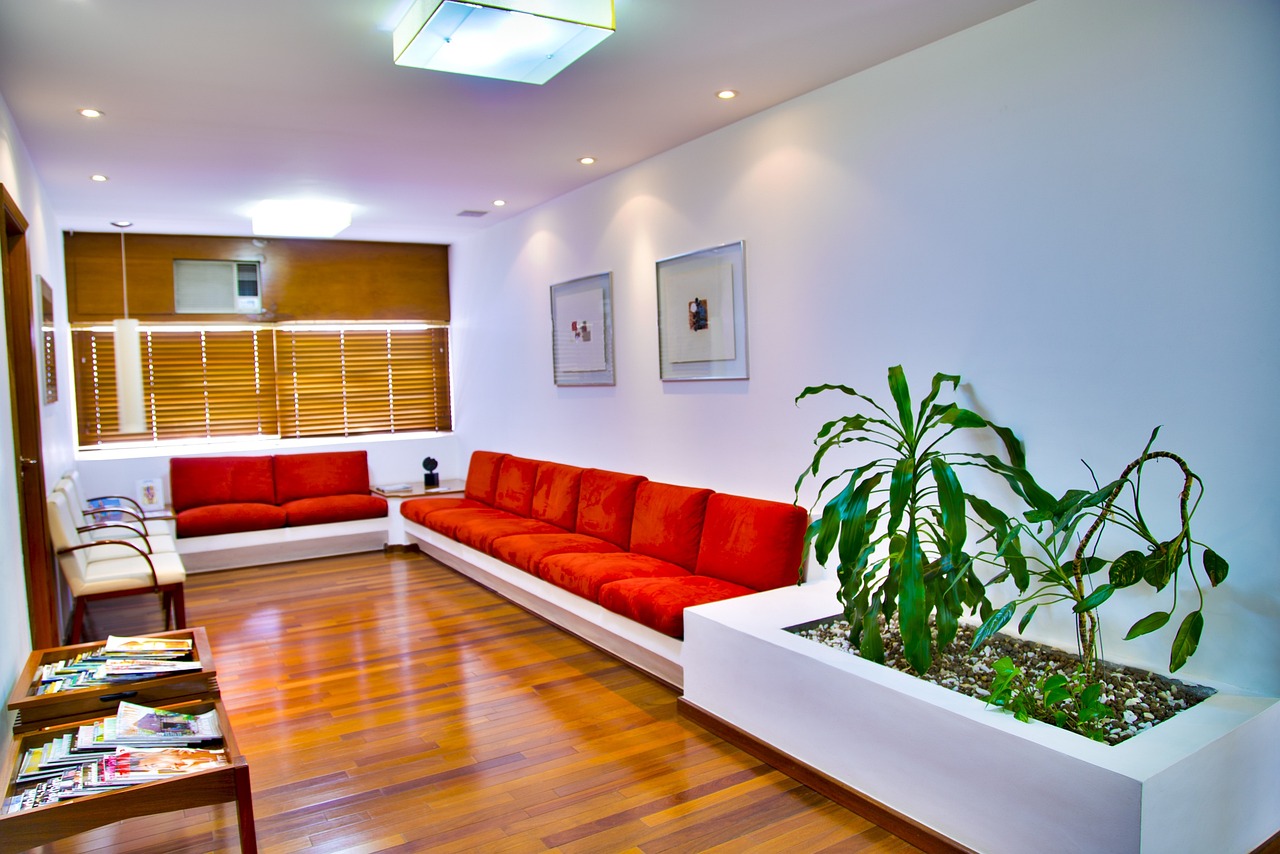
When positioning furniture, adhere to the 2/3 Rule: the length of your sofa should be roughly two-thirds the length of the wall it is paralleling. This maintains visual balance and prevents the furniture from overwhelming the space. Additionally, consider circulation paths. There should always be at least 30 to 36 inches of walkway clearance behind seating or between the coffee table and the media console placement. This ensures that the room feels open and breathable rather than cramped.
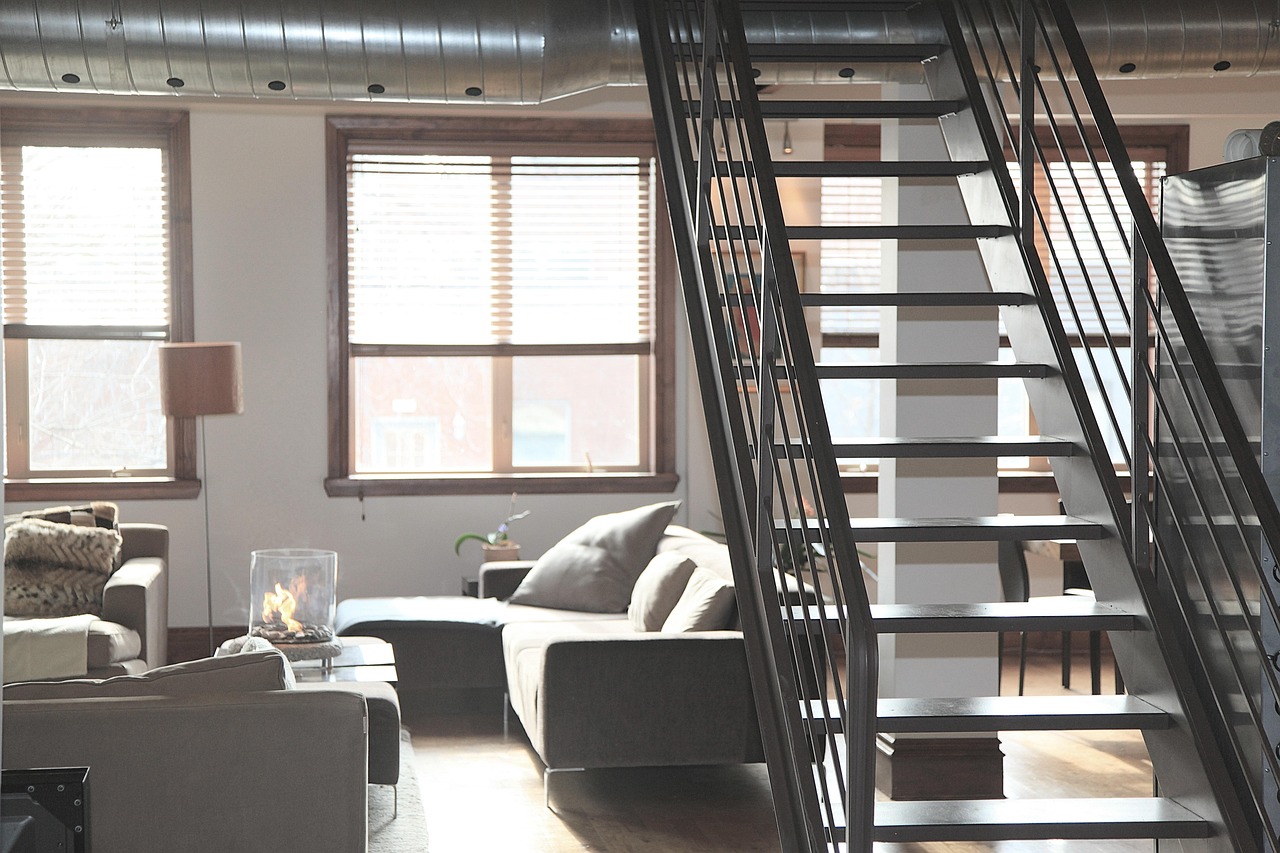
In open-plan designs, use the back of the sofa as a divider to define the media zone. This helps the TV area feel like a dedicated nook rather than an afterthought. If you are struggling with glare, observe how light hits your screen throughout the day. Avoid placing the TV directly opposite a large window unless you have high-quality blackout curtains. Positioning the screen perpendicular to windows is usually the best compromise for maintaining a bright room without sacrificing screen visibility.
FAQ
How far should you sit for a 65 inch TV?
For a 65-inch 4K TV, the ideal distance is between 6.5 and 10 feet. If you want a theater-like experience, aim for the closer end of that range (around 6.6 feet) to fill more of your field of view.
How far away can I watch a 55 inch TV?
A 55-inch TV is best viewed from 5.5 to 8 feet away. If your room layout forces you to sit 10 feet or further away, you might want to consider upgrading to a 65 or 75-inch screen to maintain immersion.
What size TV is best for your eyes?
The "best" size is the one that fits your viewing distance. Eye strain is usually caused by sitting too close to a low-resolution screen or sitting too far and squinting to see details. A 65-inch 4K TV viewed from 8 feet is generally very comfortable for the average person.
What happens if you sit too far away from a 4K TV?
If you sit beyond the recommended distance—for example, 12 feet away from a 55-inch 4K TV—your eyes lose the ability to distinguish the extra detail 4K provides. At that distance, the image will look no different than a standard 1080p high-definition screen.
Is a 65 TV too big for my room?
A 65-inch TV is rarely too big for a standard living room provided you have at least 6 feet of clearance. Because 4K resolution allows for closer viewing, modern large screens can fit comfortably in rooms where older, bulkier TVs would have felt overwhelming.
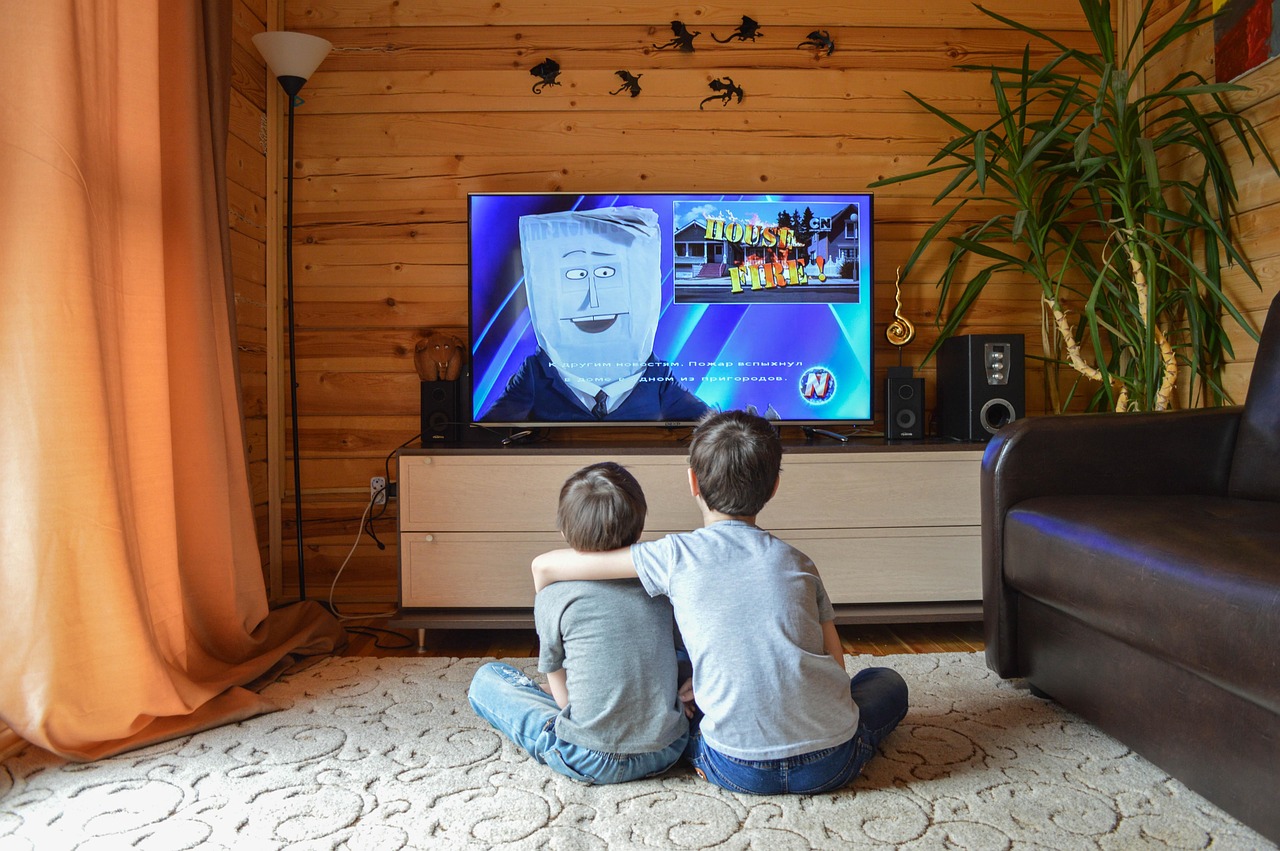
Before you commit to a new television or a permanent wall mount, I highly recommend using painter's tape to outline the screen size on your wall. Measure your distance, pull your sofa into a floating position, and ensure your neck feels relaxed at that 42-inch height. A little bit of planning today prevents a literal headache tomorrow.