Quick Facts
- Lifespan Potential: Routine annual professional maintenance can extend an HVAC system's lifespan from a standard 10–15 years to 20 or more years.
- Energy Savings: Replacing a dirty or clogged air filter can reduce an air conditioner’s energy consumption by 5% to 15%.
- Reduced Risk: Implementing professional preventive maintenance can reduce the risk of an HVAC system experiencing a critical breakdown by up to 95%.
- Optimal Filtration: Using filters with MERV ratings between 7 and 13 offers the best balance for most residential cooling systems.
- Maintenance Costs: Professional annual tune-ups generally range between $75 and $200, which is significantly lower than the cost of emergency compressor repairs.
- Filter Frequency: Depending on your environment and if you have pets, filters should be checked every 14 days and replaced at least every 90 days.
To extend the lifespan of an air conditioning unit, homeowners should prioritize regular filter cleaning or replacement every 14 days to 12 months depending on usage and environment. Deep cleaning evaporator and condenser coils annually helps optimize airflow and cooling capacity. Additionally, ensuring proper drainage for window or portable units and using weatherstripping or blackout curtains reduces the overall strain on the system during an ac maintenance routine.
Maintaining your air conditioning system is the difference between a 10-year lifespan and a 20-year cooling powerhouse. By following professional ac maintenance routines, you can reduce energy bills by 15% and avoid 95% of critical breakdowns. This guide covers how to extend ac lifespan through four expert-verified strategies, from airflow optimization to proper seasonal tune-ups. Whether you are managing a central unit or a portable setup, understanding these principles will save you money and reduce your household's carbon footprint.
Tip 1: Optimize Airflow and Filtration Standards
Airflow is the lifeblood of any cooling system. When airflow is restricted, your system has to work twice as hard to move air through the home. This puts immense pressure on the blower motor and significantly reduces the cooling capacity of the unit. As an editor specializing in energy efficiency, I often see homeowners make the mistake of choosing the most expensive, dense filter possible, thinking it provides better air. However, if the filter is too restrictive, it can actually damage your system.
Your ac unit maintenance checklist should always start with the filter. For most residential systems, a MERV rating between 7 and 13 is the sweet spot. A filter below a 7 allows too much dust to bypass and settle on the evaporator coils, while a filter above 13 can act like a wall, causing the motor to overheat. Check your filter every two weeks if you have pets or live in a dusty area. A simple visual check is enough: if you can't see light through the mesh, it is time for a change.
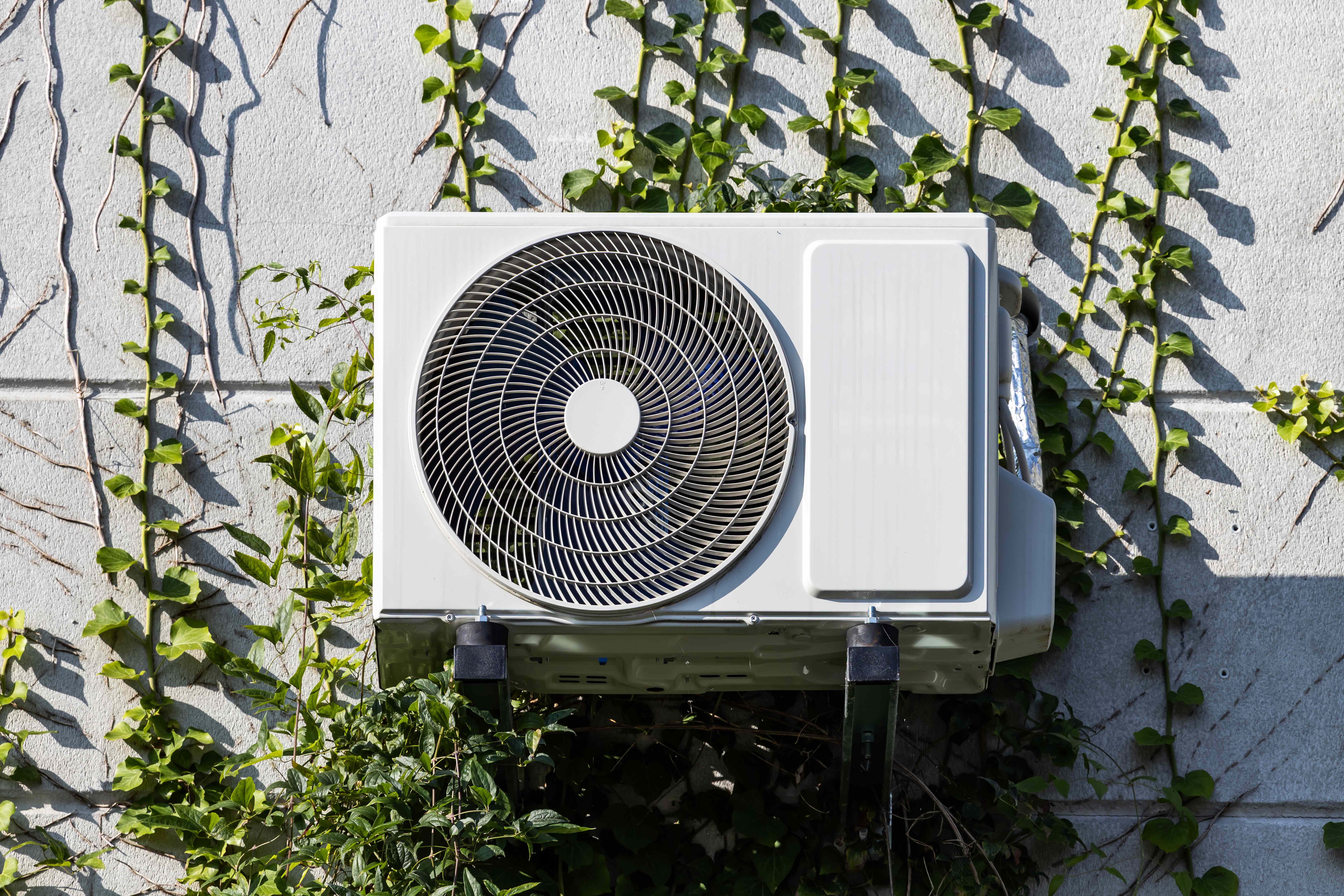
Outdoor units require breathing room as well. Part of your ac condenser maintenance should involve checking the area surrounding the outdoor compressor. Ensure there is a 2-3 foot clearance on all sides of the unit. Foliage, tall grass, or stored outdoor furniture can block the intake, forcing the unit to recycle hot air. This causes heat to build up inside the compressor, which leads to premature component failure. Every spring, I recommend taking a soft brush to the fins of the condenser to remove cottonwood seed or grass clippings that have naturally accumulated. This simple air conditioner maintenance diy task ensures the heat exchange process stays efficient.
Tip 2: Implement Sensory Diagnostics (Look, Listen, Smell)
You do not need to be a licensed technician to perform basic diagnostics. Often, the early signs of a system failure are detectable through your basic senses long before the thermostat stops working. By paying attention to these signals, you contribute to significant utility bill reduction by catching small issues before they snowball into energy-draining disasters.
- Look: Check the condensate drain line regularly. If you see water pooling around the base of your indoor unit, or if the overflow pan is full, the drain is likely clogged. In window units, ensure there is a slight outward tilt so water drains toward the exterior. Also, keep an eye on the evaporator coils; if you see frost or ice forming, it usually signifies a refrigerant leak or severe airflow restriction.
- Listen: A well-maintained AC should hum with a consistent, low-level drone. If you hear grinding, squealing, or persistent clicking, these are red flags. Grinding often points to worn-out bearings in the motor, while clicking could indicate an electrical relay failing. Identifying these sounds early is a core part of what does ac maintenance include for a proactive homeowner.
- Smell: If the air coming from your vents smells like "dirty socks," you likely have bacterial or mold growth on your coils. If you smell something acrid or like electrical burning, shut the system off immediately at the breaker. This is often a sign of a failing capacitor or wires that are shorting out due to vibration.
Incorporating these checks into your monthly routine enhances your energy efficiency efforts. An AC that is struggling against a clogged drain or a failing motor will consume significantly more power, driving up your monthly costs while shortening the hardware's life.
Tip 3: Tailor Care to Your System Type (Central vs. Window vs. Split)
Not all air conditioners are built the same, and your approach should vary based on the hardware you own. If you have a central ac system maintenance plan, your primary focus beyond the filter should be the ductwork. Leaky ducts can waste up to 30% of your cooling energy before it even reaches your rooms. Look for disconnected joints in your attic or crawlspace and seal them with mastic sealant rather than standard duct tape, which tends to fail over time due to heat.
For those using window ac maintenance strategies, the focus shifts to portability and moisture. These units are prone to mold because they sit in windows where humidity can easily trap against the frame. At the end of every season, remove the unit, clean the chassis, and ensure the accordion side panels are airtight using fresh weatherstripping. This prevents the "leakage" of cooled air, which keeps your room temperature steady without the compressor cycling on and off constantly.
Homeowners with mini-splits need to be even more diligent. Because split system ac maintenance involves units that are often mounted high on walls, their filters are smaller and clog faster. I recommend cleaning the indoor head filters every two weeks during periods of heavy use. Also, consider upgrading to a smart thermostat that is compatible with your specific system. Smart controls can optimize cooling cycles based on your actual presence in the room, further reducing the mechanical strain on the compressor and extending the overall lifespan of the system.
Tip 4: Protect Your Warranty with Professional Inspections
While the DIY tips mentioned above are vital, some tasks are best left to the experts. In fact, many people don't realize that failing to document annual service can actually void their manufacturer warranty. Protecting your investment requires a balance of homeowner care and professional oversight.
A professional inspection involves checking the refrigerant charge and cleaning the deep interior of the condenser coils with specialized chemicals. Technicians also test the electrical components, such as the capacitors and contactors, which are the most common points of failure during a heatwave.
Expert Alert: Under the Magnuson-Moss Warranty Act (15 U.S. Code § 2304), manufacturers may require you to perform regular maintenance to keep a warranty valid. If a compressor fails and you have no records of professional hvac maintenance, the manufacturer may deny your claim, leaving you with a multi-thousand-dollar repair bill.
DIY vs. Professional Maintenance Comparison
| Maintenance Task | DIY Effort | Professional Task | Purpose |
|---|---|---|---|
| Filter Management | Replace every 30-90 days | Inspect for duct issues | Maximize airflow & energy savings |
| Coil Cleaning | Surface dust removal | Deep chemical cleaning | Ensure efficient heat transfer |
| Drainage | Clear debris from drain line | Flush with antimicrobial | Prevent water damage & mold |
| Electrical Controls | Visual inspection of wires | Test capacitor & contactor | Prevent sudden electrical failure |
| Refrigerant Levels | Not Recommended (Illegal/Unsafe) | Pressure & leak testing | Maintain cooling capacity |
Scheduling an annual tune-up in the early spring, before the peak cooling season begins, is the best way to ensure your system is ready for the heat. It allows a technician to catch "wear and tear" issues while parts are in stock and prices are standard, rather than waiting for an emergency call in July.
FAQ
What maintenance should be done on an AC unit?
Comprehensive maintenance includes cleaning or replacing the air filters, clearing debris from the outdoor condenser unit, and checking the condensate drain line for clogs. Owners should also inspect the insulation on refrigerant lines and ensure the thermostat is working correctly. A professional should handle tasks like checking refrigerant levels, tightening electrical connections, and cleaning the evaporator coils.
What is the $5000 AC rule?
The $5000 rule is a formula used to decide whether to repair or replace an aging AC unit. You multiply the age of the unit by the cost of the repair. If the total exceeds $5,000, it is generally considered more cost-effective to replace the unit with a newer, high-efficiency model. For example, a $600 repair on a 10-year-old unit equals $6,000, suggesting a replacement might be the smarter long-term investment.
How often should your AC be maintained?
Homeowners should perform basic tasks like filter checks every 30 to 90 days. However, a professional hvac maintenance visit should occur at least once a year, preferably in the spring. If you live in a coastal area with salt air or a region with year-round cooling needs, semi-annual professional inspections are recommended to prevent corrosion and excessive wear.
What is the average lifespan of an AC unit?
A central AC system typically lasts between 10 and 15 years. Window units and portable models generally have a shorter lifespan of five to seven years. However, with consistent care and professional tune-ups, a high-quality central system can often last 20 years or more. Premium mini-split systems usually fall into the 10 to 15-year range.
Can I clean my AC by myself?
Yes, you can safely perform surface cleaning by vacuuming the dust off the indoor vents and using a garden hose (on low pressure) to rinse dust and leaves off the outdoor condenser fins. You can also replace filters and clear the drain line. However, you should never attempt to open the refrigerant system or handle high-voltage electrical components, as these require specialized tools and EPA certification.
By integrating these four expert tips into your home management routine, you move beyond mere repairs and into the territory of sustainable home ownership. Extending the life of your AC isn't just about saving the $5,000 to $10,000 cost of a new system; it is about ensuring your home remains a high-efficiency sanctuary for years to come. Take a look at your filter today—it is the simplest step you can take toward a cooler, more cost-effective summer.