Quick Facts
- Best for Allergies: Levoit Core 400S featuring medical-grade H13 HEPA filtration.
- Best for Large Rooms: Coway Airmega AP-1512HHS for high airflow and dust capture.
- Best for VOCs: Mila Air 3 with customized heavy sorbent carbon bed options.
- Best Budget Value: AirFanta 3Pro for the highest PM1 CADR per dollar spent.
- Clinical Benchmark: Target between 4.8 and 5.0 Air Changes per Hour (ACH) for symptom relief.
- Maintenance Goal: Look for units with a washable pre-filter to extend the life of expensive HEPA media.
To choose the best air purifier for allergies, prioritize models with medical-grade H13 HEPA filtration and high Clean Air Delivery Rates (CADR). For neutralizing VOCs or managing new-home outgassing, look for units with at least 250g of activated carbon mass to ensure sufficient dwell time for chemical adsorption.
| Model | Carbon Mass | ACH Rating | Filter Longevity | Use Case |
|---|---|---|---|---|
| Levoit Core 400S | Standard | 5.0 (403 sq ft) | 6-12 Months | Allergies / Bedroom |
| Coway AP-1512HHS | Specialized | 4.8 (325 sq ft) | 12 Months | Dust / Open Plan |
| Mila Air 3 | High (>250g) | 4.2 (1000 sq ft) | 6 Months | VOCs / Chemicals |
| Shark NeverChange | Low | 4.0 (1300 sq ft) | 5 Years | Low Maintenance |
Best Air Purifier for Allergies and Pet Dander
When selecting the best air purifier for bedroom use to combat seasonal allergies, the H13 medical-grade HEPA standard is your most important metric. These filters are rigorously tested to ensure they remove at least 99.97% of airborne particles as small as 0.3 microns, which easily covers common irritants like pollen grain capture and mold spores. For those suffering from itchy eyes or congestion, the device should achieve at least 4.8 air changes per hour. This frequency ensures that even if you open a door or window briefly, the particulate load is scrubbed before it can settle into bedding or carpets.
The Levoit Core 400S is a standout in this category because it balances high-efficiency filtration with an ultra-quiet sleep mode. Effective pet dander neutralization requires consistent airflow, and the Levoit uses a 360-degree intake to pull in hair and dander from every angle. If you are specifically looking for the best air purifier for pets, remember that pet dander is often heavier than pollen; placing the unit on the floor rather than a shelf helps capture these larger particles before they drift into your breathing zone.
Maintenance Insight: Check your HEPA filter every month if you have shedding pets. Even if the sensor says the filter is clean, a layer of fur on the exterior can restrict airflow and lower your actual ACH significantly.

Skip if: You have a massive open-concept living room exceeding 600 square feet; you will need a higher CADR unit to maintain clinical-grade air exchange.
Tackling Dust: High CADR for Large Living Areas
Dust management is a game of volume. To find the best air purifier for dust, you need a high Clean Air Delivery Rate (CADR) to keep particles suspended in the air long enough to be caught by the filter. In a best air purifier for large living room scenario, the Coway Airmega AP-1512HHS excels because of its powerful fan motor and efficient pathing. Integrated laser particle sensors are critical here; they detect spikes in particulate matter from activities like vacuuming or folding laundry and automatically ramp up the fan speed to compensate.
While kitchen hoods handle most smoke, the best air purifier for kitchen odors and fine kitchen grease aerosols acts as a secondary defense. Units like the Shark NeverChange are designed to handle high volumes of ambient air, catching the fine dust that escapes regular cleaning. When placing a unit for dust reduction, keep it at least two feet away from walls and furniture to allow for unobstructed 360-degree air circulation.

Skip if: You primarily care about chemical smells or woodsmoke; the standard filters in high-CADR dust units often lack the carbon weight needed for heavy gas-phase filtration.
Solving the VOC Crisis: Chemical and Odor Mitigation
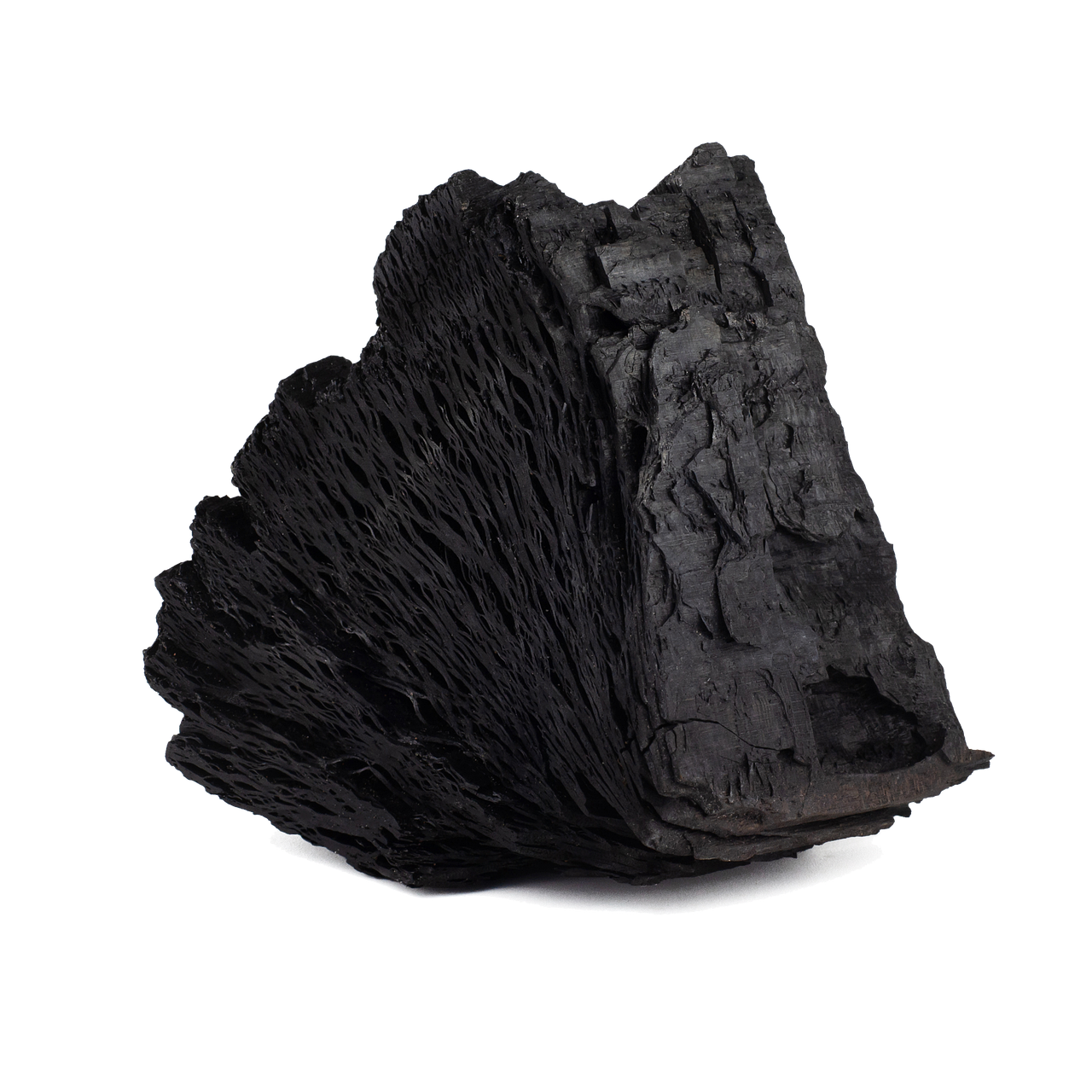
Most off-the-shelf air purifiers perform poorly against Volatile Organic Compounds (VOCs) because they use a thin, carbon-coated mesh rather than a proper sorbent carbon bed. For formaldehyde mitigation in new constructions or removing strong cooking smells, gas-phase filtration requires significant dwell time. This means the air must move slow enough through a thick enough layer of carbon for the chemical molecules to be adsorbed.
The Mila Air 3 remains a top recommendation for those seeking the best air purifier for vocs and chemicals because it offers customizable filters with substantial activated carbon mass. If you are dealing with paint fumes, new furniture outgassing, or persistent kitchen odors, look for a filter weight of at least 250g. Without this mass, the carbon becomes saturated within weeks, losing its ability to protect the household from invisible chemical threats.
Pro Tip: If you live in an area prone to seasonal events, ensure your unit is capable of wildfire smoke protection. This requires both a HEPA filter for the ash particles and a heavy carbon filter for the toxic gases accompanying the smoke.
Total Cost of Ownership: Maintenance and Energy
When searching for the best budget air purifier under 300, many consumers overlook the long-term costs. A cheaper unit might have a higher PM1 CADR, but if the replacement filters cost $80 every four months, the "budget" title disappears quickly. The AirFanta 3Pro is a disruptive entry in this space, offering professional-level performance at a fraction of the price by focusing on raw hardware rather than aesthetic design.
Similarly, the Shark NeverChange series attempts to solve the maintenance hurdle with filters claimed to last up to five years. While this reduces the total cost of ownership, users must still be diligent about cleaning the permanent pre-filters. Energy consumption also varies; a unit running 24/7 at 50W can add significantly to your monthly utility bill compared to a high-efficiency DC motor drawing only 12W.

Maintenance Insight: High-efficiency units often use laser sensors that can get "blinded" by dust over time. Every six months, use a can of compressed air to gently clear the sensor port to ensure the best air purifier with hepa filter continues to read air quality accurately.
FAQ
What air purifier do consumer reports recommend?
Consumer Reports typically favors models that demonstrate high CADR for both dust and smoke while remaining quiet at low speeds. Brands like Blueair and Coway frequently rank at the top of their testing due to their consistent performance across various particle sizes and their durability over long-term use.
What is the most highly recommended air purifier?
The Coway Airmega series is broadly considered the most highly recommended air purifier by experts and home editors alike. It consistently wins top spots because it combines a high-quality HEPA filter with an eco-mode that saves energy, making it a "set it and forget it" solution for most households.
Are air purifiers good for COPD patients?
Yes, air purifiers can be significantly beneficial for COPD patients by reducing the total pollutant load on the lungs. By capturing fine particulates, allergens, and irritants like smoke, these devices help minimize the triggers that can lead to flare-ups. However, it is essential to use a unit that does not produce ozone, as ozone is a known lung irritant.
What is the most highly rated air purifier?
In terms of user satisfaction and verified reviews, the Levoit Core series is currently the most highly rated air purifier family. Their success is driven by an accessible price point, an intuitive app for remote monitoring, and reliable H13 HEPA performance that users can actually feel in terms of allergy relief.
Finally, before making a purchase, measure your room's square footage and calculate the air changes based on the manufacturer's CADR rating. Aiming for that 5 ACH sweet spot is the difference between an expensive fan and a life-changing air quality solution.