Quick Facts
- Ritual Duration: 75-minute guided thermal circuit
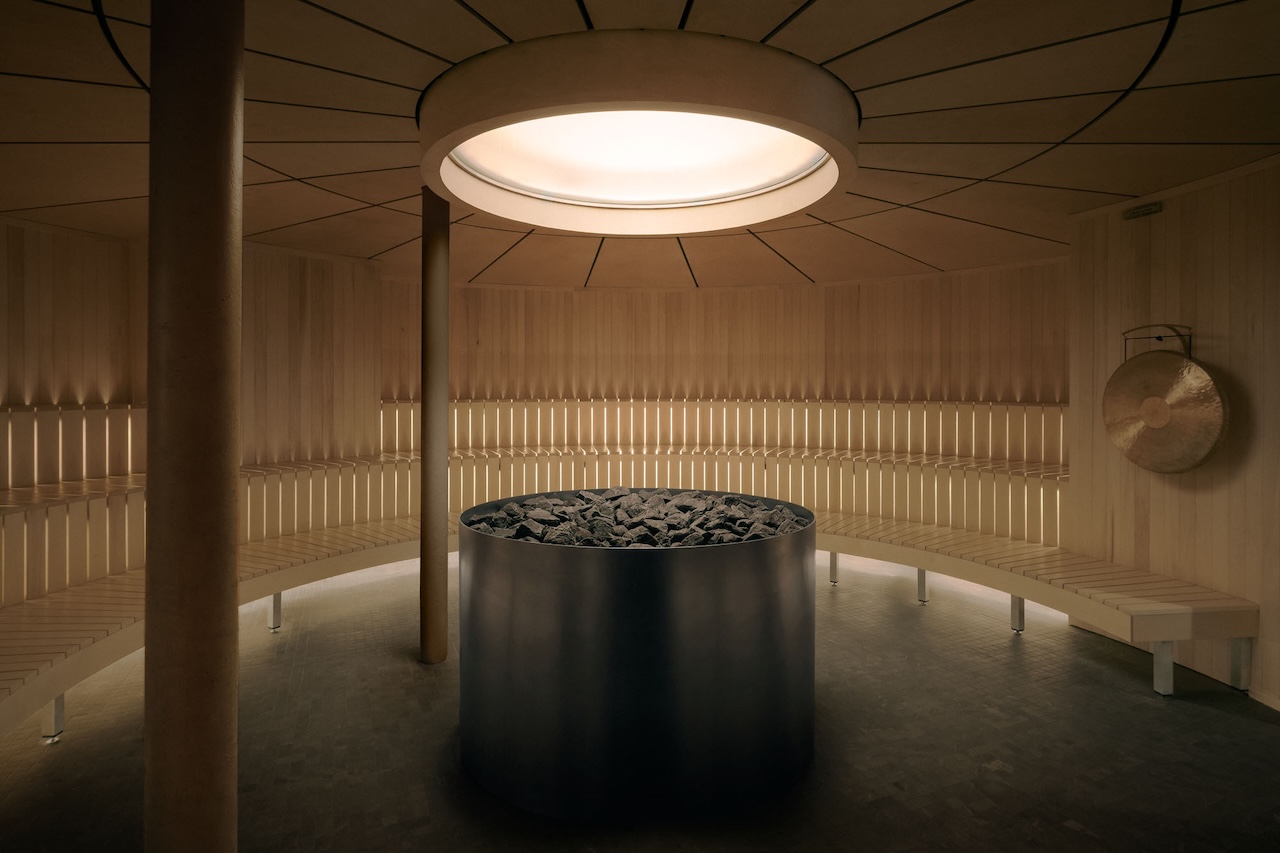
- Sauna Capacity: 50-person coliseum-style circular sauna
- Cold Plunge: 3°C communal pool (12-16 participants)
- Primary Method: Contrast therapy (Heat, Cold, Rest)
- Location: Griffintown, Montreal (4,500 sq ft)
- Core Philosophy: Roman civic logic and social infrastructure
Experience the future of wellness at Montreal's RECESS. This guide explores the communal thermal circuit, combining ancient Roman bathing logic with modern recovery protocols. A thermal circuit is a hydrotherapy protocol involving a structured sequence of heat, cold immersion, and rest. At facilities like RECESS, this 75-minute ritual typically begins with 20 minutes of sauna heat, followed by a two-minute cold plunge and a period of relaxation. This contrast therapy model uses extreme temperature shifts to stimulate the circulatory system and promote metabolic recovery within a communal, social setting.
The Architecture of Stillness: Redefining Social Infrastructure
In the heart of Montreal’s Griffintown, a new kind of urban wellness sanctuary has emerged. For years, the North American spa experience was a solitary, hushed affair. RECESS turns this on its head by embracing social infrastructure. Inspired by the Roman thermae, the space is designed as a civic hub where people come together to heal. This shift is part of a massive global movement; according to the Global Wellness Institute, the global wellness economy reached a value of $6.3 trillion in 2023 and is projected to expand to $9 trillion by 2028.
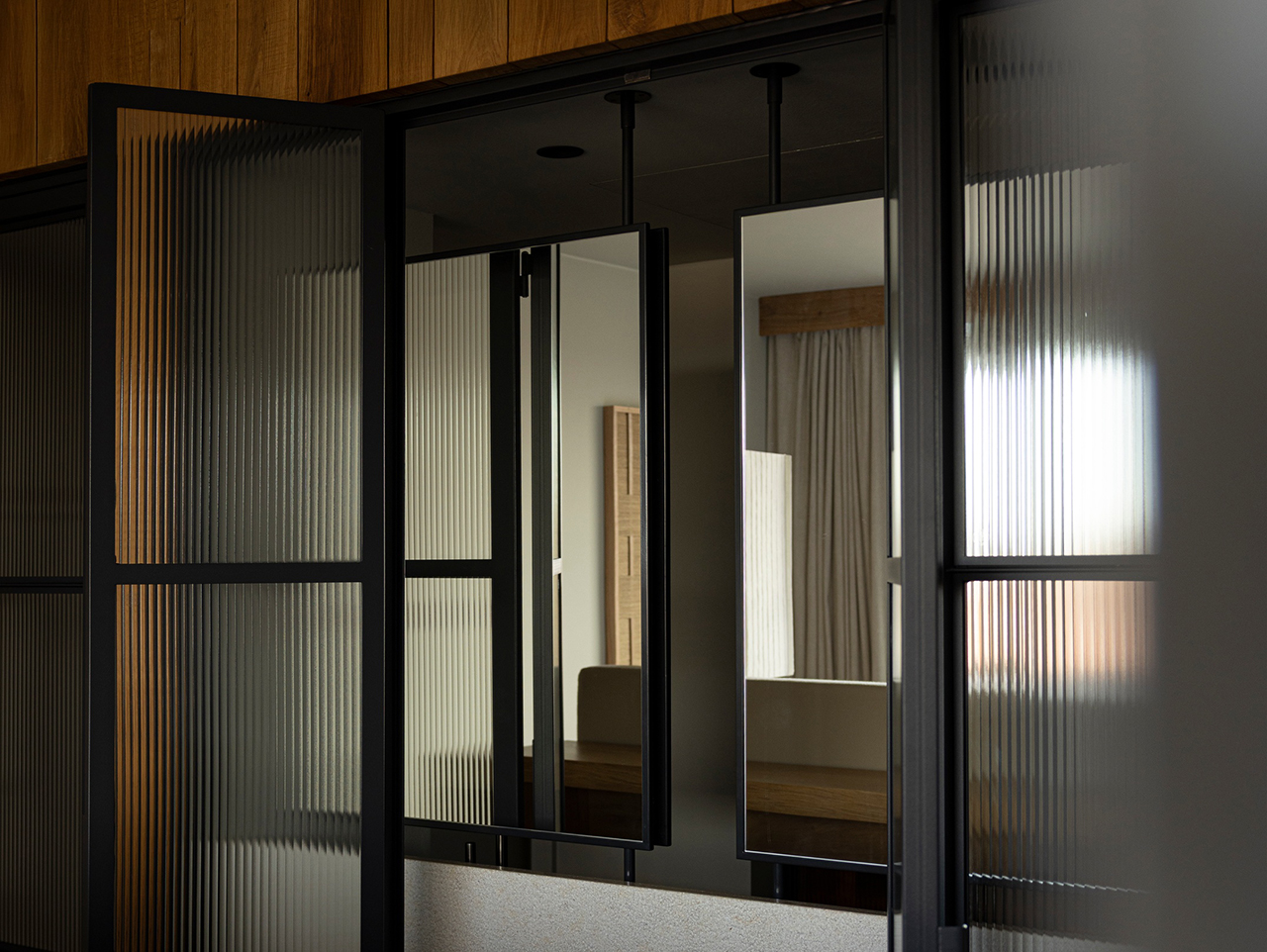
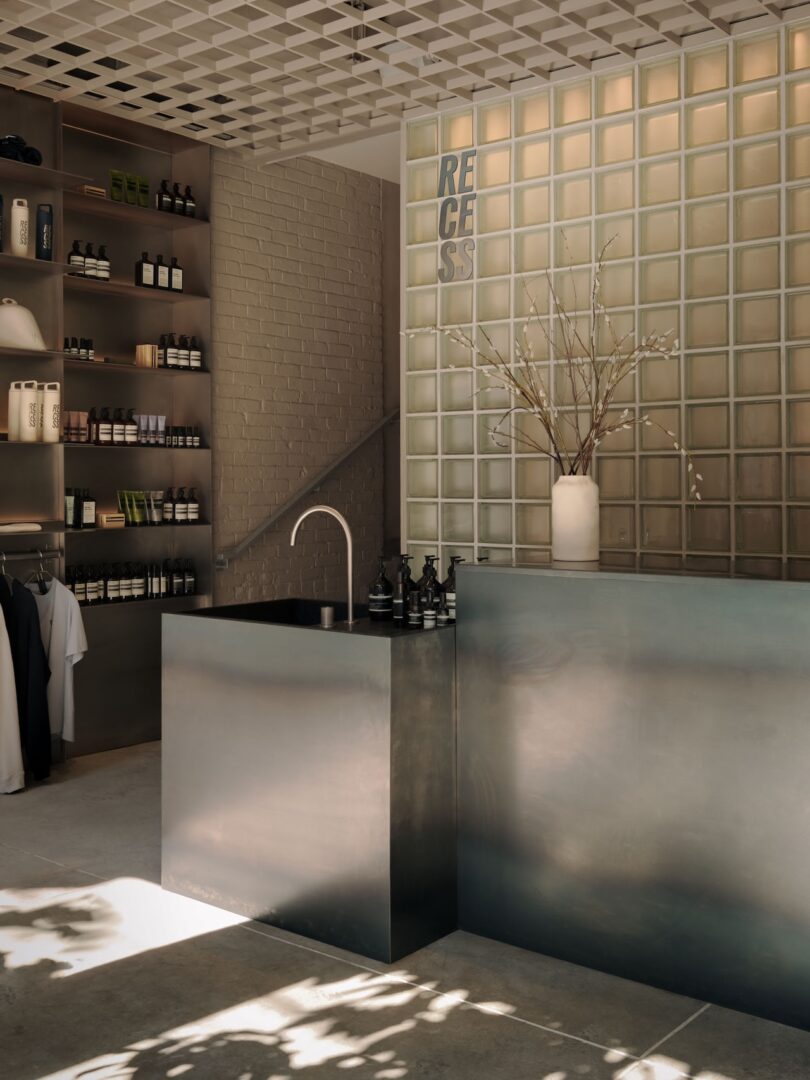
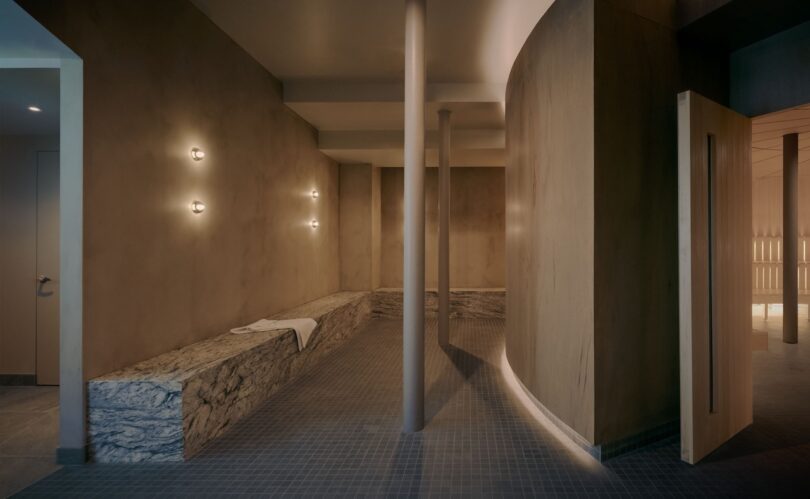
The design by Future Simple Studio creates a spatial choreography that guides you from the noise of the city into a deep sensory decompression. You move through a series of thresholds. At first, the environment feels clinical and sharp, featuring cold-rolled steel and precise geometry. As you move deeper into the wellness area, the materials soften. Warm oak, textured stone, and slate create a grounded atmosphere. This thermal circuit analysis reveals a deliberate transition from the external world to the internal self. It is a social thermal circuit experience where the architecture itself encourages you to slow down and connect with those around you.
The RECESS Protocol: A Step-by-Step 75-Minute Guide
The RECESS experience is built on a 75 minute thermal circuit guide that balances intensity with intentional rest. It follows a rhythmic pattern of compression and release. Whether you are an athlete looking for recovery or an urbanite seeking mental clarity, this hot and cold thermal circuit protocol is designed to reset your baseline.
Step 1: The Heat (Compression)
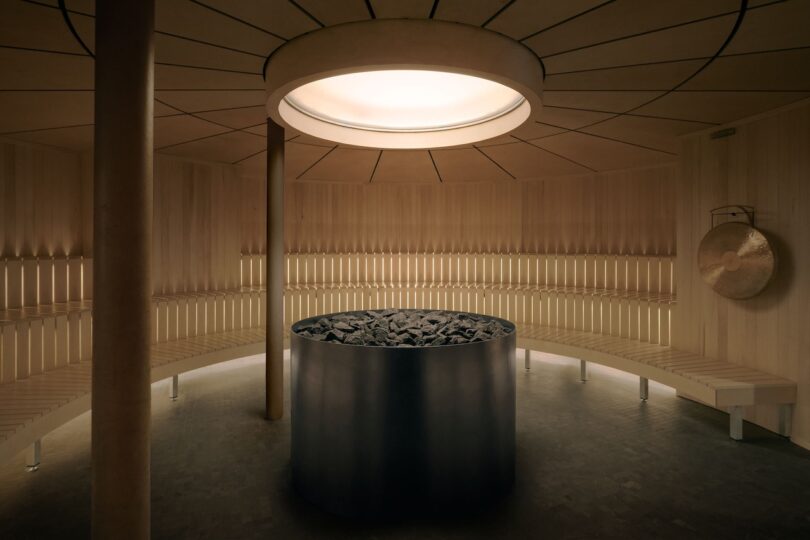
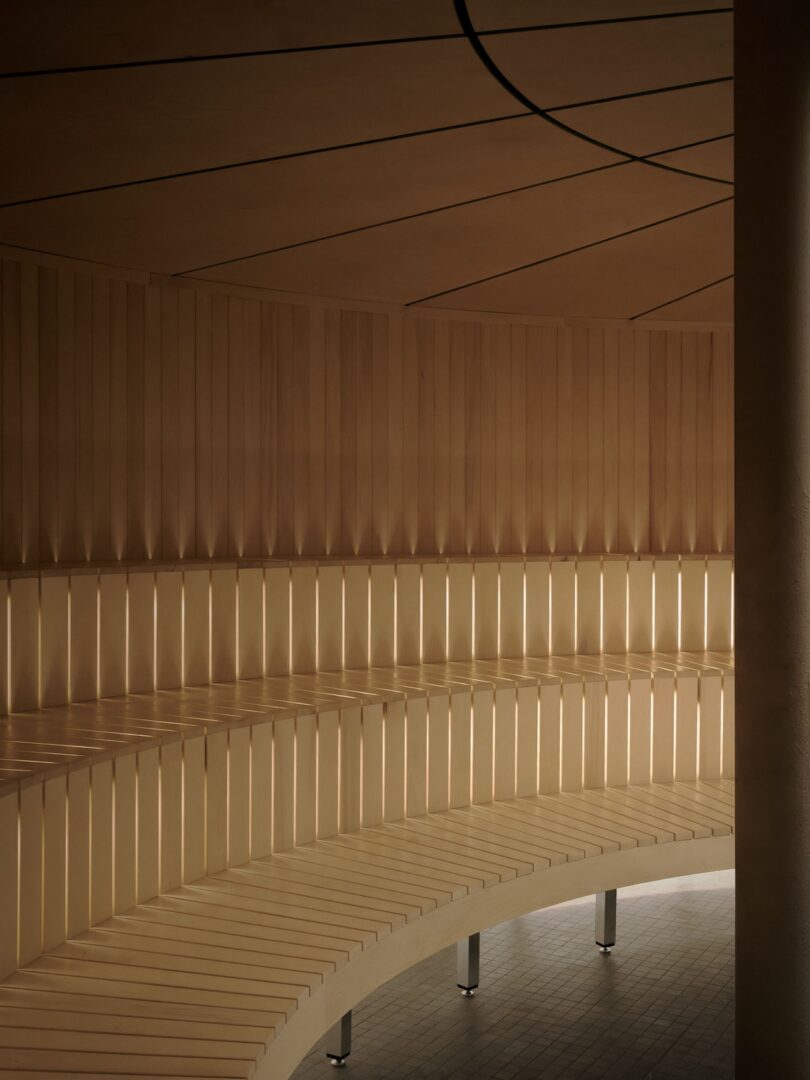
The ritual begins in the massive, 50-person coliseum-style circular sauna. Unlike small, cramped saunas, this space feels like a theater of heat. The air is infused with the scent of ginger and yuzu, creating a sensory-first experience. You stay here for about 15 to 20 minutes. As your core temperature rises, your blood vessels dilate, and your heart rate begins to climb. This is the first step in a thermal circuit sequence for beginners, focusing on intense heat exposure to prime the body.
Step 2: The Cold (Release)
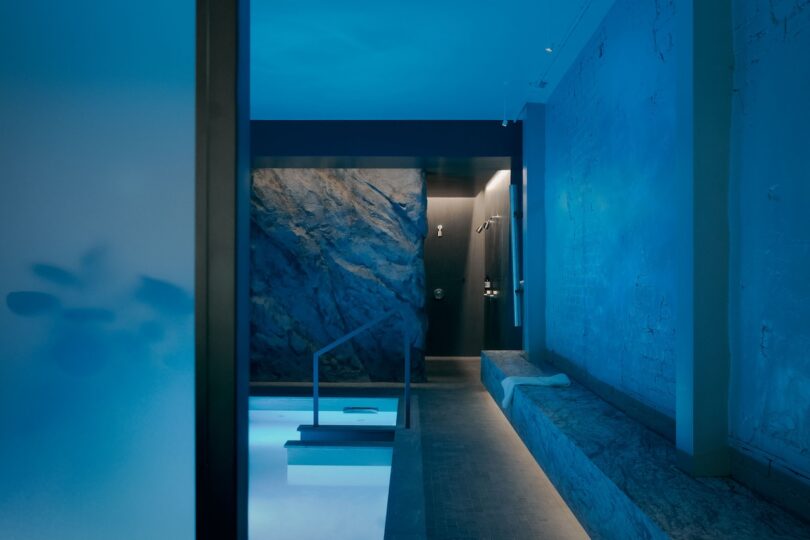
Once you are thoroughly heated, you move to the 3°C communal cold plunge. This is the moment of truth in any thermal hydrotherapy circuit. You submerge for 60 to 120 seconds. The shock of the water causes a sudden constriction of the blood vessels, flushing out toxins and triggering a powerful release of endorphins. It is a visceral experience that demands total presence. Learning how to do a thermal circuit effectively means embracing this cold shock as a tool for recalibration rather than something to fear.
Step 3: The Rest (Calibration)
The final and most critical phase is the rest period. In a lounge filled with soft lighting and tactile materials, you allow your heart rate to return to normal. This is where the magic happens. You might enjoy a curated tea or simply sit in silence. For those looking for a thermal circuit example of modern wellness, this phase represents the "ode to stillness" that our busy lives often lack.
To visualize this process, imagine a thermal circuit diagram where the line peaks in the heat, drops sharply in the cold, and then levels out into a long, steady plateau during the rest phase. This cycle is repeated to maximize the benefits.
Physiological Rewards: Thermal Circuit Benefits for Recovery
The science behind this ritual is robust. The thermal spa and wellness market is estimated to be valued at $298.2 billion in 2025 and is projected to reach $437.2 billion by 2035. This growth is driven by a global demand for physical and mind-body restoration.
By alternating between extreme temperatures, you stimulate your circulatory health. The thermal circuit benefits for recovery include reduced muscle inflammation and improved metabolic recovery. The rapid shift from hot to cold serves as a workout for your vascular system, making it more resilient. Beyond the physical, the process triggers a nervous system recalibration. The initial stress of the cold plunge is followed by a deep state of parasympathetic relaxation during the rest phase, providing a reset for the mind that few other activities can match.
FAQ
What is a thermal circuit in a spa?
A thermal circuit in a spa is a structured wellness ritual that uses water and temperature to promote healing. It typically follows a specific order of heat exposure in a sauna or steam room, followed by immediate cold immersion in a pool or shower, and ending with a period of rest. This sequence is designed to stimulate blood flow and trigger the body's natural recovery mechanisms.
What is a thermal circuit?
In a wellness context, a thermal circuit is a hydrotherapy protocol that relies on contrast therapy. By moving the body through extreme temperature shifts, the circuit forces the circulatory system to dilate and constrict. This process helps with muscle recovery, stress reduction, and overall metabolic health, often performed in a communal setting to enhance social well-being.
What are red flags to avoid at spas?
When visiting a spa for a thermal circuit, look out for poor hygiene in communal pools, lack of clear instructions for beginners, and inadequate ventilation in saunas. A high-quality facility will always provide guidance on how long to stay in each phase and ensure the water temperatures are strictly monitored for safety and effectiveness.
What are 5 examples of thermal conductors?
In the world of science and heat transfer, thermal conductors are materials that allow heat to pass through them easily. Five common examples include copper, aluminum, silver, gold, and iron. While these are used in industrial settings, spas use thermal insulators like wood and stone to create environments where heat can be safely contained and managed for human comfort.