Quick Facts
- Breathing Zone: Position the unit 3-10 feet from your head at its respective activity height.
- The 2/3 Rule: Smoke CADR should be at least two-thirds of the room's total square footage.
- Wall Clearance: Minimum 12 inches of intake clearance to maintain airflow circulation.
- Standard ACH: Aim for 4.8 to 5 Air Changes per Hour for health benefits.
- Ceiling Adjustment: Increase CADR by 25% for every 2 feet above standard 8-foot ceilings.
- Unit Quantity: A typical 1,800 sq ft home requires 3 to 4 units due to wall and door barriers.
For optimal air purifier placement, position the unit 3 to 10 feet from your breathing zone—the height where you sleep, sit, or work—ensuring at least 12 inches of clearance to maximize the unit's CADR rating. This guide explains how to optimize CADR rating and Air Changes per Hour for every room in your household to ensure long-term value and performance.
The Core Principle: Targeting the Breathing Zone
In my years of testing home appliances, I have found that most users treat an air purifier like a "set it and forget it" appliance, often tucking it into a corner where it is least visible. However, air purification is governed by fluid dynamics. To get the most out of your investment, you must target the breathing zone. The breathing zone is defined as a 6-foot radius around your head. Because the air in a room does not move uniformly, the air being filtered ten feet away does not immediately benefit you if there is a source of particulate matter between you and the machine.
The height at which you place the unit is just as critical as its horizontal distance. If you are setting up a unit in a home office where you spend eight hours a day sitting, the intake should ideally be at desk height. In a bedroom, the breathing zone drops to mattress level.
Logic for Height and Distance
When deciding on air purifier placement high or low, consider the type of pollutant you are targeting. Heavier particles like pet dander and large dust settle quickly, making floor-level placement more effective. Conversely, lighter particulate matter like smoke and volatile organic compounds (VOCs) tend to linger higher in the air column.
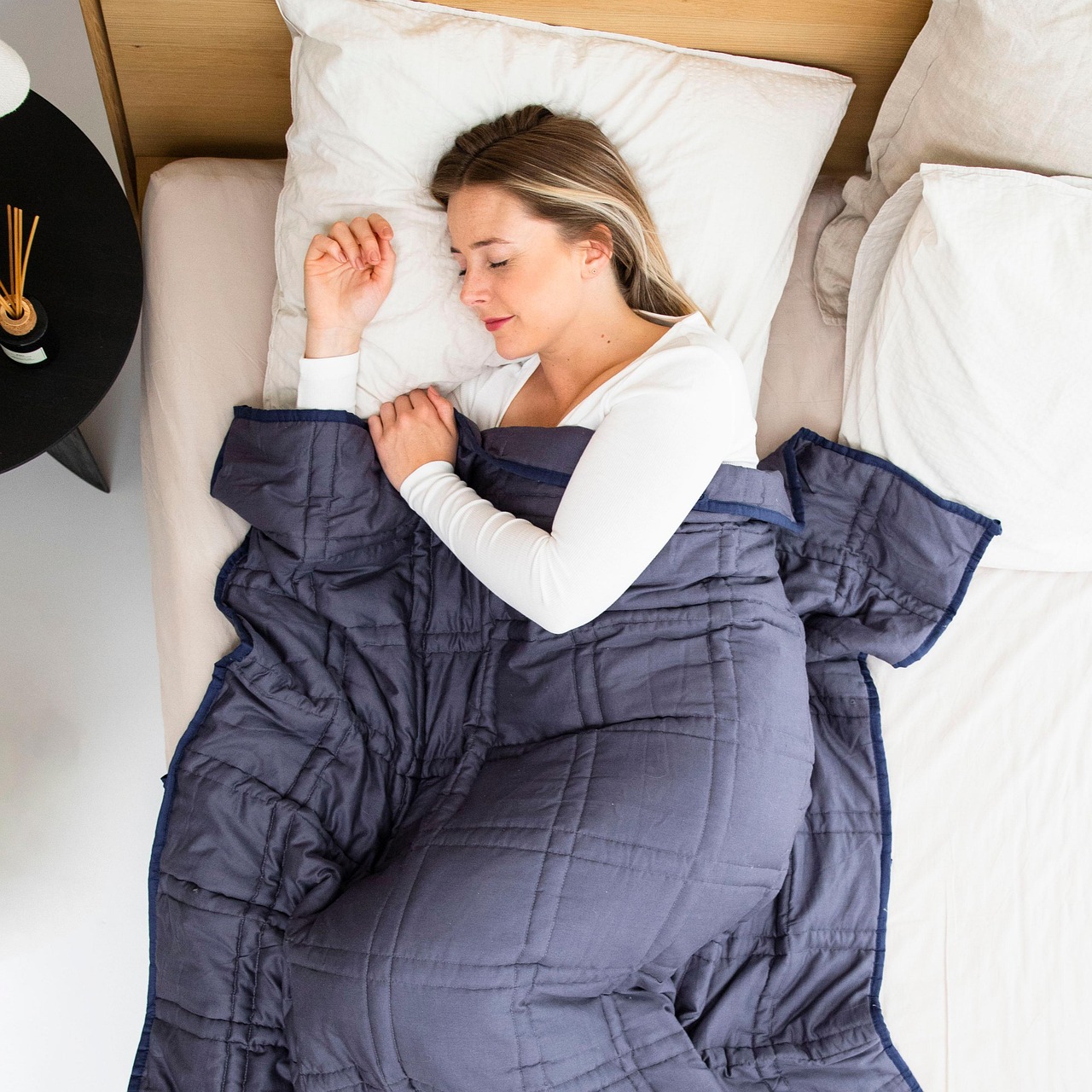
- Bedrooms: Elevate the unit to 2-3 feet (nightstand height). This ensures the "bubble" of clean air is delivered directly to your pillow.
- Standing Areas/Kitchens: Aim for 3-5 feet. If you are cooking, elevating the purifier helps it capture smoke before it disperses across the ceiling.
- General Use: If the unit must stay on the floor, ensure it has an upward-angled exhaust to promote better airflow circulation and prevent "re-breathing" filtered air that hasn't mixed with the rest of the room.
Room-by-Room Guide: Bedroom and Living Room
Each room in your home has a unique airflow profile. A bedroom is a relatively static environment with low activity, whereas a living room is a high-traffic area with complex air patterns.
The Bedroom Strategy
When considering where should i place my air purifier in my bedroom, noise and proximity are the two primary variables. You want the unit close enough to provide clean air but far enough to avoid a direct cold draft. I recommend a distance of 6-10 feet from the head of the bed. For the best placement for air purifier in bedroom, look for units that maintain a noise floor of less than 32 dB on their "Sleep" or "Low" settings. If the unit is too loud, you will likely turn it off, rendering its HEPA filtration standards useless.
The Living Room Challenge
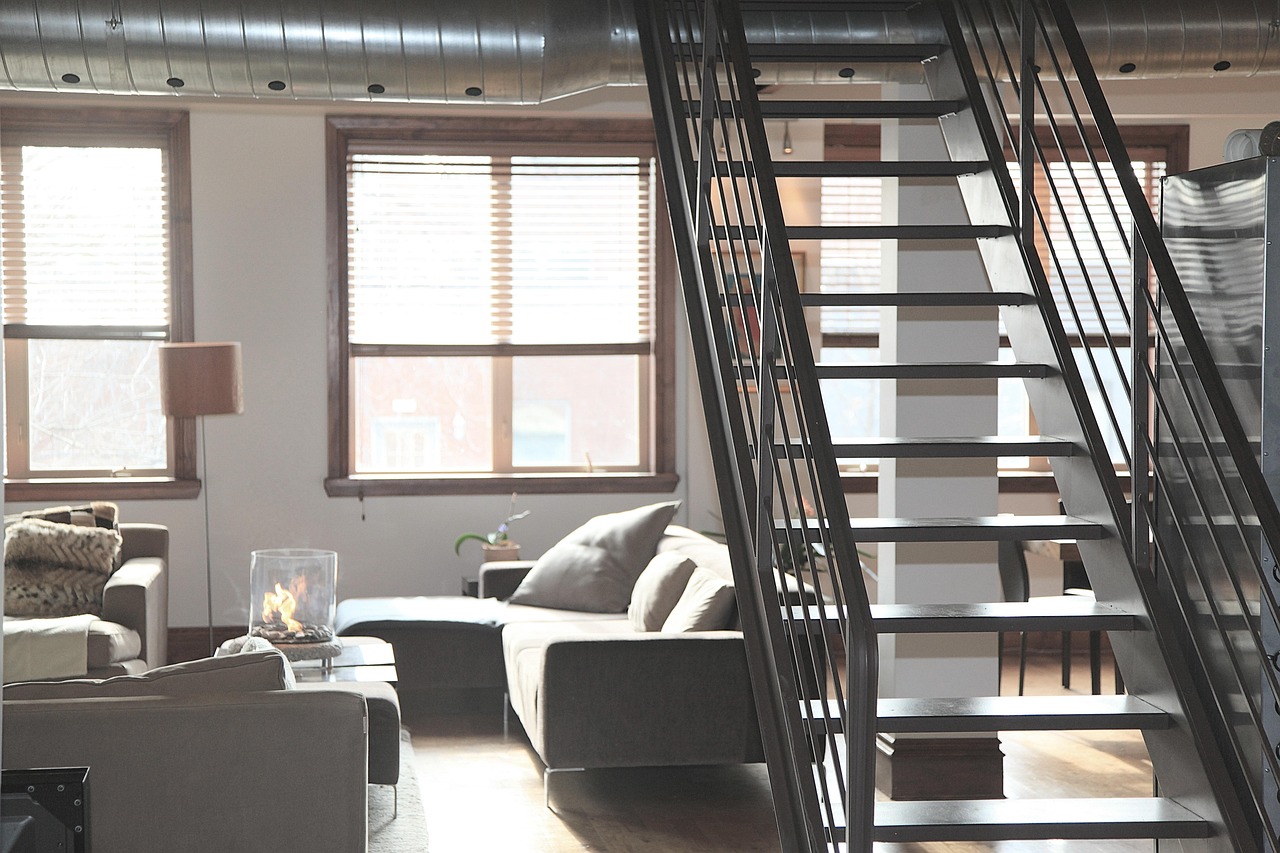
Knowing where to place air purifier in living room is more difficult due to open-concept layouts. In an open floor plan, air purifiers face the challenge of "infinite volume." A unit rated for 300 square feet will struggle if it is placed in a corner of a 900-square-foot great room. For air purifier placement in open floor plan areas, place the unit near the center of the seating arrangement, but keep it away from HVAC return vents. If the purifier is too close to a return vent, the HVAC system will pull the air away before the purifier has a chance to cycle it.
| Feature | Bedroom Placement (Sleep Zone) | Living Room Placement (Social Zone) |
|---|---|---|
| Ideal Distance | 3-6 feet from bed | 5-10 feet from sofa |
| Height | Nightstand level (2-3 feet) | Floor or side table level |
| Priority | Low noise (<32 dB) | High CADR for large volume |
| Avoid | Directly facing the face (drafts) | Behind couches (airflow blocks) |
Sizing for Success: How Many Units Do You Need?
A common mistake is buying one large unit and expecting it to clean the entire house. Air is like water; it does not move easily through narrow doorways or around sharp corners. If you are wondering how many air purifiers for 1800 sq ft house are necessary, the answer is usually 3 to 4 units.
To maintain optimal health benefits, the Association of Home Appliance Manufacturers (AHAM) suggests that portable air purifiers should achieve at least 4.8 equivalent air changes per hour (eACH). This means the entire volume of air in the room is filtered nearly five times every hour. If you put one massive unit in the living room, the bedrooms will likely remain at 1 ACH or less because the air cannot circulate through the hallways effectively.
The 2/3 Rule and Room Volume
The AHAM recommends the '2/3 rule,' stating that an air purifier's smoke Clean Air Delivery Rate (CADR) should be at least two-thirds of the room's square footage for effective performance in spaces with standard 8-foot ceilings.
However, square footage only tells half the story. If you have vaulted ceilings, your unit has to work much harder. Experts recommend adding 25% to the required Clean Air Delivery Rate (CADR) for every 2 feet of ceiling height above the standard 8 feet.
Volumetric Sizing Table
| Ceiling Height | Adjustment Needed | Calculation Example (300 sq ft room) |
|---|---|---|
| 8 Feet (Standard) | None | 200 CADR |
| 10 Feet | +25% | 250 CADR |
| 12 Feet | +50% | 300 CADR |
For an air purifier placement for multi level home, treat each floor as a separate ecosystem. Place one high-capacity unit in the main living area and smaller, dedicated units in each occupied bedroom. This ensures that you aren't relying on a single machine to "push" air up or down a stairwell, which is physically inefficient.
What to Avoid: Where NOT to Place Your Purifier
Performance can drop by up to 50% if the unit is improperly placed. The most common error is failing to provide adequate intake clearance. Most modern purifiers pull air from the back or sides. If you push the unit flush against a wall, you create a vacuum effect that strains the motor and reduces the CADR rating. Always maintain at least 12 inches of space between the unit and any vertical surface.
Identifying Dead Air Zones
Where not to place an air purifier includes corners, behind furniture, or under curtains. These areas are known as "Dead Air Zones." In these spots, air tends to stagnate. If you place a purifier in a tight corner, it will simply cycle the same three feet of air over and over, while the rest of the room remains uncleaned.
Furthermore, avoid placing your unit near:
- Portable AC Units or Fans: These can create competing air currents that prevent the purifier from establishing a consistent intake pattern.
- Bathrooms or Humidifiers: High humidity can saturate HEPA filters, leading to mold growth within the filter media and significantly reducing its lifespan.
- Electronic Interference: Some air purifiers can cause minor interference with TVs or routers if placed within 3 feet of them.

FAQ
Should air purifiers be placed high or low?
It depends on the pollutant. For dust, pollen, and pet dander, floor placement is effective because these particles are heavier. For smoke, odors, and fine wildfire particulates, placing the unit on a table or shelf is better as these pollutants tend to rise or linger at chest height.
What is the 2 3 rule for air purifiers?
The 2/3 rule is a sizing guideline from AHAM stating that the smoke CADR of your purifier should be at least two-thirds of the room's square footage. For example, a 150-square-foot room requires a unit with a smoke CADR of at least 100.
Can I put my air purifier against the wall?
You should avoid placing an air purifier directly against a wall. Most units require at least 12 inches of clearance on all sides to allow for unrestricted airflow into the intake vents. Blocking the intake reduces the number of air changes per hour and puts unnecessary stress on the motor.
Where not to put an air purifier?
Do not place air purifiers in corners, behind large furniture like sofas, or under curtains. You should also avoid high-humidity areas like bathrooms, which can damage the HEPA filter, and spots near HVAC return vents that will "steal" the air before it can be filtered.
How many hours a day should you have your air purifier on?
For the best results, you should run your air purifier 24 hours a day. Air quality is dynamic; new pollutants like skin cells, dust, and outdoor particles enter the room constantly. Most modern units are designed for continuous operation and consume very little electricity on lower settings.
Final Checklist for Optimization
To ensure your home's air quality remains at its peak, follow this Ethan Moore-approved checklist for air purifier placement:
- Check Clearances: Is there 12 inches of space around all intakes?
- Target the Activity: Is the unit 3-10 feet from where you spend the most time?
- Adjust for Volume: Did you account for high ceilings by increasing your CADR requirement by 25%?
- Avoid Obstructions: Is the unit visible? If you can't see the unit, it probably can't "see" the air it needs to clean.
- Multi-Unit Strategy: For a multi level home, do you have at least one unit per floor?
By prioritizing performance and physics over aesthetics, you ensure that your air purifier delivers the long-term value your health deserves. Remember, an air purifier is only as good as the air it can reach.