Looking back at the culinary landscape of 2025, we witnessed a fascinating paradox. On one side of the kitchen counter sat the "intelligent assistants"—ovens and grills powered by generative AI that could practically whisper recipe adjustments in your ear. On the other side, we saw a fervent return to "High-Touch" analog tools, driven by a desire for tactile comfort and a "Fisherman-core" aesthetic that prioritized rugged utility. This duality defined home cooking this year: we wanted the precision of a laboratory and the soul of a seaside cottage. As we review the data, it's clear that the bestselling kitchen tools of 2025 weren't just about flashy features; they were about solving the specific friction points of modern life, whether that was through high-heat sensors or the simple, rhythmic joy of baking a perfect loaf of sourdough.
2025 Kitchen Trends: High-Tech vs. High-Touch
Before we dive into the specific winners, let’s look at how the market split between innovation and tradition.
| Category | High-Tech (The AI Revolution) | High-Touch (The Comfort Classics) |
|---|---|---|
| Focus | Efficiency, Precision, Automation | Tactile Feel, Longevity, Aesthetic |
| Key Tech | Generative AI, Cloud-Sync Probes | Enamel Coating, Heavy-Gauge Steel |
| Bestseller | AI-Integrated Smart Grills | Dansk Kobenstyle Butter Warmer |
| Market Share | 60% of New Premium Appliances | 40% Rise in 'Comfort-Core' Utility |
1. The Aesthetic Icon: Dansk Kobenstyle Butter Warmer
If you told me two years ago that a tiny, enameled pot designed in the 1950s would be the single most-purchased item for home cooks in 2025, I might have been skeptical. Yet, the Dansk Kobenstyle Butter Warmer outperformed almost every traditional cookware category this year. Why? It became the poster child for the "Fisherman-core" trend—a movement favoring coastal nostalgia and small-batch utility.
Market reports show a staggering 40% rise in "comfort-core" utility items. The Dansk isn't just a pot; it’s a statement of intent. Its 2-quart capacity is perfect for the way we cook now: melting butter for a single lobster tail, warming a serving of homemade syrup, or clarifying ghee. Its wooden handle stays cool, and its vibrant, mid-century enamel colors provide a pop of joy on a stovetop that might otherwise be dominated by cold stainless steel.
Ethan’s Pro Tip: Don’t just use this for butter. It’s the ultimate vessel for reheating a single portion of soup or making a small batch of hot chocolate without the mess of a full-sized saucepan.

2. The AI Sous Chef: Generative AI-Powered Smart Grills & Ovens
In 2025, the conversation around smart appliances shifted from "can it connect to Wi-Fi?" to "can it think for me?" Market data from CES 2025 revealed that over 60% of new premium kitchen appliances now integrate generative AI. This isn't just about setting a timer; it’s about "intelligent assistance."
These new ovens and grills can scan your refrigerator inventory (via internal cameras) and suggest a three-course meal based on what’s about to expire. Once you start cooking, the AI autonomously adjusts temperatures based on real-time moisture levels and protein density. For the home cook, this means "restaurant-quality" results are no longer gated behind years of culinary school. It’s about the confidence to cook a $60 ribeye to a perfect 132°F every single time.
At a Glance: AI Smart Ovens
- Pros: Eliminates guesswork; reduces food waste via inventory tracking; perfect for beginners.
- Cons: High entry price; requires a stable internet connection; steep learning curve for the UI.
3. The Professional Edge: The Commercial Speed Rack
The surprise "Gadget of the Year" for home bakers wasn't a gadget at all—it was a piece of industrial furniture. As home baking evolved from a hobby to a lifestyle, the commercial speed rack (specifically half-height models from brands like Winco) became a bestseller.
In a standard residential kitchen, counter space is the most valuable currency. A speed rack allows you to stack 10 to 12 baking sheets vertically in the same footprint as one. For those of us doing weekly meal prep or tackling a holiday cookie marathon, this is a game-changer. It’s the ultimate "Pro-sumer" tool—taking a restaurant staple and proving its worth in a 100-square-foot kitchen.
- Key Stat: Efficiency in small kitchen prep increased by 30% for users who adopted vertical cooling systems in 2025.
4. The Precision Essential: MEATER Pro Wireless Thermometer
Precision has always been the hallmark of a great chef, but the MEATER Pro made it accessible (and wire-free) for everyone. In 2025, the move toward high-heat, cable-free monitoring reached its peak. The "Pro" version dominated because of its ability to withstand ambient temperatures up to 1000°F—perfect for the resurgence of wood-fired pizza ovens and high-sear cast iron cooking.
Its integration with smart home ecosystems like Alexa and Google Assistant means you can be in the living room and ask, "How much longer on the chicken?" and get a response based on real-time heat-mapping. It’s the bridge between the high-tech AI world and the traditional world of fire and meat.
5. The Bread Revival: USA Pan Pullman & Loaf Pans
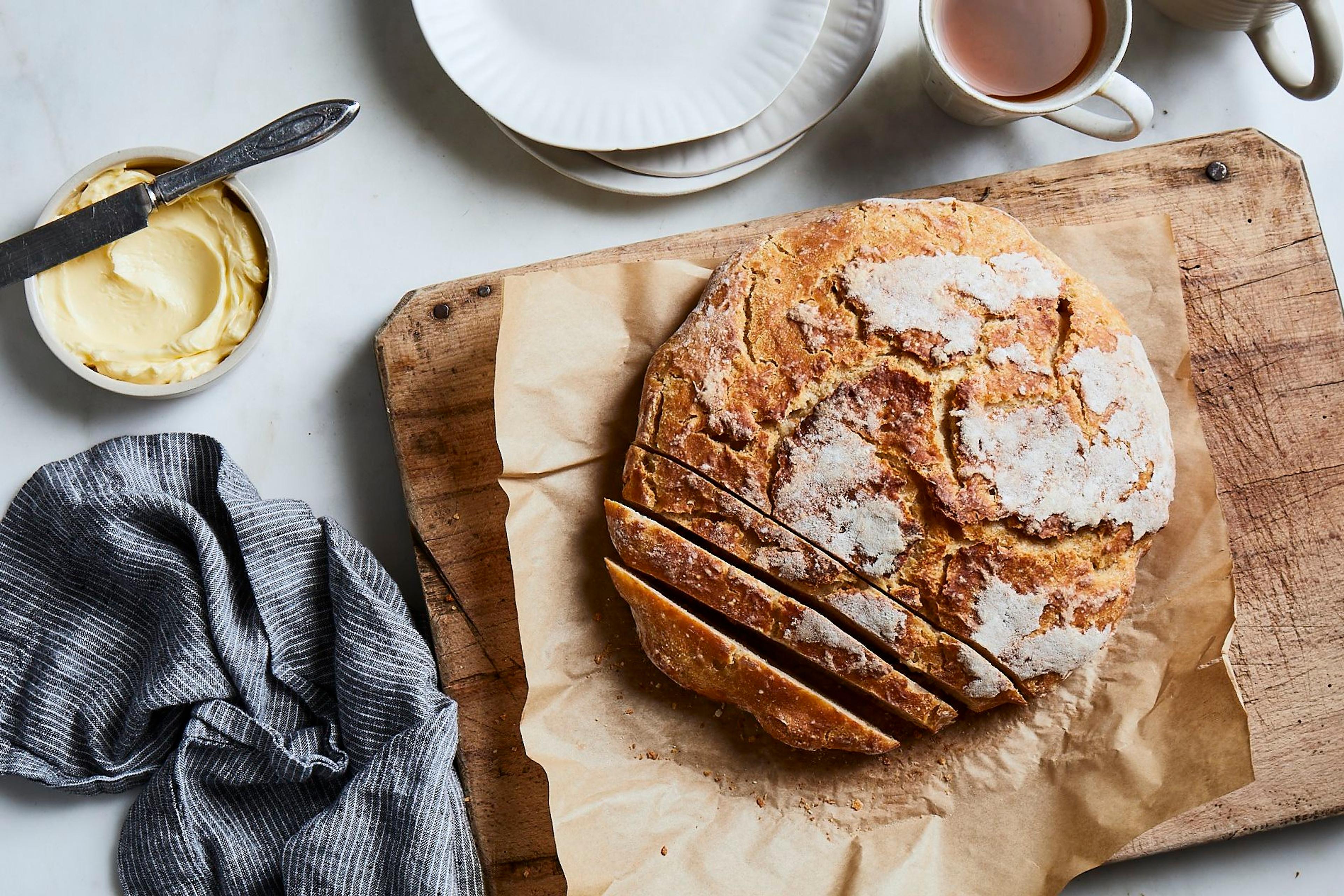
While AI handled the dinner, the 2025 "Sourdough Comeback" handled the soul. This wasn't the frantic "panic baking" of years past; it was a refined, intentional pursuit of the perfect crust. The USA Pan Pullman Loaf Pan became a bestseller because it offers something standard pans don't: the ability to bake a perfectly square, "pain de mie" style loaf.
Constructed from heavy-gauge aluminized steel with a proprietary silicone non-stick coating (PTFE and PFOA-free), these pans provide the heat distribution necessary for that signature golden-brown crust.
Why the Pullman Pan?
- The Lid: Using the sliding lid forces the dough to expand into a perfect square, creating a dense, uniform crumb.
- Durability: Unlike cheap tin pans, these are "lifetime" tools that won't warp at high sourdough temperatures.
6. The High-Performance Workhorse: Vitamix Professional Series 750
Performance over novelty was a major theme this year. While many "viral" blenders came and went, the Vitamix 750 remained the gold standard for those looking for long-term value. In a world of disposable tech, the Vitamix is a legacy tool.
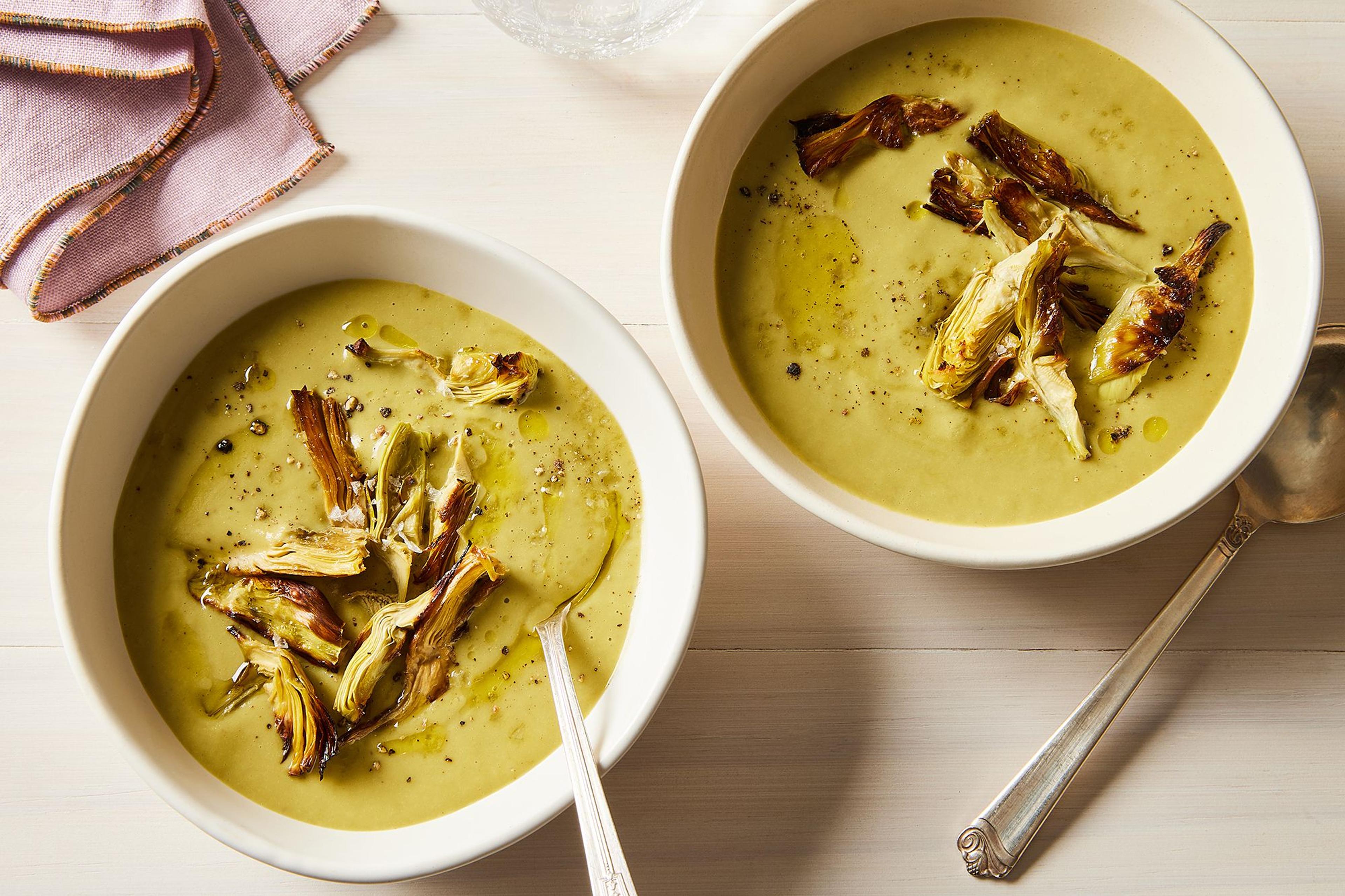
In 2025, we saw home cooks moving beyond smoothies and using these machines for "custom culinary" tasks: grinding their own heirloom corn into masa, creating silky-smooth vegetable purees that rivaled Michelin-starred restaurants, and even making nut butters without the added oils found in store-bought versions.
Vitamix 750 vs. Entry-Level Models: While the E310 is a fantastic entry point, the 750’s pre-programmed settings and quieter motor make it the preferred choice for those who cook daily. The power to pulverize blackberry seeds is what separates a "blender" from a "culinary workstation."
7. The Smart Convenience: Ninja Crispi & Multi-Function Air Fryers
While the Dansk Butter Warmer won the "Nostalgia" category, the Ninja Crispi and its cousins dominated the "Smart Convenience" space. The 2025 iteration of the air fryer evolved to feature glass cooking chambers, allowing for full visibility without heat loss—a major pain point in older models.
These machines have moved beyond "frying" to become true multi-functional hubs: dehydrating fruit for snacks, reheating leftovers to their original crispness, and even proofing bread dough. The Ninja series, in particular, dominated because of its footprint-to-power ratio, making it a staple for apartment dwellers who want the functionality of five appliances in the space of one.
At a Glance: Ninja Multi-Fryers
- Pros: Heats up instantly; glass window for monitoring; easy-to-clean ceramic baskets.
- Cons: Can be loud; takes up significant counter depth.
Maintenance & Longevity: How to Care for 2025's Top Tools
Investing in these high-quality tools is only the first step; maintaining them ensures they provide value for a decade rather than a season.
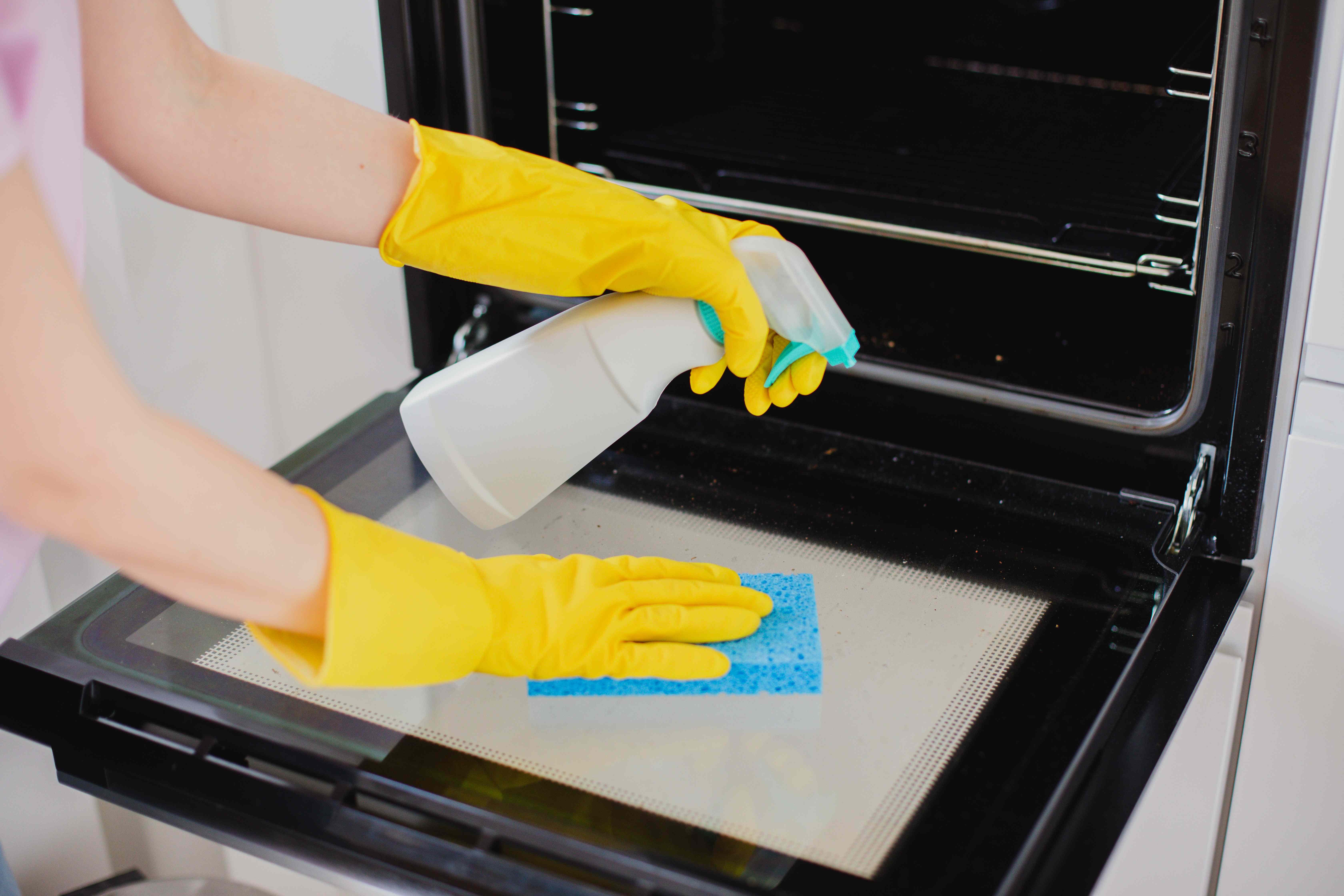
- Caring for AI Sensors: For smart ovens and grills, ensure the internal camera lenses are wiped down with a microfiber cloth after every use. Grease buildup can "blind" the AI, leading to inaccurate recipe suggestions.
- Enamel Care: For your Dansk or other enameled cast iron, avoid metal utensils. A stray scratch can lead to chipping. If you get stubborn burnt-on bits, simmer a mixture of baking soda and water to lift the residue without scrubbing.
- Probe Hygiene: Always clean your MEATER or wireless probes immediately after use. Avoid submerging the "head" of the probe in water for long periods; a quick wipe with soapy water and a rinse is sufficient.
FAQ
Q: Are AI-powered appliances actually worth the extra cost? A: If you find yourself frequently throwing away spoiled food or feeling intimidated by complex recipes, yes. The generative AI in 2025 models acts like a safety net, reducing waste and increasing the success rate of difficult dishes. However, for those who prefer manual control, a high-quality analog tool is often a better investment.
Q: Why was the Dansk Butter Warmer so popular this year specifically? A: It’s a reaction to "tech fatigue." After years of everything being digital, consumers gravitated toward items that felt permanent and "human." The rise of "Fisherman-core" and the desire for small-batch, intentional cooking made this 70-year-old design feel fresh again.
Q: Can I use the USA Pan Pullman Pan for regular bread? A: Absolutely. You can use it without the lid for a standard domed loaf, or with the lid for a perfectly square sandwich loaf. It’s one of the most versatile pans in a baker's arsenal.
Conclusion
The "Great Kitchen Dichotomy of 2025" taught us that technology and tradition don't have to be at odds. We can embrace a future where AI handles the logistics of meal planning while we enjoy the tactile, nostalgic experience of melting butter in a beautiful pot or shaping a loaf of bread by hand. Whether you’re upgrading to a smart grill or rediscovering the joy of a simple speed rack, the best tools of 2025 are the ones that give you the confidence to get back into the kitchen.