Keeping a child’s bedroom neat often feels like an exercise in futility—a daily battle against a "toy-nado" of primary-colored plastic and stray puzzle pieces. For years, the design world leaned toward "sad baby beige" to counteract this chaos, but as we move into 2025 and 2026, the trend has shifted toward something far more livable. We are seeing a sophisticated intersection of high-end interior aesthetics and brutal functionality.
The secret to a stylish, organized kids' room isn't about having fewer toys; it’s about better systems. Modern design focuses on "hidden storage" using tactile, luxurious materials like bouclé, sherpa, and light-toned woods. By prioritizing multi-functional furniture—such as storage ottomans and built-in beds with trundles—you can seamlessly blend utility pieces into a curated home. Integrating these smart solutions can increase usable floor space in compact bedrooms by an average of 25%, turning a cramped nursery into a breathable sanctuary.
1. Multi-Functional Furniture: The Storage Ottoman & Bench
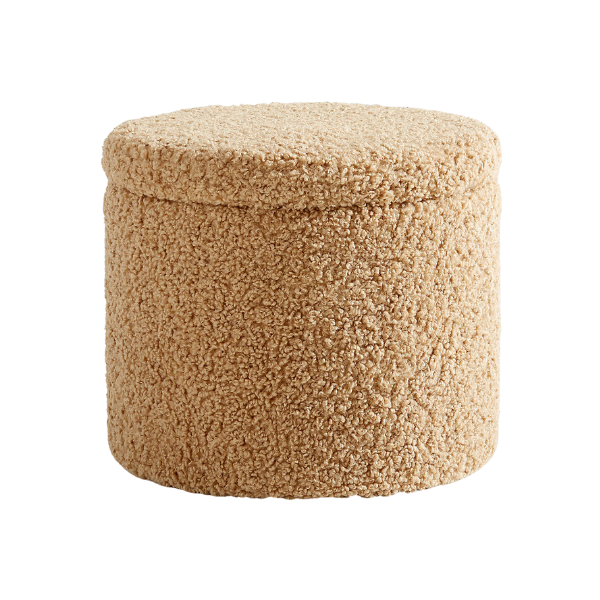
In a high-functioning home, every piece of furniture should earn its keep by doing at least two jobs. The storage ottoman is the unsung hero of the stylish nursery. Not only does it provide a soft spot for parents to sit during storytime, but it also acts as a "catch-all" for the evening’s toy sweep.
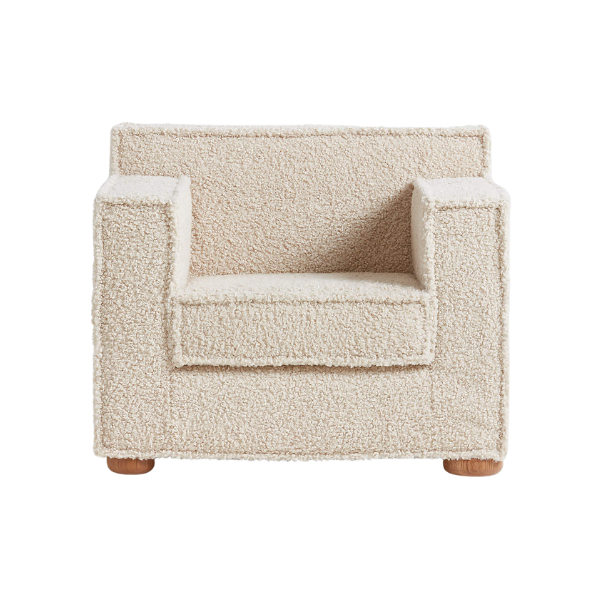
When selecting pieces for 2026 vibes, think about texture over color. A bouclé or sherpa-covered storage bench adds an organic, high-end feel that masks the "utility" nature of the piece. These materials are surprisingly forgiving and add a layer of "Sophisticated Parent" chic to the room.
Editor’s Choice: Look for ottomans with "slow-close" safety hinges. It protects little fingers while ensuring the room stays quiet during those precious nap hours.
| Material | Aesthetic Vibe | Durability Level | Best For |
|---|---|---|---|
| Bouclé | Modern/Scandi | High (textured hides wear) | Stuffed animals, blankets |
| Light Oak | Classic/Minimalist | Exceptional | Heavy wooden blocks, books |
| Woven Seagrass | Organic/Boho | Medium | Dress-up clothes, soft toys |
2. The 'Low-Zone' Revolution: Accessible Shelving
As an organization editor, I always advocate for systems that children can actually use. The "Low-Zone" concept involves placing storage units at the child's eye level and reach. Research indicates that rooms utilizing accessible low-zone storage systems show a 40% higher rate of long-term organization maintenance. Why? Because when a child can easily reach a bin, they are 40% more likely to put the toy back in it.
Replace towering bookshelves with low-profile modular units. This encourages child-led cleanup and fosters independence. Rather than a massive toy box where everything gets lost at the bottom, use shallow, open bins on low shelves. This "display and play" method ensures toys are rotated and appreciated rather than buried.
3. Hidden Gems: Under-Bed Hacks and Built-in Trundles
The floor space beneath a bed is often a "dead zone" for dust bunnies. In a smart kids' room, it is prime real estate. Prioritizing built-in beds with trundles or integrated drawers is one of the most effective stylish children's bedroom storage solutions.
If you aren't ready to invest in a new bed frame, rolling wooden bins are a chic alternative. These allow for easy access to out-of-season clothes or bulky items like train tracks and Lego sets. The key is to ensure the bins match the wood tone of the bed frame to maintain a seamless, "built-in" look.
4. Think Vertically: Wall-Mounted and Over-the-Door Potential
When floor space is at a premium, look up. Integrating multi-functional storage on walls can increase usable floor space in compact children's bedrooms by roughly 25%. However, the goal is to avoid making the walls look cluttered.
Floating shelves are perfect for "display toys"—those beautiful wooden rainbows or vintage trucks that are too pretty to hide. Meanwhile, over-the-door organizers can be used for everything from craft supplies to shoes, keeping the floor clear for play.
- Floating Book Ledges: Display book covers like art pieces. It’s easier for kids to choose a book by the picture than the spine.
- Pegboards: A modular dream for craft-loving kids. Use cups for crayons and hooks for scissors.
- Wall Hooks: Mount them at a child's height for hoodies and backpacks to prevent the "floor pile" phenomenon.
5. Textural Camouflage: Woven Rattan Baskets
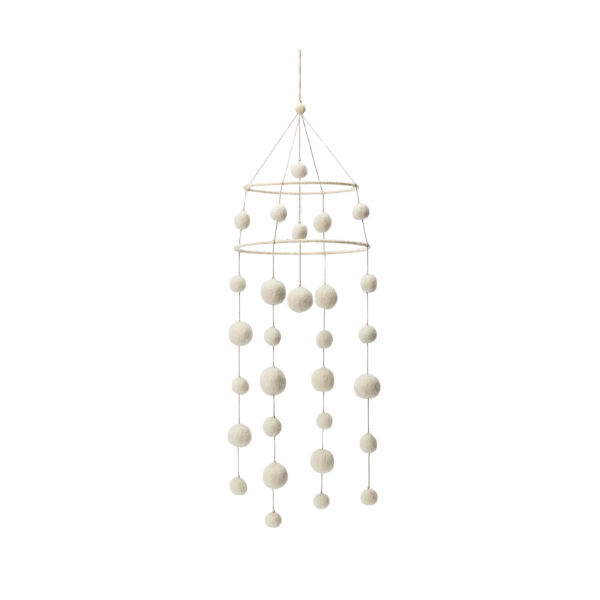
If you want an aesthetic toy organization system that looks like it belongs in a design magazine, woven rattan is your best friend. Rattan baskets provide "textural camouflage"—they hide the neon plastic clutter inside while adding a warm, organic texture to the room's palette.
The trick to making baskets work is category-based sorting. Instead of one giant basket for "toys," have a medium basket for "cars," a small one for "doll accessories," and a large one for "building blocks." This "like-with-like" system makes finding specific items easier and cleanup much faster.
Pro-Tip: Use leather luggage tags or small wooden labels on your baskets. Even if your child can't read yet, you can use simple icons (a car, a heart, a block) to guide them.
6. The Closet Conversion: Bookcases Behind Closed Doors
We often think of closets as places for hanging clothes, but in a small room, they can be so much more. Many parents find that children's clothes don't actually require a full-length hanging rod until the teenage years.
By removing the bottom half of the closet's hanging space, you can tuck a small bookcase or a set of drawers inside. This clears up floor space in the main room. To add a bit of "editor’s flair," apply a whimsical peel-and-stick wallpaper to the back wall of the closet. It makes the space feel like a curated boutique every time the doors are opened.
7. Modular Systems That Grow With the Child
One of the biggest mistakes parents make is buying furniture that is "too juvenile." A dresser with cartoon knobs might look cute in a nursery, but it will feel out of place by age seven. Instead, invest in modular systems with classic silhouettes and light wood finishes.
Think about pieces like metal lockers (very on-trend for 2025) or minimalist wooden cubbies. These pieces transition easily from holding diapers and wipes to storing school books and gaming headsets.
Sophie’s Pro-Tips for Long-Term Maintenance
Organization is not a one-time event; it’s a lifestyle routine. To keep these smart storage ideas functioning, I recommend two golden rules:
- The "One-In, One-Out" Rule: For every new toy that enters the room (birthdays, holidays), one old toy should be donated or rotated into deep storage. This prevents "clutter creep."
- The Five-Minute Sweep: Make it a family ritual to spend five minutes before bedtime putting toys back into their designated "homes." Because you’ve implemented low-zone storage and textural baskets, this becomes an easy, low-stress task.
FAQ
How do I start decluttering a room that is already overwhelmed? Start small. Focus on one category—like stuffed animals or art supplies—rather than the whole room. Sort items into "Keep," "Donate," and "Toss." Once the excess is gone, implement one of the storage solutions above.
Are expensive "designer" bins worth it? Not necessarily. The "look" comes from consistency. You can buy affordable baskets from big-box stores, but the key is to ensure they match or complement each other in material and color to create a cohesive, high-end feel.
How can I make a shared sibling room look organized? Color-coding is your best friend here. Assign a specific basket color or shelf section to each child. This gives them a sense of ownership and prevents arguments over whose toys are whose.
Creating a calm, functional home doesn't mean sacrificing the joy of childhood play. By choosing pieces that offer "textural camouflage" and prioritizing accessibility, you can create a space that both you and your children will love. Happy organizing!