As the golden light of late September begins to pull back its curtains earlier each evening, our relationship with our homes undergoes a profound shift. The outdoor-centric freedom of summer fades, replaced by a deep-seated instinct to "nest." But for the modern dweller, nesting isn't just about heavy blankets and spiced candles; it’s about the deliberate curation of atmosphere. This autumn, we are seeing a definitive move toward "Emotional Minimalism"—a design philosophy where every object must serve a functional purpose while evoking a specific feeling of calm or wonder.
The top lighting trends for autumn 2024 center on this emotional resonance, prioritizing sculptural silhouettes, organic shapes like orbs and moons, and the use of natural materials like rattan and ceramic. We are witnessing a departure from the cold, industrial aesthetics of the past decade. In their place, warm minimalism has emerged, favoring textured metallic finishes like brushed brass and handspun copper over industrial chrome. Furthermore, the functional landscape is changing; portable, cord-free lamps are gaining massive popularity for their versatility, allowing us to bring high-end illumination into once-dark corners, bookshelves, or even twilight-soaked terraces without the constraints of an electrical outlet.
1. Sculptural Silhouettes: Lighting as Functional Art
In years past, a lamp was often chosen as an afterthought—a utility to be tucked away on an end table. This season, lighting has reclaimed its place as the focal point of the room. We are seeing what I like to call "Daytime Sculptures": fixtures that are as visually arresting when switched off as they are when glowing at night.
Designers are leaning heavily into undulating edges, soft arches, and bold asymmetrical forms that challenge the traditional "base and shade" hierarchy. This shift is backed by significant market movement; internal data shows a staggering 42% increase in consumer searches for "sculptural table lamps" as homeowners increasingly treat their lighting fixtures as investment art pieces. These forms often take inspiration from post-modernist architecture or organic geological formations, acting as a conversational centerpiece that defines the character of a living space.
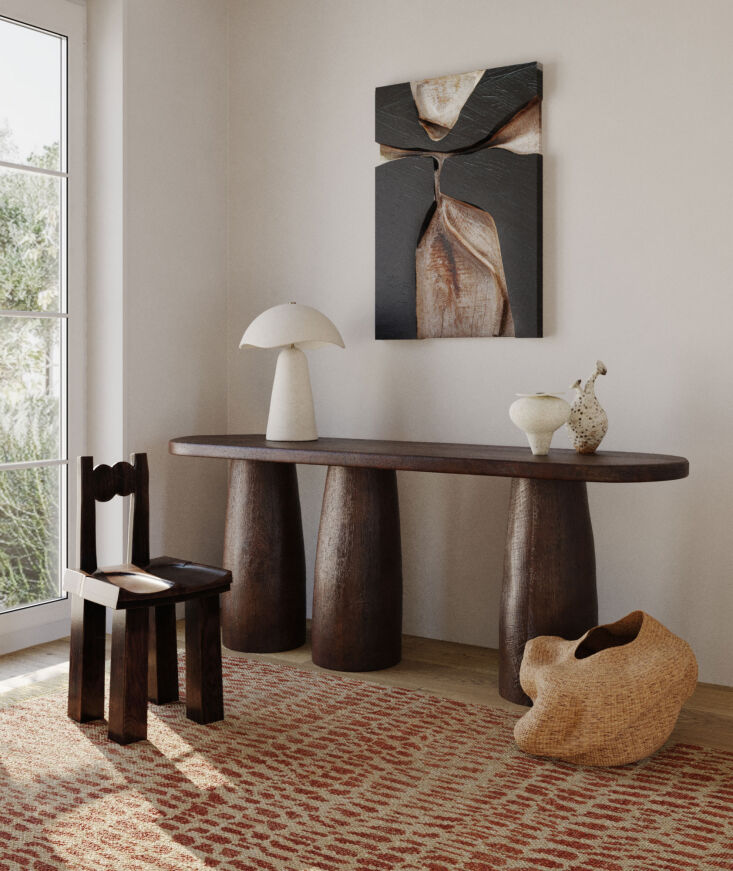
Whether it’s a ceramic base that looks hand-molded by an artisan or a floor lamp with a sweeping, rhythmic curve, these pieces provide a sense of movement in static rooms. When choosing a sculptural piece, look for:
- Asymmetry: Pieces that look different from every angle.
- Negative Space: Fixtures that play with "holes" or voids in their structure to create interesting shadows.
- Monochromatic Textures: A single color used across different materials (e.g., a matte plaster base with a linen shade) to emphasize the silhouette.
2. Organic Modernism: The Rise of Orbs and Moons
There is something inherently soothing about the circle. This autumn, "Organic Modernism" is manifesting through a resurgence of celestial-inspired lighting. Spherical harmony is replacing the sharp, linear grids of mid-century modernism. We are seeing a fascination with the moon—its phases, its soft diffusion, and its ability to provide a gentle, non-directional glow.
These designs often utilize a contrast of materials to create a sense of weight and ethereal lightness. Think dark, heavy bronze bases paired with curved acrylic or frosted glass diffusers. These "moons" serve a vital psychological purpose during the darker months; they provide a sense of completeness and unity in a room, mirroring the natural world outside our windows.
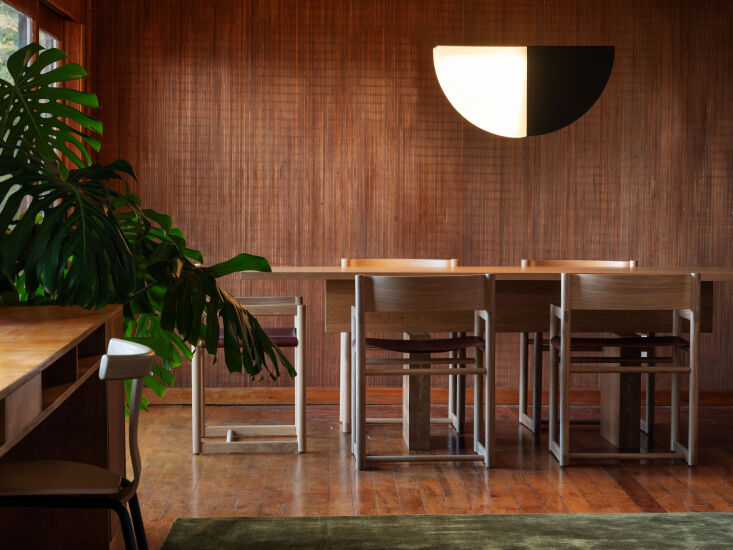
Integrating these orbs into your home is less about "lighting up a room" and more about "creating a mood." A single, oversized pendant hanging low over a dining table or a series of varying-sized spheres clustered in a corner can mimic a personal constellation, providing a soft, ambient wash of light that eliminates harsh shadows.
3. Warm Minimalism: Textured Metals over Cold Chrome
The "all-white-and-grey" minimalism of the 2010s has officially thawed. In its place, we find "Warm Minimalism"—a style that maintains clean lines but introduces a palette of rich, earthy materials. The most significant shift is in hardware. We are moving away from the "industrial" look of silver, polished nickel, and cold chrome.
The new aesthetic prioritizes textured metals. Brushed brass, stippled gold, and handspun copper are the stars of the season. These materials don’t just reflect light; they transform it, adding a golden, sun-kissed quality even on the gloomiest November afternoon. Textured metals offer a "lived-in" luxury—they feel artisanal rather than mass-produced.
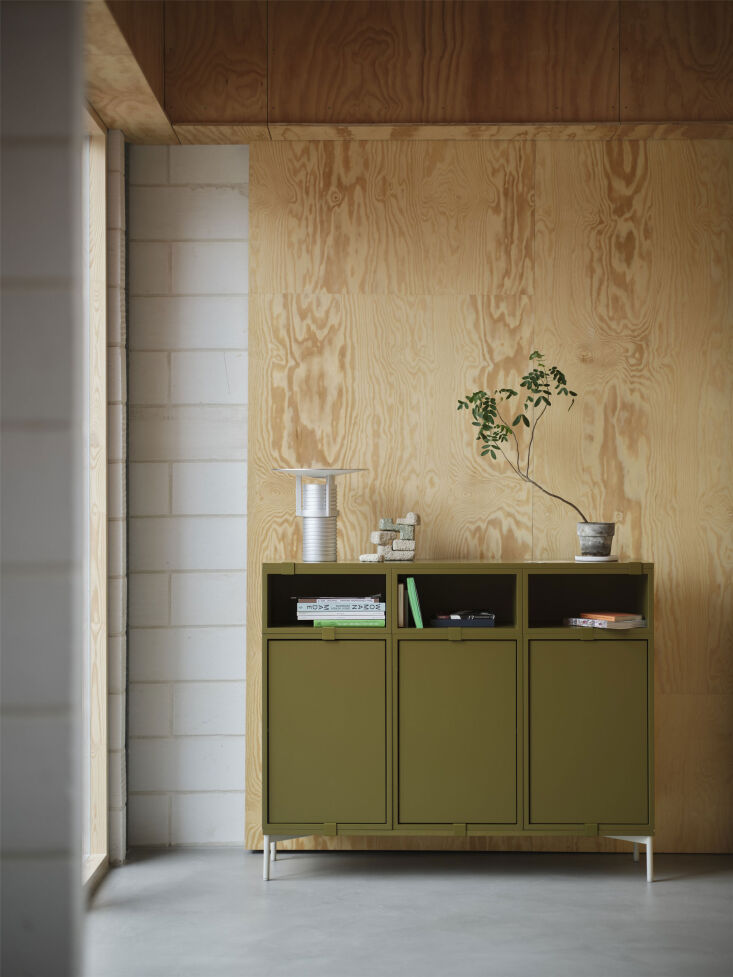
To help you navigate this transition, I’ve summarized the shift in the table below:
| Feature | What’s Out | What’s In (Autumn 2024) |
|---|---|---|
| Metal Finish | Polished Chrome & Shiny Silver | Brushed Brass, Copper, & Stippled Gold |
| Material Feel | Smooth, Industrial, Cold | Textured, Hand-hammered, Tactile |
| Design Ethos | Utilitarian & Hidden | Bold, Expressive, & Sculptural |
| Light Quality | Bright White (4000K+) | Amber Glow (1800K - 2700K) |
Ivy’s Tip: When working with warm metals, don’t feel the need to match everything. A handspun copper pendant looks breathtaking when paired with walnut wood and deep forest green textiles. The goal is "layered warmth," not a matching set.
4. Tactile Textures: Rattan, Ceramic, and Alabaster
Autumn is the season of touch. We bring out the cashmere throws and velvet pillows, and our lighting should follow suit. The "Honest Material" trend is thriving right now, celebrating woven wicker, hand-pressed glass, and translucent stone.
Alabaster and ceramic have become particularly popular for their grounding effect. Alabaster, a natural stone, possesses a unique translucency that allows light to seep through the grain of the rock, creating a "luminescent glow" that glass simply cannot replicate. Ceramic bases, meanwhile, offer an earthy, tactile quality that connects the interior to the outdoors.
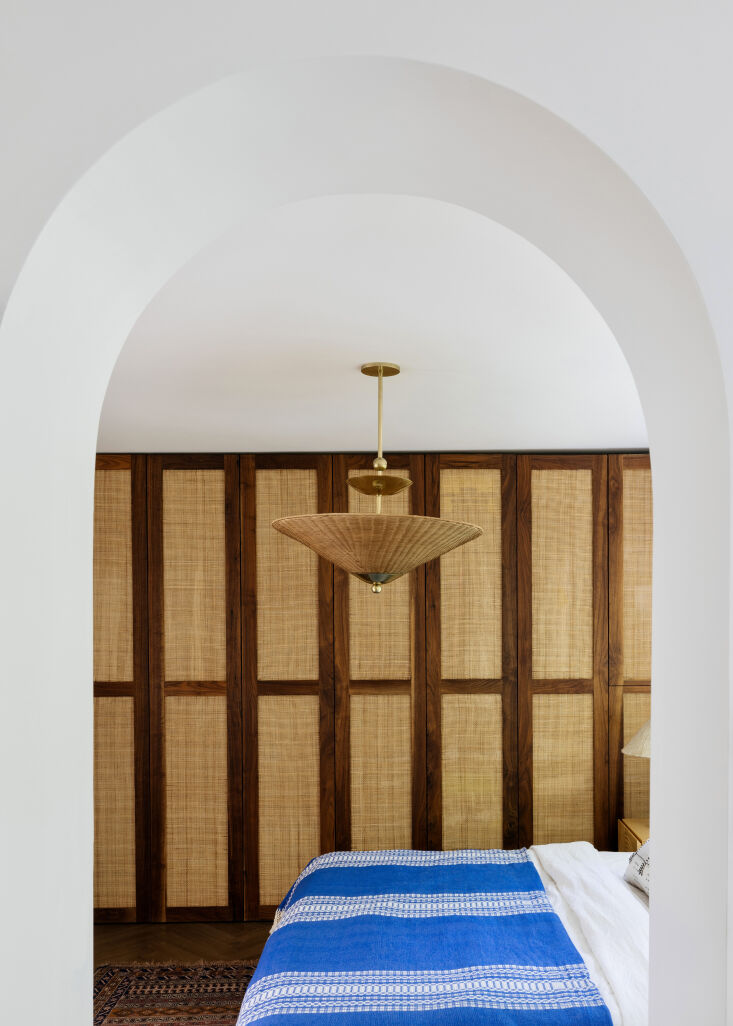
We are also seeing traditional materials like rattan and wicker being reimagined in geometric, modern forms. These materials diffuse light in a way that creates "dappled" patterns on the walls, mimicking the way sunlight filters through autumn leaves. This adds a layer of visual texture to a room that feels both sophisticated and deeply cozy.
5. Portable & Rechargeable: Freedom from the Cord
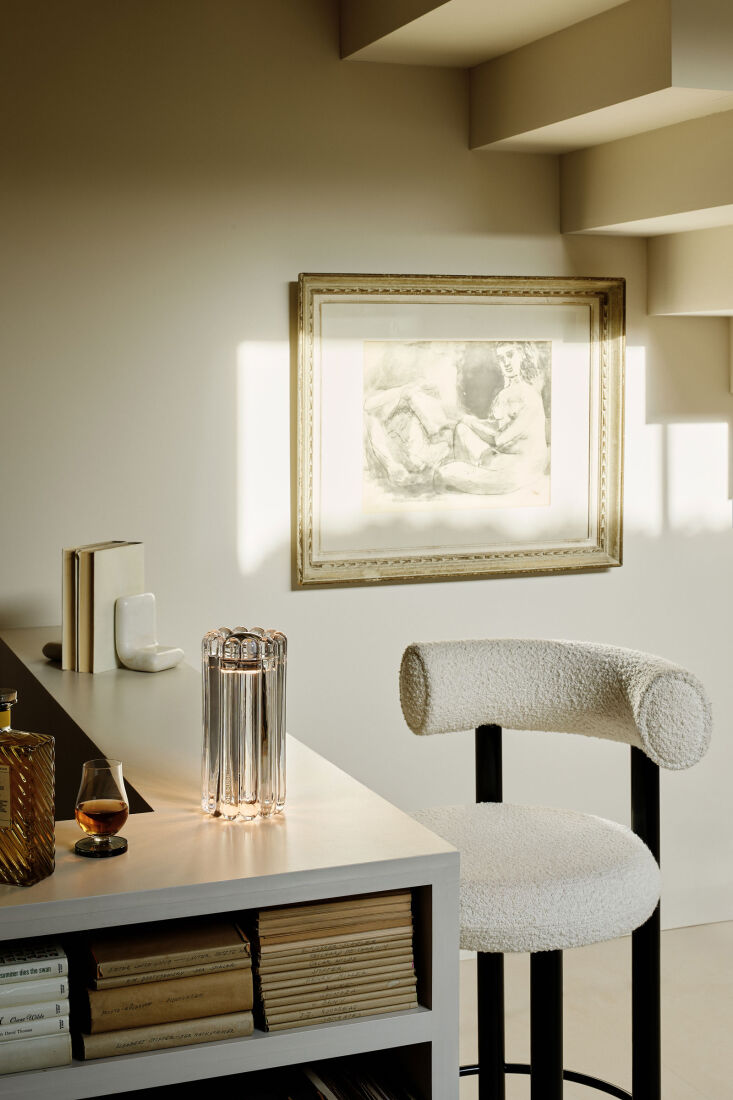
Perhaps the most practical revolution in lighting design is the rise of high-end, cord-free illumination. For years, "cordless" was synonymous with "cheap" or "utilitarian." Not anymore. Top-tier designers are now releasing reductionist, luxury portable lamps that allow for total freedom in styling.
These rechargeable pieces are essential for "gap lighting"—filling those tricky spots like bookshelves, kitchen islands, or outdoor dining tables where a power outlet is inaccessible. They are designed with sophisticated battery technology, often offering up to 9-12 hours of light on a single charge, along with built-in dimming capabilities.
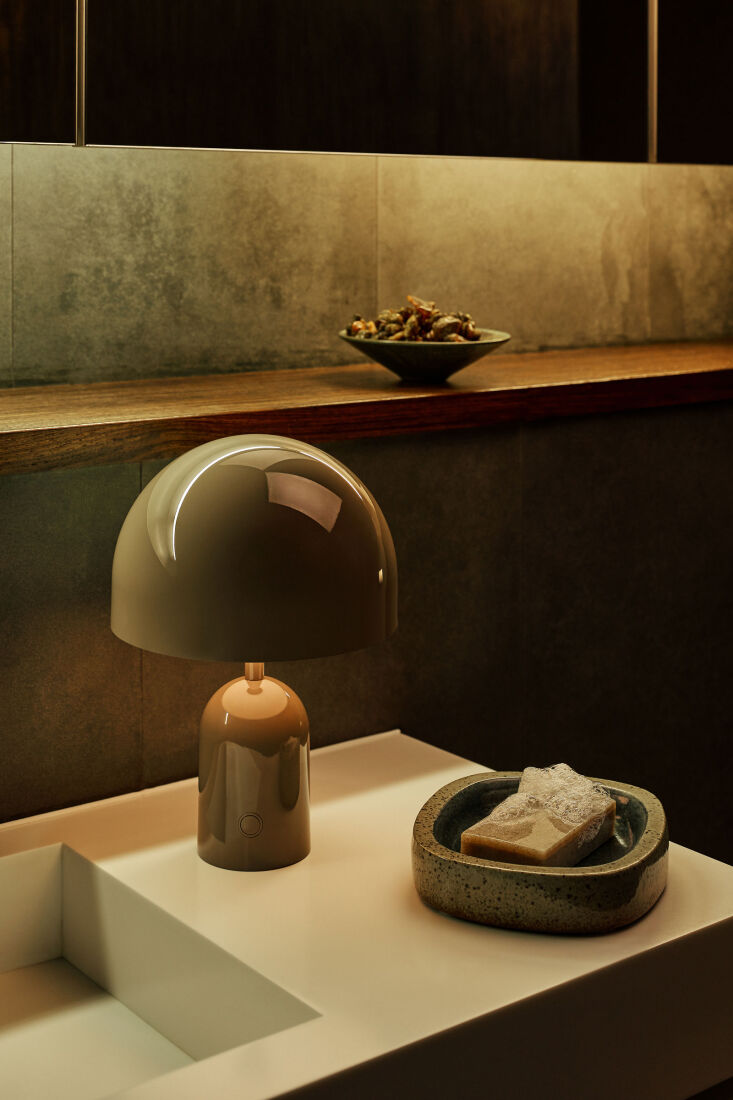
The beauty of a portable lamp like the Tom Dixon Bell Lamp lies in its mobility. You can have it on your desk during a late-afternoon task, then move it to the coffee table for an evening cocktail, and finally take it to the bedside for nighttime reading. It is the ultimate expression of modern flexibility.
6. Layered Lighting for Emotional Wellness
As the days grow shorter, the psychological impact of our indoor environment becomes more acute. We are moving away from "one-note" overhead lighting—the dreaded "big light"—which can feel sterile and jarring during the evening hours.
Instead, professional interior designers are prioritizing "layered lighting schemes." Internal design surveys indicate that 74% of professionals now focus on integrating three distinct layers:
- Ambient Light: The general "wash" of the room (e.g., hidden LED strips or large pendants).
- Task Light: Focused light for specific activities (e.g., a reading lamp or under-cabinet lights).
- Accent Light: Decorative light used to highlight art or architectural features (e.g., wall sconces).
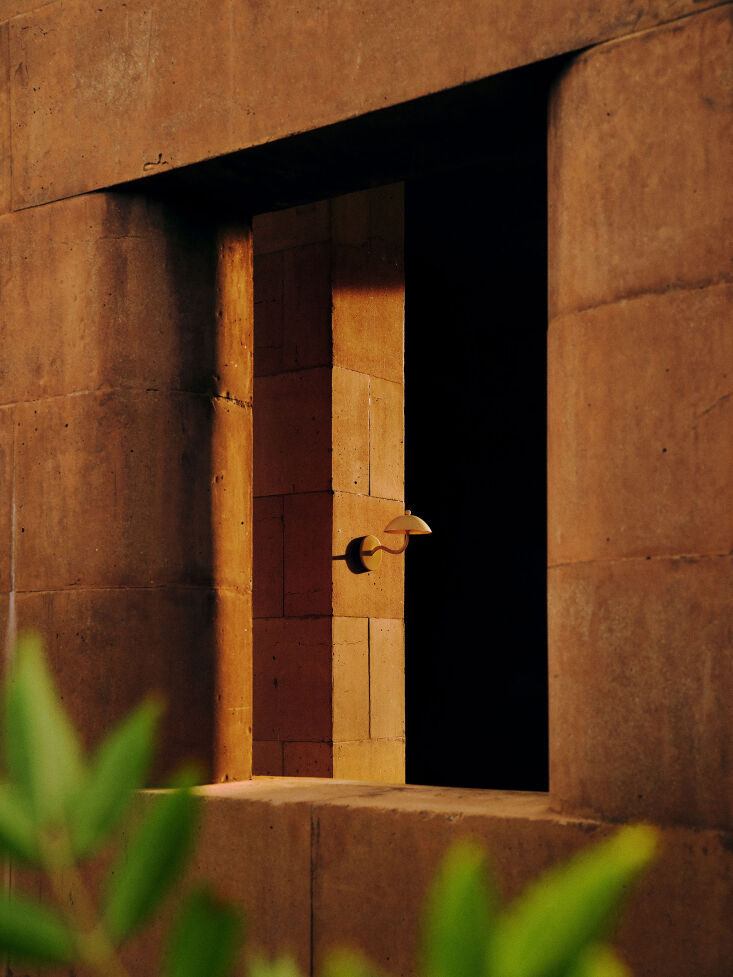
Strategic placement of wall sconces can transform a flat wall into an artistic installation. By bouncing light off the ceiling or washing it down a textured wall, you create depth and "pockets of intimacy" that improve emotional wellness and help the brain transition into a state of relaxation.
7. The New Glow: Warm-Tone LEDs and Smart Dimming
The final trend isn't about the fixture itself, but the quality of the light it emits. LED technology has evolved past the "flickering blue" phase of its early years. We are now in the era of the "Amber Glow."
For autumn, the sweet spot for relaxation and healthy sleep patterns lies between 1800K and 2700K (Kelvin). Modern smart bulbs and integrated LEDs now allow for "dim-to-warm" technology, where the light doesn't just get dimmer, it gets warmer as it dims—mimicking the behavior of a traditional incandescent bulb or a fading sunset.
Technical Specs for the Perfect Autumn Glow:
- Color Temperature: 1800K (Candlelight) to 2700K (Warm White).
- Brightness (Lumens): 700-900 for task areas; 200-400 for ambient "mood" zones.
- CRI (Color Rendering Index): Look for 90+ to ensure the colors of your autumn decor (rust, mustard, olive) look vibrant and true.
Using smart presets to transition your home from "Daylight" (bright and cool) at 4:00 PM to "Cozy Evening" (soft and amber) by 7:00 PM can significantly improve your circadian rhythm during the transition into winter.
Implementation: How to Refresh Your Space for Fall
Refreshing your lighting doesn't always require a full renovation. You can apply these trends through small, intentional swaps:
- The Shade Swap: Replace a standard white drum shade with one made of pleated linen, ceramic, or even a smoked glass globe to immediately alter the room's texture.
- Bulb Upgrade: Swap out "Cool White" bulbs for "Warm Dimming" LEDs. It is the single most cost-effective way to change the feel of your home.
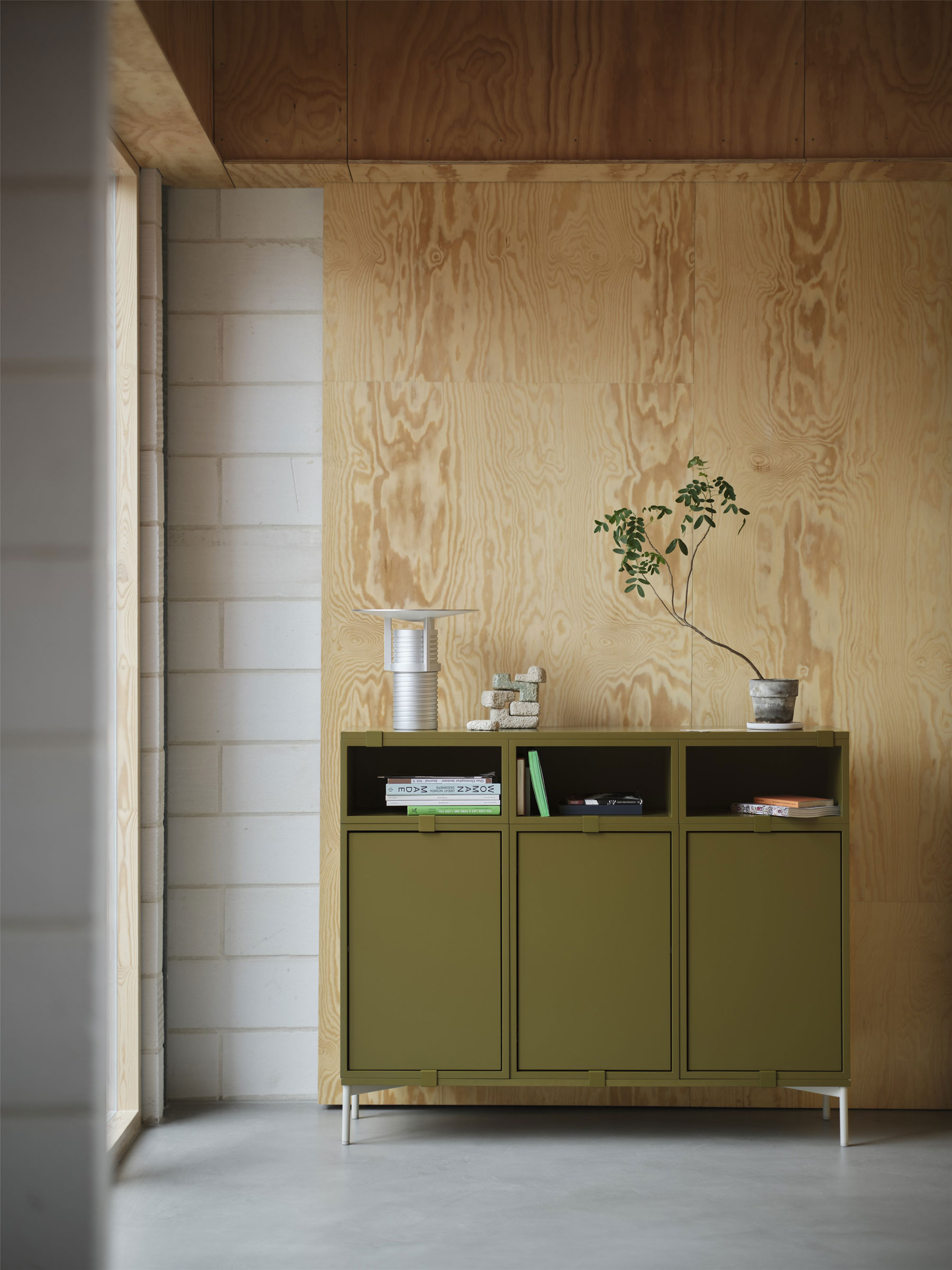
- The Asymmetrical Vignette: Create an "off-balanced" look on your sideboard. Place a tall, sculptural lamp on one side and balance it with a cluster of smaller objects (books, a vase) on the other. This creates a more dynamic, modern visual interest than perfect symmetry.
- Go Cordless: Buy one high-quality portable lamp and use it to experiment with light in corners you previously ignored.
FAQ
Q: How do I choose the right size for a sculptural table lamp? A: A good rule of thumb is that the lamp should be no more than 1.5 times the height of the surface it sits on, and the shade should not be wider than the table itself. For sculptural pieces, ensure the "heaviest" part of the form sits at eye level when you are seated.
Q: Is "Warm Minimalism" compatible with my existing modern furniture? A: Absolutely. The beauty of warm minimalism is that it softens the "hard edges" of modern furniture. Adding a brushed brass lamp or a rattan pendant to a room with a sleek grey sofa and glass coffee table adds the necessary "soul" and warmth that modern rooms often lack.
Q: Why is 2700K recommended specifically for autumn? A: As natural daylight decreases, our bodies become more sensitive to blue light, which can disrupt melatonin production. A 2700K (or lower) bulb emits more red and orange wavelengths, which signals to the brain that it is time to wind down, helping you stay cozy and well-rested.
The transition into autumn is an invitation to slow down and look inward. By embracing sculptural forms, honest materials, and a warmer palette, you aren't just decorating a room—you are crafting a sanctuary that will sustain your spirit through the darker months ahead. Happy styling!