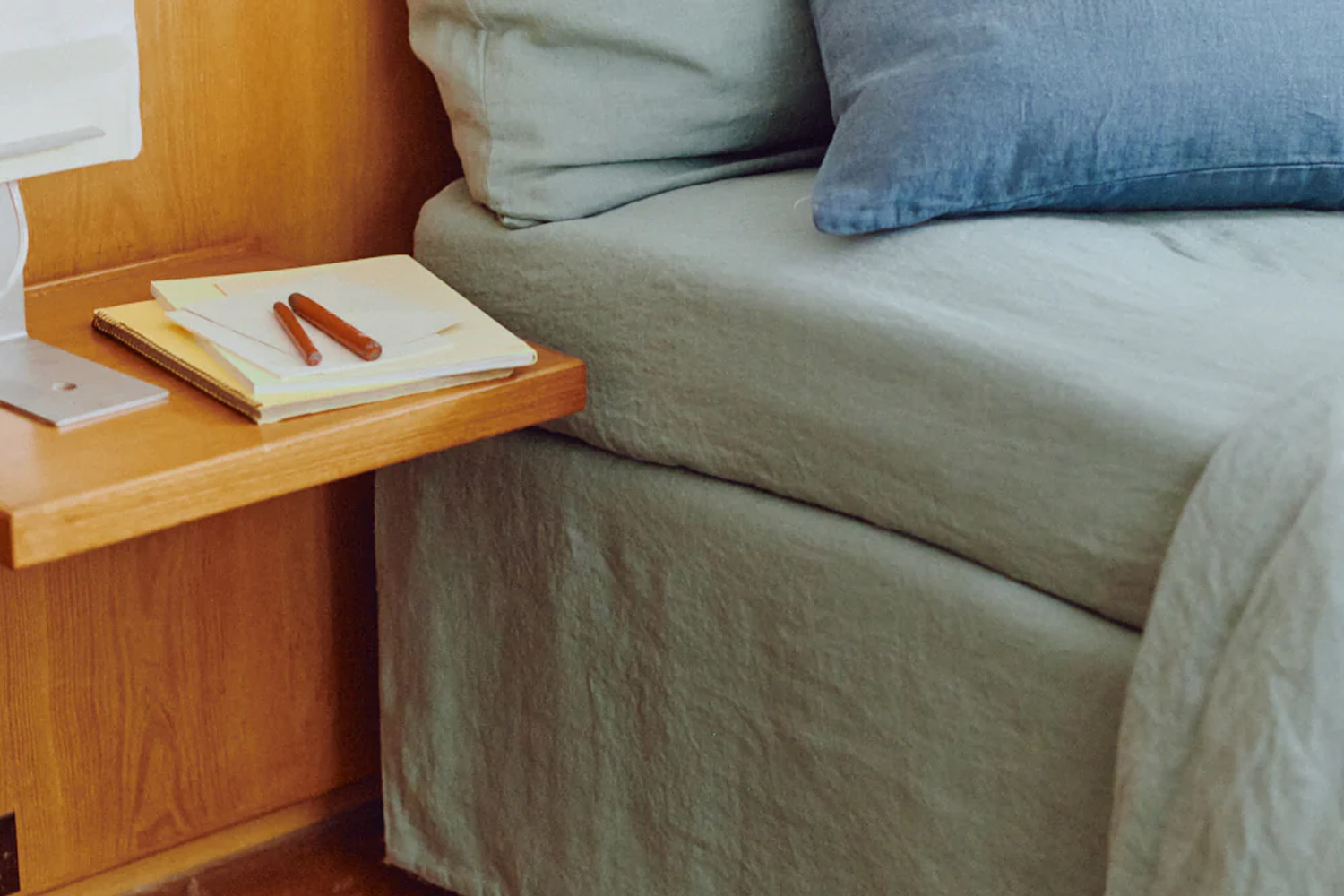
We’ve all been there: the midnight dance of kicking off the duvet only to pull it back up ten minutes later when the chill sets in. If you are someone who oscillates between "furnace" and "ice cube" throughout the night, you’ve likely heard the whispers that linen is the holy grail of bedding. But at a price point often higher than your standard cotton, is it truly the all-season miracle it’s claimed to be?
The Short Answer: Is Linen Truly All-Season?
The short answer is a resounding yes. Linen is ideal for both hot and cold sleepers because its flax fibers are naturally thermoregulating. Unlike synthetic materials that trap heat, or even some cotton weaves that can feel clammy, linen’s unique molecular structure provides exceptional breathability in the summer and surprising insulation in the winter. Market price analysis shows that while premium sets can reach over $480, high-quality entry-level 100% linen options now start as low as $89.90, making this "luxury" accessible to almost every budget.
The Science of Sleep: Why Linen Works for Every Body
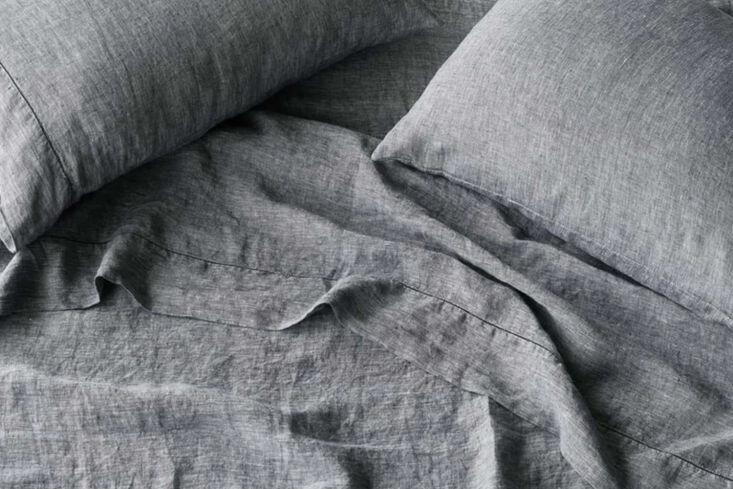
To understand why linen is the best linen sheets for hot sleepers, we have to look at the flax plant itself. Linen is made from the resilient stalks of the flax plant, which consist of hollow fibers. These microscopic "air pipes" are the secret to the fabric's magic.
Thermoregulation Explained
In the height of summer, these hollow fibers allow air to circulate freely, venting body heat away from your skin. In the winter, those same hollow cores act as a buffer, trapping a thin layer of warm air close to your body. It creates a microclimate under your covers that adapts to your internal temperature rather than forcing your body to adapt to the fabric.
Superior Moisture Management
Product testing data suggests that high-quality linen bedding can absorb up to 20% of its weight in moisture before it even begins to feel damp. This offers roughly 1.5x better moisture-wicking than basic cotton. If you struggle with night sweats, linen doesn't just sit there getting heavy and wet; it pulls the moisture away and evaporates it into the air, keeping you dry and comfortable until morning.
Expert Tip: For those with sensitive skin or allergies, linen is naturally hypoallergenic and antibacterial. Its pH-balanced nature helps suppressed bacterial growth, which is a major win for anyone prone to "bacne" or skin irritation.
Summer Performance: Staying Cool When the Heat is On
When the humidity hits, the last thing you want is a heavy sheet clinging to your legs. This is where breathable flax linen sheets truly shine. The weave of linen is naturally looser than that of cotton percale or sateen. This physical gap between the threads is what allows for the legendary airflow that linen lovers swear by.
The Lamp Test: Verifying Your Airflow
How do you know if you're buying high-quality, breathable linen or a dense, lower-quality version? Use the Lamp Test.
The Lamp Test: Hold the fabric up to a lamp or a bright window. A high-quality linen suitable for hot sleepers will have a visible, slightly irregular weave that allows points of light to peek through. If the light passes through easily, air will too. If the weave looks tight and opaque like a heavy canvas, it may sleep hotter than you’d like.
Winter Comfort: Can Linen Actually Keep You Warm?
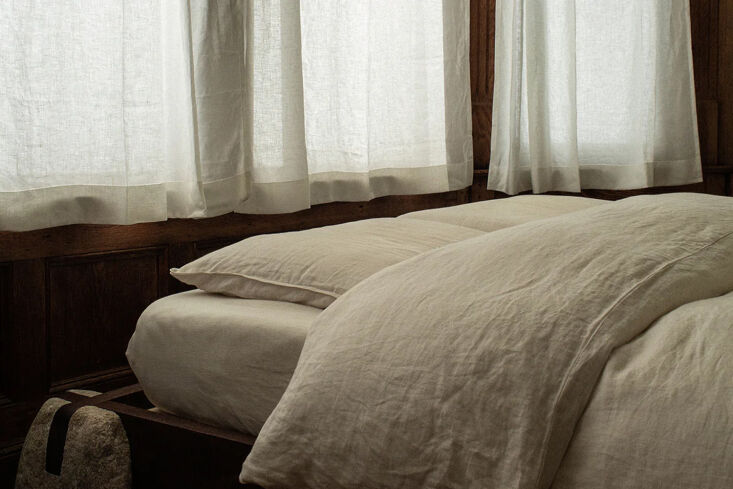
It’s a common misconception that linen is strictly for summer homes in the Hamptons. In reality, linen sheets for winter and summer are a favorite among interior designers for their layering potential.
During colder months, the insulation factor of the hollow flax fibers comes into play. Because linen is heavier by weight than cotton (usually measured in GSM), it has a "substance" that feels cozy. To maximize winter warmth, I always recommend the "Linen Sandwich" method: use a linen fitted and flat sheet, then top it with a heavy down or down-alternative duvet. The linen will regulate your body heat so you don't overheat under the heavy duvet, while the duvet provides the extra "heft" needed for those freezing nights.
Buying Guide: Quality Tiers and Price Analysis
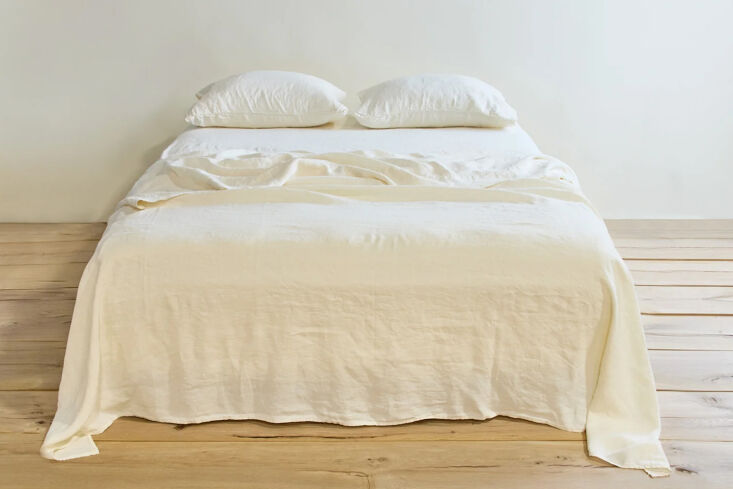
Choosing the right set can be overwhelming. Unlike cotton, where "thread count" is the (often misleading) metric of choice, linen is all about the weight (GSM) and the origin of the flax.
Understanding GSM vs. Thread Count
GSM stands for Grams per Square Meter.
- 110–130 GSM: Ultra-lightweight, perfect for tropical climates but may lack durability.
- 160–185 GSM: The "Sweet Spot." This weight is durable enough to last decades but light enough to stay breathable.
- 200+ GSM: Heavyweight linen, often used for "rustic" styles or heavy winter blankets.
The Price Spectrum
The market for affordable luxury linen sheets has exploded recently. Here is how the tiers generally break down:
| Feature | Entry-Level ($89 - $150) | Mid-Range ($160 - $300) | Ultra-Luxe ($400+) |
|---|---|---|---|
| Flax Origin | Often blended or sourced globally | European Flax (French/Belgian) | Certified Heritage European Flax |
| Manufacturing | Mass-produced in Asia | Small-batch or specialized factories | Hand-finished in Italy or Portugal |
| Feel | Can be slightly scratchy at first | Pre-washed/Stonewashed for softness | "Buttery" texture, often garment-dyed |
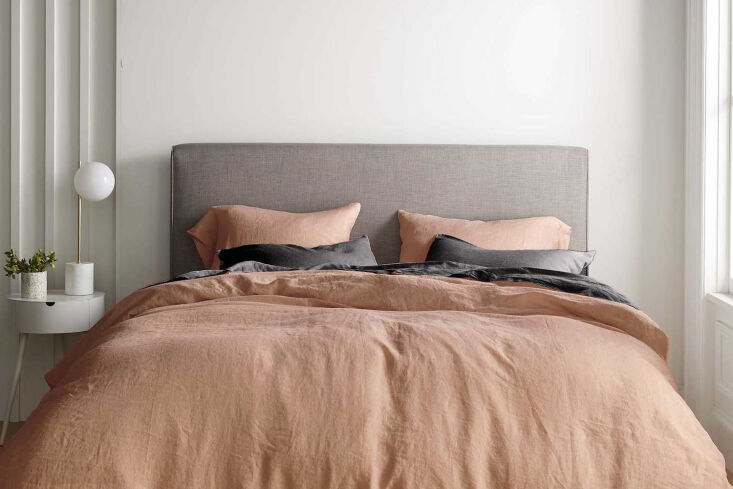
For those looking for the pinnacle of the craft, Italian-made sets offer a level of craftsmanship that is palpable. These sets often use "froissé" techniques—a purposeful, elegant wrinkling that makes the fabric incredibly soft against the skin from day one.
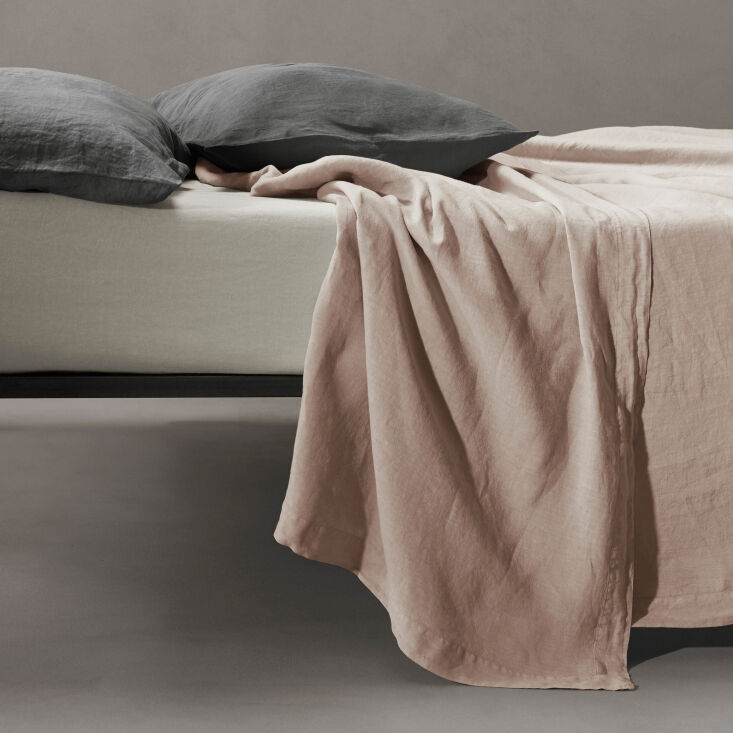
Durability and Care: The 'Better with Age' Promise
One of the most compelling reasons to invest in temperature regulating linen bedding is its lifespan. While a standard cotton percale sheet might start to thin or pill after two to three years of weekly washing, linen is famously durable.
Linen is one of the few things in life that actually improves with age. The pectin that binds the flax fibers together breaks down over time with exposure to water, meaning your sheets will become softer, more supple, and more "buttery" with every single wash.
Maintenance Tips for Long-Term Comfort
To ensure your investment lasts for the next decade, follow these simple rules:
- Avoid High Heat: Dryers are the enemy of natural fibers. Use a low heat setting or, ideally, line dry them until they are just slightly damp.
- Ditch the Fabric Softener: Softeners actually coat the fibers in a chemical film, which reduces the breathability and moisture-wicking properties of the linen.
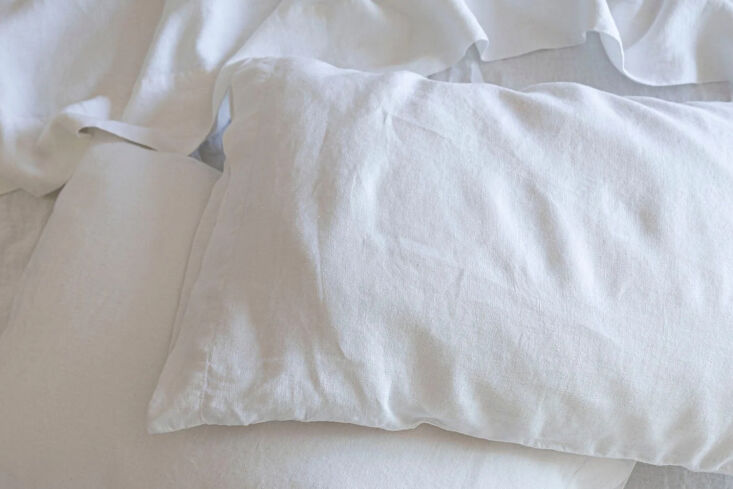
- Embrace the Wrinkle: Linen isn't meant to be crisp and ironed. The "lived-in" look is part of its charm and actually helps with airflow by preventing the fabric from laying perfectly flat against your skin.
Frequently Asked Questions (FAQ)
Q: Is linen too scratchy for sensitive sleepers?
A: Modern linen is usually "stonewashed" or "garment-washed," which uses abrasive stones or enzymes to soften the fibers before they ever reach your home. If you buy a set that feels slightly crisp, don't worry—it will soften significantly after the first 3-5 washes.
Q: Does linen shrink?
A: Because it is a natural fiber, it can shrink if washed in boiling water or dried on high heat. However, most high-quality brands pre-shrink their fabric during the manufacturing process. Stick to cool or warm water and you’ll be fine.
Q: Is "French Linen" really better?
A: France and Belgium have the ideal climate and soil for growing high-quality flax. While flax grown elsewhere can still be good, "European Flax" certification is generally the gold standard for durability and fiber length.
Conclusion & Final Verdict
Are linen sheets really the best choice for hot and cold sleepers? After years of testing and styling bedrooms, my verdict is a firm yes. Linen is the only fabric that truly understands the assignment of "all-season comfort." It manages to be both a breezy summer essential and a cozy winter insulator, all while being one of the most durable and sustainable fabrics on the planet.
If you’re ready to stop the midnight temperature battle, start with a high-quality 100% linen set. You don't have to spend $500 to see the difference—even an entry-level set will outperform standard cotton when it comes to keeping you dry and regulated. Your sleep quality is an investment in your daily wellness, and there is nothing quite like the feeling of sliding into cool, crisp, yet incredibly soft linen at the end of a long day.