I’ve spent the last decade testing everything from smart thermostats that predict your morning routine to lighting systems that mimic the Martian sunset. But if you were to walk into my home office three years ago, you would have seen a graveyard of brittle succulents and drooping ferns. Despite my expertise in home automation, I suffered from what I call "The Serial Plant Killer Syndrome"—the inability to find that Goldilocks zone between neglected desert and accidental swamp.
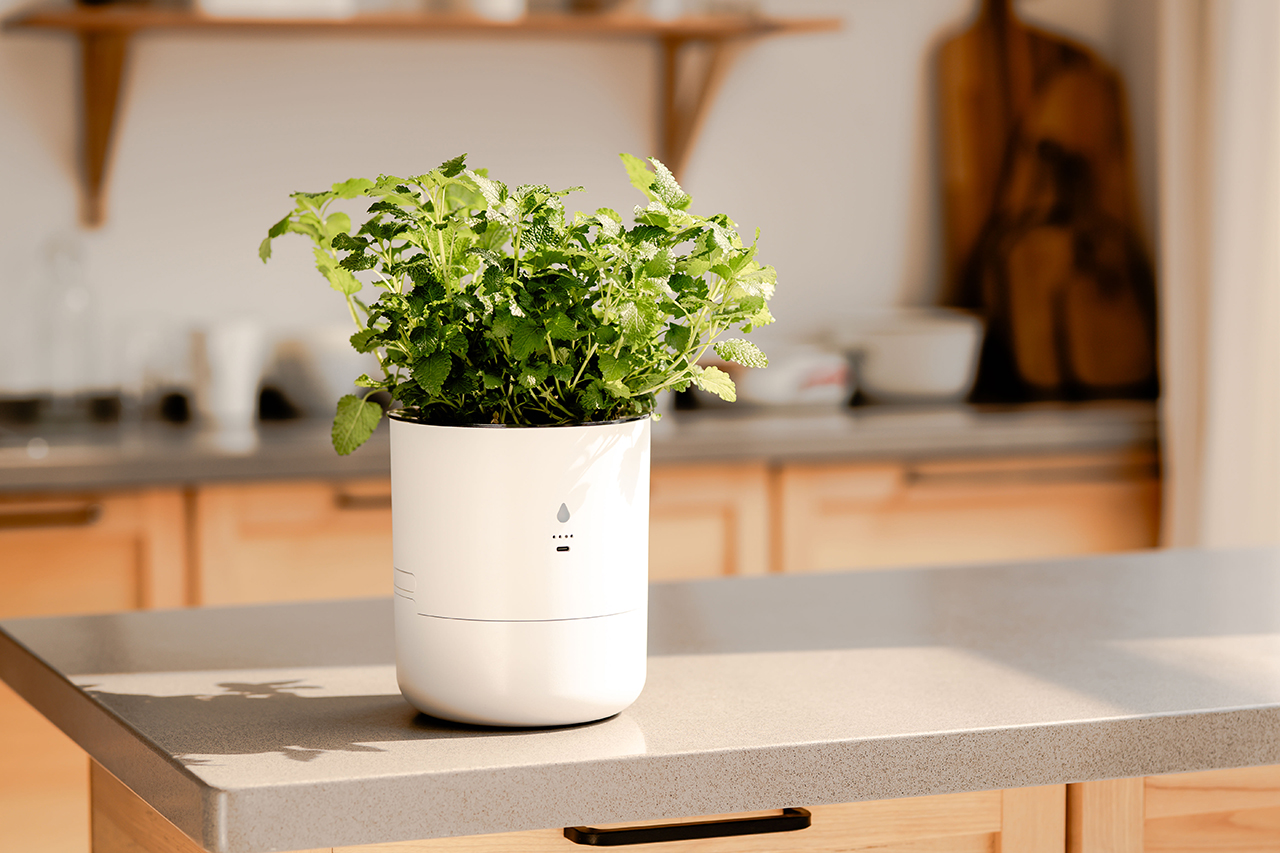
Enter the LeafyPod. Named one of TIME’s Best Inventions of 2025, this isn't just another plastic pot with a reservoir. The LeafyPod is an AI-integrated self-watering planter that uses a suite of environmental sensors to monitor soil moisture, ambient light, temperature, and humidity. By leveraging a hydroponic-inspired design and sophisticated AI algorithms, it identifies your specific plant species and delivers precise hydration directly to the roots.
In short: it’s designed to save your plants from you. After a month of rigorous testing with a notoriously finicky Maidenhair Fern and a classic Monstera, I’m ready to break down whether this $100+ investment is the ultimate sanity-saver or just another gadget for the "connected" landfill.
Unboxing the LeafyPod: Design Meets Technology
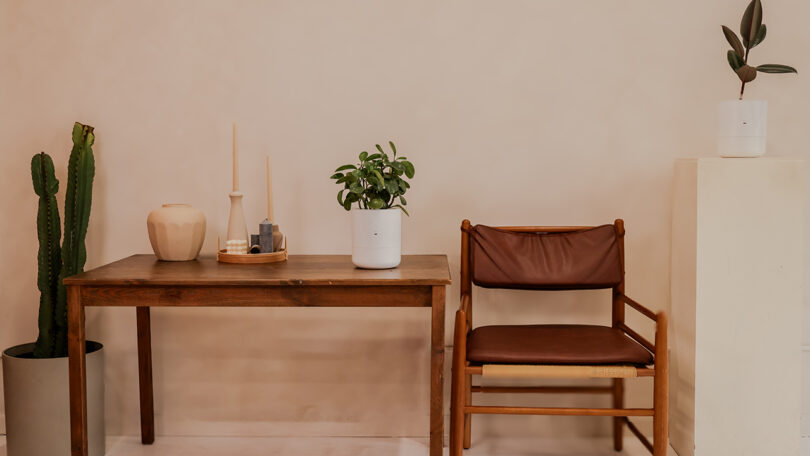
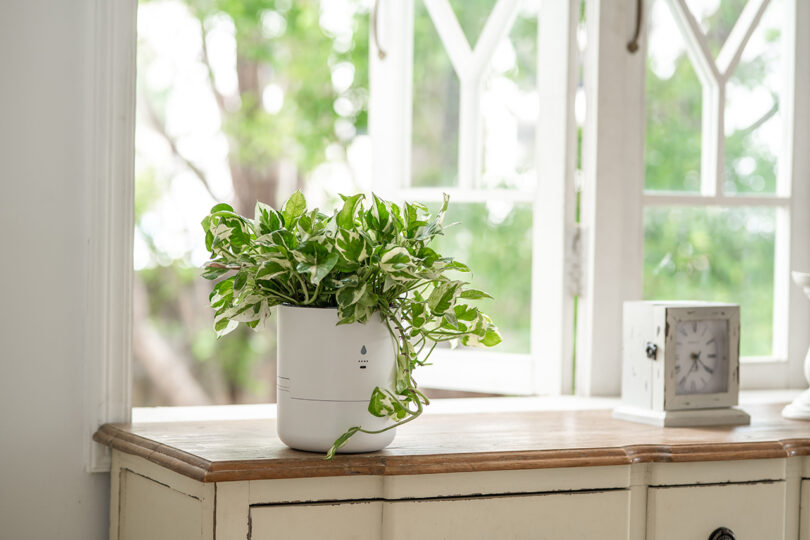
As someone who prioritizes aesthetics alongside "setup simplicity," my first impression of the LeafyPod was overwhelmingly positive. Most smart planters look like science experiments—bulky, white plastic, and utilitarian. The LeafyPod, however, leans into a minimalist, Scandinavian-inspired design that feels more like high-end decor than a piece of hardware.
The system consists of three main components:
- The Outer Shell: A sleek, durable casing available in several matte finishes.
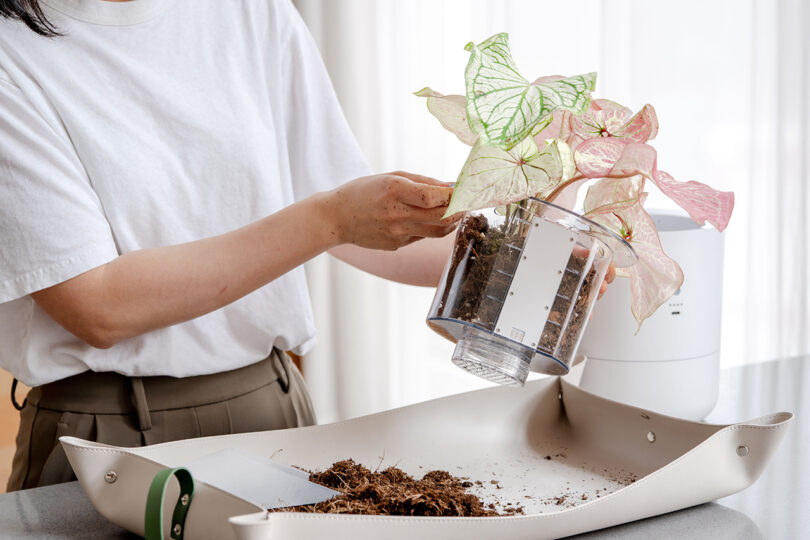
- The Transparent Inner Container: This is where the magic happens. It allows you to see the root structure (great for spotting early signs of root boundness) and houses the soil partition.
- The Tech Core: A rechargeable module that powers the sensors and the micro-pump system.
The setup process is remarkably "Noah-proof." You charge the core via USB-C, insert the inner container, and add your plant. Unlike the Click and Grow systems which require proprietary "plant pods," LeafyPod allows you to use your own soil and any plant that fits the dimensions. This flexibility is a massive win for those of us who want to choose our own exotic cultivars rather than being limited to a pre-selected catalog.
The integrated water reservoir is the headline feature here. It’s designed for 14 days of autonomous plant care, which the company claims is a 40% increase in efficiency over traditional self-watering pots. For a frequent traveler like myself, the idea of leaving for a two-week tech conference without coming home to a "brown-out" is the ultimate luxury.
The Brain Behind the Bloom: How the AI Plant Engine Works
The most common question I get about "smart" gardening is: “Why does a pot need AI?” To answer that, you have to understand why indoor plants die. The leading cause isn't neglect—it's overwatering. When we see a leaf turn yellow, our instinct is to drown it, leading to root rot.
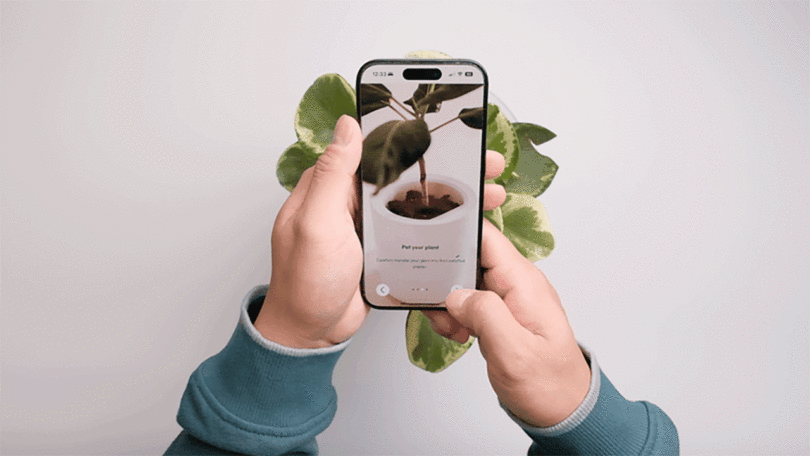
LeafyPod solves this by using what they call the AI Plant Engine. When you first set up the device, you use the companion mobile app to take a photo of your plant. The AI identifies the species and cross-references it with a database of over 10,000 plants to establish a baseline "care profile."
Pro Tip: If you have a rare hybrid that the AI doesn't recognize immediately, the app allows you to manually input care requirements or choose a "similar species" profile, ensuring the hydration logic remains sound.
Once the plant is identified, the sensors take over. It’s not just measuring if the soil is wet; it’s measuring how fast the plant is "breathing" (transpiration) based on the light and humidity in your room. If your home office gets a sudden afternoon heatwave, the LeafyPod recognizes the drop in humidity and adjusts the watering schedule in real-time. It’s proactive, not just reactive.
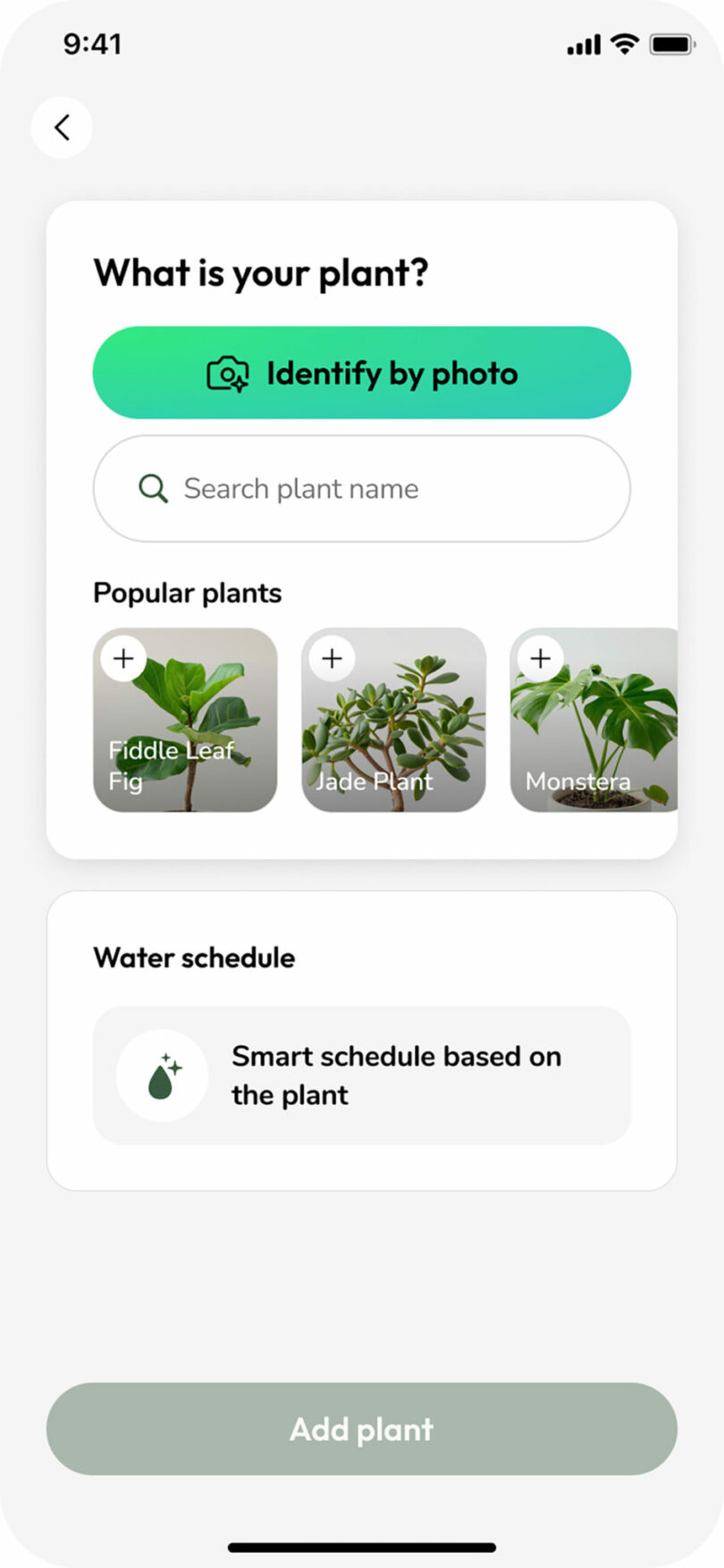
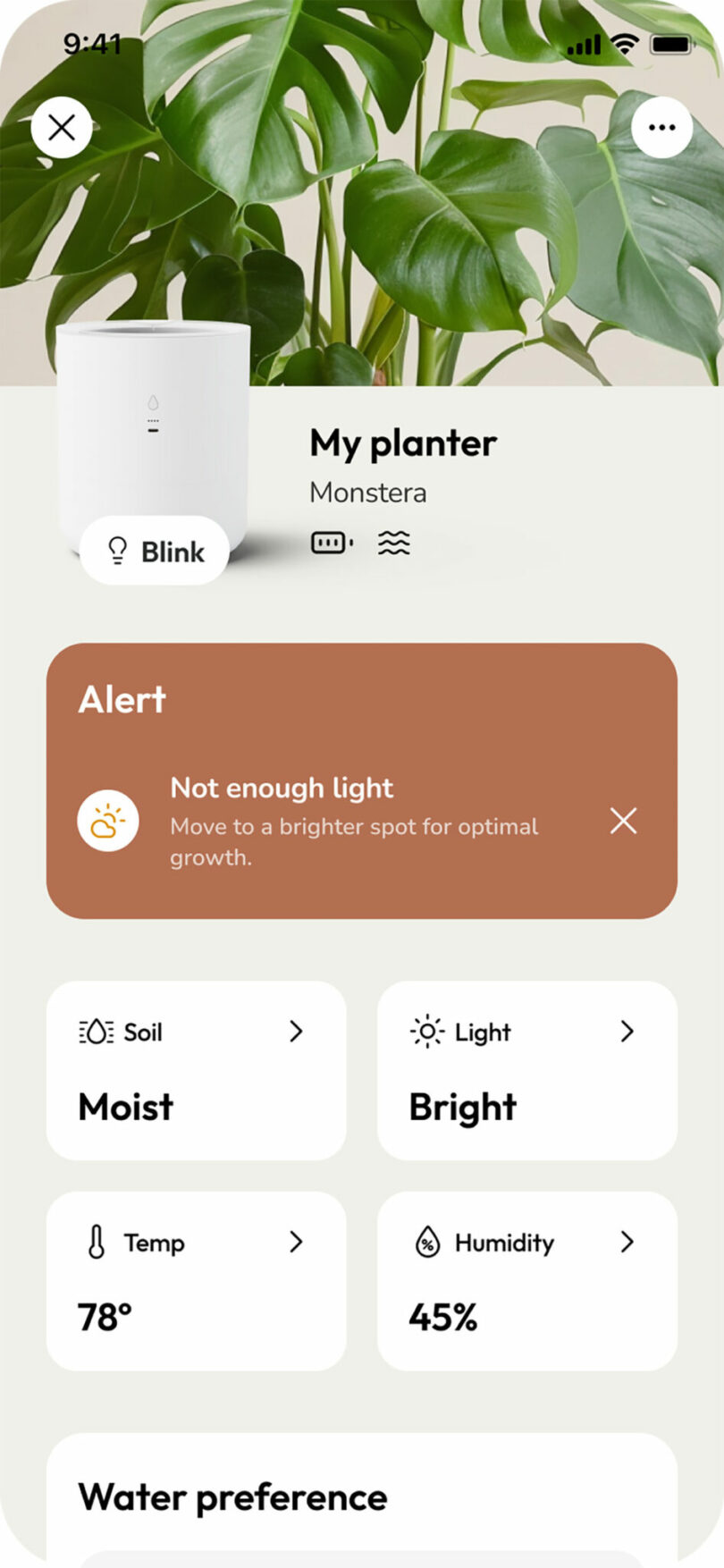
The app experience is where the "Sanity Saving" really kicks in. Instead of a vague "water me" notification, I received specific alerts like: "Your Monstera is thriving, but the ambient light has dropped by 20% this week. Consider moving me 2 feet closer to the window." This level of guided care removes the guesswork that usually leads to "plant parent" anxiety.
Testing the 85% Success Rate: Performance and Results
LeafyPod makes a bold claim: their automated hydration scheduling reduces the risk of plant mortality by an estimated 85%. To test this, I did the unthinkable. I put a Calathea—the "diva" of the plant world—into a LeafyPod and left it in my guest room, a space I rarely visit.
Normally, a Calathea requires a sacrificial ritual and exactly 64% humidity to survive. With LeafyPod, I simply filled the reservoir and ignored it.
The Results After 30 Days:
- Hydration Consistency: The soil moisture sensor maintained a steady 35-40% range, perfectly avoiding the "wet feet" that causes root rot.
- Autonomy: I only had to refill the reservoir twice in the entire month. The 14-day autonomous care claim held up perfectly, even with the plant’s high water demands.
- Health: The plant didn't just survive; it put out two new leaves. In a traditional pot, I usually lose at least one leaf to "crispy edge syndrome" within the first week.
The statistics aren't just marketing fluff. Because the system uses a hydroponic-inspired sub-irrigation method, the water is delivered to a layer below the soil, allowing the roots to "wick" up exactly what they need. This 40% increase in water efficiency over standard pots means less waste and a significantly more stable environment for the plant's delicate root system.
LeafyPod vs. The Competition: Is It Better Than Click & Grow?
When looking at the best smart planters of 2026, the main rivalry is between the LeafyPod and the established Click & Grow system. While both aim to simplify gardening, they cater to very different types of users.
| Feature | LeafyPod | Click & Grow (Smart Garden) |
|---|---|---|
| Plant Choice | Use any plant/soil you want | Requires proprietary Smart Soil pods |
| Technology | AI species ID & real-time sensors | Fixed-schedule timers |
| Watering | Adaptive AI-driven irrigation | Gravity-fed/wicker system |
| Power | Rechargeable Battery (no wires) | Needs to be plugged in |
| Best For | Decorative houseplants & flowers | Herbs, lettuce, and small greens |
The Verdict on Comparison: If you want a kitchen countertop garden to grow basil and cilantro with zero effort, Click & Grow is fantastic. But if you want to keep a prized Monstera Albo or a sentimental Orchid alive in your living room, LeafyPod is the superior choice. Its ability to adapt to your plant rather than forcing you to buy their pods makes it a true "smart home" device rather than just a kitchen appliance.
Pros and Cons: A Balanced View
No piece of tech is perfect, and as much as the LeafyPod has saved my sanity, there are a few "Real-World Usability" factors to consider.
The Strengths
- Set and Forget: The 14-day water reservoir is a game-changer for travelers and busy professionals.
- Universal Compatibility: Unlike competitors, you aren't locked into a subscription for seeds or pods.
- Battery Life: The rechargeable core lasts months on a single charge, meaning no messy wires trailing across your bookshelf.
- Educational: The app actually teaches you why your plant is happy, making you a better gardener over time.
The Weaknesses
- Initial Cost: At over $100, it’s a steep entry price compared to a $10 terracotta pot. You have to view it as "plant insurance."
- App Dependency: If your Wi-Fi is spotty or the company's servers go down, you lose the advanced tracking features (though the basic watering still functions).
- Size Limits: Currently, the LeafyPod is best suited for small to medium indoor plants. You won't be putting your 6-foot Ficus in one of these anytime soon.
Final Verdict: Is the LeafyPod Worth Your Sanity?
If you have ever felt the pang of guilt that comes with tossing a dead plant into the compost bin, the LeafyPod is absolutely worth the investment. It bridges the gap between high-tech automation and the organic joy of keeping greenery in your home.
For the casual gardener, it’s a "Set and Forget" miracle. For the tech enthusiast, it’s a data-rich addition to the connected ecosystem. It’s ideally suited for:
- Herbs: Keep your kitchen mint from wilting overnight.
- Succulents: Prevent the dreaded "death by overwatering."
- Flowers: Maintain the precise moisture needed for delicate blooms like African Violets.
In the world of 2026 smart home tech, we often see gadgets that solve problems we don't have. But "plant death" is a very real, very frustrating problem. LeafyPod solves it with elegance and intelligence.
FAQ
Q: Do I need special soil for the LeafyPod? A: No. You can use any high-quality potting mix. The AI adjusts its watering logic based on the moisture retention levels it detects in whatever medium you choose.
Q: How often do I need to charge the battery? A: In my testing, the LeafyPod’s battery lasted approximately 3 months on a single charge. The app will send you a notification when it hits 10%, giving you plenty of time to plug it in for an hour.
Q: Can I use it outdoors? A: The LeafyPod is designed for indoor use. While it can handle a covered balcony, it is not waterproofed against heavy rain, and the sensors are calibrated for indoor light levels and temperatures.