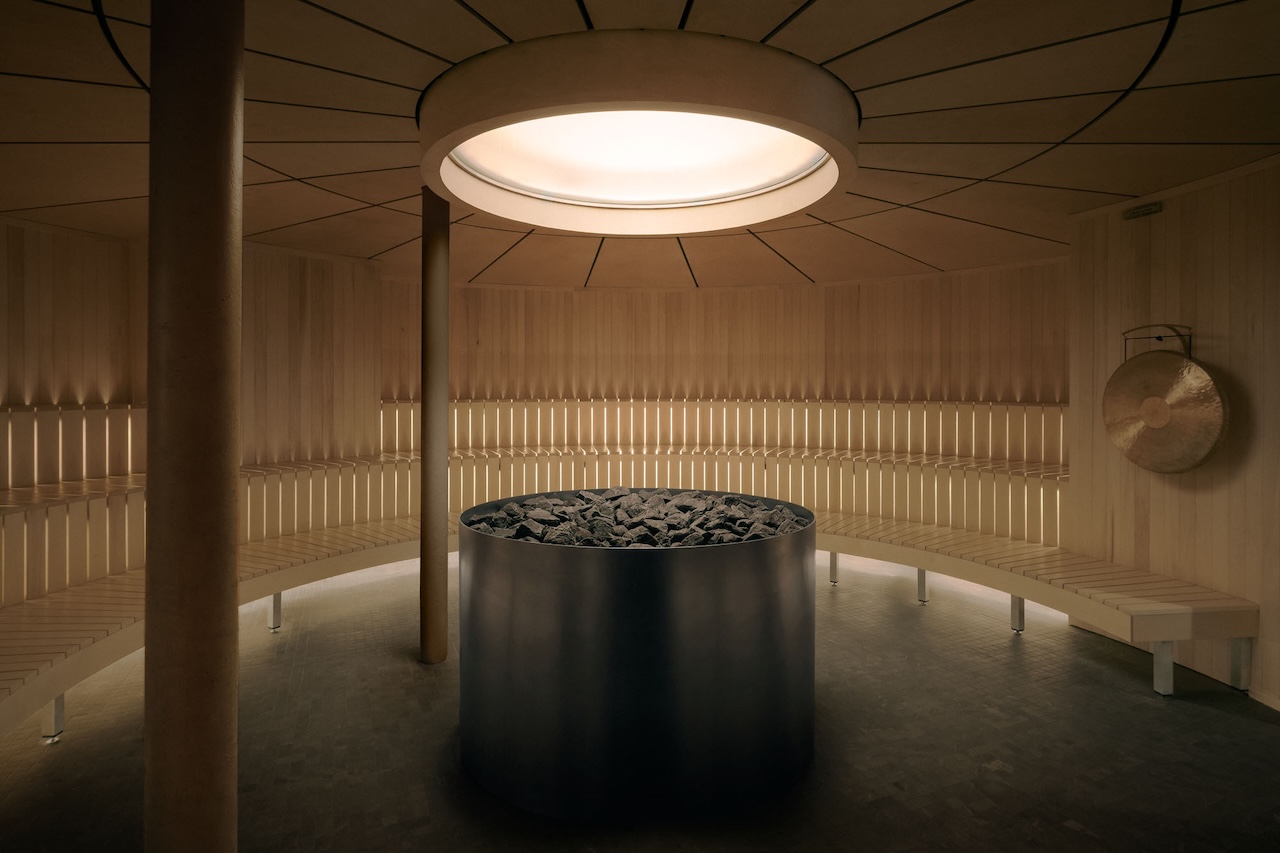
We’ve all been there: standing in a kitchen flooded with clinical, overhead fluorescent light, clutching a room-temperature drink, and trying to find a conversational foothold in a room of thirty people. It feels less like an invitation and more like an interrogation. This brand of "performance hosting"—where the guest list is long, the decor is stiff, and the host is too frazzled to actually speak to anyone—is officially a relic of the past.
As we look toward 2026, the pendulum has swung decisively toward the "Art of Intentional Hosting." We are no longer designing events for the sake of an Instagram grid; we are designing them for the soul.
The Shift Toward Intimate Gatherings
The world has become increasingly digital, fragmented, and, frankly, loud. In response, our homes are reclaiming their roles as sanctuaries—not just for ourselves, but for our communities. The core philosophy of intentional hosting is a shift from "entertainment" to "genuine togetherness." It is the practice of designing gatherings with the specific goal of fostering deep, genuine human connection rather than focusing solely on aesthetics.
In 2026, the most sought-after invitation isn't for a gala; it’s for a six-person dinner where the conversation lasts until 2:00 AM. We are seeing a move away from the "more is more" mentality. Instead of a hundred acquaintances, we are inviting a handful of friends into a space where they feel truly seen.
The 2026 Landscape: Intimacy as the New Luxury
Intimacy is the ultimate luxury of the mid-2020s. This isn't just a feeling; it’s a measurable industry shift. Recent data indicates that over 50% of event professionals are transitioning toward smaller in-person events with fewer than 200 attendees, but in the domestic sphere, that number is even tighter. The "Micro-Gathering" is the gold standard.
The modern host understands that a kitchen island or a cozy patio is a far more effective venue for connection than a rented ballroom. Why? Because the home offers a layer of vulnerability. When you invite someone into your space, you are sharing a piece of your identity.
Pro-Tip: The Clarity Rule If 2026 could have one hosting rule, it would be clarity. 67% of guests cite a lack of details as their top hosting pet peeve. Be clear about the "why" of the gathering. Is it a celebratory toast? A creative workshop? A low-stakes Tuesday pizza night? When guests know the intention, they know how to show up.
Designing the Environment for Connection
As an editor, I always tell my readers: your home is the stage, but the lighting is the director. To facilitate meaningful connection, you must design a space that whispers "stay a while" rather than "keep moving."
1. The Death of the 'Interrogation Lamp'
Nothing kills a mood faster than harsh overhead lighting. For intentional hosting, think in layers. Ditch the "big lights" in favor of dimmers, floor lamps, and an abundance of candlelight. Soft, warm light physically relaxes the nervous system, making guests more likely to open up.
2. The 'Arrival Moment'
The first five minutes of a guest's arrival dictate their comfort for the rest of the evening. Create a seamless "landing strip":
- Designated Spots: A clear place for bags and coats so guests aren't awkwardly holding their belongings.
- The Sensory Welcome: A signature scent (think cedarwood or bergamot) and a curated playlist at a volume that allows for easy chatter.
- An Immediate Offer: Don't let a guest stand with empty hands for more than sixty seconds. Whether it’s a glass of sparkling water or a cocktail, a drink serves as a "social anchor."
3. 'Collected' Tablescapes
Move away from perfectly matched, boxed sets of dinnerware. 2026 is about the "storied table." Use hand-thrown ceramic plates, textured linen napkins that haven't been perfectly pressed, and vintage glassware. These "imperfect" elements signal to guests that the evening is about comfort, not perfection.
Social Architecture: Breaking the Ice
Once the environment is set, the host's role shifts from designer to "social architect." The goal is to bridge the gap between "polite small talk" and "meaningful connection."
To break the ice effectively, use 'intentional intros' by highlighting shared interests between guests during the initial meeting. Instead of "This is Sarah," try "This is Sarah; she just finished that biography on Leonard Cohen you were mentioning last week." This gives them an immediate bridge to cross.
Another essential strategy is the 'Middler' Strategy. A "Middler" is a guest who is a naturally strong conversationalist—someone who can bridge different social groups and keep the energy flowing. As a host, identify your Middler and seat them in the center of the table or place them in a group of newer faces.
Activity-Led Hosting: Participation over Performance
We are seeing a massive surge in "Activity-Led Hosting." In 2026, guests don't just want to be served; they want to participate. This is the antidote to the "phone-at-the-table" epidemic.
According to the 2026 Pregame Report, there is a measurable surge in demand for screen-free activities such as watercolor painting and needlepoint during social gatherings. These activities provide "parallel play"—the ability to engage in a shared task while talking. It lowers the pressure of constant eye contact and allows for more natural, flowing conversation.
- The Shared Workspace: Transform your dining table into a craft station. Whether it's floral arranging or block printing, the act of creation fosters a unique bond.
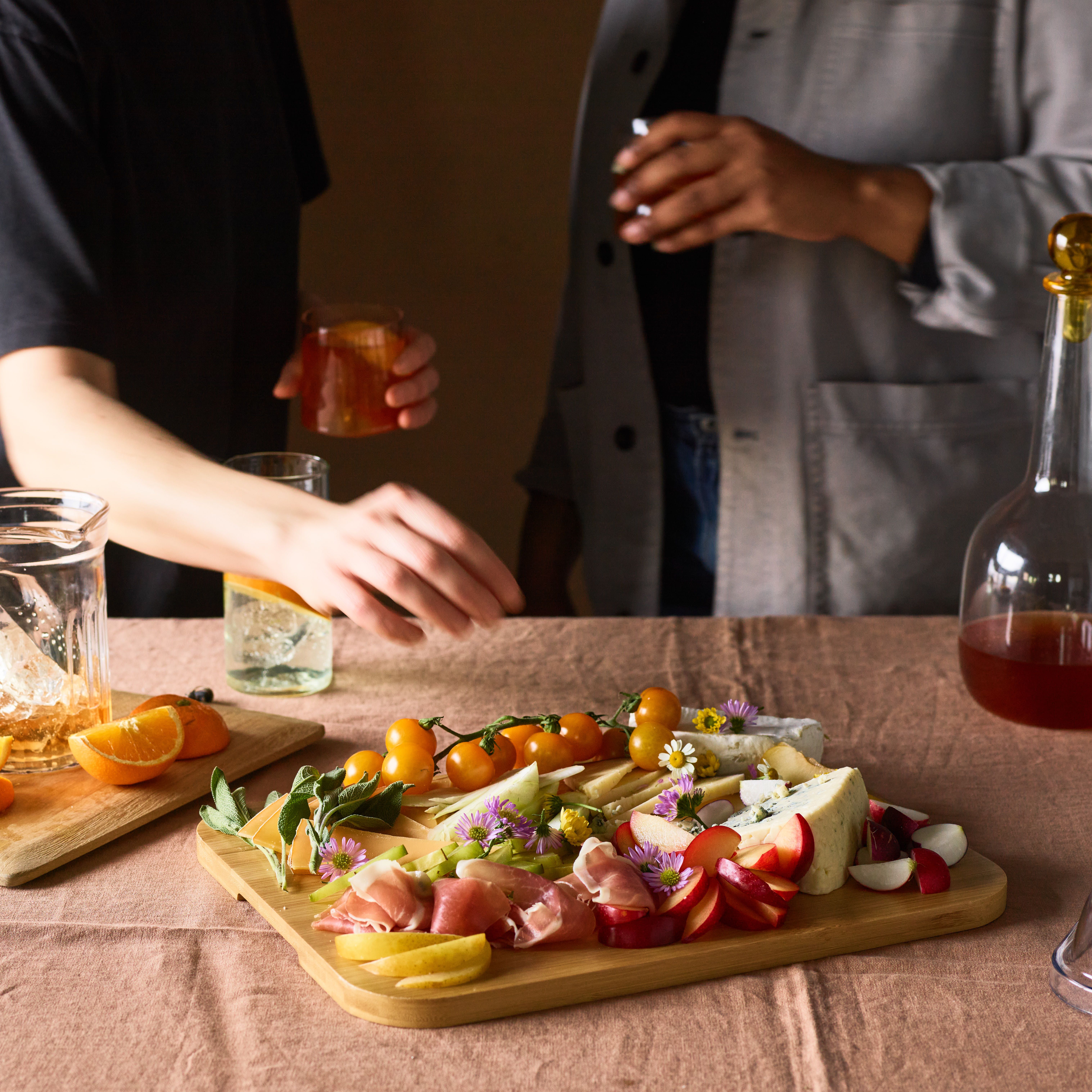
- The Collective Menu: Instead of the host hiding in the kitchen, invite guests to help assemble the meal. Hand-rolling pasta or assembling a massive mezze board together turns the "chore" of cooking into the "event" itself.
2026 Micro-Themes and DIY Creativity
Modern hosting is moving away from generic holidays and toward highly specific, "DIY" moments. About 70% of hosts are now embracing personalized touches like handwritten menus and custom playlists to make guests feel special.
| Theme | The Vibe | Key Element |
|---|---|---|
| Café at Home | Mid-morning slow living | Espresso bar + local pastries + newspapers |
| 'Tini Little Gatherings | Late-night sophisticated | Mini martinis + tinned fish + jazz vinyl |
| Summerween | Whimsical nostalgia | Pumpkin-flavored summer cocktails + outdoor movies |
| 90s Nostalgia | Low-fi and relaxed | Disposable cameras + retro snacks + unplugged games |
The New Etiquette: Communication and Clarity
The final pillar of intentional hosting is the "Communication Standard." In an age of digital noise, being a clear and considerate communicator is the ultimate mark of a good host.
Connection begins the moment the invitation is sent. Beyond the "where" and "when," provide the "how." What is the dress code? (In 2026, we love "Comfortable Chic.") Are there dietary considerations? What time does the evening truly end? Providing these details removes the "guest anxiety" that often precedes an event.
Ivy’s Reflection: "A gathering is an ecosystem of belonging. Your job isn't to be a servant; it's to be a guide. When you prioritize the comfort of your guests over the perfection of your soufflé, you create a space where magic can happen."
Conclusion: Making the Ripple Effect Last
Intentional hosting isn't about being the "host with the most." It’s about being the host with the most heart. When we design our gatherings with intention, we create more than just a dinner party; we create a memory that lingers long after the candles have been blown out.
In 2026, let your home be the place where people come to put down their phones, pick up a glass, and remember what it feels like to be truly connected.
FAQ
1. How do I transition a group from small talk to deeper conversation without it feeling forced? Use the "Middler" strategy. Place your most curious and gregarious friend in the center of the group. You can also introduce a "question bowl" with thoughtful prompts that avoid standard work-related questions, like "What is something you’re currently learning just for the fun of it?"
2. I have a small budget. Can I still be an "intentional host"? Absolutely. Intentionality costs nothing. In fact, some of the most meaningful gatherings are "potluck style" or simple "wine and cheese" nights. The intention is the connection, not the cost of the ingredients. Use candlelight and a great playlist to elevate inexpensive settings.
3. What is the best way to handle "phone usage" at a gathering? Lead by example. Keep your own phone in a drawer. You can also provide a "phone basket" at the entry or, better yet, provide an activity (like a puzzle or a craft) that naturally requires hands to be busy and screens to be down.