Quick Facts
- The Paradox: Standard vacuuming on hard floors can redistribute up to 40% of fine pet dander and microscopic dust back into your breathing zone via exhaust fans.
- The Solution: Electrostatic mops use a passive static charge to capture and lock 95% of loose particles on contact, preventing them from becoming airborne.
- The Strategy: For a truly dust-free home, experts recommend a "dry sweep" with an electrostatic mop 2–3 times per week, followed by a high-suction vacuum (like the 28,000Pa MOVA Z60) to remove heavier debris.
- The Result: Homes that utilize electrostatic sweeping before vacuuming report a 60% reduction in visible dust accumulation on furniture surfaces within 48 hours.
The 'Dusty Home' Paradox
It is one of the most frustrating experiences for any homeowner: you spend your Saturday morning meticulously vacuuming every inch of your hardwood floors, only to find a thin layer of grey film settled on your coffee table and TV stand by Sunday afternoon. You might blame a leaky window or a high-pollen count, but as someone who spends hundreds of hours testing floor care technology, I can tell you the culprit is likely the tool in your hand.
The hard truth is that many traditional vacuums—even some high-end models—are fundamentally flawed when it comes to fine particulate matter on hard surfaces. While they are masters of suction, they are also giant fans. As the motor pulls air in, it must exhaust air out. If the filtration system isn't perfect, or if the floor head's agitation is too aggressive for bare wood, the vacuum effectively acts as a dust redistributor. It sucks up the "heavy" dirt but blows the microscopic dander and fine dust back into the air, where it floats for hours before settling back onto your furniture.
This is where the electrostatic mop changes the game. It doesn't fight the dust with turbulent air; it traps it with physics.
The Physics of Dust: Why Suction Isn't Always Enough
To understand why electrostatic mops are superior for fine dust, we have to look at how different tools interact with household debris. A vacuum relies on a pressure differential—measured in Pascals (Pa) or Air Watts—to move air. On a carpet, this is essential to vibrate fibers and pull dirt from the backing. On a hard floor, however, dust sits loosely on the surface.
When a vacuum head approaches a "dust bunny" or a patch of fine pet dander, the air currents generated by the intake and the exhaust can often blow the debris away before the suction can capture it. Statistics show that standard vacuuming on hardwood can stir up and redistribute up to 40% of fine dander.
In contrast, electrostatic mops utilize specially treated polyester or polypropylene fibers that generate a small, passive static charge as they glide across the floor. This charge acts like a magnet for dust, which is naturally polarized. Instead of fighting the air, the mop secures the particles within its fibers.
Comparison: Electrostatic Mops vs. Traditional Vacuums
| Feature | Electrostatic Mop | Standard Vacuum (Hard Floor) |
|---|---|---|
| Particle Capture Rate | 95% on contact | 60% - 85% (depending on filtration) |
| Airborne Dust Potential | Near Zero | High (due to exhaust) |
| Best Surface Use | Hardwood, Tile, Laminate | Carpet, Rugs, Deep Crevices |
| Noise Level | Silent | 65dB - 80dB |
| Maintenance | Disposable pads or machine wash | Filter cleaning, bin emptying |
Ethan’s Pro Tip: Think of a vacuum as a "demolition crew" and an electrostatic mop as a "cleaning crew." One is for the heavy lifting and big debris; the other is for the meticulous detail work that makes a home feel truly clean.
The Best Way to Remove Pet Hair from Hard Floors
If you have a golden retriever or a long-haired cat, you know that pet hair doesn't just sit there; it migrates. It forms "tumbleweeds" that hide under the sofa and cling to baseboards. The challenge with vacuuming pet hair on hard floors is the "scatter effect." Many vacuum brush rolls rotate at high speeds, which can flick light pet hair across the room rather than pulling it into the nozzle.
The best way to remove pet hair from floors is a two-pronged approach that prioritizes the electrostatic mop. Because pet hair is highly susceptible to static electricity, an electrostatic sweep is incredibly efficient at "clumping" the hair. By using an electrostatic mop daily (in multi-pet homes) or 2 to 3 times per week, you prevent the hair from breaking down into smaller, airborne allergens.
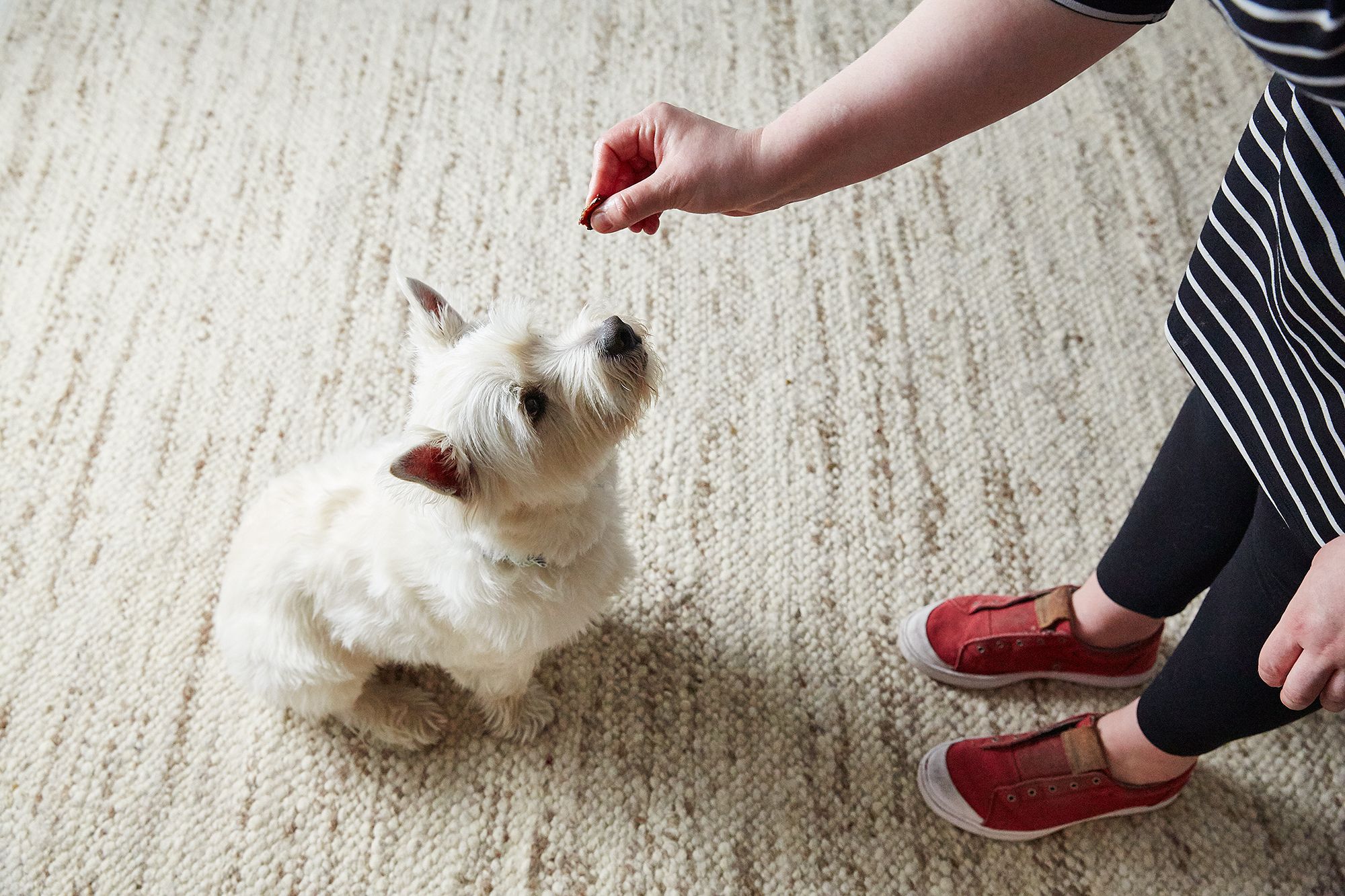
When you use an electrostatic mop first, you "lock down" the loose hair. Once the hair is collected into manageable piles or trapped in the pad, you can use your vacuum to suck up the concentrated debris. This prevents the vacuum’s exhaust from blowing loose hair into hard-to-reach corners or back into the air.
Choosing Your Tools: Electrostatic Mop Benefits
Why should you bother adding another tool to your closet? Beyond the superior dust capture, electrostatic mops offer several practical benefits for the modern household:
- Portability and Speed: There’s no cord to unwind and no heavy canister to lug around. For a quick evening "touch-up" of the kitchen and hallway, a mop is significantly faster than a vacuum.
- Silence: If you have sleeping toddlers or a pet that is terrified of the "vacuum monster," the silent operation of a mop is a lifesaver.
- Reach: Most electrostatic mops feature a low-profile, 360-degree swivel head. They can get under a mid-century modern sofa or behind a toilet where even the sleekest vacuum heads might struggle.
- Cost-Effectiveness: While you do have to purchase pads (or invest in high-quality microfiber ones), the lack of mechanical parts means these tools last for years with zero maintenance.
However, it is important to acknowledge the limitations. An electrostatic mop will not pull sand out of a rug, and it won't pick up the Cheerios your toddler spilled. It is a specialist tool designed for fine particulate matter.
When to Bring in the Heavy Artillery
Does the effectiveness of an electrostatic mop mean you should throw away your vacuum? Absolutely not. You still need raw power for deep cleaning and for removing larger debris that static electricity simply can't handle—things like dried mud, spilled cereal, or grit tracked in from the garage.
This is where a high-performance vacuum comes into play. For those who take floor maintenance seriously, I often recommend the MOVA Z60. With its impressive 28,000Pa suction power, it provides the "heavy artillery" needed for a total home clean.
In a high-suction vacuum, the goal is to ensure that whatever goes into the machine stays in the machine. The MOVA Z60 is particularly effective as the "closer" in your cleaning routine. After you’ve done an electrostatic sweep to secure the fine dust and hair, the Z60 can be used to deep-clean the crevices of your floorboards and transition to area rugs seamlessly. Using a vacuum with this level of power ensures that even the heaviest sand and dirt particles are removed in a single pass, reducing the time you spend cleaning.
A Pro-Level Weekly Cleaning Routine
To achieve that "magazine-clean" home where dust doesn't reappear 24 hours later, you need a system. Based on my years of testing, here is the most efficient 3-step routine to reduce visible dust by 60%:
-
Step 1: The 'Dry Sweep' (The Trap) Start with your electrostatic mop. Work from the edges of the room toward the center. Don't lift the mop off the floor; keep it in contact with the surface to maintain the static charge. This captures 95% of the fine dander and hair that a vacuum might otherwise blow around.
-
Step 2: Targeted Vacuuming (The Extraction) Use a high-suction vacuum like the MOVA Z60 to pick up the piles of debris gathered by the mop. This is also the time to use your vacuum attachments for baseboards, window sills, and upholstered furniture. Since you’ve already removed the loose "floaters" with the mop, your vacuuming will be much more effective and won't contribute to airborne dust.
-
Step 3: Deep Cleaning (The Reset) Once a month—or once a week in high-traffic kitchens—follow up with a wet-dry mop or steam cleaner. This removes the sticky residue and bonded grime that neither static nor suction can touch.
By following this order—Mop, then Vacuum—you ensure that dust is actually removed from your environment rather than just relocated.
FAQ
Q: Can I use a microfiber mop instead of disposable electrostatic pads? A: Yes! High-quality microfiber mops work on the same electrostatic principle. The tiny hooks in the microfiber generate a charge and physically trap dust. Just ensure you wash them without fabric softener, as softener can coat the fibers and reduce their static potential.
Q: How often should I really be cleaning my floors to stop dust buildup? A: For a standard home, an electrostatic sweep twice a week is the "sweet spot." If you have pets that shed, daily sweeping is recommended for high-traffic areas.
Q: Why does my vacuum still smell like dust when I use it? A: This is usually a sign of poor filtration or a full bag/bin. If your vacuum doesn't have a sealed HEPA system, microscopic particles are escaping through the exhaust. Using the "mop-first" method significantly reduces the amount of fine dust your vacuum has to process, which can help prolong the life of your filters.
Conclusion
The secret to a truly dust-free home isn't just about how hard you clean, but how smartly you use the tools at your disposal. While we’ve been conditioned to think of the vacuum as the ultimate floor-care solution, it is often the humble electrostatic mop that does the most important work in air quality management.
By trapping 95% of fine particles on contact, you break the cycle of dust redistribution. Use your mop to capture the allergens, use a high-suction powerhouse like the MOVA Z60 to handle the heavy lifting, and you’ll finally see the end of those "mysterious" layers of dust on your furniture.
Ready to upgrade your cleaning game? Start with the right foundation and let physics do the heavy lifting for you.