We live in an era of digital noise and rapid consumption, yet the dining table remains one of our few remaining sacred, analog spaces. It is where we transition from the "doing" of the day to the "being" of the evening. As an editor, I am constantly searching for objects that don't just fill a space but elevate this daily transition into a ritual. Recently, my radar settled on Bicla, a boutique textile house from Northern Portugal that is quietly redefining the modern heirloom.
Bicla linens are not your grandmother’s formal lace; they represent a sophisticated fusion of rugged Northern Portuguese craftsmanship and the restrained elegance of Japanese design principles. Each piece, from their signature napkins to their multi-functional bento bags, is hand-stitched in small batches. This intentional production model doesn't just ensure heirloom-level durability—it also reduces textile waste by 30% compared to mass-produced dining linens. By utilizing sustainable cotton-linen blends and artisan hand-stitching, Bicla offers a tactile experience that mass manufacturing simply cannot replicate.
The Bicla Story: Where Northern Portugal Meets Japanese Minimalism
The soul of Bicla is rooted in a spirit of adventure. The name itself is inspired by "adventures on two wheels," reflecting a philosophy of discovery and the beauty found in the journey. Based in the textile heartland of Northern Portugal, the brand leverages generations of local expertise but filters it through a lens of Japanese minimalism. This "Japandi" influence manifests in raw edges, understated palettes, and a focus on the inherent beauty of the fiber.
What sets these handcrafted Portuguese table textiles apart are the "micro-details" that only become apparent upon closer inspection. You won’t find hidden plastic hems here. Instead, look for:
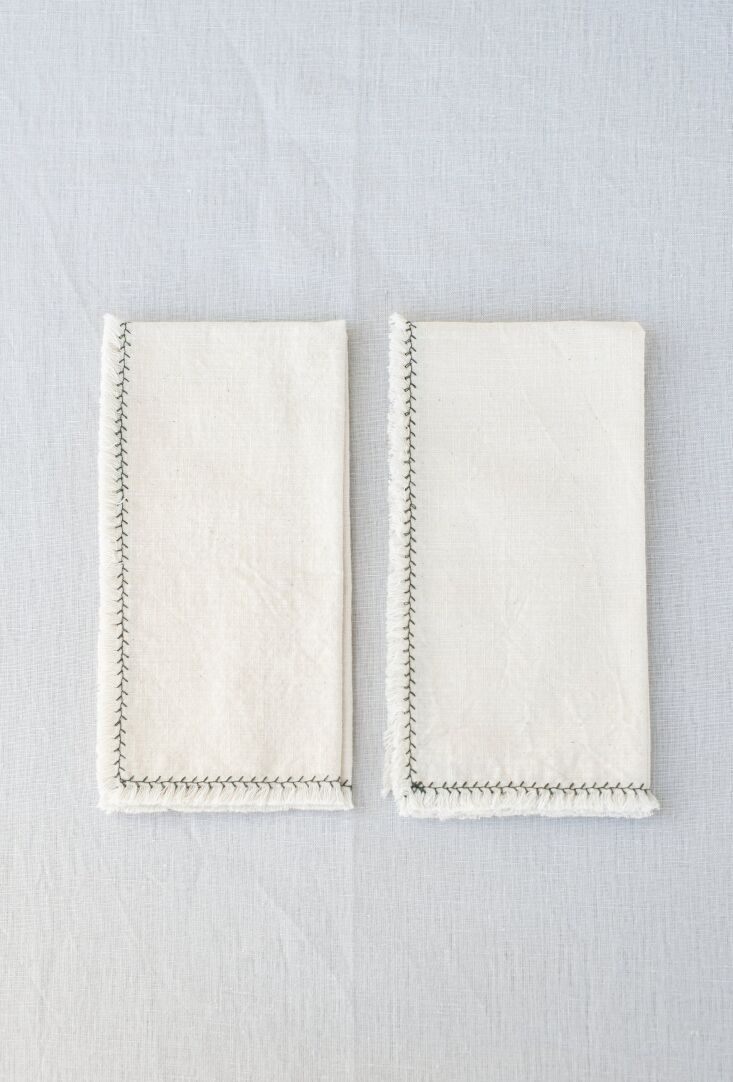
- Green Zigzag Stitching: A signature brand mark that adds a playful, artisanal "branch" effect to the borders.
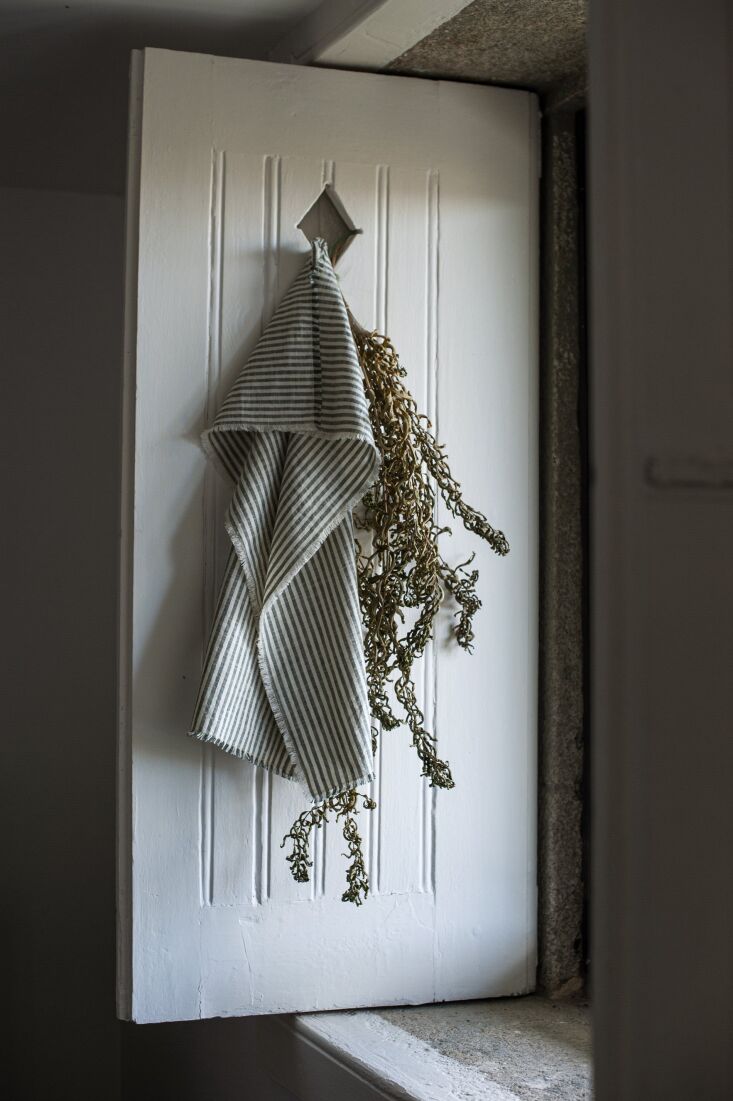
- Herringbone Tape Loops: Functional and aesthetic, allowing tea towels to be hung with a sense of deliberate style.
- Hand-Finished Raw Edges: A nod to the "Wabi-sabi" philosophy of finding perfection in the imperfect.
For those looking to start their collection, The Cotton Flamé Natural Napkins are the quintessential entry point. "Flamé" refers to the slubby, intentional irregularities in the yarn that create a rich, tactile surface. These aren't napkins you save for Christmas; they are designed to be used, washed, and softened over a lifetime of Tuesday night dinners.
2026 Tablescaping Trends: Why Stripes and Textures Rule the Year
As we look toward the 2026 Spring-Summer design cycle, the "Joyful Stripes" trend is taking center stage. After years of muted, monochromatic "quiet luxury," the design world is pivoting toward invigorating, candy-inspired palettes that spark conversation. We are seeing a surge in bubblegum pinks, citrus yellows, and cool pistachios—colors that Bicla integrates through sophisticated weaving rather than loud prints.
Market analysis of the 2026 collections reveals a fascinating shift in consumer behavior: there has been a 45% increase in interest for multi-functional 'Bento Bags' and raw-edge linens over traditional, floor-length formal tablecloths. Modern hosts want versatility. They want a textile that looks as at home on a picnic blanket as it does on a reclaimed oak dining table.
Editor’s Tip on Layering: To master the 2026 look, play with "Directional Contrast." Layer a tablecloth with horizontal stripes against napkins featuring vertical stripes. This creates a dynamic, architectural feel to the table that feels curated rather than "matched."
Curated Sets: Investing in Artisan Quality
In the world of luxury linens, price is often a reflection of the "touch time" an artisan spends on a piece. While mass-market kitchen towels might cost a few euros, they rarely survive a year of heavy use. Artisan tea towels from premium brands like Bicla and Yves Delorme typically range from €10 to €25 per individual cloth, reflecting the superior fiber length and hand-finished detailing.
| Item | Price Point (Est.) | Key Feature |
|---|---|---|
| Artisan Tea Towels (Single) | €10 - €18 | Sustainable cotton, hanging loops |
| Curated Set of 2 Tea Towels | €22 - €32 | Contrast stitching, gift-ready |
| Cotton Flamé Napkins (Set of 4) | €45 - €55 | Heirloom durability, raw edge |
| Natural Melange Table Runner | €40 | Heavyweight drape, minimalist |
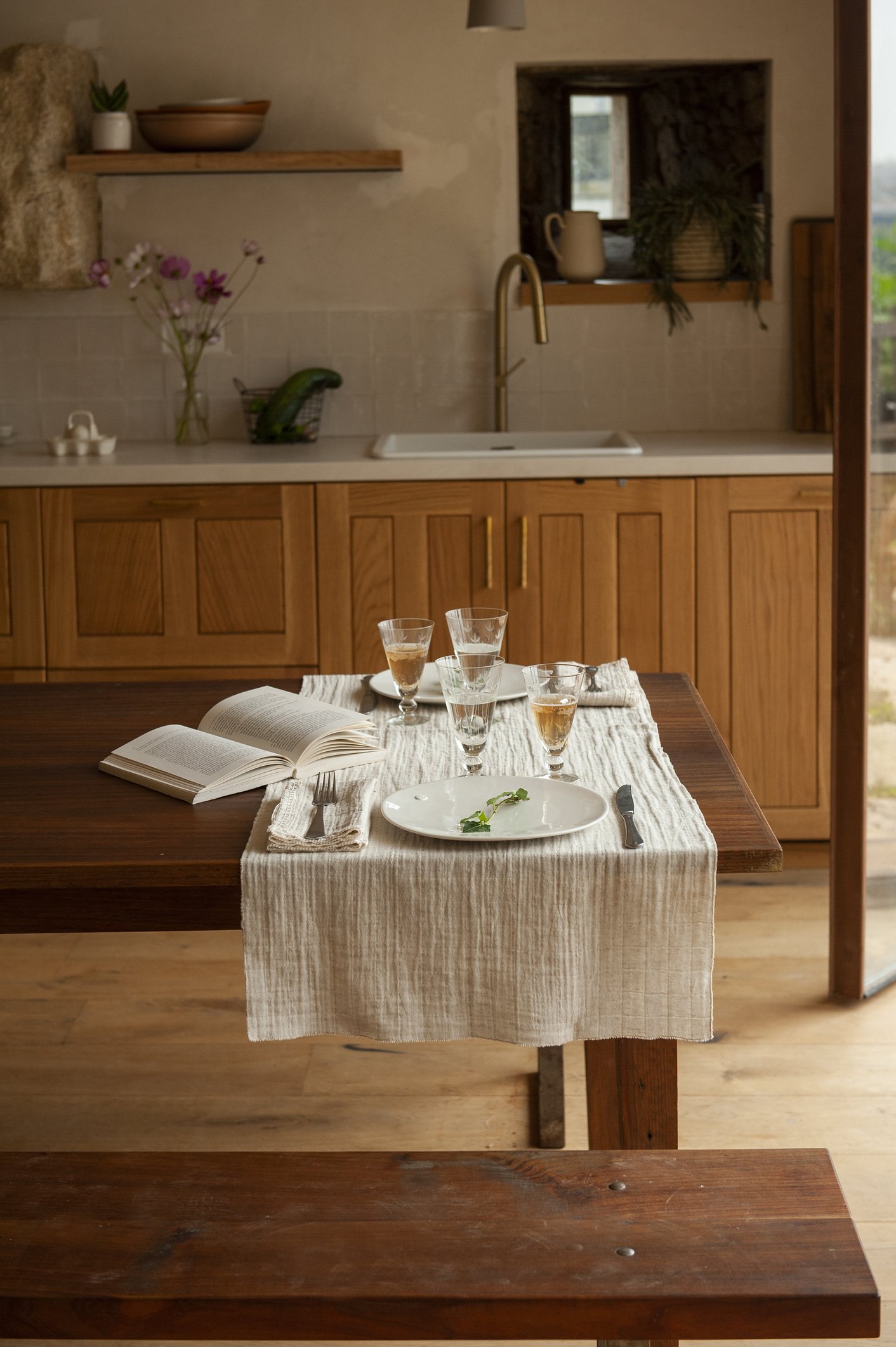
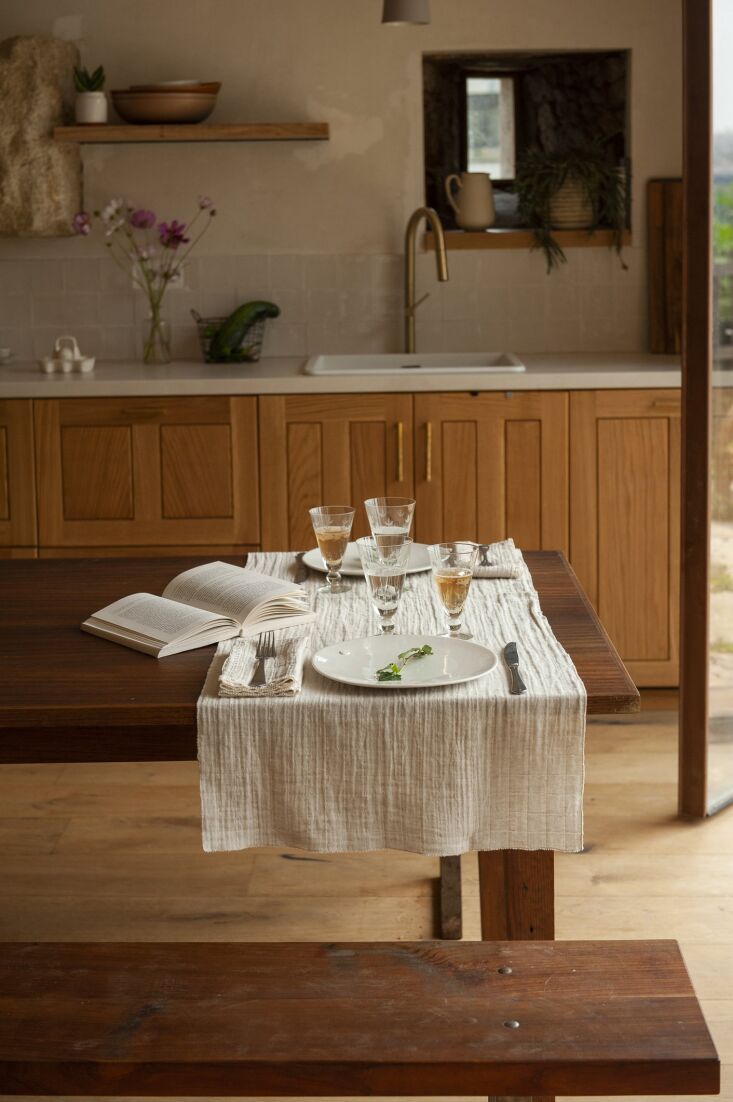
One of my personal favorites for a modern dining room is the Natural Melange Table Runner with Raw Edge (€40). It provides a grounding, neutral base that allows the vibrant "Joyful Stripes" of the napkins to pop. The melange weave hides minor spills remarkably well, making it a practical choice for families who don't want to sacrifice style for utility.
Sustainability and the Mindful Table
Choosing Bicla is an act of environmental intentionality. By supporting a small-batch production model, you are actively pushing back against the "disposable" textile industry. Their use of sustainable artisan cotton napkins and linen blends ensures that the items are biodegradable at the end of their (very long) life cycle.
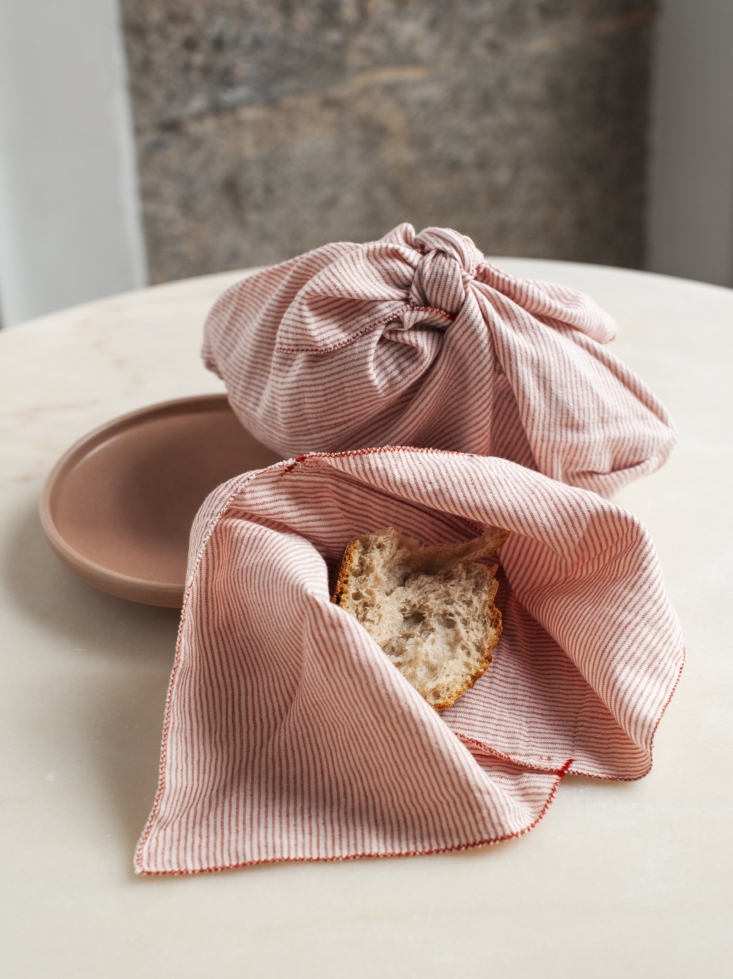
The Bento Bag in Akane Red Stripes is perhaps the most innovative example of their sustainability ethos. Originally a Japanese concept for carrying lunch, Bicla has reimagined it in sturdy Portuguese cotton. These bags are replacing single-use gift wrap and plastic lunch containers among the design-conscious set. They are a testament to the fact that luxury doesn't have to be wasteful.
Styling Tips: The Art of Modern Eclecticism
To truly elevate your dining ritual, I recommend embracing Modern Eclecticism. You don't need a full set of matching linens. In fact, a table that looks "too perfect" can often feel uninviting.
- Mix the Mediums: Pair the heavy, "toothy" texture of a Bicla linen runner with delicate, watercolor-wash ceramic plates. The contrast between the rustic textile and the refined glaze creates visual tension that is very "editor-approved."
- Seasonal Transitions: Use the same neutral base (like the Natural Melange) year-round. In spring, accent with pistachio and citrus napkins. In winter, pivot to deep Akane reds and forest greens.
- The "Casual Drape": Don't iron your linens to a crisp. The beauty of high-quality cotton and linen is in the natural drape. A slightly rumpled, soft-washed napkin feels far more luxurious and "lived-in" than a stiff, starched one.
FAQ
Q: How do I care for artisan linens with raw edges? A: Despite their delicate appearance, Bicla linens are incredibly durable. Machine wash on a gentle cycle with mild detergent. The raw edges are secured with stay-stitching to prevent excessive fraying. Over time, the edges will develop a soft, fringed character that adds to the "heirloom" charm.
Q: Why choose a cotton-linen blend over 100% linen? A: While 100% linen is beautiful, it is highly prone to deep creasing. A sustainable cotton-linen blend, like those used by Bicla, offers the breathability and texture of linen with the added softness and "memory" of cotton, making them easier to maintain for daily use.
Q: Are these linens suitable for outdoor dining? A: Absolutely. The "adventure-inspired" ethos of the brand means these textiles are designed for movement. The bento bags and sturdy tea towels are perfect for elevated picnics or alfresco garden dinners.
Conclusion
Elevating your dining ritual isn't about buying the most expensive items; it's about choosing pieces with a story, a soul, and a sense of longevity. Bicla’s artisan heirloom linens offer a rare bridge between the traditions of Northern Portugal and the modern minimalist aesthetic. By investing in these "everyday essentials," you aren't just decorating a table—you are setting the stage for a lifetime of mindful moments.
Whether you are drawn to the "Joyful Stripes" of the 2026 season or the timeless appeal of the Cotton Flamé, remember that the best linens are those that get better with every wash, every meal, and every shared laugh.