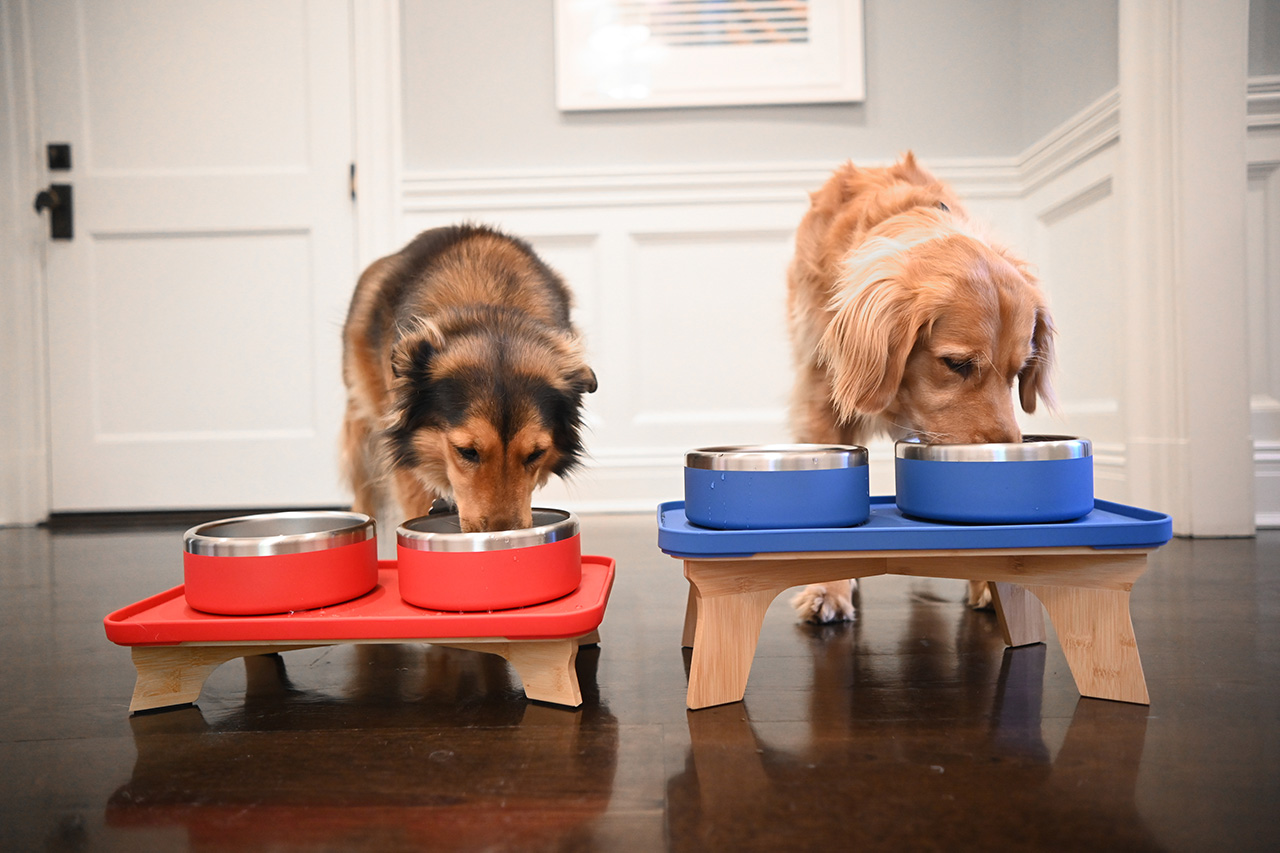
Quick Facts
- Best For: Senior dogs, breeds prone to arthritis, and dogs diagnosed with megaesophagus.
- Key Benefit: Improves posture and reduces cervical spine strain by allowing a more neutral neck position during ingestion.
- Major Risk: For deep-chested, large breeds (e.g., Great Danes, Dobermans, Weimaraners), elevation may double the risk of Gastric Dilatation-Volvulus (GDV), commonly known as bloat.
- Optimal Height: The bowl rim should sit approximately 4 to 6 inches below the dog’s shoulder height.
- Material Selection: Stainless steel is the gold standard for hygiene, preventing the bacterial "biofilm" often found in plastic or porous ceramic bowls.
For years, the standard dog bowl sat on the floor, a simple utility item tucked away in a corner of the kitchen. However, as we have begun to treat pet nutrition and ergonomics with the same rigor we apply to our own standing desks and orthopedic chairs, the "elevated feeder" has moved from a niche medical accessory to a mainstream home appliance. As an editor specializing in the long-term value of household products, I’ve watched this trend closely. The shift isn't just about aesthetics or keeping the kitchen floor cleaner—though those are welcome side effects. It’s about a fundamental change in how we support our pets’ biological needs over their entire lifespan.
The core question for any pet owner in 2026 is no longer just "which food," but "from what height?" The answer, as it turns out, is highly individualized. While an elevated station can be a life-changing upgrade for a senior Golden Retriever struggling with stiff joints, it could potentially be a health hazard for a young, deep-chested Great Dane. Understanding this nuance is critical to making an informed investment in your dog’s long-term health.
The Orthopedic Advantage: Why Your Senior Dog Needs a Lift
As dogs age, the simple act of leaning down to reach the floor becomes an exercise in discomfort. Most owners don't realize that a floor-level bowl requires a dog to shift their center of gravity forward, putting significant pressure on the forelimbs and the cervical spine. For a dog with osteoarthritis or Intervertebral Disc Disease (IVDD), this repeated strain at every meal can lead to chronic pain and a reluctance to eat.
Veterinary observations updated for 2026 indicate that nearly 75% of senior dogs with mobility issues exhibit improved posture and a marked reduction in mealtime discomfort when switching to a feeder adjusted to their specific height. By bringing the food to the dog, rather than forcing the dog to the food, we maintain a neutral spinal alignment. This is particularly vital for breeds prone to hip dysplasia; by reducing the need to crouch, we alleviate the weight-bearing load on the hindquarters.
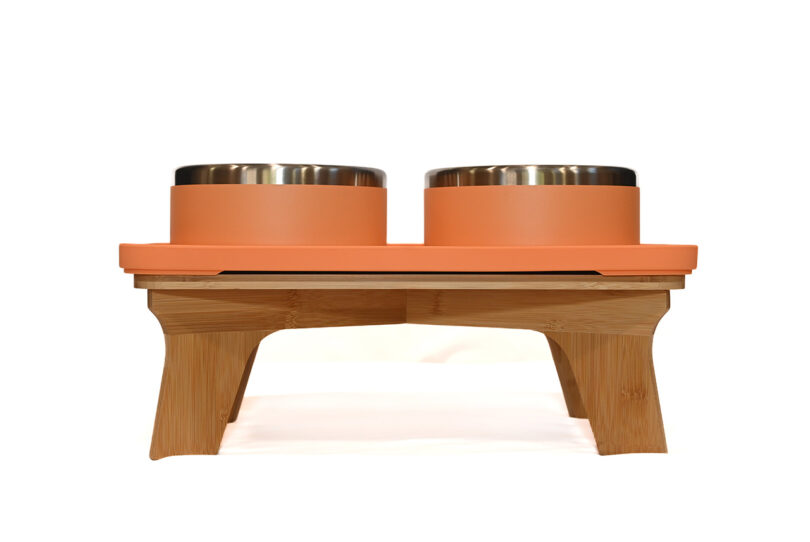
Beyond the joints, elevated feeding is often the primary non-surgical intervention for megaesophagus—a condition where the esophagus loses its ability to move food into the stomach. Elevation utilizes gravity to help the bolus of food travel downward, preventing regurgitation and the subsequent risk of aspiration pneumonia. For these dogs, an elevated station isn't a luxury; it's a piece of life-saving medical equipment.
The Bloat Debate: When Elevation Becomes a Risk
While the orthopedic benefits are clear, we cannot ignore the "Bloat Debate." Gastric Dilatation-Volvulus (GDV) is a life-threatening condition where the stomach fills with gas and twists on itself. It is the second leading cause of death for several large breeds.
For years, many believed that raising the bowls would prevent bloat by reducing the amount of air swallowed. However, seminal research from Purdue University flipped this logic on its head. The study suggested that feeding large-breed dogs from elevated stands can potentially double the risk of GDV compared to floor-level feeding. The theory is that a higher bowl position may actually encourage "gulping" or a specific swallowing angle that traps more air.
Editor’s Note: If you own a "deep-chested" breed—specifically Great Danes, Saint Bernards, Weimaraners, or Doberman Pinschers—the current veterinary consensus is to exercise extreme caution with elevation. Unless your vet specifically recommends it for a secondary condition like megaesophagus, floor-level feeding remains the safer baseline for these high-risk breeds.
Designing the Perfect Feeding Station
When selecting a feeder, I evaluate it much like I would a high-end kitchen appliance: material durability, ease of maintenance, and ergonomic flexibility. Not all elevated feeders are created equal, and the market is currently flooded with "aesthetic" wooden stands that fail the hygiene test.
Material Comparison Table
| Material | Hygiene Rating | Durability | Best For |
|---|---|---|---|
| Stainless Steel | 5/5 | High | All-purpose; prevents bacterial growth (acne) |
| Ceramic | 3/5 | Moderate | Aesthetic-focused; must be lead-free and uncracked |
| Plastic | 1/5 | Low | Short-term use only; prone to scratches and bacteria |
| BPA-Free Silicone | 4/5 | High | Travel and slow-feeding inserts |
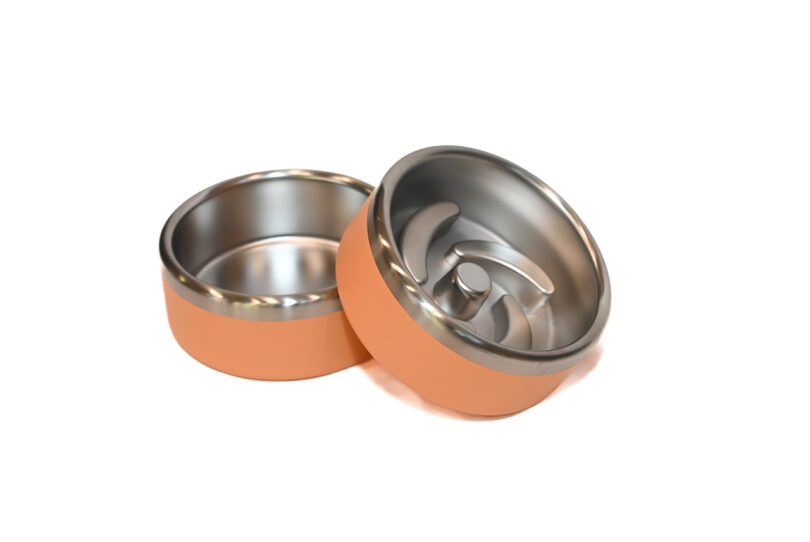
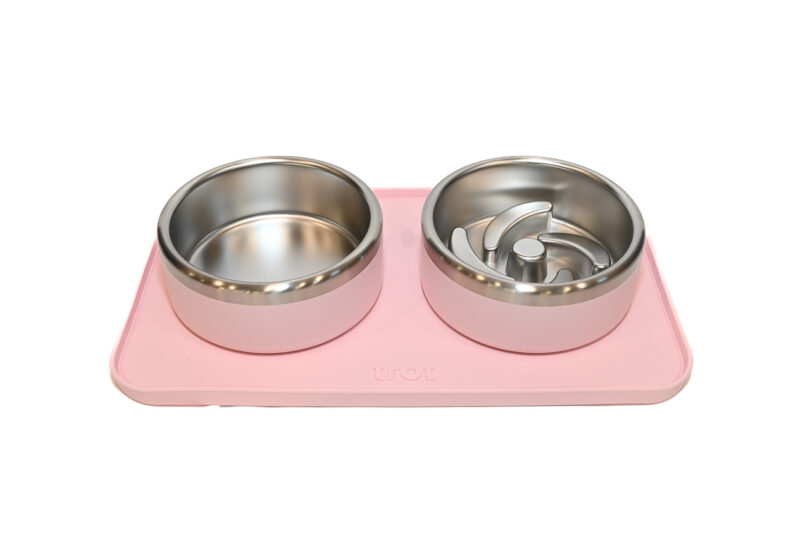
The modern approach, exemplified by brands like Trot Pets, is to combine these materials strategically. Their systems often feature a heavy-duty, stable base paired with medical-grade stainless steel bowls and optional slow-feed inserts. This "modular" design is essential because it addresses two health issues at once: posture (via elevation) and digestion speed (via the puzzle insert).
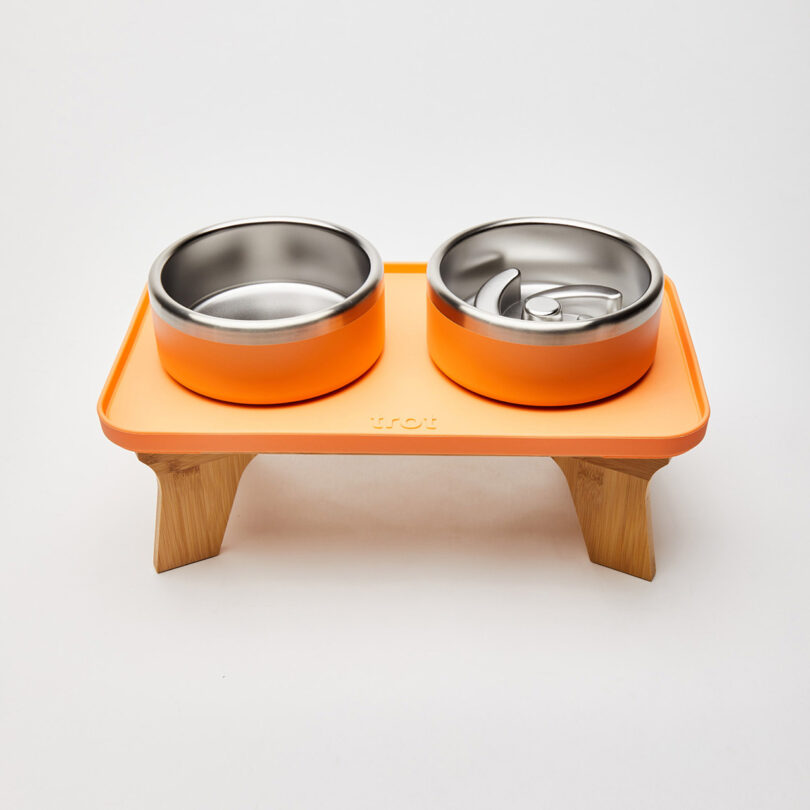
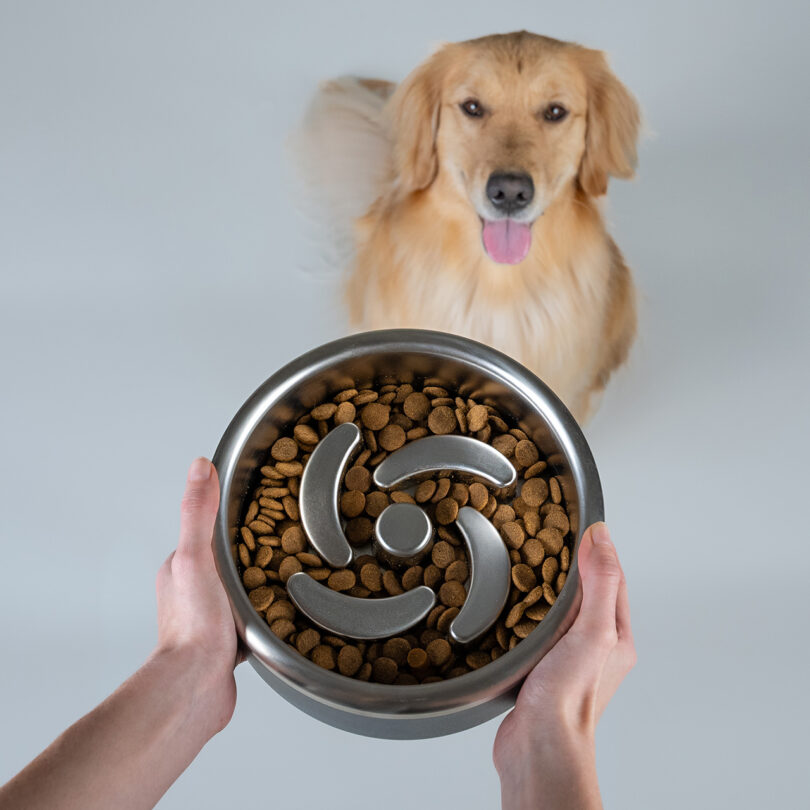
Slow-feeders are particularly important when using an elevated stand. Because elevation can sometimes make it "too easy" to eat quickly, adding a physical barrier in the bowl forces the dog to use their tongue and brain, slowing the ingestion rate and potentially mitigating some of the air-swallowing risks associated with higher bowls.
Sizing Guide: How to Measure Your Dog for a Feeder
The most common mistake I see is owners choosing a stand that is too high. An over-elevated bowl forces the dog to tilt their head back, which is just as ergonomically damaging as leaning too far down.
The 4-6 Inch Rule: To find the "Goldilocks" height for your dog, measure from the floor to the top of their front shoulder (the withers). Subtract 4 to 6 inches from that measurement. That result is the ideal height for the top rim of the bowl.
- Small Dogs (under 12"): Usually only require 2-4 inches of elevation, if any.
- Medium Dogs (12"-17"): Typically thrive with a 6-10 inch stand.
- Large Dogs (18"+): Usually need 12 inches or more, but remember the bloat caveat.
For puppies or multi-dog households, I highly recommend adjustable height stands, such as the Pet Zone Designer Diner. These allow the station to "grow" with the dog, ensuring you aren't replacing the entire unit every six months as your pup reaches maturity.
Maintenance and Hygiene: The Professional Standard
As a kitchen editor, I am hyper-aware of "biofilm"—that slimy layer that forms on the bottom of water bowls. It is a complex colony of bacteria, including Serratia marcescens, which can lead to urinary tract infections and "canine acne" (skin infections on the chin).
- Daily Rinse: Both food and water bowls should be rinsed daily.
- The Dishwasher Test: Ensure your bowls are dishwasher safe. High-heat cycles are the only way to truly sanitize the surfaces.
- Stand Maintenance: Wooden stands look beautiful but are porous. If you use wood, ensure it is sealed with a food-safe, water-resistant finish to prevent mold growth from spilled water.
- Non-Slip Integration: Stability is safety. A dog that is startled by a sliding or clanking bowl will develop "feeding anxiety." Look for stands with rubberized feet or integrated silicone mats.
Top Picks for 2026: From Orthopedic to Smart Feeders
After reviewing dozens of configurations, these are the standout performers for different household scenarios:
- Best Overall: OurPets Comfort Diner This model hits the sweet spot of price and performance. It features a tip-resistant design and uses high-quality stainless steel inserts that don't rattle, which is a common complaint with cheaper stands.
- Best for Modern Interiors: Trot Pets Elevated Set For those who don't want their kitchen looking like a kennel, Trot Pets offers a sleek, architectural design. More importantly, their system allows for the integration of puzzle feeders, making it the best choice for fast eaters who need elevation.
- Best for Messy Eaters: Neater Feeder Deluxe If your dog "shovels" their food, resulting in more on the floor than in their stomach, this feeder is a lifesaver. It features high splash guards and a drainage system that separates spilled food from spilled water.
- Best for Travel: ComeSoon Foldable Stand Consistency is key for dogs with joint pain. This collapsible model ensures you can maintain their ergonomic feeding height even while on a road trip or staying in a hotel.
FAQ
Q: Can an elevated feeder prevent my dog from making a mess? A: Generally, yes. By bringing the bowl closer to the dog's mouth, there is less "drop distance" for food and water to fall. Many models also feature "drip catchers" to protect your hardwood floors.
Q: My dog is a "deep-chested" breed but has severe arthritis. Should I elevate? A: This is a classic medical trade-off. You must consult your veterinarian. In many cases, they may suggest a "semi-elevated" position (only 2-3 inches) or using a slow-feeder on the floor to balance the risks.
Q: How often should I replace the bowls? A: If using stainless steel, they can last a lifetime unless they become deeply scratched or pitted. If using plastic or ceramic, replace them immediately if you see any cracks, chips, or deep scratches where bacteria can hide.
The Bottom Line
Is an elevated pet feeder better for your dog? If you are looking at a senior dog, a dog with neck issues, or a breed prone to megaesophagus, the answer is a resounding yes. The improvement in their daily quality of life and mealtime comfort is statistically significant and visually obvious.
However, for those with high-risk "bloat" breeds, the floor remains the safest place for a bowl. The "long-term value" of any pet product is measured not by its price tag, but by its contribution to a healthy, pain-free life. Choose based on your dog's specific anatomy and age, and prioritize hygiene-focused materials like stainless steel above all else.