The office of 2026 is no longer a destination of obligation; it is a center of gravity for culture, collaboration, and a profound sense of well-being. As we move further into the era of the "Resimercial" workspace—where the warmth of home merges with the rigors of the corporate environment—designers are looking for furniture that does more than just fill a floor plan. They are looking for soul.
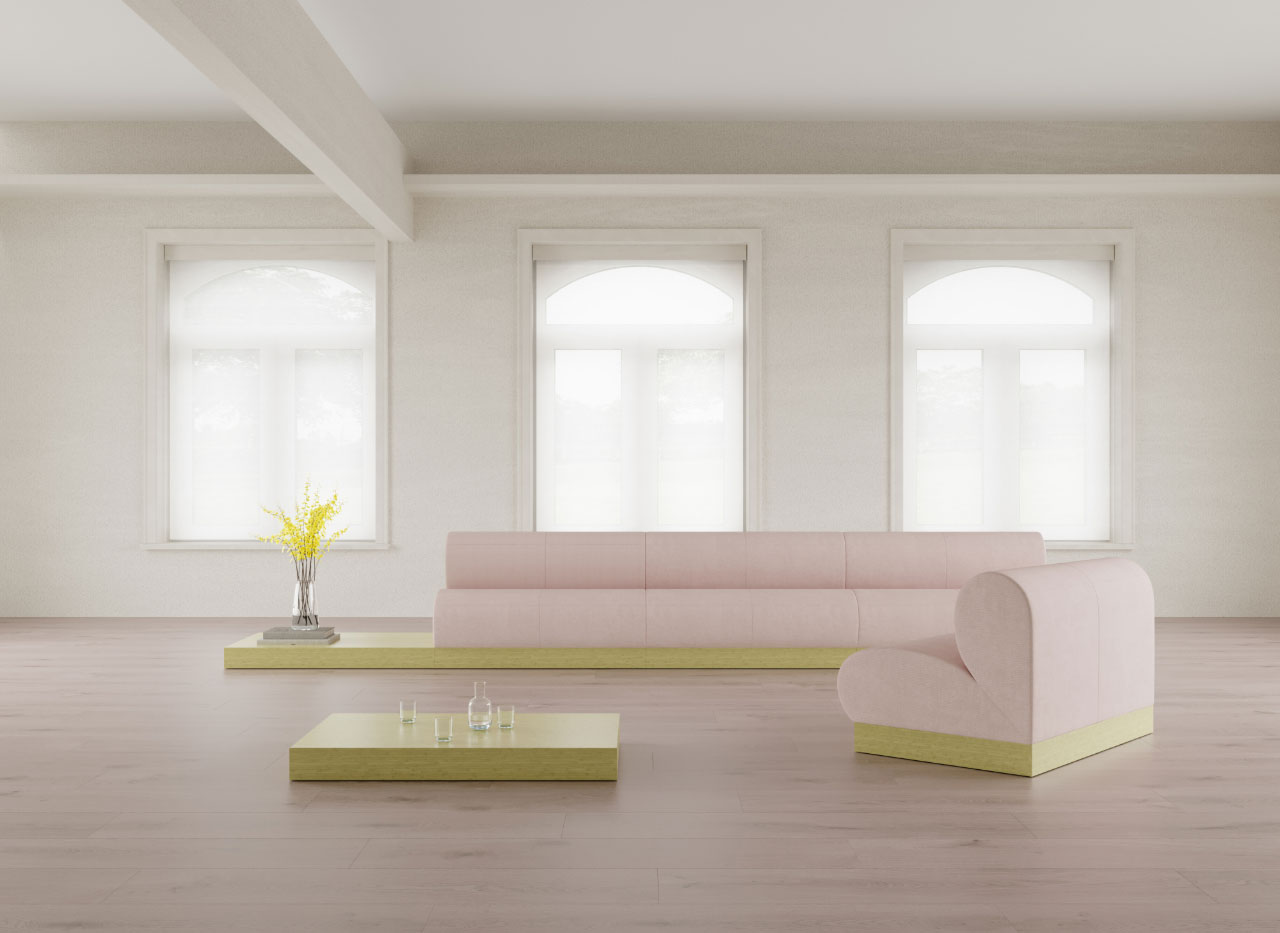
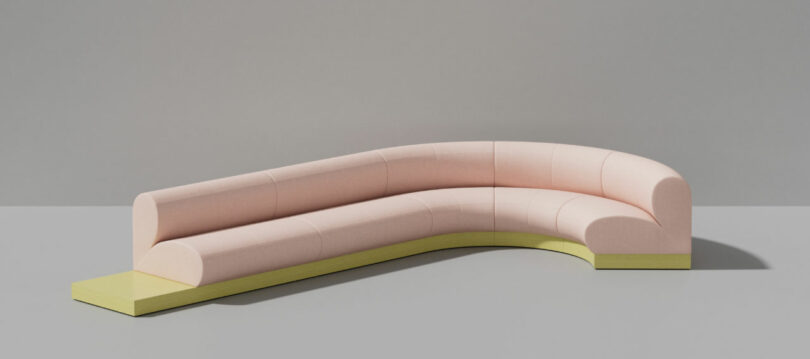
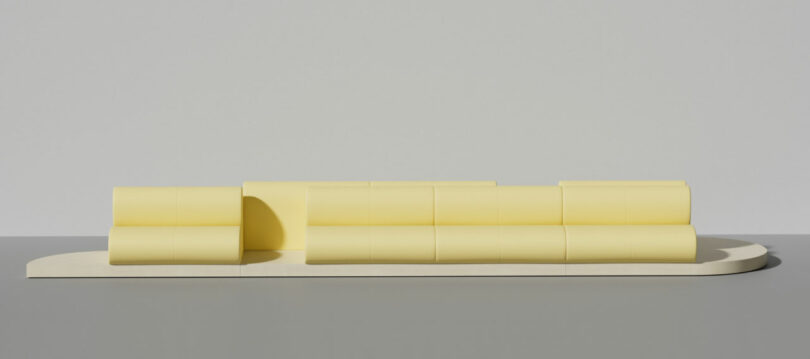
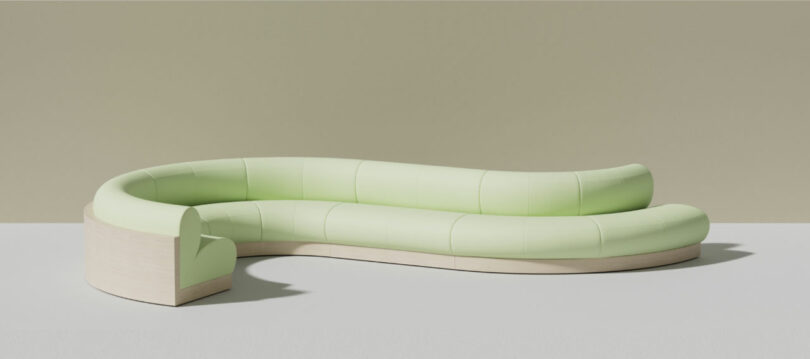
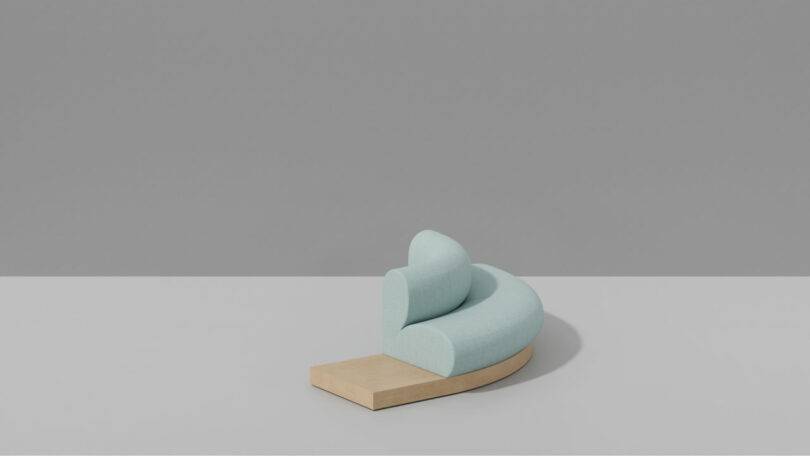
Enter Memo’s Candy, a sculptural modular lounge system that feels less like contract furniture and more like a curated installation. Designed by the visionary Carole Baijings for Memo, Candy is a masterclass in fluidity, featuring curved and straight upholstered segments that attach to a bespoke plinth base. It offers an endless, tool-free reconfiguration capability that is specifically engineered for the high-end office environments of tomorrow.
But is it the best modular seating for 2026? To answer that, we have to look beyond the surface and into the intersection of aesthetic delight and structural utility.
The Art of the 'Sweet Delight': Carole Baijings’ Design Vision
To understand Candy, one must understand Carole Baijings. Known for her "atelier-style" process, Baijings brings a colorist’s sensibility to the commercial world—a world that has, for too long, been draped in shades of charcoal and navy.
The Candy collection is defined by its "visual softness." The pillowy forms are intentionally designed to evoke a sense of approachability and comfort. According to Baijings, the goal was simple: to create a design that makes people smile. In a high-pressure corporate setting, this psychological shift is invaluable. The hand-mixed pastel palette—ranging from soft corals to muted mints—creates a serene atmosphere that actively reduces the clinical, sterile feel often associated with traditional contract interiors.
"My work is always about the dialogue between color, material, and form. With Candy, we wanted to translate that softness into a structural utility that serves the modern worker's need for both comfort and inspiration." — Carole Baijings
The material excellence extends to the tactile experience. Memo offers sophisticated wood veneer options, including the striking Yellow/Sky Over Ash stains. These aren't just colors; they are transparent finishes that allow the natural grain of the wood to peak through, protected by high-traffic varnishes that ensure the pieces look as pristine in Year 5 as they did on Day 1.
Engineered for Fluidity: The Modular Plinth System
The allure of Memo's Candy is certainly skin-deep, but its true genius lies in its skeletal structure. In the 2026 hybrid workspace, the only constant is change. A space that hosts a focused deep-work session on Tuesday might need to accommodate a 50-person town hall on Thursday.
Traditional modular seating often requires a maintenance team and a set of hex keys to rearrange. Candy bypasses this friction entirely. The system utilizes a sophisticated, tool-free ganging mechanism concealed within the plinth. This allows office managers or even employees themselves to pivot, rotate, and re-link segments with minimal effort.
Why Modular Systems Matter in 2026
- Adaptability: Scale your lounge area up or down as your team grows or shifts to remote models.
- Waste Reduction: Instead of disposing of fixed-frame furniture when your needs change, you simply add or subtract "Candy" segments.
- Speed: Modular seating systems with concealed ganging mechanisms can reduce office layout reconfiguration time by 65% compared to traditional furniture.
Sustainability Meets Sophistication
As we look toward 2026, sustainability is no longer a "nice-to-have" feature; it is a corporate mandate. High-end office design now requires transparent environmental impact reports and a focus on longevity.
Memo’s approach to sustainability is rooted in the philosophy of the "singular object." By creating furniture that is inherently reconfigurable and built from high-grade materials, they combat the culture of disposable contract furniture. The use of durable wood stains and hand-rubbed finishes ensures that the aesthetic appeal doesn't fade, reducing the "replacement cycle" that plagues lower-end commercial seating.
| Feature | Memo Candy | Traditional Contract Seating |
|---|---|---|
| Assembly | Tool-free ganging | Bolts/Fixed frames |
| Material Base | Hand-finished wood veneers | Metal or plastic laminate |
| Design Language | Sculptural/Resimercial | Linear/Clinical |
| Reconfiguration Time | Minimal (Minutes) | High (Hours/Professional help) |
The ROI of Collaborative Comfort
Is an investment in high-end lounge seating justifiable for a B2B budget? The data suggests that the "soft" benefits of design have a very "hard" impact on the bottom line.
Implementing sculptural lounge furniture in collaborative zones—like the serpentine shapes possible with Candy—has been shown to increase cross-team interaction frequency by up to 22% in open-plan office designs. These "collision points" are where innovation happens. When people are comfortable and the environment feels curated rather than forced, spontaneous interaction thrives.
Candy creates what I like to call "Social Hubs." Because the seating can be arranged in a 360-degree configuration, it breaks the hierarchy of a standard sofa and encourages informal check-ins and creative brainstorming.
Ivy’s Design Insight: To maximize the ROI of Candy seating, pair it with low-profile charging side tables and integrated acoustic panels. This transforms a simple lounge into a high-performance work zone.
FAQ
What makes Memo Candy different from traditional office sofas?
Traditional office sofas are usually fixed units or have very limited modularity. Candy is a sculptural system that allows for tool-free reconfiguration, meaning you can change a straight sofa into a curved island or multiple small clusters in minutes without professional help.
How does the tool-free ganging mechanism work?
The upholstered segments are designed to fit securely onto the plinth base through a concealed locking system. This ensures the pieces stay together during use but can be lifted and repositioned easily by the user when a new layout is required.
Is the upholstery suitable for high-traffic reception areas?
Yes. While the look is "pillowy" and soft, the textiles and foams used are contract-grade, meaning they are tested for thousands of "rubs" and are treated for stain resistance, making them ideal for busy reception areas or collaborative zones.
How does the color palette impact workplace productivity?
Carole Baijings’ palette focuses on "visual softness." Research shows that softer, nature-inspired tones (like the pastels in the Candy collection) can reduce stress levels and cognitive load, allowing employees to remain focused and creative for longer periods compared to high-contrast, harsh environments.
Conclusion & The Verdict for 2026
If the office of 2026 is a tool for attracting and retaining talent, then Memo’s Candy is an essential part of that toolkit. It successfully bridges the gap between the whimsical playfulness of residential design and the heavy-duty performance required by modern contract furniture.
While the initial investment in a system like Candy is higher than your standard commercial seating, the return—measured in layout flexibility, employee well-being, and increased collaboration—is undeniable. It is a seating system that doesn't just sit in a room; it invites the room to change around it.
For the design-forward firm looking to create a space that is as fluid as the work it supports, Memo’s Candy isn't just a choice; it’s the standard.