Quick Facts
- Designer: Michel Ducaroy (1973)
- Manufacturer: Ligne Roset (France)
- Construction: All-foam, frameless design using five densities of polyether foam.
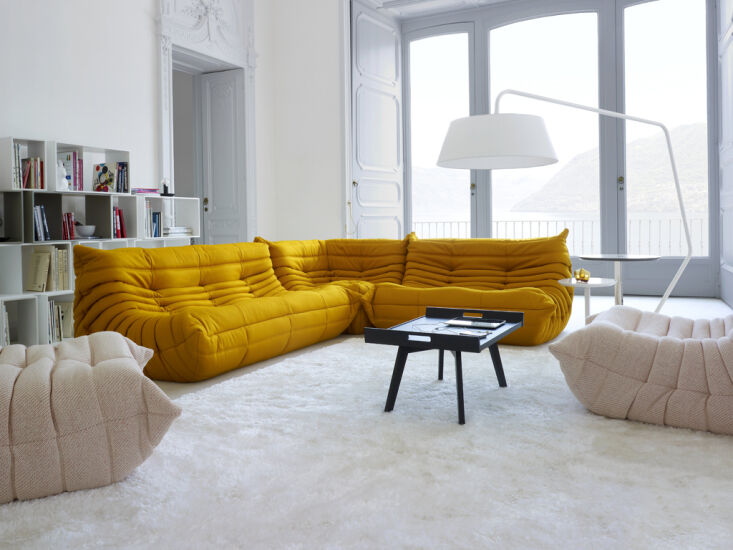
- Signature Look: Low-slung, quilted, "folded toothpaste tube" silhouette.
- Social Proof: Over 23,300 posts under #togosofa on Instagram; a staple in high-end editorial shoots.
- Key Metrics: Comfort (4.3/5), Assembly (4.8/5), Cleaning (3.2/5).
- Best For: Dedicated media rooms, relaxed lounge spaces, and design collectors.
In the world of interior styling, there are pieces that function as furniture, and then there are pieces that function as cultural markers. The Ligne Roset Togo Sofa, designed by Michel Ducaroy in 1973, belongs firmly in the latter category. It is a piece that defined an era of "anti-design"—a radical departure from the rigid, upright upholstery of the mid-century into a new, hedonistic "flop-down" culture. As we move through 2026, the Togo’s relevance hasn't just endured; it has exploded. Whether it’s the centerpiece of a minimalist loft in Berlin or a maximalist apartment in Brooklyn, the Togo remains the ultimate "cool kid" of the living room. But beyond the aesthetic clout and the staggering 23,300+ Instagram tags, is this all-foam icon actually worth the investment for a modern home?
Design History: From Toothpaste Tube to Museum Piece
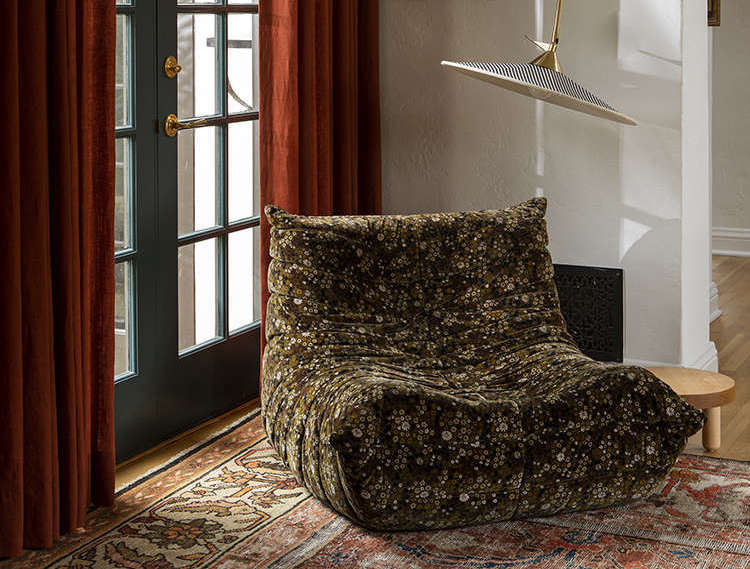
To understand the Togo, you have to understand the rebellion of 1973. Michel Ducaroy, then the head of design for Ligne Roset, wanted to create something that defied the "codes" of traditional furniture. He famously drew inspiration from a folded tube of toothpaste, looking for a form that felt both structural and completely soft.
The result was a technical marvel of its time: a frameless sofa. While most sofas rely on wood or metal skeletons, the Togo is built entirely from varying densities of polyether foam. This wasn't just a design choice; it was an ergonomic breakthrough. By layering foams of different firmness, Ducaroy created a seat that swaddles the sitter while maintaining its iconic, pleated shape through hand-stitched, quilted covers.
Today, this "wrinkly" wonder is more than a trend; it's an asset. On high-end resale platforms like Chairish and 1stDibs, vintage Togos are frequently cited as the top in-demand furniture items. They hold their value remarkably well, often selling for near-retail prices if the original upholstery is intact or if they have been professionally reupholstered in authentic Ligne Roset fabrics.
The 'Sit Test': 2026 Performance Metrics
When we evaluate a piece of this caliber, we have to look past the silhouette and into the "Sit Test." In our 2026 review, we’ve broken down the Togo’s performance based on long-term user data and ergonomic testing.
| Metric | Score | Ivy’s Take |
|---|---|---|
| Overall Comfort | 4.3/5 | An enveloping, pressure-diffusing experience perfect for lounging. |
| Assembly & Ease of Use | 4.8/5 | Since there’s no frame, it’s incredibly light and ready to go out of the box. |
| Cleaning & Maintenance | 3.2/5 | The deep, quilted channels are notorious crumb-catchers. |
| Durability | 4.5/5 | High-density foam maintains its "bounce" for decades if treated well. |
| Ergonomics (Upright) | 2.5/5 | Not designed for focused work or formal posture. |
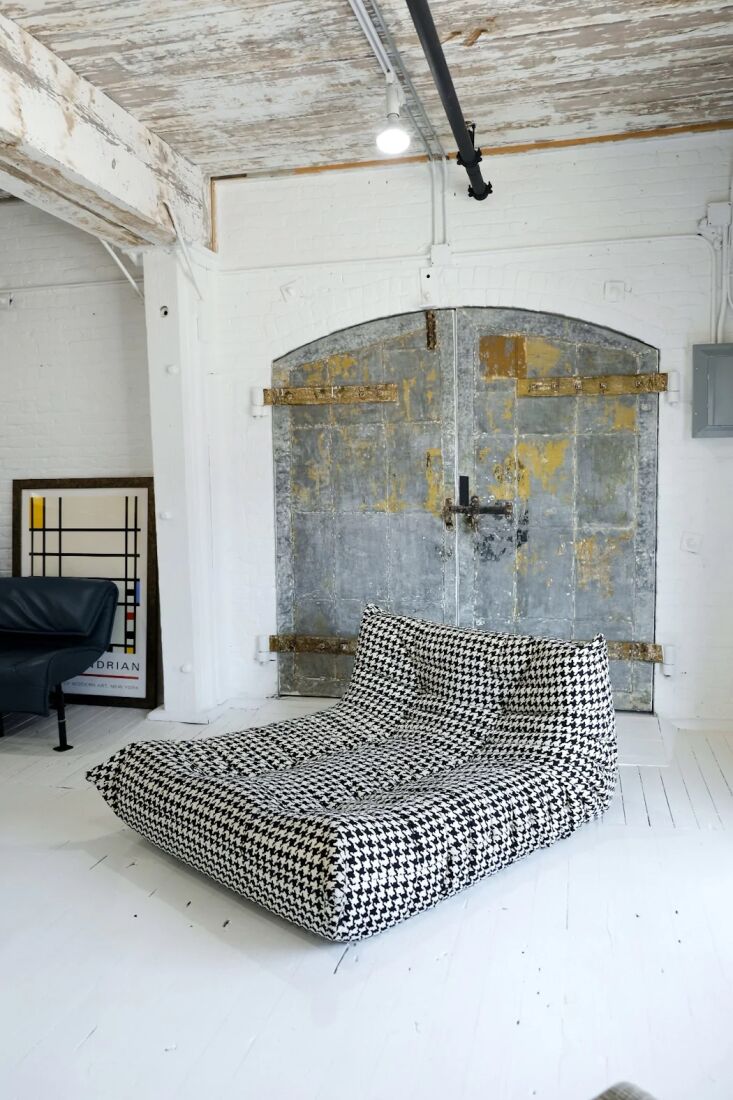
Sitting in a Togo is often described by owners as a "cloud-like" experience. Unlike a traditional sofa where you sit on the cushions, you sit in the Togo. The multiple densities of foam work together to diffuse body weight, making it one of the most comfortable options for long movie marathons or reading sessions.
However, the experience varies by body type. For more petite individuals, the depth is a dream; for taller users, the lack of a headrest on the standard sofa (though a higher-back version exists) might feel slightly unsupported for long periods.
Pro Tip: If you’re using the Togo as your primary TV sofa, consider the "Fireside Chair" version or the "Large Settee" with a footstool. The addition of the ottoman is essential—it transforms the seat into a true chaise-longue experience that balances the low-slung nature of the piece.

Practical Realities: Pros, Cons, and the 'Slouch' Factor
Before you commit to the Togo lifestyle, you must confront the "Slouch Factor." This is not a formal sofa. If you host dinner parties where guests prefer to sit upright with a cocktail, the Togo might be a challenge.
The Pros:
- Unmatched Aesthetic: It instantly elevates any room, acting as a sculptural element rather than just a utility.
- Safety: With no hard corners or frames, it’s incredibly child-friendly (though perhaps not "stain-friendly").
- Modular Flexibility: The pieces are lightweight and easy to move, allowing you to reconfigure your living room on a whim.
The Cons:
- The "Low" Life: With a seat height of only about 15 inches (38cm), getting in and out of a Togo requires a bit of core strength. This can be a dealbreaker for older guests or those with mobility issues.
- The Posture Warning: It is a "lounge anchor." Using a laptop on your lap for hours in a Togo will likely lead to neck strain. It is a piece designed for the art of doing nothing.
Maintenance & Durability: Living with a Legend
Let’s talk about the 3.2/5 cleaning score. The Togo’s greatest aesthetic feature—its deep, rhythmic pleating—is also its greatest practical hurdle. Those folds are magnetic to dust, crumbs, and pet hair.
Cleaning Realities:
- Vacuuming: You will need a high-powered handheld vacuum with a crevice tool. This isn't a "once a month" job; to keep it looking pristine, you'll be vacuuming the channels weekly.
- Fixed Covers: Most authentic Togos feature fixed upholstery. This means if you spill red wine, you can’t just throw the cover in the wash. Professional steam cleaning is the standard here.
- Heat Retention: Because it is essentially a giant block of foam, some users find that the Togo can sleep "warm." If you live in a very hot climate, opting for breathable fabrics like Alcantara or natural leather is wiser than heavy velvets.
Choosing Your Togo: Configurations and Fabrics
The Togo ecosystem is vast. You can start with a single fireside chair and eventually build out a massive corner sectional.
- The Fireside Chair: The entry point for many collectors. It’s a perfect "reading nook" piece.
- The Small Settee vs. Large Settee: The small settee is a cozy two-seater, while the large settee (3-seater) is the flagship living room piece.
- The Corner Piece: Essential for creating those sprawling L-shaped configurations that define 1970s conversation pits.
Fabric Selection:
- Alcantara: The gold standard for Togo. It’s a high-tech suede-like microfiber that is incredibly durable and easy to spot-clean.
- Corduroy & Velvet: These highlight the "wrinkles" beautifully, giving the sofa that iconic soft-focus look.
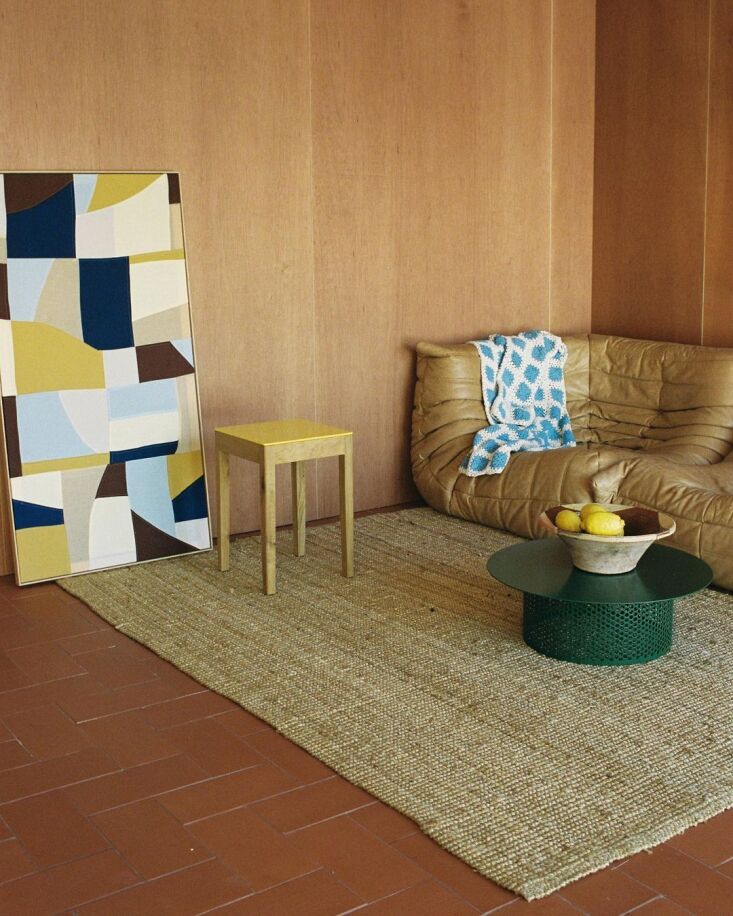
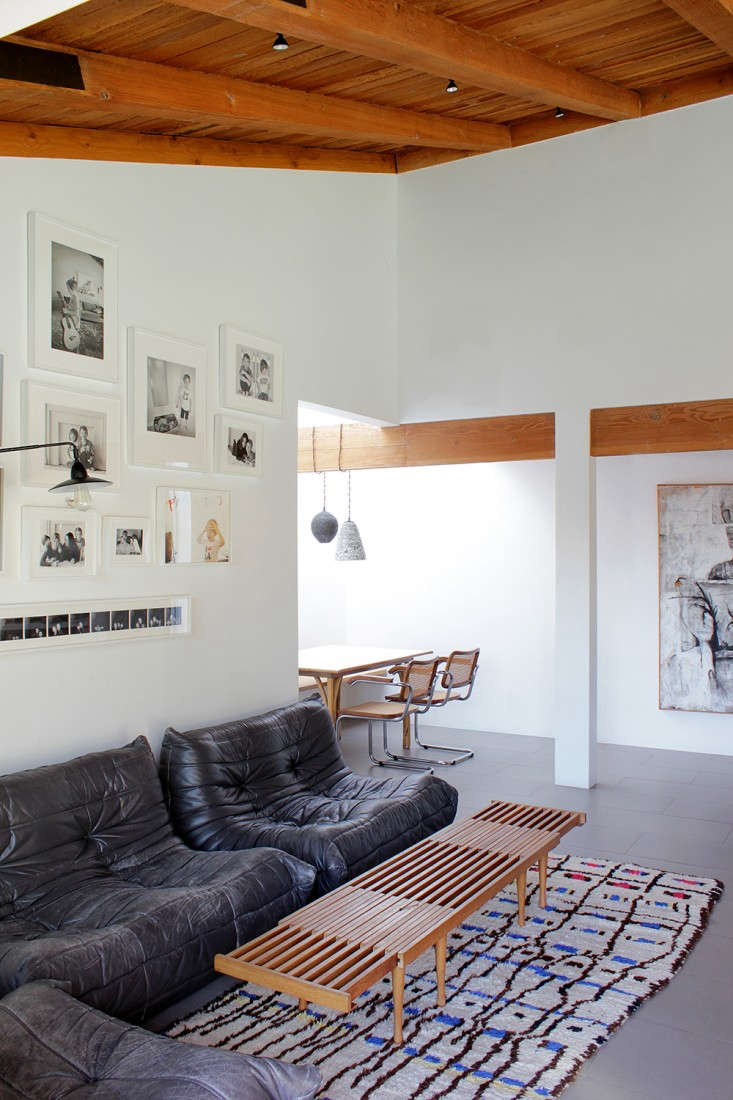
- Leather: A vintage leather Togo is perhaps the most sustainable choice. It patinas beautifully over time, hiding minor imperfections that would ruin a fabric version.
Ligne Roset Togo vs. Alternatives
In 2026, the market is flooded with low-slung modular sofas. How does the icon compare?
- IKEA SÖDERHAMN: A popular "entry-level" alternative. It offers a similar low-profile look and has the advantage of removable, washable covers. However, it lacks the all-foam ergonomic complexity of the Togo. It feels like a standard sofa, whereas the Togo feels like a custom-molded seat.
- B&B Italia Camaleonda: If the Togo is the "relaxed" icon, the Mario Bellini-designed Camaleonda is the "architectural" icon. It’s much heavier, more expensive, and offers a firmer sit. Choose the Camaleonda for a formal gallery look; choose the Togo for a "nap-ready" sanctuary.
The choice ultimately comes down to your lifestyle. If you value design heritage and a unique lounging experience, the Ligne Roset original is peerless. If you have four toddlers and two golden retrievers, the lack of removable covers might make you regret the investment within six months.
Final Verdict: Is it Worth It?
The Ligne Roset Togo is not just a sofa; it’s a lifestyle statement. If you are looking for a primary sofa for a formal living room where you entertain your boss, look elsewhere. But if you want to create a space dedicated to relaxation, artistic expression, and unparalleled comfort, the Togo remains the ultimate choice. It is a rare piece that manages to be both a trendy social media darling and a serious museum-grade design icon.
Just remember to keep the vacuum nearby.
FAQ
1. How can I tell if a Togo sofa is authentic? Check for the Ligne Roset logo on the side or back of the piece. Authentic Togos also feature a specific "Ligne Roset" branded fabric on the bottom and come with a certificate of authenticity. The weight is also a giveaway; despite being foam, high-density foam is heavier than cheap replicas.
2. Does the foam lose its shape over time? High-quality polyether foam is designed for longevity. While some softening is expected over 10-15 years, an authentic Togo will not "sag" like a traditional spring or low-grade foam sofa. Many Togos from the 1970s and 80s are still in use today with their original foam.
3. Is the Togo sofa comfortable for people with back pain? It depends. For those who need firm, upright lumbar support, the Togo may be too soft. However, for those who find relief in pressure-diffusing seats that contour to the body, it can be very comfortable. Always test it in a showroom if you have specific ergonomic needs.