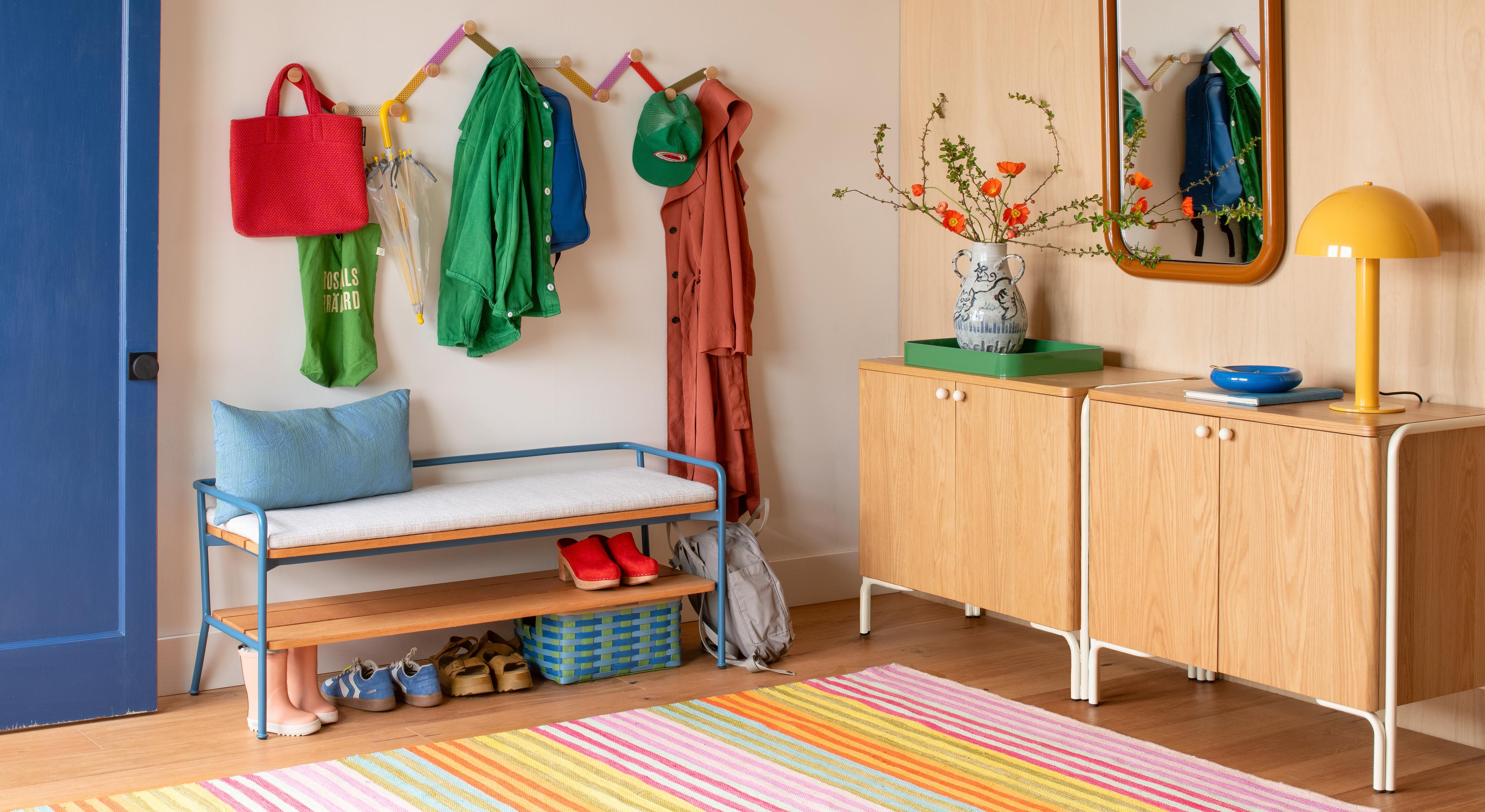
We’ve all been there: the frantic, caffeine-fueled morning rush where the clock is ticking, the school bus is two minutes away, and suddenly, nobody can find their left sneaker. I’ve spent years studying how physical environments dictate our mental state, and nowhere is this more apparent than in the entryway. As a parent, I know that this small transition zone—the "launchpad" of your home—can either be a source of daily friction or a well-oiled machine that sets a calm tone for the rest of your day.
The secret isn't just about "cleaning up"; it's about engineering a system that works with your family’s natural habits rather than against them. Research shows that families utilizing a dedicated 'drop zone' system report a 12-minute average reduction in the time spent searching for items before leaving the house. Those twelve minutes are the difference between a panicked exit and a peaceful start. By implementing a few strategic DIY storage hacks, we can transform even the smallest, closet-free entryway into a functional sanctuary.
1. The Low-Level Hook System: Encouraging Autonomy
One of the biggest mistakes I see in home organization is "adult-centric design." If your coat hooks are mounted at five feet high, your five-year-old literally cannot succeed in tidying up their own gear. This leads to the "backpack heap" on the floor that we all end up tripping over.
Implementing low-level accessible storage increases child independence in daily routines by an estimated 65% compared to standard adult-height organizers. When a child has a designated spot within their physical reach, the task of "putting things away" shifts from a chore they need help with to a milestone of autonomy they can master.
The DIY Project: The 3-Foot Peg Rail
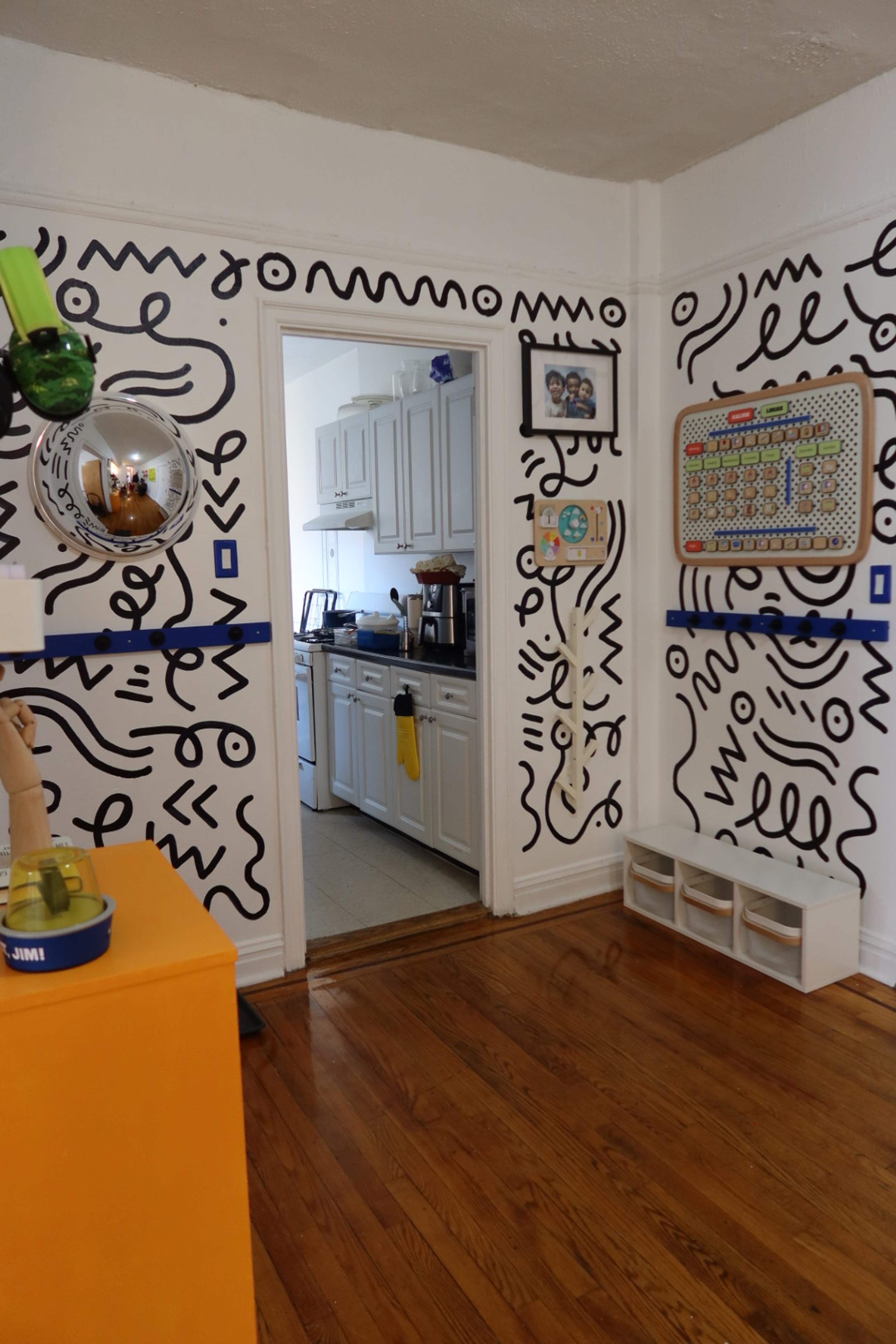
Creating this system is surprisingly simple and requires very few tools. I recommend installing a simple wooden peg rail or a board-and-batten style strip exactly 3 feet from the floor.
- Tools Needed:
- A 1x4 pine board (cut to the width of your available wall space)
- Wooden shaker pegs or heavy-duty metal hooks
- Stud finder and level
- Wood glue and screws
- Paint or stain to match your decor
Pro-Tip: Don't just stop at one hook per child. Give them two: one for their daily backpack and one for their current season's coat. This prevents the "layering" effect where the item they need is buried under three other things.
2. The Multi-Functional 'Shelf-to-Bench' IKEA Hack
To organize a small entryway without a closet, you have to make your furniture work double duty. If you don't have a place to sit, shoes end up scattered across the floor because that’s where people are putting them on. The "Shelf-to-Bench" hack is a classic budget-friendly solution that provides both seating and hidden storage.
By taking a standard vertical shelving unit—like the ubiquitous IKEA Kallax—and laying it horizontally, you create an instant bench. This is particularly effective for small apartments where every square inch matters.
Budget Breakdown: The Entryway Bench
| Item | Source | Estimated Cost |
|---|---|---|
| 2x2 Shelving Unit | IKEA (Kallax) | $45 - $60 |
| Woven Baskets (4) | Target/IKEA | $40 - $80 |
| Custom Wood Top | Hardware Store (Pine) | $25 |
| Foam/Fabric (Optional) | Craft Store | $30 |
| Total | $140 - $195 |
The 'Sit and Store' method uses open baskets tucked into the cubbies. This keeps the visual clutter of mismatched shoes hidden while making it incredibly easy for kids to simply "toss" their shoes into their designated bin.
3. Slim-Profile Shoe Cabinets for Narrow Hallways
If your "entryway" is actually just a narrow hallway that opens directly into the living room, you likely struggle with visual anxiety. Seeing twenty pairs of shoes the moment you walk through the door prevents your brain from switching into "home mode."
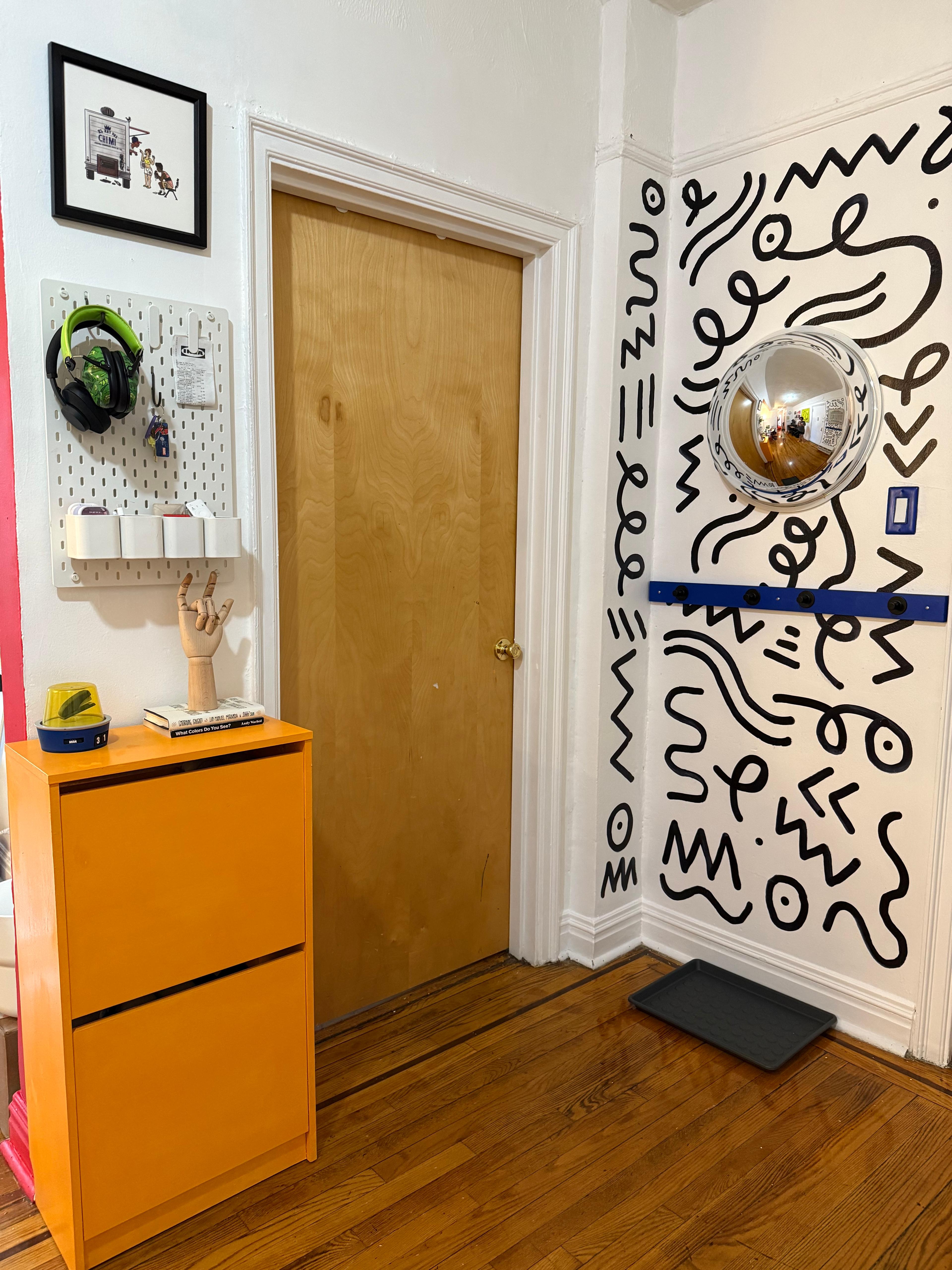
The solution is utilize vertical space with slim, multi-functional furniture. Specialized shoe cabinets, like the IKEA BISSA or STÄLL, are only about 7-11 inches deep. They use a flip-down mechanism that stores shoes vertically, keeping the "shoe chaos" entirely out of sight.
DIY Customization Tips:
- Swap the Hardware: Replace standard plastic knobs with brass or leather pulls to give the unit a high-end, custom look.
- Add a "Landing Strip": Attach a piece of stained oak or marble contact paper to the top surface. This creates a sophisticated spot for your mail and keys.
- Paint to Match: Use a high-quality furniture paint to match the cabinet to your wall color. This makes the piece "disappear" into the wall, further reducing visual clutter in tight spaces.
4. The Magnetic Kitchen Drop Zone
Many families enter through a garage or side door that leads directly into the kitchen. In these homes, the kitchen island often becomes a "catch-all" for mail, sunglasses, and chargers. To reclaim your counter space, look to your refrigerator.
The side of a fridge is often underutilized real estate. You can create a magnetic "Command Center" without drilling a single hole. Use heavy-duty magnetic bins for mail sorting and magnetic hooks for car keys and lanyards. This creates a clear boundary: the kitchen is for cooking; the "Drop Zone" is for logistics.
5. Wall-Mounted 'Visual Calendars' for Neurodivergent Support
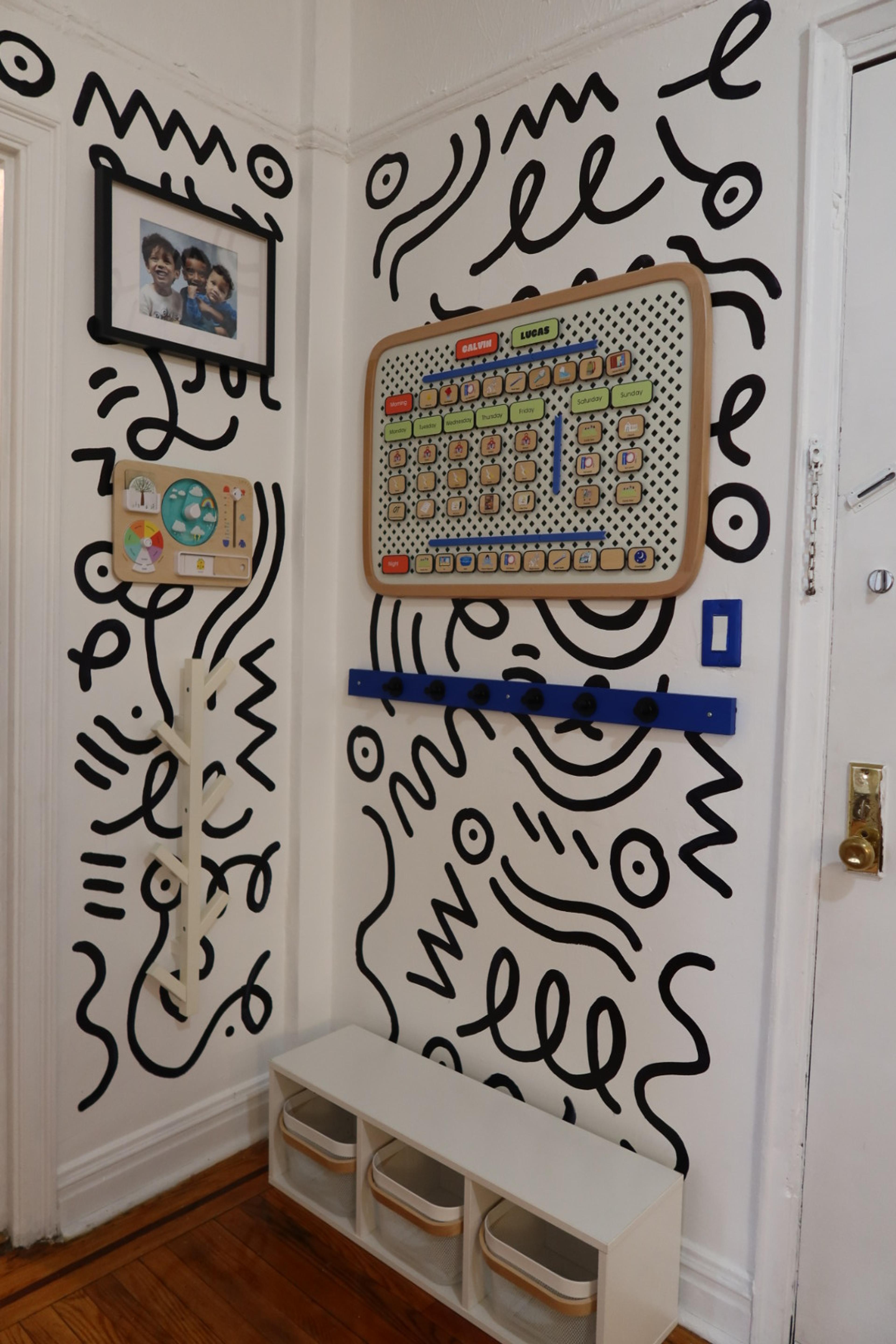
Organization isn't just about physical objects; it's about organizing time and expectations. For children—especially those who are neurodivergent or struggle with transitions—the act of leaving the house can be overwhelming.
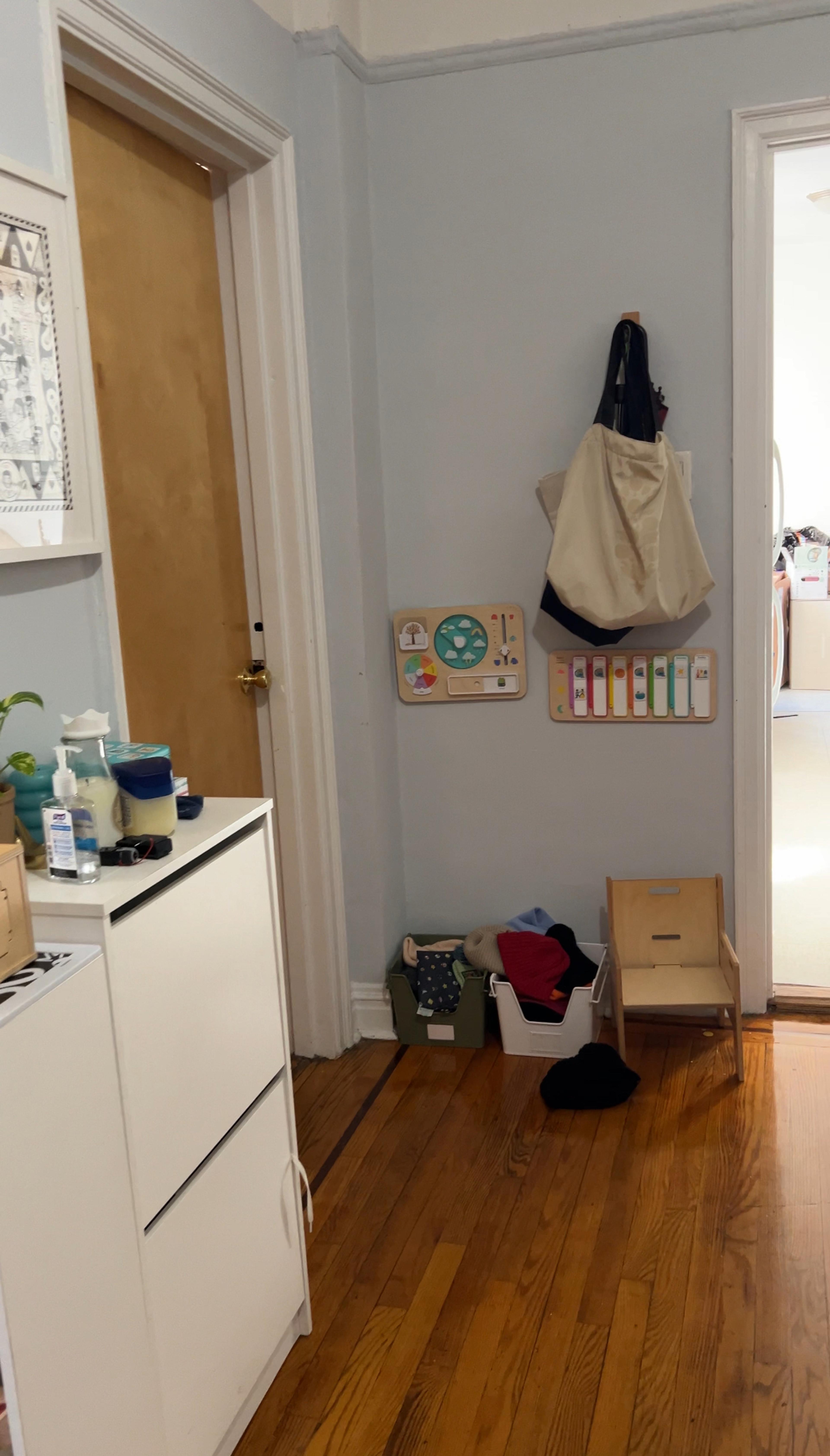
A wall-mounted visual calendar or a "routine board" helps map out the week. Using magnetic icons or simple wooden charts allows kids to see exactly what they need for the day (e.g., "It's Wednesday, I need my library book and my sneakers for PE"). These visual cues help kids prepare for the transition of leaving the house, reducing the "Where is my...?" tantrums that derail your morning.
6. The Catch-All Tray: Setting Functional Boundaries
One of my favorite "minimalist" DIY tips is the use of a catch-all tray. I often tell my clients: a tray is a boundary, not just decor. When items like loose change, sunglasses, or hair ties are scattered on a console table, they look like mess. When they are placed inside a beautiful tray, they look like a "collection."
You don't need to buy something new for this. Repurpose items you already have:
- An old ceramic baking dish with a beautiful glaze.
- A wooden breakfast tray that’s lost its legs.
- A vintage silver platter from a thrift store.
By designating a specific "trinket" containment area, you prevent small items from migrating to other rooms in the house.
7. Woven Baskets: The 'Hide the Chaos' Secret
If you take only one tip from this guide, let it be this: Invest in high-quality woven baskets. While plastic bins are functional, they lack the warmth and durability required for a high-traffic entryway. Woven sea-grass or wicker baskets add a tactile, organic element to your home that instantly softens the "utility" feel of a mudroom.
The best system for families is Categorization by Member. Assign one large basket per family member. When you're doing a quick 5-minute sweep of the house in the evening, anything left in the common areas goes into that person’s basket. In the morning, they know exactly where to look for their scarf, hat, or stray glove.
Sophie’s Pro-Tip: Label your baskets! Use wooden gift tags or clip-on labels. Even if your kids can’t read yet, you can use a small photo of them or a specific color of ribbon. This reinforces the "place for everything" philosophy.
FAQ
How do I organize a small entryway without a closet? The key is to utilize vertical space and choose "breathable" furniture. Install wall-mounted hooks for coats and bags, and use a slim shoe cabinet (like the IKEA BISSA) to keep footwear off the floor. If you have no room for a console table, a simple floating shelf can act as a "landing strip" for keys and mail.
What is the best height for kids' coat hooks? For most toddlers and elementary-aged children, 3 feet (36 inches) from the floor is the "sweet spot." It’s high enough to keep most coats from dragging on the floor but low enough that they can hang items up without needing an adult’s help.
How can I organize my entryway on a budget? Budget-friendly organization is all about repurposing. Lay an old bookshelf horizontally to create a bench, use mismatched ceramic bowls for key trays, and look for DIY coat rack ideas using affordable pine boards and basic hardware store hooks. A fresh coat of paint can also make mismatched thrift-store finds look like a cohesive set.
Conclusion & Final Thoughts
Mastering your entryway isn't about achieving a "magazine-perfect" look—it's about creating a system that supports your family's lifestyle. By lowering hooks to a child’s level, utilizing slim furniture for tight spaces, and establishing clear "drop zones," you’re doing more than just tidying up. You’re gifting your family 12 extra minutes of peace every morning and teaching your children the invaluable skill of independence.
Pick one DIY project from this list this weekend. Start small—maybe it’s just the catch-all tray or the low-level hooks. I promise that once you feel the relief of a streamlined morning, you’ll be inspired to tackle the rest.