The era of the "perfect" dinner party—the kind that leaves the host frazzled in the kitchen while guests awkwardly hover over a pristine, untouchable centerpiece—is quietly folding into the shadows. In its place, 2026 has ushered in a more soulful, participatory approach to hospitality. As we navigate an increasingly digital world, the sanctuary of the home has become a space not for performance, but for presence. We are reclaiming the joy of hosting by trading stiff multi-course meals for what I like to call "Simple Comfort Food Nights."
If you’ve ever wondered, "How can I host a low-stress dinner party?" the answer lies in a shift of perspective. The most effective way to lower the stakes while raising the enjoyment is to implement interactive food stations. By designing a menu that invites guests to participate—like a DIY grilled cheese and tomato soup bar—you effectively reduce your solo kitchen time and transform a meal into a shared activity. This isn't just about feeding people; it's about creating a tactile, mindful escape that encourages connection over consumption.
The 2026 Entertaining Landscape: Intimate Michelin Energy
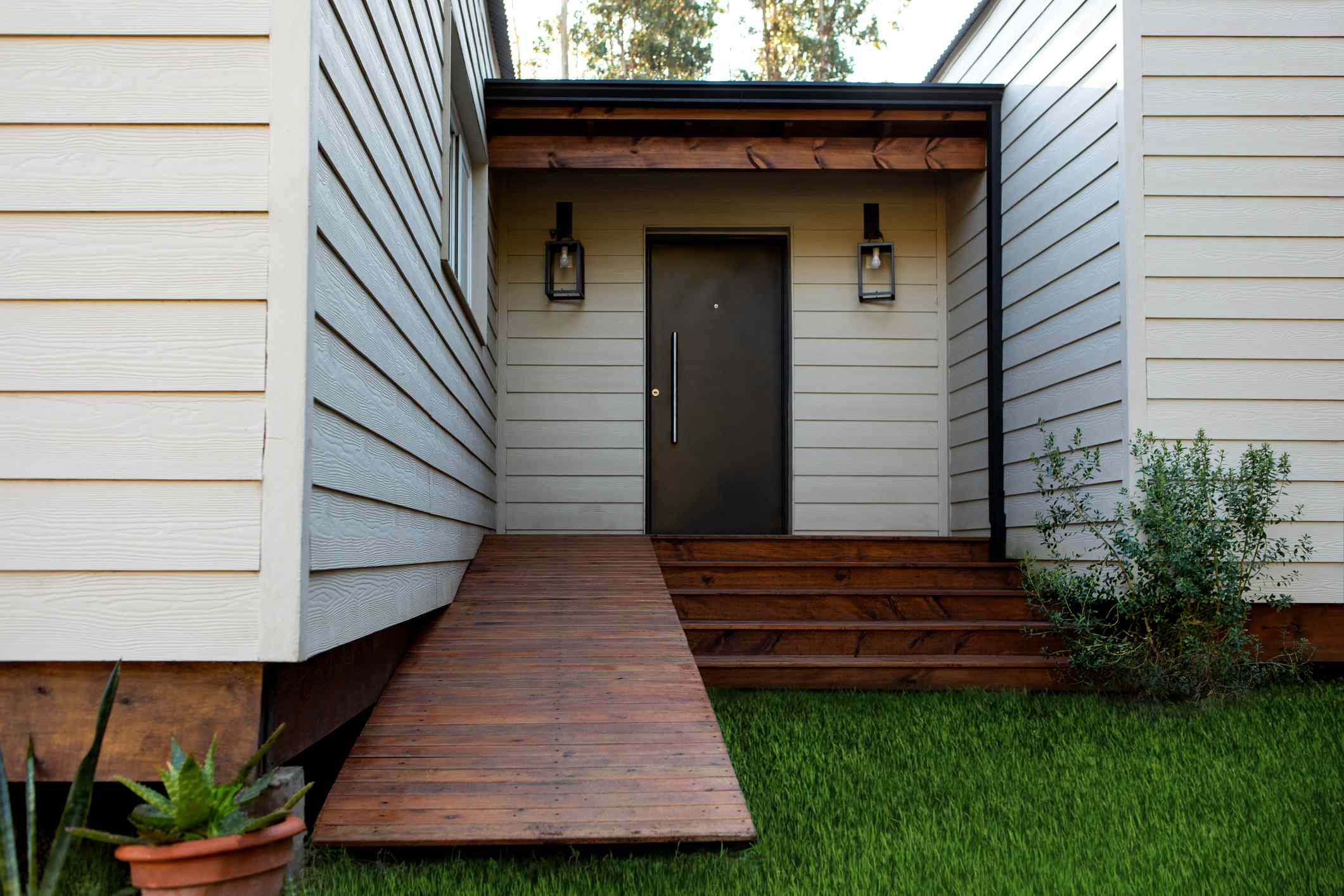
The trend forecast for 2026 suggests a move toward "Intimate Michelin Energy." This aesthetic isn't about the complexity of the food, but the intentionality of the details. It’s the art of taking a simple, humble meal and treating it with the reverence of a fine-dining experience. This includes what designers are calling "The Arrival Moment"—a curated entry experience where guests are greeted with a specific scent, a warm beverage, and a clear sense of where to belong.
Key elements of this trend include high-end, tactile details such as handwritten name cards (even for a group of four), layered linens, and the strategic use of cordless tabletop lighting. These small lamps allow for a flexible, intimate glow that traditional overhead lighting simply cannot replicate. Recent hospitality surveys indicate that 72% of hosts in 2026 are prioritizing these 'shared activity' stations over traditional sit-down services to increase guest engagement and reduce formal friction.
Expert Tip: The Cordless Revolution To achieve "Intimate Michelin Energy," invest in two or three high-quality cordless LED table lamps. Placing these directly on the dining surface or nested within a bookshelf creates "pools of light" that draw people together, making the room feel smaller and more secretive in the best way possible.
The Low-Stress Menu: The DIY Grilled Cheese & Tomato Soup Bar
The beauty of a DIY grilled cheese bar is its inherent nostalgia blended with artisanal potential. It is the ultimate "low-stress" centerpiece because much of the preparation happens before the first guest rings the doorbell. Data analysis shows that DIY food bars increase social interaction time among guests by approximately 45% compared to traditional pre-plated meal services. Instead of being stuck at the stove, you are at the station, building your masterpiece alongside your friends.
To elevate this from a childhood lunch to a 2026 culinary event, focus on the "Diva" add-ons. Start with a foundation of artisanal breads—think thick-cut sourdough, rosemary focaccia, or even a savory brioche. For the cheese, move beyond the plastic wrap. Offer a curated selection: a sharp, aged white cheddar for bite, a creamy Gruyère for the melt, and perhaps a spicy Havarti for a modern kick.
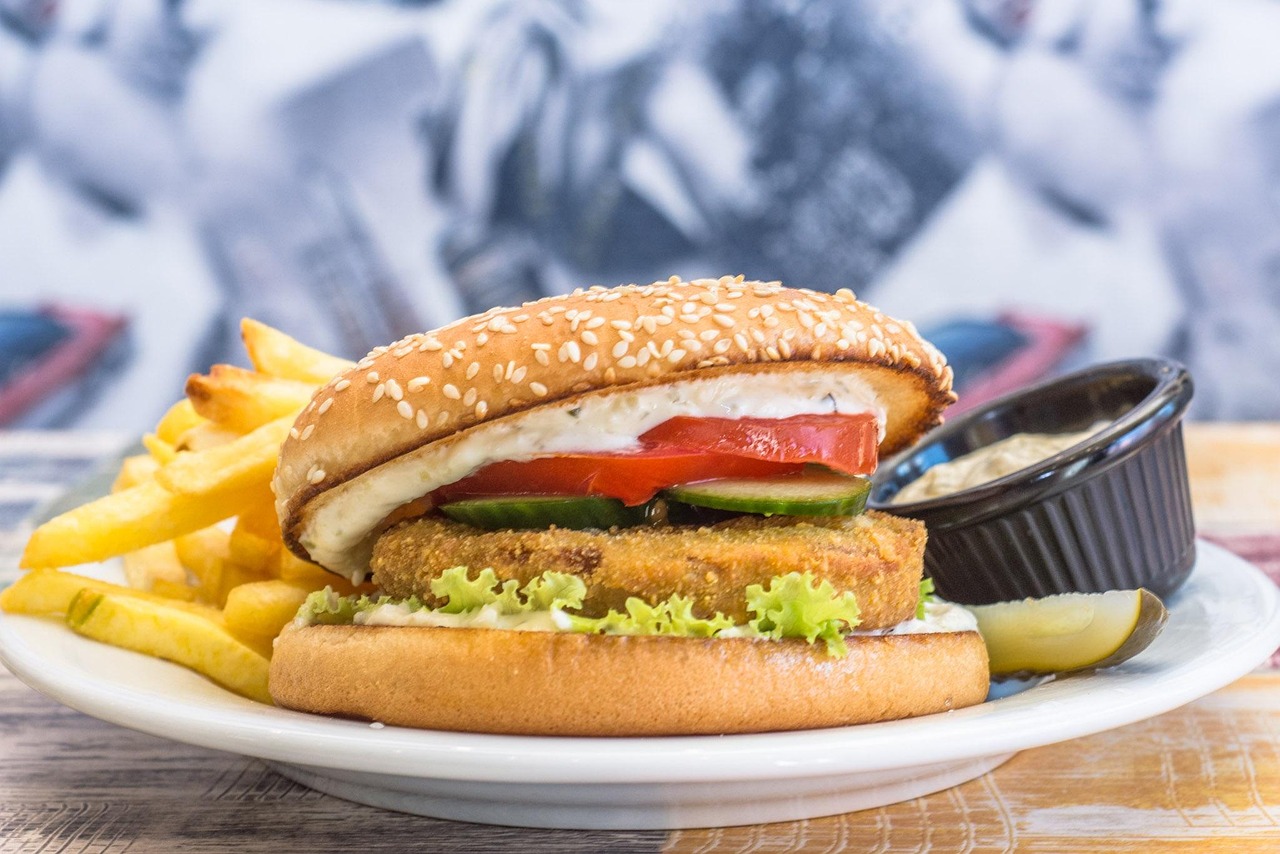
The Essential Components of an Elite Grilled Cheese Bar:
- The Fats: Don’t just use butter. Offer Kewpie mayo for a golden, tangy crust, or a compound garlic-herb butter.
- The "Diva" Fillings: Sautéed leeks, balsamic-glazed onions, thinly sliced Honeycrisp apples, prosciutto, or a dollop of fig jam.
- The Soup Secret: A rich, velvet-smooth tomato bisque served in a heavy-bottomed Dutch oven (like a Staub or Le Creuset) to maintain heat throughout the night.
By using versatile cookware that can transition from the stovetop to the tabletop, you minimize cleanup and keep the vibe casual. The "One-Pot Secret" ensures the soup remains a warm, inviting anchor for the meal without requiring constant reheating.
Interactive Hosting: Why Movement Matters
Interactive hosting is becoming popular as a direct response to digital fatigue. In an era where we spend our days staring at screens, a collaborative dinner provides a necessary, tactile outlet. When guests are asked to choose their cheese, flip their sandwich, or garnish their soup with a swirl of pesto and toasted pine nuts, they are grounded in the physical moment.
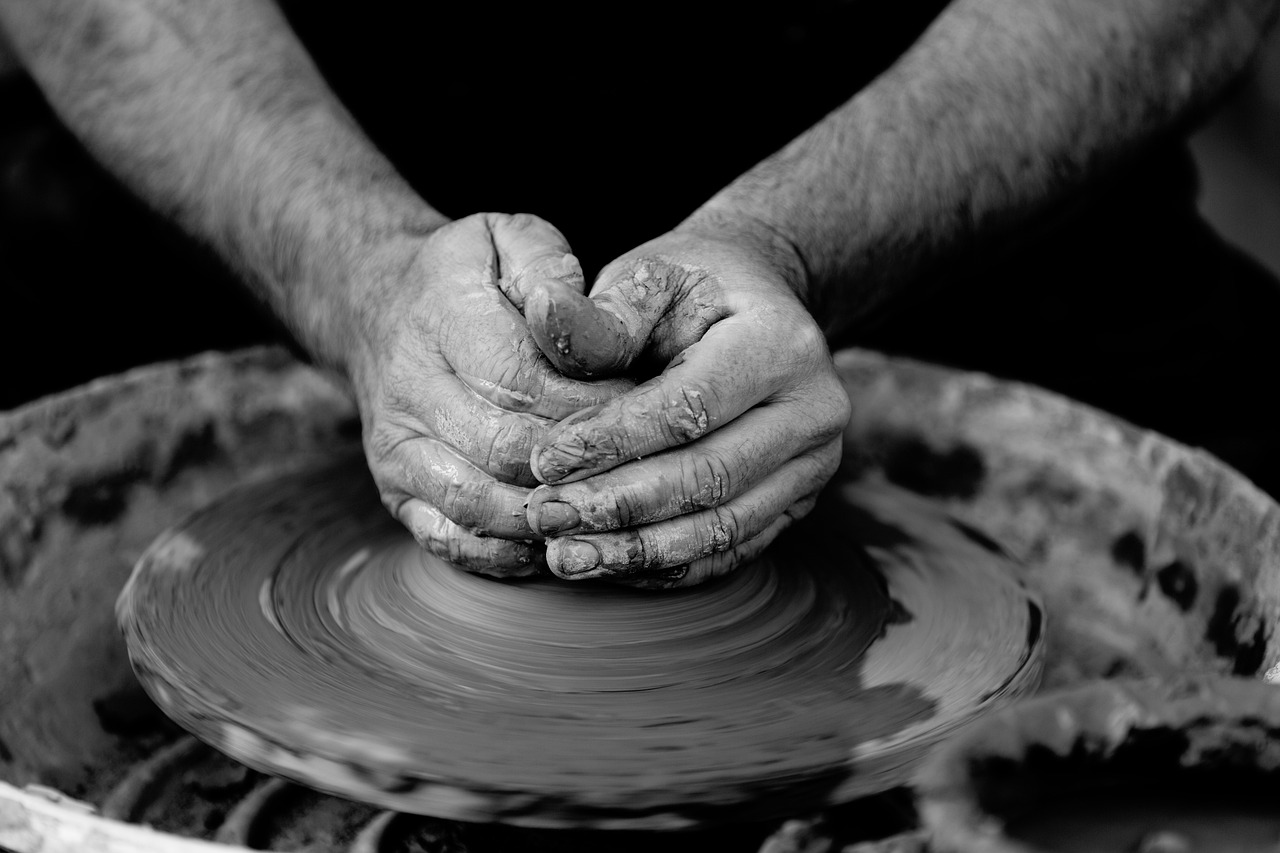
Movement breaks the "seated stagnation" that can sometimes kill the energy of a party. It encourages guests to mingle as they wait for the griddle, leading to more fluid conversations. This philosophy often extends beyond the meal itself. Many 2026 hosts are incorporating "Micro-Activities" into their evenings—small, low-pressure crafts like candle-dipping or simple clay modeling that guests can fiddle with while sipping their drinks.
Expert Tip: The "Tactile Escape" If a full-blown craft feels too ambitious, simply place a few high-quality, blank postcards and a set of fountain pens on a side table. It invites guests to take a quiet moment to write a note to a loved one, reinforcing the theme of intentional connection.
Tablescapes that Tell a Story: Maximalism vs. Nature
The visual language of the 2026 home is shifting away from the sterile "Minimalist Beige" of the early 2020s. We are seeing a return to "Functional Maximalism"—a style that embraces patterns, textures, and collected objects, but keeps them grounded in utility. For a comfort food night, your table should feel "lush but lived-in."
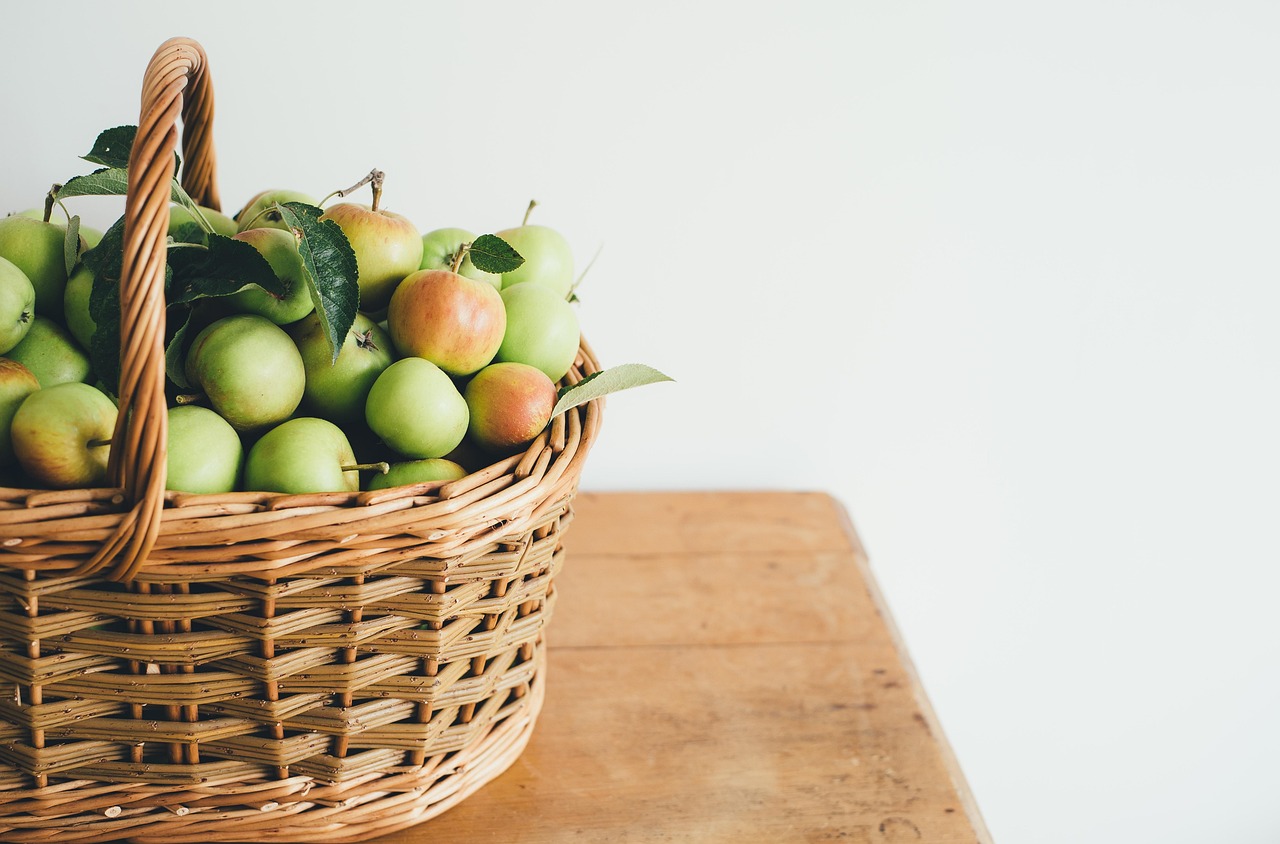
Layering is the key. Start with a patterned linen tablecloth, then add a contrasting runner. Instead of expensive floral arrangements that block eye contact, look to the kitchen and garden. Use seasonal fruits—clusters of dark grapes, halved pomegranates, or boughs of fresh rosemary—as functional decor. These "Edible Topographies" not only look stunning but contribute to the sensory experience of the room.
Lighting should remain soft and layered. Mismatched taper candles in vintage brass holders provide a flickering, romantic height, while warm-toned LEDs tucked into greenery can provide a soft base glow. The goal is to create a space that feels like a warm embrace, where the decor tells a story of the host’s personality rather than a showroom’s inventory.
Small Bites and Big Closures
Before the main event, consider "Edible Topographies"—a globally-inspired take on the charcuterie board. Instead of just meat and cheese, think about "flavor landscapes" that include Mediterranean olives, Japanese pickled plum, and Middle Eastern labneh topped with za'atar. This sets a sophisticated tone while remaining incredibly easy to assemble.
For the beverage program, the "Modern Punch" has made a triumphant comeback. Batch-made cocktails or mocktails served in a beautiful glass bowl or a sleek pitcher allow the host to stay present. A "Midnight Orchard" punch—featuring sparkling cider, ginger beer, pomegranate juice, and rosemary sprigs—is visually stunning and allows guests to serve themselves at their own pace.
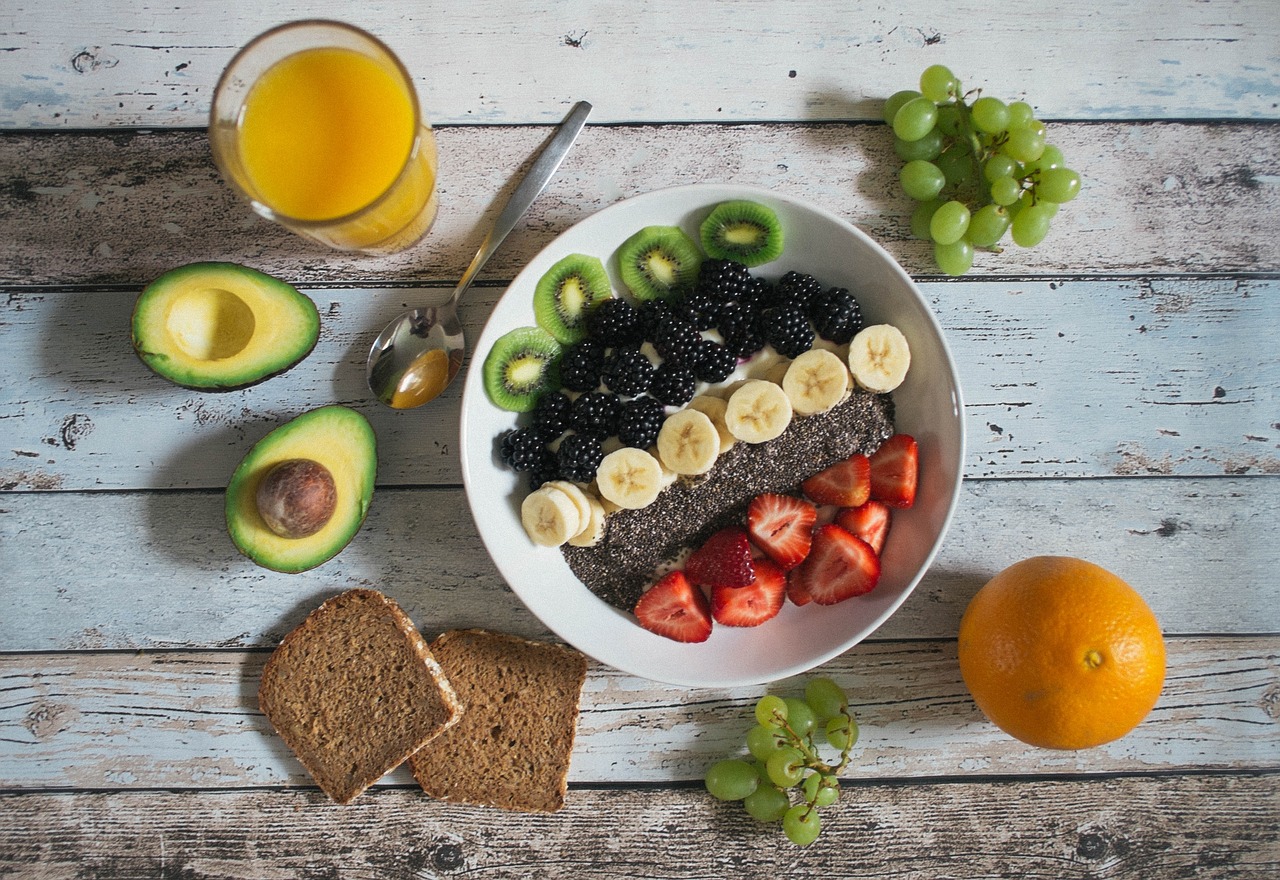
To close the evening, avoid the pressure of a baked-from-scratch dessert. Instead, opt for "Family-Style Dessert Towers." Use a tiered stand to display high-quality small bites: dark chocolate truffles, macarons, and perhaps some seasonal berries. It’s high-impact sampling that allows guests to indulge without the commitment of a heavy final course.
Conclusion: Hosting as an Act of Devotion
Ultimately, mastering low-stress hosting is about realizing that your guests are there for you, not for a five-star performance. By leaning into interactive elements, focusing on high-quality comfort food, and embracing the "Intimate Michelin Energy" of thoughtful decor, you create an environment where everyone—including the host—can exhale.
Whether it’s a planned Saturday soirée or a spontaneous "drop-by" invitation on a Tuesday, the goal remains the same: community, comfort, and the simple joy of a shared meal. So, light the candles, put the soup on the simmer, and let the evening unfold with effortless grace.
FAQ
How can I keep the soup warm during a DIY bar without it burning? The best tool for this is a heavy-duty enameled cast iron Dutch oven. These pots have incredible heat retention. Once the soup is hot, keep it on the lowest possible simmer on your stovetop, or place the pot on a warming tray or a trivet on the table if you are serving immediately.
What if my home is too small for "activity stations"? You don't need a massive kitchen island. Use what you have—a coffee table can become a low-slung lounge for appetizers, and your main dining table can serve as the "making" station. Movement is more about the flow between different areas than the size of the areas themselves.
Is it okay to ask guests to bring specific "Diva" add-ons? Absolutely. In 2026, the "collaborative potluck" is very chic. Asking a friend to bring "their favorite weird cheese" or "a unique jam" makes them feel like a contributor to the night's success and further reduces your stress.