Quick Facts
- Designer: Nahtrang Studio for Bover.
- System Type: Modular wall lighting featuring interchangeable light nodes and geometric back panels.
- Materiality: Crafted from 100% recyclable, lightweight aluminum.
- Customization: Eight nature-inspired finishes (Terracotta, Olive Grey, Sand Yellow, etc.) with infinite configuration possibilities.
- Technical Edge: IP44 rated for versatile indoor/outdoor use, featuring dimmable LED performance.
- 2026 Trend Alignment: Emphasizes "system thinking," scalability, and lifecycle responsibility.
It’s always a breath of fresh air when a lighting fixture transcends its primary function to become something more—a piece of functional art that evolves alongside its environment. As we look toward the design landscape of 2026, the trend of static, "one-and-done" fixtures is fading, replaced by a demand for sculptural flexibility. We are no longer just looking for a lamp; we are looking for a system.
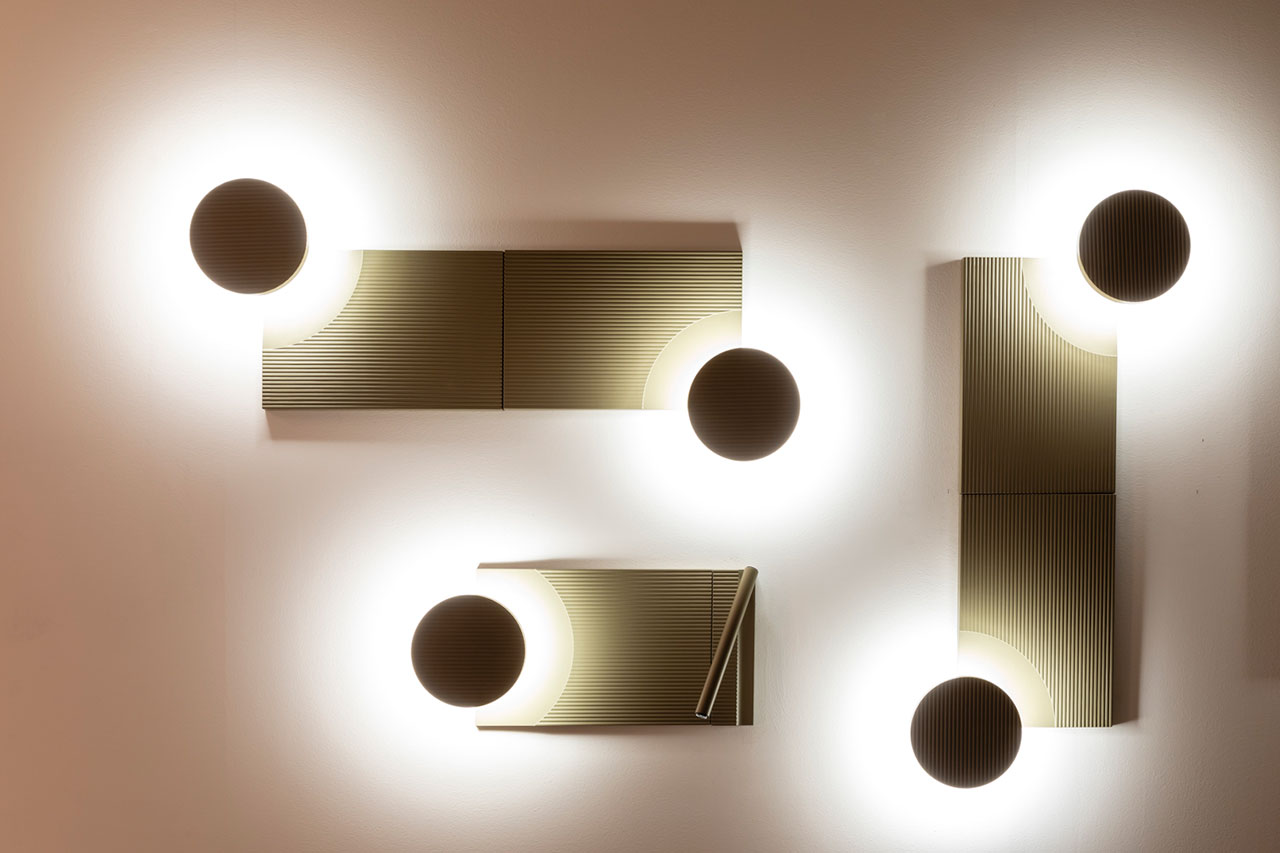
Enter the Bover ARID wall lighting system. Designed by the visionary Nahtrang Studio, ARID is a "grown-up version of building blocks" for interior designers and homeowners alike. It’s part art installation, part customizable tech, inspired by the stark, rhythmic beauty of arid landscapes. By utilizing a modular approach, ARID allows us to move away from the traditional wall sconce and toward a "matrix of connection" that can fill a tiny corner or command an entire architectural facade.
Understanding the ARID Ecosystem: Nodes and Tiles
At its heart, the ARID system is built on a deceptively simple mathematical logic. The collection consists of two primary components: the light nodes and the geometric aluminum back panels (or "tiles"). These pieces are designed to be mixed, matched, and layered, allowing for 100% design flexibility.
The light nodes act as the heartbeat of the system, housing high-performance LEDs that provide a soft, diffused glow. These nodes are then paired with ribbed aluminum panels that catch and play with the light, creating a rhythmic dance of highlights and shadows. Whether you choose a single, minimalist node for a bedside light or an expansive cluster for a grand hallway, the system maintains a cohesive, sophisticated aesthetic.
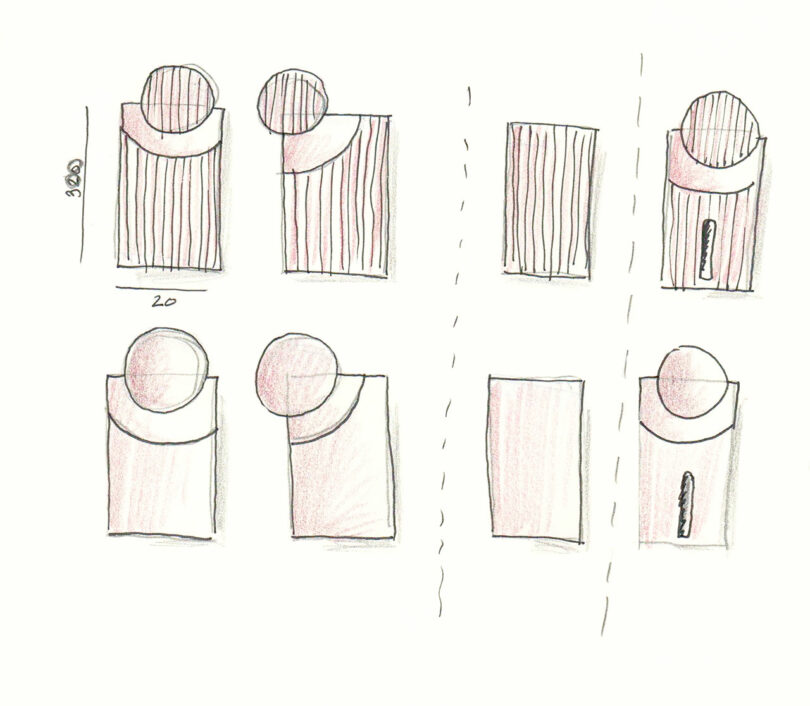
The brilliance of Nahtrang Studio’s design lies in this scalability. You aren't just buying a light; you’re investing in a modular architectural lighting system that can grow. If you move to a larger space or decide to redesign a room, the ARID components can be rearranged or expanded to fit the new volume. This is "system thinking" at its finest—the idea that our interior elements should be as fluid as our lives.
Customizing Your Palette: Eight Nature-Inspired Finishes
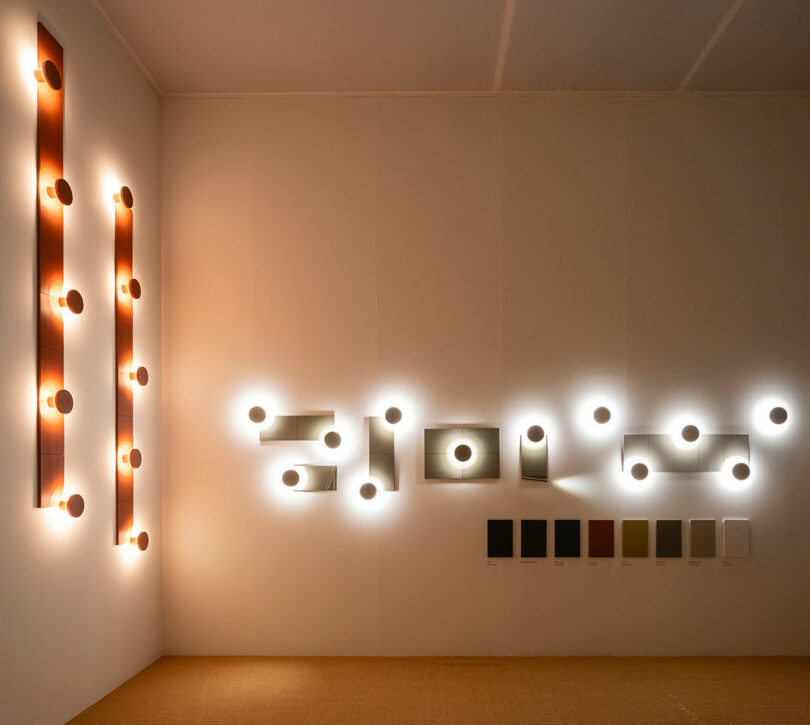
One of the most exciting aspects of the ARID system is its departure from the standard "black, white, or chrome" palette. Bover has introduced eight carefully curated, nature-inspired finishes that align perfectly with the biophilic design trends of 2026. These colors aren't just decorative; they are designed to evoke the textures of the natural world—from parched earth to Mediterranean flora.
The ARID Finish Gallery:
- Terracotta: A warm, earthy red that brings an immediate sense of groundedness to a space.
- Olive Grey: A sophisticated, muted green that works beautifully with natural wood and stone.
- Sand Yellow: A bright yet soft tone that mimics the warmth of desert sunlight.
- Pebble Grey: The perfect neutral for minimalist, industrial-leaning interiors.
- Forest Green: Deep and atmospheric, ideal for creating a moody "sanctuary" feel.
When selecting your finishes, we recommend considering the "Urban to Rural" application. For a sleek city apartment, Pebble Grey or Olive Grey can provide a refined, architectural edge. Conversely, for a coastal or country home, the Terracotta and Sand Yellow finishes help bridge the gap between the interior decor and the landscape outside.
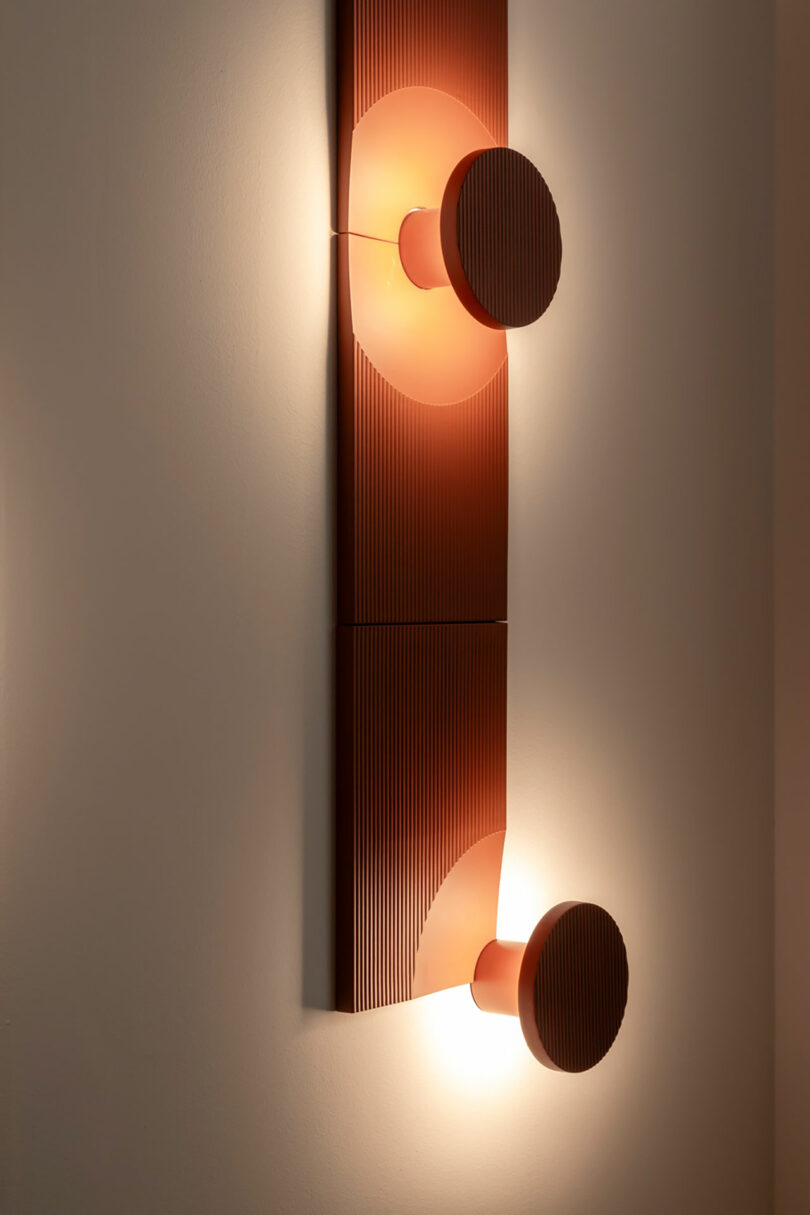
"The ARID system is not just about light; it's about the shadows it creates and the textures it reveals. We wanted to create a system that felt alive, reflecting the shifting light of a desert day." — Nahtrang Studio
System Thinking: Why Modular Lighting is Essential for 2026
Why is modularity becoming the gold standard for high-end lighting? The answer lies in sustainability and longevity. In 2026, the design industry is shifting heavily toward lifecycle responsibility. The ARID system is constructed from 100% recyclable aluminum, a material that is not only lightweight and durable but also has a lower environmental footprint compared to complex plastics or heavy alloys.
By using modular components, Bover ensures that the system is easily serviceable. If a single LED node needs attention years down the line, you don’t have to replace the entire fixture—you simply service the specific component. This reduces waste and ensures that your lighting installation remains a permanent part of your home’s history.
| Feature | Specification |
|---|---|
| Material | 100% Recyclable Aluminum |
| Light Source | Integrated Dimmable LED |
| IP Rating | IP44 (Suitable for bathrooms & covered outdoors) |
| Price Point | $550 – $625 per basic module |
| Flexibility | Infinite configuration via modular nodes |
Styling the ARID System Across Your Home
How do we take these "building blocks" and turn them into a stunning interior feature? The beauty of ARID is that it adapts to the "mood" of the room.
The Entryway: First Impressions
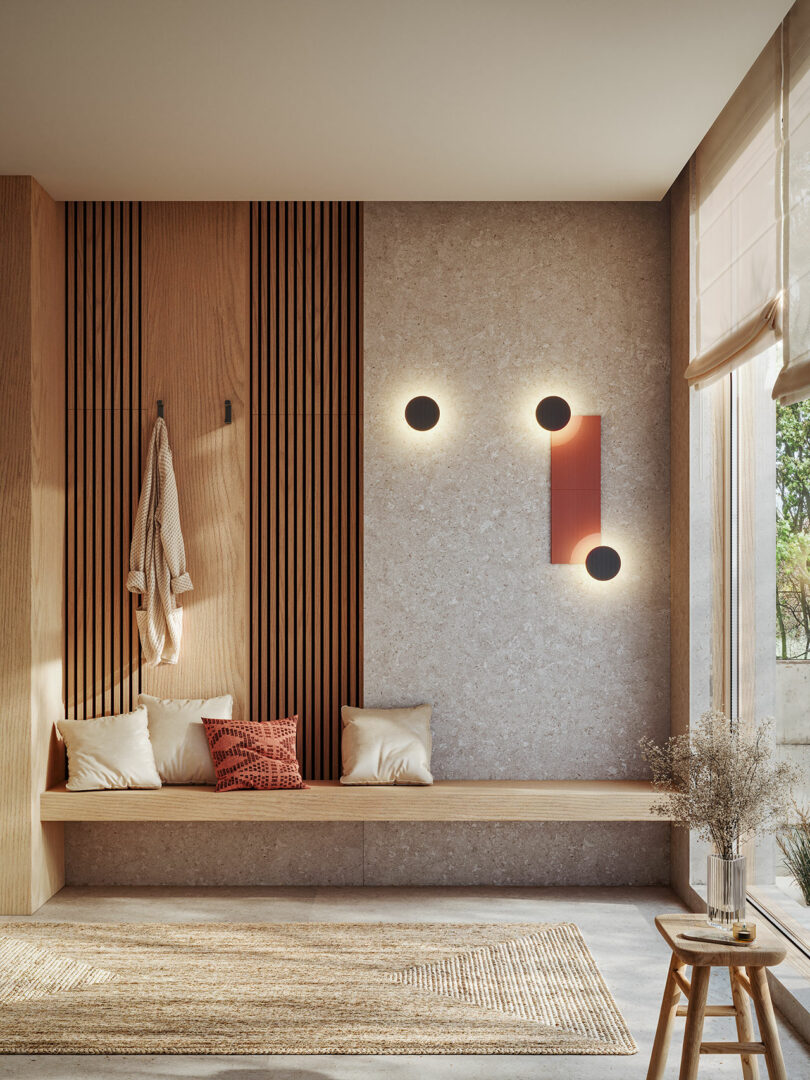
In an entryway, the ARID system serves as a functional piece of wall art. Instead of a single pendant, try a horizontal "matrix of connection." By staggering three or four panels across the wall, you create a sense of movement that guides guests into the home. The diffused light provides a soft, welcoming glow without the harsh glare often found in foyer lighting.
Living Spaces: Diffusion and Drama
In the living room, use ARID to create a focal point behind a sofa or along a large empty wall. Because the light is indirect, it mimics the way sunlight filters through architectural slats. We love the idea of mixing two complementary colors—like Pebble Grey and Sand Yellow—to add depth and visual interest to the geometric composition.
Commercial and Hospitality
For boutique hotels or high-end retail, the ARID system offers a unique opportunity for brand storytelling. The ability to scale the system to cover entire walls allows for a sculptural presence that feels bespoke and architectural.
Installation and Flexibility: The 'Building Block' Advantage
One common concern with "custom" lighting is the complexity of installation. However, Bover has streamlined the ARID system to be remarkably user-friendly. The modular panels are designed to connect with a logical simplicity that belies their sophisticated look.
The real advantage comes long after the initial installation. Because the system is modular, you have the flexibility to change the composition. Want to add more nodes for more brightness? Or perhaps you want to re-orient the panels from a vertical stack to a horizontal line? The ARID system allows for these adjustments without requiring a complete overhaul of your electrical wiring (provided the initial "power node" is correctly placed).
This flexibility makes ARID a "future-proof" investment. As your style evolves or your space needs change, the light evolves with you. It is a rare example of a product that respects both the architect’s vision and the inhabitant’s changing lifestyle.
FAQ
Q: Can the ARID system be used outdoors? A: Yes. The ARID collection features an IP44 rating, making it suitable for damp locations, such as bathrooms, and covered outdoor spaces like patios or entryways. Its aluminum construction is also naturally resistant to corrosion.
Q: Is the lighting dimmable? A: Absolutely. Each light node contains high-quality LEDs that are compatible with most standard dimming systems (TRIAC or 0-10V, depending on your driver selection), allowing you to transition from bright task lighting to a soft, ambient evening glow.
Q: Do I need a professional to design the configuration? A: While the system is designed for ease of use, we recommend consulting with an interior stylist or lighting designer for large-scale "matrix" installations to ensure optimal light distribution and electrical placement.
Master Your Space with ARID
The Bover ARID system represents a new era of interior styling—one where the user is an active participant in the design process. By combining the sustainable integrity of aluminum with the creative freedom of modularity, Nahtrang Studio has given us a tool to sculpt light and shadow on our own terms.
Whether you are looking to add a single splash of Terracotta warmth to a hallway or transform a living room into a geometric masterpiece, ARID provides the framework for your imagination. It is more than just a light; it is a system for modern living.